Stepping off a plane in a country you’ve never visited before can feel like a lot, even for people who travel often. The unfamiliar signage, the different pace of street life, the small worry about whether you’re walking into a neighborhood you should have avoided. For first-timers heading to Europe, a handful of cities consistently take that anxiety off the table by combining low crime, clear infrastructure, and a general sense of order that makes exploring on foot feel completely natural.
The cities below aren’t chosen at random. They show up again and again in safety indexes, peace rankings, and traveler surveys, and each one offers something a nervous first-time visitor will appreciate, whether that’s a walkable old town, reliable public transport, or simply streets where locals leave their bikes unlocked without a second thought.
Reykjavik, Iceland
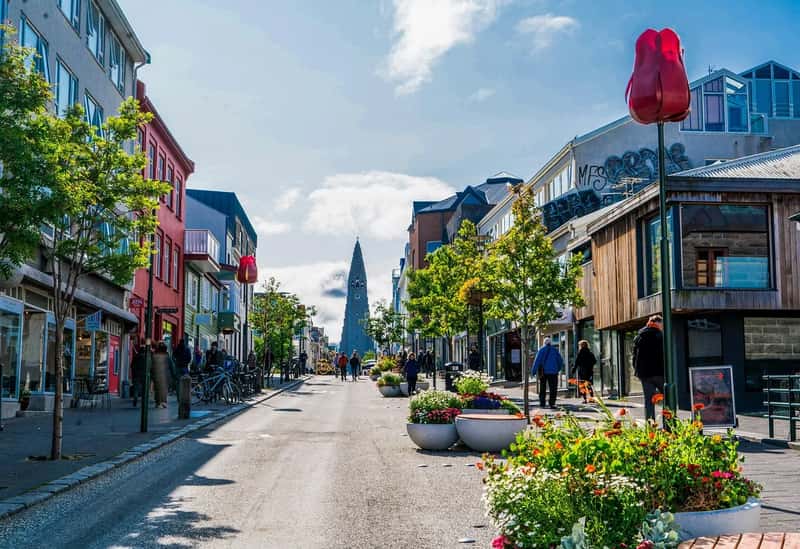
Reykjavik has held its position as one of the world’s most reassuring city destinations for years now, and the data keeps backing that up. For the second year in a row, Reykjavik ranks as the safest city, with Copenhagen again taking second place in recent global travel safety rankings. Iceland’s broader national profile helps explain why: the country has no standing military, minimal organized crime, and a level of social trust that’s rare almost anywhere else in the world.
Police are unarmed and community-focused with high gender equality and societal trust, which shapes daily life in the capital in subtle but meaningful ways. Solo travelers, women traveling alone, and families all tend to report feeling comfortable walking around at night, something not every European capital can promise. It’s a small city by international standards, so first-timers can settle into its rhythm within a day or two without feeling overwhelmed.
Copenhagen, Denmark
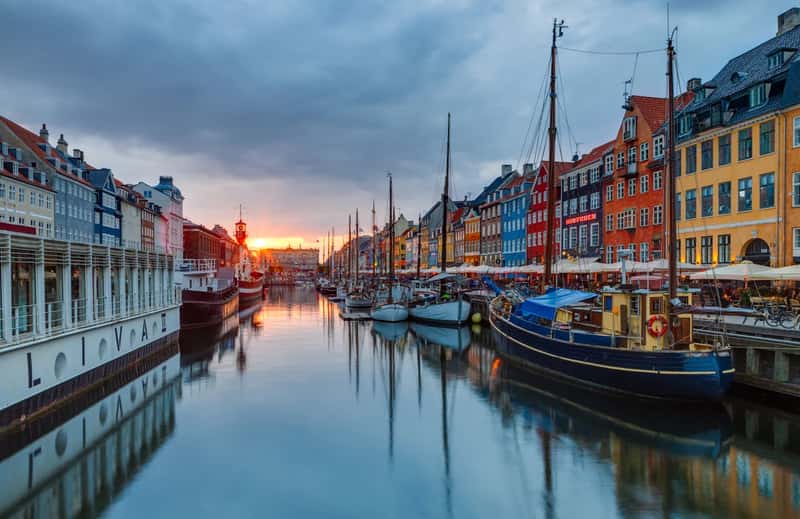
Denmark’s capital has built its reputation on more than just low crime numbers. According to Numbeo’s 2026 Safety Index, Copenhagen scores 72.4 out of 100, placing it among Europe’s safest major cities, while Stockholm, by comparison, scores 56.2, which gives a sense of just how far ahead the city sits compared to other Scandinavian capitals. That gap is worth noting for anyone comparing Nordic destinations before booking a trip.
What makes Copenhagen especially friendly for newcomers is how easy it is to move around. The Copenhagen Metro runs 24 hours a day, seven days a week, so you never need to worry about being stranded late at night. Add in the fact that residents often leave their bikes unlocked without any fear of theft, and you get a city that quietly signals its own safety through everyday habits rather than heavy policing.
Zurich, Switzerland
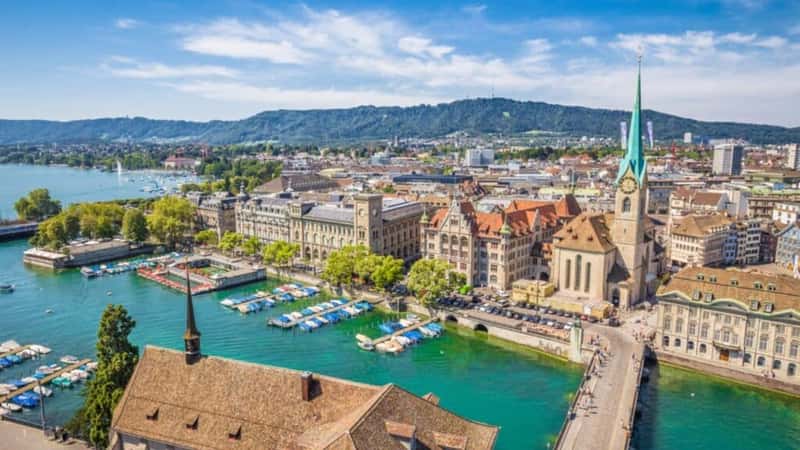
Zurich shows up on nearly every credible safety list, and for good reason. Reykjavik, Copenhagen and Zurich top the list of safest cities, with Zurich making a notable leap to claim third in the most recent annual travel safety report. It’s the kind of city where the trains run on time, the streets are clean, and there’s rarely a sense that anything is out of place.
Beyond the city limits, Zurich also works well as a base for exploring the rest of Switzerland. Day trips from Zurich are spectacular, the Rhine Falls, Lucerne, and the Jungfrau region are all within easy reach. Budget can be a concern, since Switzerland is famously expensive, but budget savvy travelers can find affordable eats at market halls and lakeside picnic spots, which softens the blow for first-timers watching their spending.
Vienna, Austria
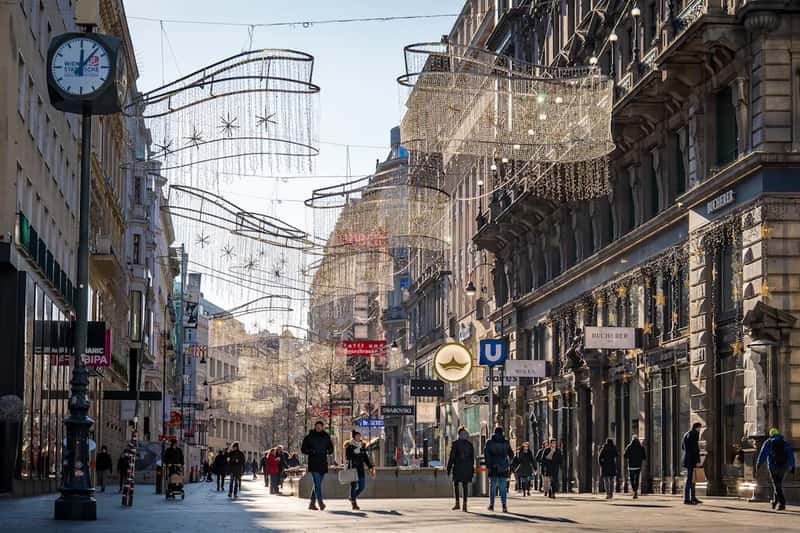
Vienna tends to surprise visitors who expect grandeur but not necessarily safety in the same package. Vienna is quietly one of the safest major cities in Europe, ranking consistently in the top five on global peace indexes, and Austria as a whole has a very low violent crime rate. The city’s imperial architecture and wide boulevards give it a sense of order that seems to extend into everyday public life.
Local law enforcement plays a role too, though not in an intrusive way. Police presence is calm and professional, and the city invests heavily in public spaces that feel open, clean, and welcoming. For a first-time visitor unsure how much to plan versus wander, Vienna rewards both approaches equally, since even getting a little lost rarely leads anywhere concerning.
The Hague, Netherlands
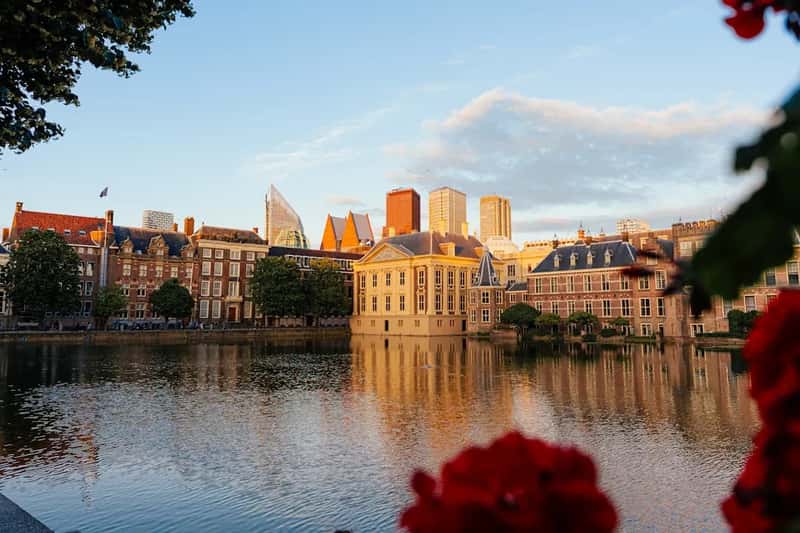
The Hague doesn’t get the tourism attention that Amsterdam does, but on safety metrics it consistently outperforms its more famous neighbor. The lowest score of 21.1 on a widely used crime index was recorded in The Hague, Netherlands, with the top five most peaceful cities also including Zagreb, Munich, Tallinn and Lugano. That places The Hague at the very top of European cities by this particular measure.
The city offers a mix that first-timers often find reassuring, since it isn’t purely about statistics. Topping Numbeo’s Safety Index in 2025 is The Hague, which besides safety offers plenty of art and culture. It’s a manageable size, close to the coast, and easy to navigate without a car, which matters a great deal to anyone new to European travel norms.
Ljubljana, Slovenia
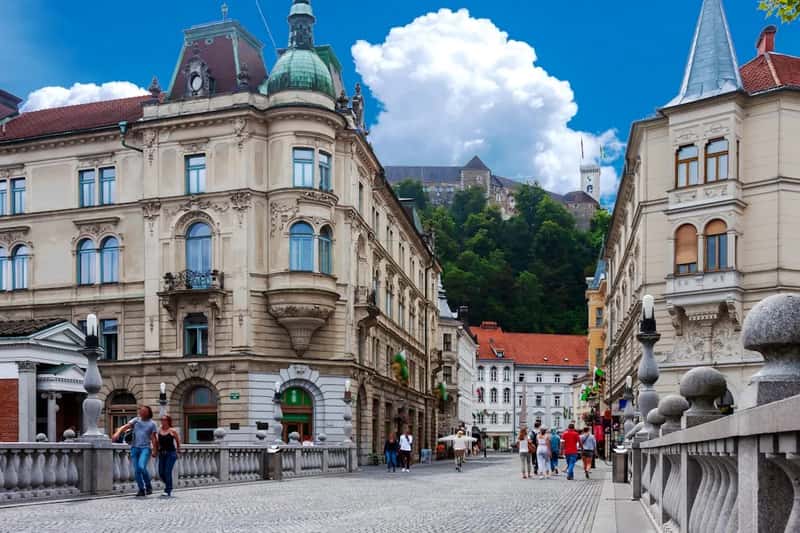
Slovenia’s capital is small enough to feel intimate but still functions like a proper European city with everything a first-time visitor needs. Ljubljana consistently scores highest on global peace indexes, making it one of the top ranked safe cities in Europe for tourists seeking worry free travel. Its compact center means most attractions, restaurants, and transit options sit within easy walking distance of each other.
Slovenia as a whole benefits from its geography and modest population, which keeps organized crime and violent incidents rare. Ljubljana is one of Europe’s easiest capital cities for a relaxed break, and the country’s small size makes it perfect for a one base, several day trips style itinerary. That structure suits nervous travelers well, since it removes the pressure of constantly moving between unfamiliar cities.
Helsinki, Finland
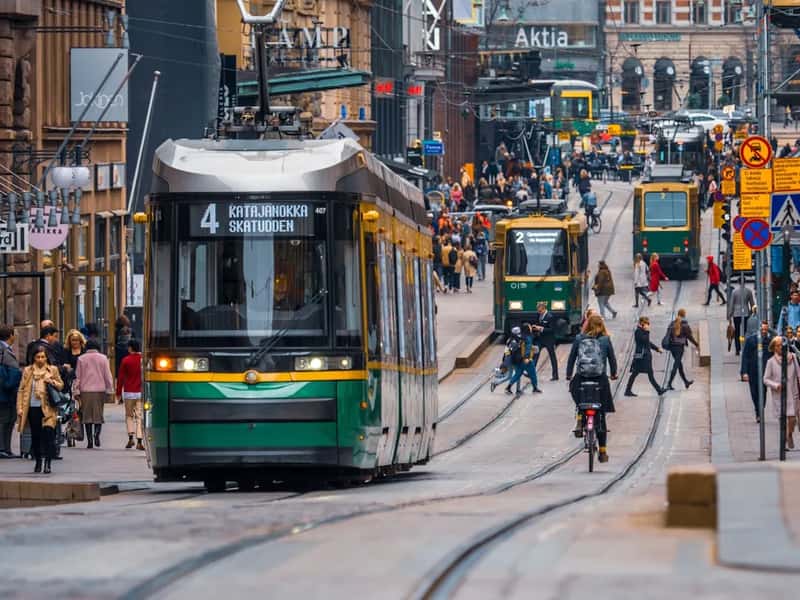
Finland’s reputation for order and quiet efficiency extends directly into how Helsinki feels on the ground. Finland scores extremely well on the safe streets, steady systems side of the equation, and Helsinki in particular has a reputation for being unusually predictable in the best possible sense. Public transport runs cleanly, signage is clear, and the city rarely produces the kind of chaotic tourist-area crowding that leads to petty theft elsewhere.
For women traveling alone, Finland stands out even among its already safe Nordic neighbors. Finland is consistently ranked as one of Europe’s safest countries for women, thanks to extremely low crime rates, safe public transport, and a high Women, Peace and Security Index score. Helsinki itself is described by frequent visitors as polished and low drama, which is exactly the kind of low-key confidence a first-time visitor to Europe tends to appreciate most.