
A passport is easy to take for granted. It sits in a drawer, slightly worn at the edges, and most people only think about it when a trip is coming up. What it actually represents, though, is something far weightier: a country’s diplomatic credibility, its standing on the world stage, and in practical terms, how freely its citizens can move through the world.
The Henley Passport Index ranks 199 passports by visa-free access using exclusive IATA data, with nearly two decades of history and monthly updates. The gap between the strongest and weakest passports has grown dramatically since 2006, now standing at 168 destinations – a stark illustration of how unequally global mobility is distributed. Here’s a close look at the seven documents opening the most doors right now, and three that open almost none.
1. Singapore – The Undisputed Leader
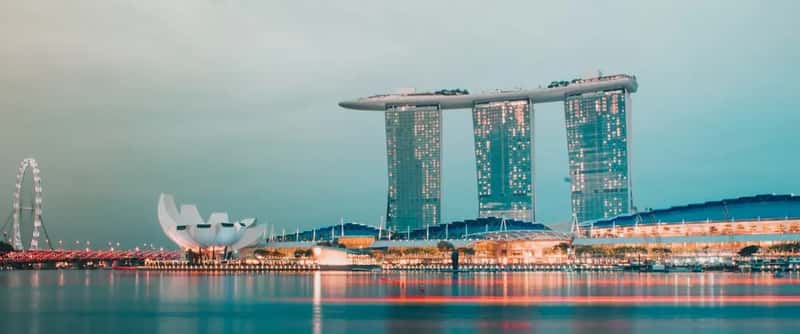
According to the 2026 Henley Passport Index, Singapore retains the top spot as the world’s most powerful passport, giving visa-free access to 192 out of the 227 destinations worldwide to its holders. For a city-state with a population of under six million, that’s a remarkable diplomatic footprint – one built on decades of careful, pragmatic foreign policy and an outward-looking economy.
Singapore holds the top position on the 2026 Henley Passport Index with visa-free access to 192 destinations out of 226 worldwide, and its passport now offers nearly five times more global mobility than the weakest-ranked countries on the list. Singapore’s passport is particularly notable given the country’s small size, reflecting the island state’s extraordinary diplomatic and economic relationships.
2. Japan – Asia’s Quiet Overachiever
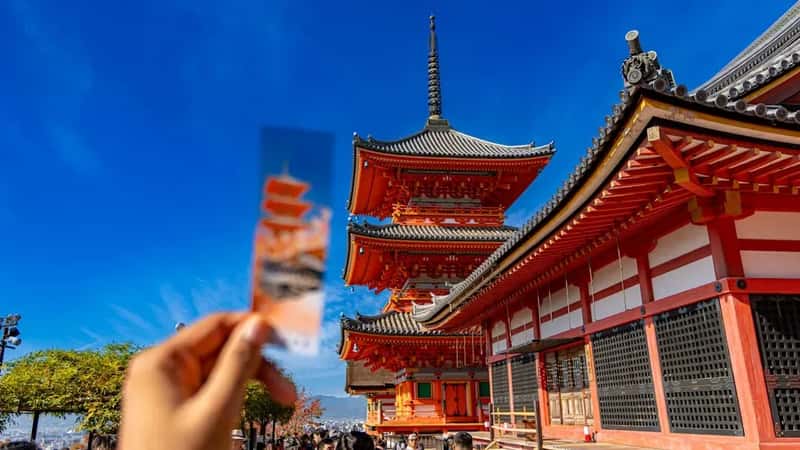
Japan’s passport has secured its position as the second most powerful globally in early 2026, tied with South Korea and trailing only Singapore, granting access to 187 destinations. This high ranking reflects Japan’s strong diplomatic relations and agreements with nations around the world, making it an invaluable asset for international travel, business, and cultural exchange.
Key business and leisure destinations, including the USA, UK, and Southeast Asia, are open to Japanese citizens without a visa. Asian countries like Japan and Singapore have dominated the top position in the Henley Passport Index for the last five years, a consistency that reflects just how durably strong their international relationships have become.
3. South Korea – Rising Steadily in the Rankings
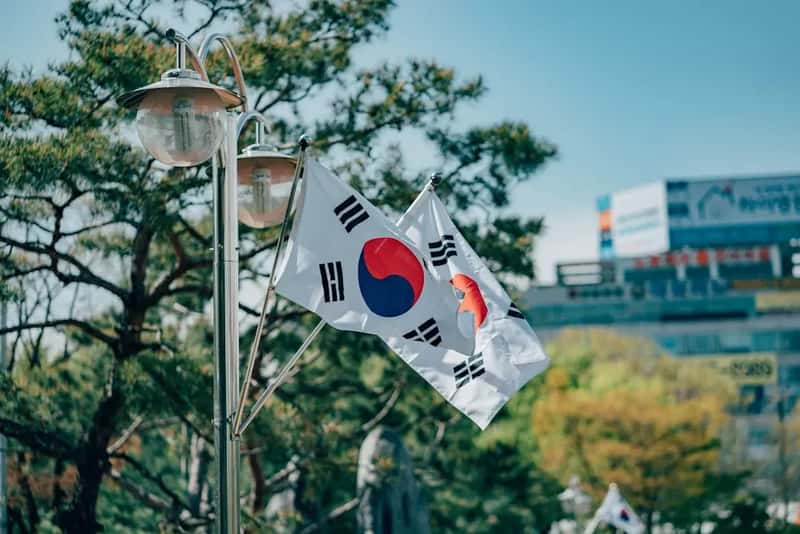
Japan, South Korea, and the United Arab Emirates are second in the ranking on the 2026 Henley Passport Index. South Korea’s passport has been a consistent top performer, benefiting from the country’s economic influence, its strong bilateral ties across Asia, Europe, and the Americas, and a well-regarded diplomatic service.
Singapore and Japan consistently share the top mobility tier within the Asian region, and the South Korean passport offers a comparable level of international access. For South Korean travelers, visa-free access to nearly every major global destination is now a given – a reality that would have been hard to imagine just two generations ago.
4. The United Arab Emirates – The Most Dramatic Climber in History

The UAE passport has moved up the ranking by eight places, making it the first Middle Eastern passport to reach the top tier. The UAE stands out as the strongest performer on the Henley Passport Index over the past 20 years, adding 149 visa-free destinations since 2006 and climbing 57 places. That kind of climb is almost without parallel in the index’s history.
The UAE holds the distinction of being the strongest passport outside East and Southeast Asia. However, Emirati citizens still lack visa-free access to the United States, unlike holders of Singapore, Japan, or South Korea passports. It’s a notable gap for what is otherwise one of the most mobile documents on the planet.
5. Sweden – Europe’s Standard-Bearer

The third spot in the 2026 Henley Passport Index is taken by Sweden. Sweden’s position reflects a broader pattern: Europeans hold many of the strongest passports by visa-free access, led by Northern and Western European countries, while the 27-member European Union’s individual member countries still vary in visa-free access.
EU passports combine EU free movement rights – the right to live and work in all 27 EU member states – with extensive global visa-free access built over decades of diplomatic relationships. For Swedish citizens in particular, that combination translates into one of the most practical travel documents anywhere in the world.
6. Germany and France – The European Powerhouses

European passports continue to dominate much of the upper tier of the 2026 Henley Passport Index. Belgium, Denmark, Finland, France, Germany, Ireland, Italy, Luxembourg, the Netherlands, Norway, Spain, and Switzerland all rank fourth worldwide in the April 2026 update, with access to 185 destinations without a prior visa.
EU passports – particularly France, Germany, Italy, Spain, Finland, Sweden, Denmark, Netherlands, Austria, and Luxembourg – offer access to between 185 and 195 destinations. Germany and France deserve individual mention here: both are among the largest economies in the world, with diplomatic networks that stretch across virtually every region, which makes their passport strength a natural reflection of their global reach.
7. Australia and Canada – The Non-European Heavyweights

Australia and Canada are highly placed, sharing seventh position with 182 destinations in the April 2026 update of the Henley Passport Index. Both countries have built their passport strength on decades of stable governance, active international trade relationships, and reputations that generate goodwill across most of the world’s regions.
The ranking underscores the strong concentration of European passports at the top while confirming the rise of several non-European nations, including the United Arab Emirates, Malaysia, New Zealand, Australia, and Canada. For Australians and Canadians, visa-free entry to roughly four out of every five travel destinations makes spontaneous international travel a realistic option rather than a logistical puzzle.
Weakest #1: Afghanistan – Last Place, Year After Year

Afghanistan holds the weakest passport ranking in 2026, with visa-free access to just 24 destinations. Prolonged instability, shifting governance structures, and limited diplomatic engagement contribute to minimal visa-free access worldwide. The figure is stark when set against the global average, which has been rising steadily for wealthier nations.
At the bottom of the scale, Afghanistan once again ranks last, with passport holders able to travel to just 24 destinations without a prior visa. The 168-destination gap starkly illustrates how wide mobility disparities have become in 2026, a divide that has deepened significantly since 2006. For ordinary Afghan citizens with no political connection, this restriction touches almost every aspect of life, from education abroad to family reunification.
Weakest #2: Syria – Conflict’s Long Shadow
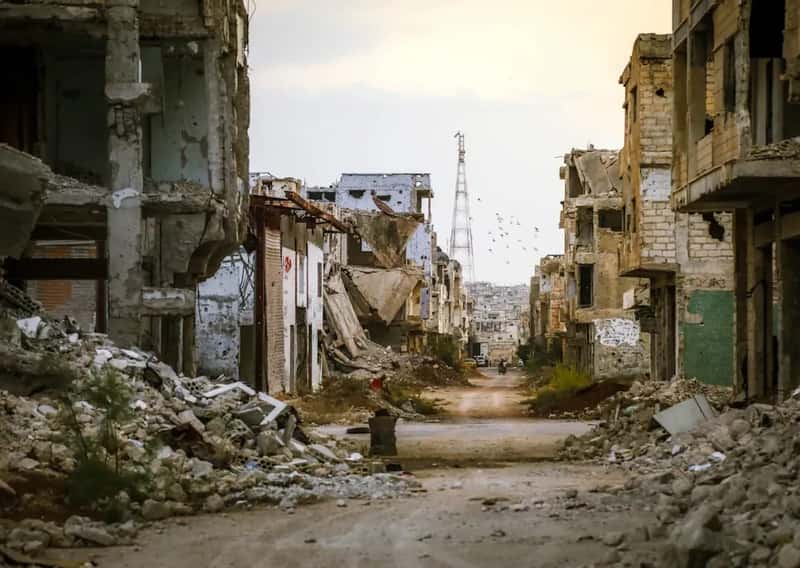
One position above Afghanistan is Syria, ranked 100th, with a visa-free score of 26. Years of civil war and the collapse of much of the country’s diplomatic infrastructure have left Syrian passport holders with almost no meaningful travel freedom. The country’s civil war and severe economic sanctions have collapsed much of its diplomatic framework.
The lower tier of the index, with fewer than 100 destinations, comprises passports from states with strained diplomatic relationships, sanctions exposure, or limited bilateral treaty networks – Afghanistan, Iraq, Syria, Pakistan, and Yemen consistently appear at the bottom of the rankings. Syria’s position near the very bottom is a direct consequence of sustained international isolation and the humanitarian catastrophe that followed years of conflict.
Weakest #3: Iraq – Geopolitical Baggage with Real Consequences
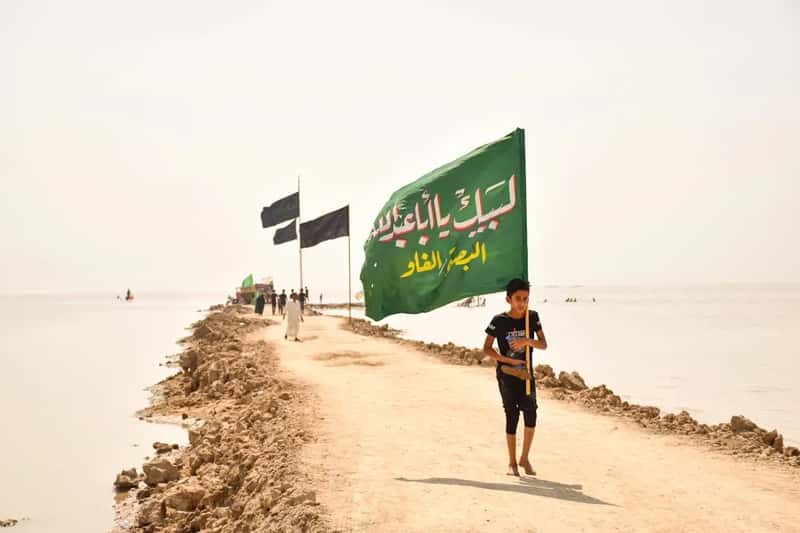
Iraq’s passport comes with decades of geopolitical baggage. Although neighboring countries sometimes permit easier access, global visa approval remains a slow, high-scrutiny process. Many embassies require detailed background checks, financial proof, or invitation letters before issuing a visa to Iraqi citizens.
Iraq ranks 99th on the Henley Passport Index with a visa-free score of 29. For citizens of countries with low-ranking passports, limited passport power restricts educational exchange, employment mobility, and global connectivity. That’s the lived reality for millions of Iraqis who want to study, work, or simply visit family across borders – a reality that a number tells only in part.
What the Numbers Actually Mean
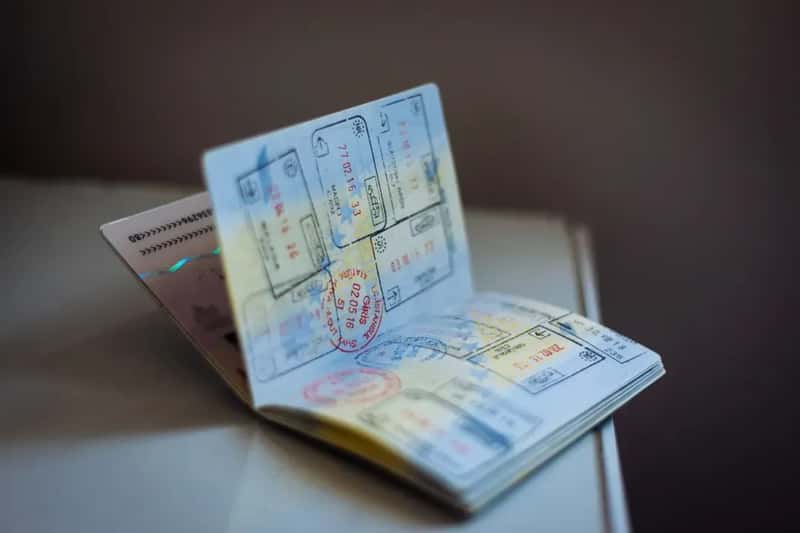
A passport is not just a travel document; it carries the weight of a country’s political, economic, and diplomatic might. In terms of the global index power ranking, a passport’s power is determined primarily by the number of countries its holders can access without a visa. The more destinations a passport can access without needing a visa or special entry clearances, the higher it climbs the global passport power ranks.
The disparity highlights how geography, diplomacy, and stability influence global mobility. Countries with stable governance, strong economies, and expansive diplomatic networks often negotiate reciprocal travel agreements more effectively. In contrast, nations facing internal conflict or strained international relations struggle to secure similar arrangements. The rankings, in other words, are less a travel guide than a mirror held up to the world’s political order – and what they reflect isn’t always comfortable to look at.