Every year, thousands of American retirees quietly pack up their homes and start over somewhere warmer, cheaper, and slower paced. Southeast Asia has become one of the most common landing spots, drawing former teachers, tech workers, veterans, and Disney employees alike. What stands out in their stories is not the sunshine or the low rent, though both come up often. It’s how firmly, and how quickly, many of them stop thinking of the United States as home.
The seven retirees below did not follow identical paths, and their reasons for staying overseas differ from one to the next. Still, a pattern runs through nearly every account: once they settled in, going back stopped feeling like an option worth considering.
Bill Strayer traded Hawaii for Bangkok’s skyline
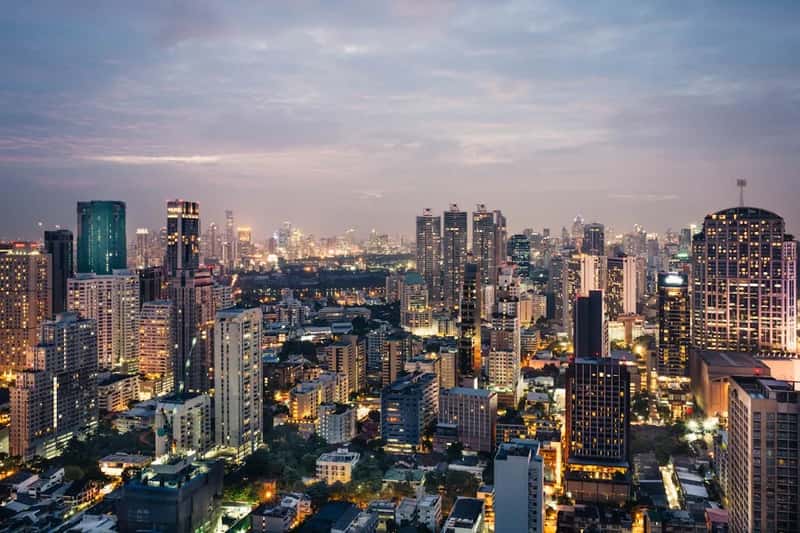
Bill Strayer was born in Colorado, went to college in Missouri, and later moved to the Bay Area to work in tech. Work trips across Asia during those years opened his eyes to cultures he had not encountered growing up. Later, he left a job as a portfolio advisor and moved into aviation, eventually flying passengers between the Hawaiian islands. Japan had always been his dream destination for retirement, at least at first.
A two week vacation through Southeast Asia in the early 2000s shifted his attention away from Japan, and with just a day and a half in Bangkok he hired a driver to show him around and fell for the city almost immediately. After years of working and living in Hawaii, Strayer decided to move to Bangkok in 2023 to retire. Today he pays under a thousand dollars a month for a two bedroom condo, spends his nights following global markets, and says the pace of life suits him far better than anything he had back in the islands.
Jameel Haiat and Hilcia Peña rebuilt their lives in Chiang Mai
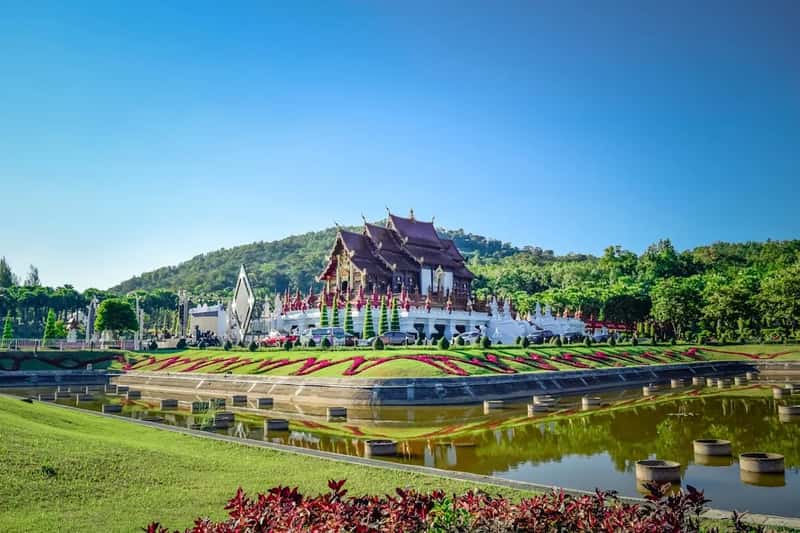
Haiat, a production designer born and raised in Los Angeles, and his partner Peña, an architect who grew up in California, spent years working as Disney Imagineers before making their move. Eleven years earlier, the couple had set a goal of quitting their jobs and living life on their own terms. They eventually followed through and settled in Chiang Mai, a city known for its temples, mountains, and large expat community.
After moving to Chiang Mai, they started a boutique hotel, but shut it down months later so Haiat could prioritize his cancer recovery. That setback reshaped their plans rather than ending them. These days they focus on making art and writing poetry, and they describe their new pace of life as one where the days blend together in the best possible way.
Ryan built a comfortable life in Vietnam on a modest budget
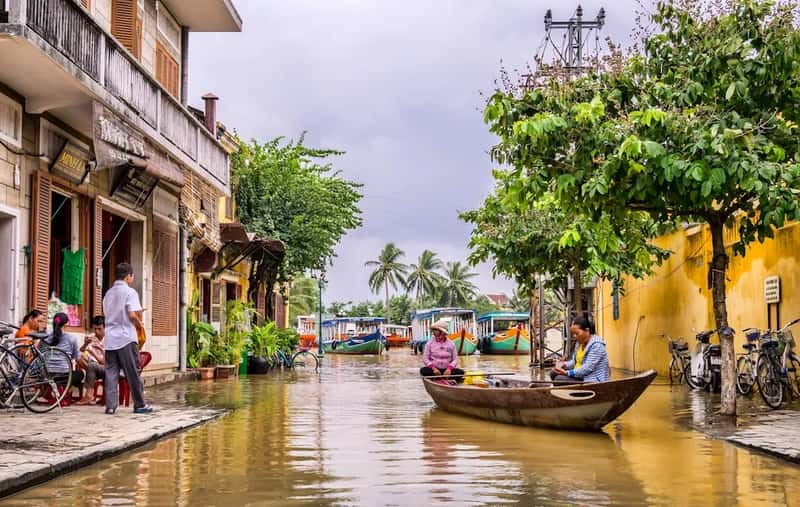
Ryan joined the Air Force soon after graduating high school, after his mother lost her job and his family faced financial struggles tied to the 2008 financial crisis, and he served from 2010 until his honorable discharge in 2019. His introduction to Vietnam came through the military rather than a vacation brochure. He visited the country while still serving, had a fantastic time, and started making plans to return right away.
Years later he followed through, and now lives comfortably on around four thousand dollars a month. That figure would stretch thin in most major U.S. cities, but in Vietnam it covers a lifestyle he describes as far more relaxed than anything he had at home. His story is a reminder that this kind of move isn’t limited to people already deep into their sixties or seventies.
Neill Kramer chose Bali over three other Southeast Asian countries
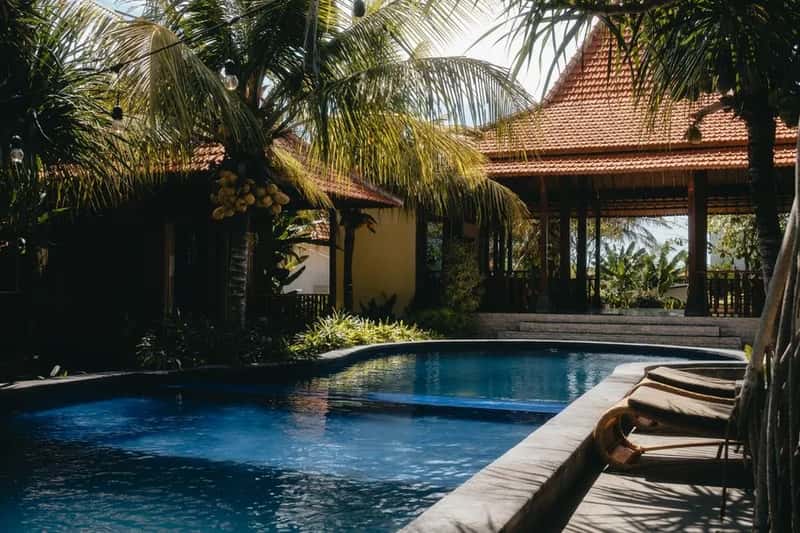
Before settling anywhere, Kramer spent a month in Thailand in 2015, then two weeks each in Vietnam and Cambodia the following year, all while scouting places to retire in Asia. He arrived in Bali for a month long visit in early February 2017, his third such extended trip in three years. Of everywhere he had visited, Bali was the one that stuck.
The island’s atmosphere resonated with him almost immediately, unlike the feelings he had in Thailand, Vietnam, or Cambodia. He purchased a villa there during that same visit in 2017, turning what had started as a scouting trip into a permanent move. He later opened a hotel on the island called Ohana Retreat Bali, turning his retirement into a small business as well as a home.
Stephen Sovie settled into island life on Penang
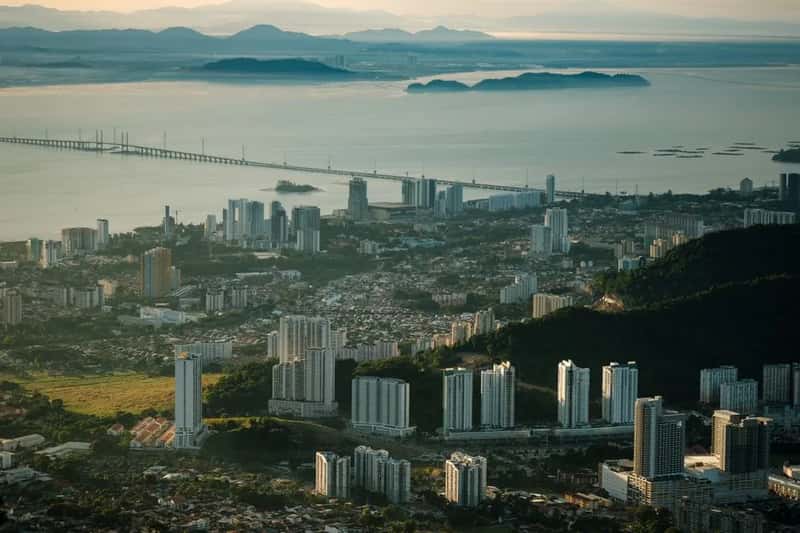
Sovie decided to move to Penang, a small island off the west coast of Malaysia, at a time when reliable information for American retirees on that country was hard to find. There wasn’t much online about Americans retiring to Malaysia specifically, even though a great deal existed about British retirees who had made similar moves. That gap pushed him to start documenting his own experience for others considering the same path.
His blog, Retired in Malaysia, was published in 2011, three years after he had actually made the move. Penang offers a mix of colonial architecture, street food culture, and a lower cost of living than most Western retirees are used to. For Sovie, the island filled a niche that neither the Thailand nor Philippines retirement circuits quite matched.
An anonymous dividend investor found freedom in the Philippines
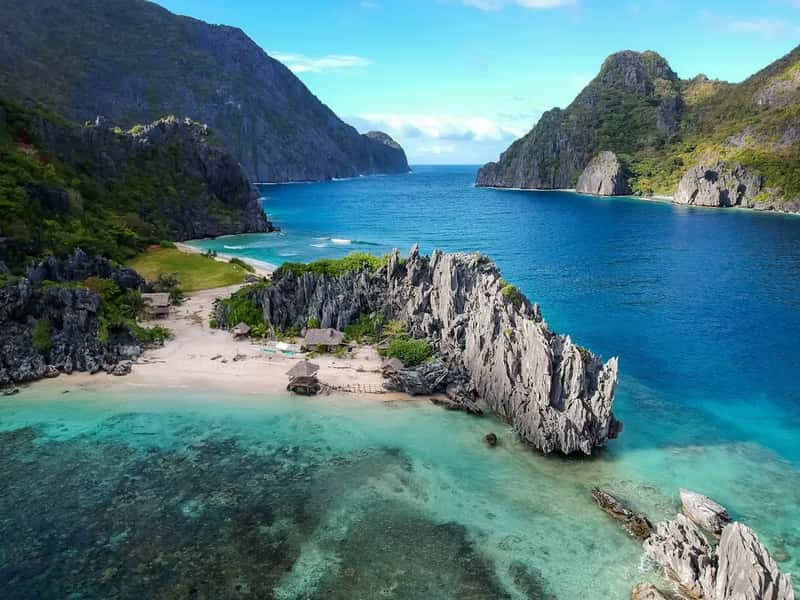
One American shared his story in a Reddit community of income investors, describing how he had retired in the Philippines four years earlier for a fraction of what he was paying back home. He was forty one at the time of the post, younger than most retirees profiled in this space. He had sold his house in the United States for about $175,000 and reinvested the proceeds into two closed end funds, drawing roughly $2,700 a month in dividend income from them.
He is married to a Filipino woman, and together they own their property outright rather than renting. Daily life includes tending fruit trees, gardening, and managing a small rice field that yields three plantings a year. For him, the shift from a paycheck dependent life in the U.S. to a modest but self sufficient one in the Philippines was less about escaping something and more about finally having room to breathe.