Retiring on a modest pension doesn’t have to mean scrimping on quality of life. Across Asia, a wave of retirees from the United States, Canada, the UK, and Australia have discovered that their savings stretch dramatically further once they leave home. Warm climates, rich street food, and welcoming expat communities are only part of the appeal; the real draw is arithmetic. A monthly budget that barely covers rent back home can fund a spacious apartment, regular meals out, and private healthcare in much of Southeast and South Asia.
This guide walks through eight countries where retirees are already building comfortable lives on a fraction of Western costs. Each one has its own visa quirks, healthcare realities, and lifestyle trade-offs, so we’ve tried to keep things grounded rather than glossy. Consider it a starting point for research, not a substitute for a scouting trip.
1. Vietnam

Vietnam has become a magnet for retirees chasing low costs without sacrificing city buzz or scenic coastline. Most retirees can live comfortably in Vietnam on $1,000 to $2,000 USD per month, even in major cities like Ho Chi Minh City and Hanoi. Everyday expenses back that up nicely, since a three-course dinner for two at a mid-range restaurant runs about $23, while gasoline costs roughly $3.50 per gallon. Compared with the United States, Vietnam’s cost of living is about 59.3% lower, with rent running around 78.5% cheaper in some areas.
The catch is bureaucratic rather than financial. Vietnam does not have a dedicated retirement visa, so Americans typically enter on a visa valid for six months or a year but can only stay three months at a time, meaning residents either do periodic visa runs or apply for extensions. Healthcare is a genuine bright spot, since quality private healthcare is available in major cities, with a basic consultation often costing between $30 and $60. Most long-term expats simply budget the occasional border hop as the price of admission for an otherwise remarkably cheap lifestyle.
2. Cambodia
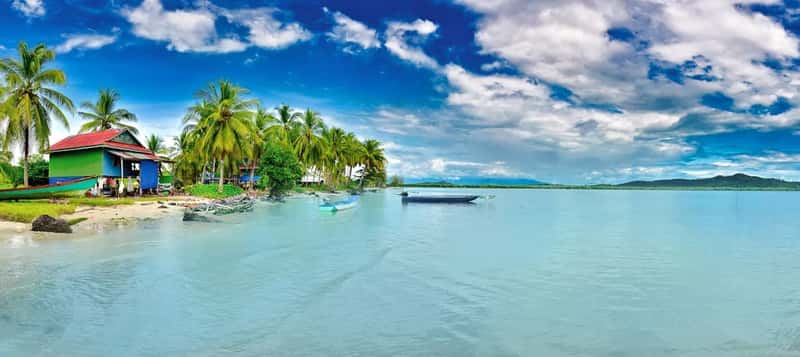
Cambodia has quietly overtaken some of its neighbors as the region’s easiest and cheapest place to settle long term. The country has one of the easiest visa processes in Southeast Asia: arrive on an ordinary visa for about $35, then extend to a one-year ER retirement visa through a local agent for $280 to $350, with renewal straightforward annually and no minimum savings or income requirements. That absence of a financial threshold sets it apart from Thailand and Malaysia, where bank deposits and income proof are mandatory.
Daily costs remain refreshingly low for a country with genuine modern comforts. A comfortable, middle-class lifestyle costs roughly $1,200 to $1,500 a month, with a one-bedroom condo in Phnom Penh or Siem Reap renting for between $400 and $600. Healthcare is more basic than in Bangkok, though international clinics in Phnom Penh handle routine care affordably at $10 to $30 per visit, while anything serious usually means a short, cheap flight to Bangkok. The widespread use of the US dollar also makes budgeting simple for Western retirees.
3. Thailand
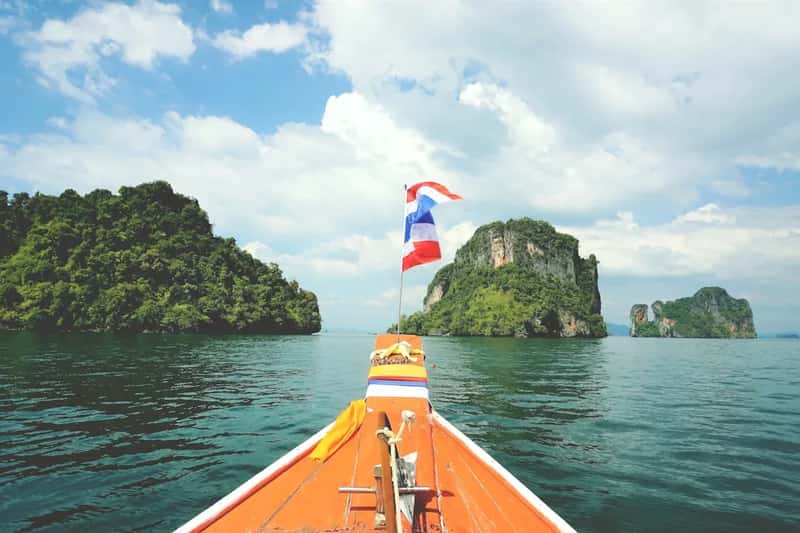
Thailand remains the benchmark against which other Southeast Asian retirement destinations are measured, largely because its systems are so well established. The retirement visa itself costs around $200 a year for a multiple-entry version, or just $60 for single-entry. The bigger financial hurdle is proving means, since applicants need income of at least 65,000 THB per month, roughly $2,000, or alternatively 800,000 THB left in a Thai bank account.
Once settled, day-to-day living can be quite affordable depending on lifestyle choices. Housing typically ranges from 15,000 to 60,000 THB, or roughly $446 to $1,785, per month. Many long-term expats find 30,000 to 45,000 THB a month covers a locally-oriented lifestyle, while 50,000 to 80,000 THB supports Western-standard living with a private apartment and regular restaurant meals. Private hospital care in Bangkok is genuinely excellent, which is a large part of why so many retirees choose Thailand over cheaper but less developed neighbors.
4. The Philippines

The Philippines built its reputation on one of Asia’s most retiree-friendly visa programs, the Special Resident Retiree’s Visa, or SRRV. The deposit required depends on age, pension status, and chosen category: retirees aged 50 and older with a pension deposit $15,000, while those without a pension deposit $30,000. There’s also a lower-cost route, since the SRRV Courtesy category, for former Filipinos, retired diplomats, and recognized achievers, starts deposits as low as $1,500 for applicants aged 50 and up.
Beyond the deposit, ongoing costs are modest. Applicants pay a processing fee of around $1,400 for the principal retiree plus $300 per dependent, and an annual fee of about $360 covering the principal and up to two dependents. The visa also comes with tangible perks, as it grants access to benefits such as tax breaks on imported household goods and PhilHealth insurance coverage. Combined with warm weather year-round and English widely spoken, the Philippines offers one of the smoothest bureaucratic paths to retirement in the region, even if healthcare quality varies significantly outside Manila and Cebu.
5. Sri Lanka
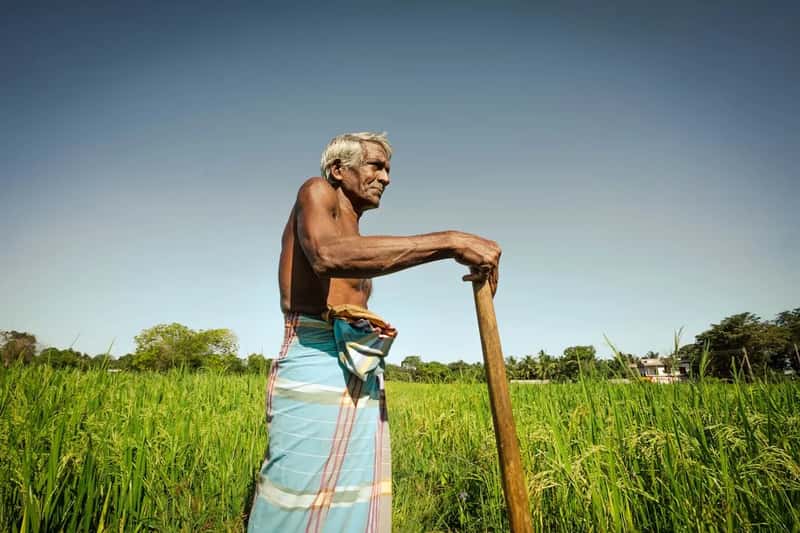
Sri Lanka routinely gets singled out as one of the least expensive places to retire anywhere on the continent. One long-term retiree couple reported living on the island with real comfort, noting they lived extravagantly well on $2,200 a month, including a villa by the beach, traveling across the island, dining out most of the time, and traditional massages. That kind of lifestyle would cost several times more in most Western capitals.
Practical logistics are unusually friendly here too. Sri Lanka has one of the easiest and cheapest retirement visa requirements in Asia. Healthcare quality does vary by location, since private hospitals in Colombo are solid with modern facilities, while medical care outside the capital is more basic but serviceable. The island’s appeal isn’t purely financial either; with thirteen UNESCO heritage sites, pristine beaches, and vibrant culture alongside low prices, it’s a place where retirees can live richly without spending a fortune.
6. Malaysia

Malaysia occupies a sweet spot between affordability and Western-style convenience that few other countries in the region match. English is widely spoken, a legacy of British colonial history, which makes daily life, from shopping to seeing doctors, extremely easy for Western retirees. The cultural mix adds real texture to daily life, since Malaysia is culturally diverse, home to Malay, Chinese, and Indian communities, which means a fascinating blend of cultures, festivals, and cuisines often cited as Southeast Asia’s best.
Retirees are drawn here for a standard of living that outpaces the price tag. Retirees enjoy a high standard of living at low prices, with modern infrastructure, shopping malls, efficient public transport, and excellent healthcare co-existing alongside affordable markets and hawker stalls. The long-running Malaysia My Second Home program has changed shape recently, and prospective applicants should note that it now requires property purchase and a ten-year lock-in period, even as it still offers freehold property rights and a clearer long-term structure than some alternatives. For retirees who value predictability and comfort over rock-bottom prices, Malaysia remains a strong contender.
7. Indonesia (Bali)
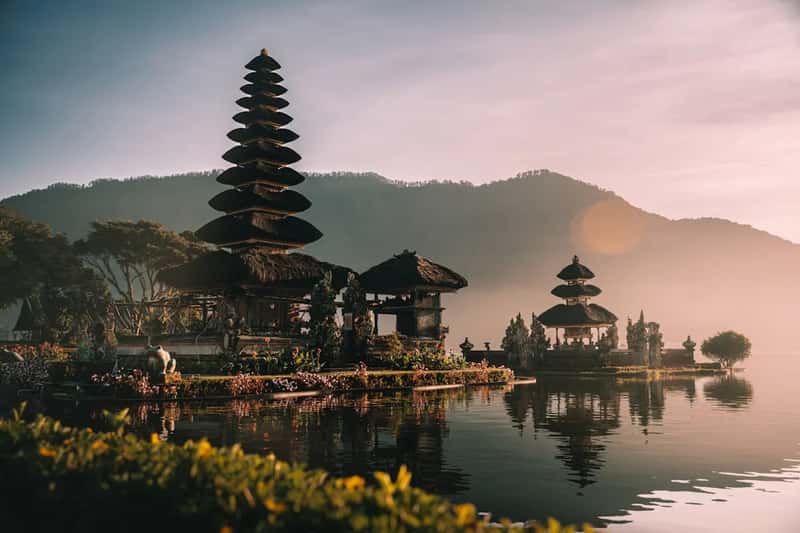
Bali continues to pull in retirees chasing tropical scenery on a budget, though the visa rules have tightened in recent years. The Retirement KITAS, officially the KITAS Lansia, is a temporary stay permit for foreigners aged 55 and above, valid for up to a year and renewable annually for up to five years before it can convert to permanent residency. Financial requirements vary by source and have shifted over time, with some agents now citing income proof closer to $3,000 a month, well above the older $1,500 threshold still referenced in older guidance.
Daily living costs remain genuinely low if you avoid the tourist-heavy areas. The average monthly cost of living for one person in Bali runs around IDR 3 to 8 million, or roughly $179 to $477, covering food, groceries, transportation, rent, and entertainment. Housing has its own minimum thresholds tied to the visa, since accommodation proof requires a rental agreement with a minimum monthly cost of $500, or $300 for properties outside the Denpasar, Badung, or Gianyar areas. Retirees should also budget for mandatory extras, as the visa requires employing at least one Indonesian citizen in the household, typically a cleaner, gardener, or housekeeper, at a monthly cost of $150 to $300.
8. Nepal
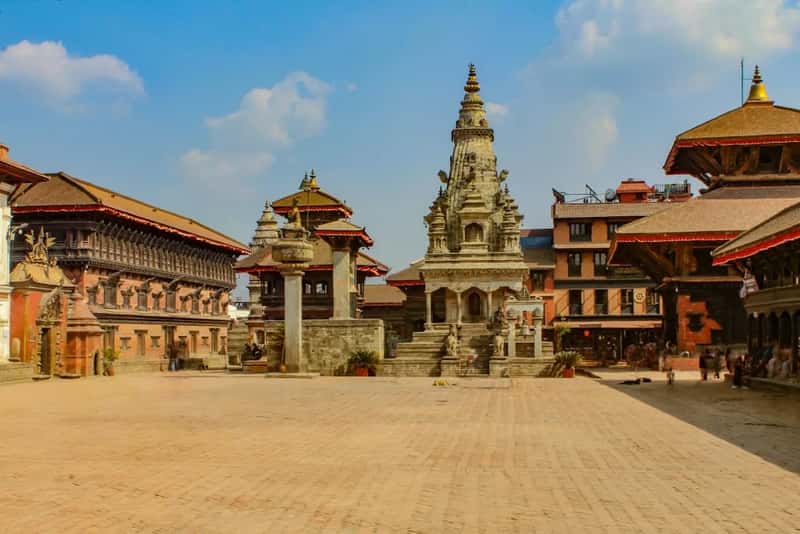
Nepal rarely tops mainstream retirement rankings, yet it consistently ranks among the least expensive places in Asia to live day to day. There’s no dedicated retirement visa program the way Thailand or the Philippines offer, so most long-term foreign residents rely on tourist visa extensions or other long-stay categories, renewed periodically at immigration offices in Kathmandu. That administrative simplicity, or lack of a formal framework depending on how you look at it, keeps Nepal firmly in niche-retiree territory rather than mainstream expat hub status.
What Nepal lacks in visa infrastructure, it makes up for in raw affordability and scenery that few countries can match. Cities like Pokhara, with its lakeside setting and mountain backdrop, have built small but steady communities of long-term foreign residents drawn by rock-bottom rents and grocery bills. Healthcare is the main trade-off, since quality private care is largely concentrated in Kathmandu, while more remote areas rely on basic clinics, making comprehensive international health insurance and proximity to the capital important considerations for anyone planning to settle there long term.
Choosing where to retire in Asia ultimately comes down to weighing cost against comfort, and no single country wins on every measure. Vietnam and Cambodia offer the rock-bottom prices but demand more visa patience, Thailand and Malaysia trade a bit of that savings for stronger healthcare and infrastructure, and Sri Lanka, the Philippines, Indonesia, and Nepal each bring their own mix of scenery, bureaucracy, and daily cost. The smartest approach is usually the oldest one: visit first, rent before you buy, and let a few months on the ground tell you what the spreadsheets can’t.