Ask most financial planners what it takes to retire comfortably in the United States these days, and the number they throw out can be enough to make anyone reconsider the whole plan. Yet a few hours’ flight south, or a transatlantic hop east, a different reality plays out. Retirees who felt priced out at home are settling into apartments with ocean views or colonial plazas, living on a fraction of what they’d need in Florida or Arizona.
None of these places require a fortune to move there legally. What they do require is a modest, steady income, usually from Social Security or a pension, paired with some patience for paperwork. Here is a closer look at eight countries where that math still works.
Panama
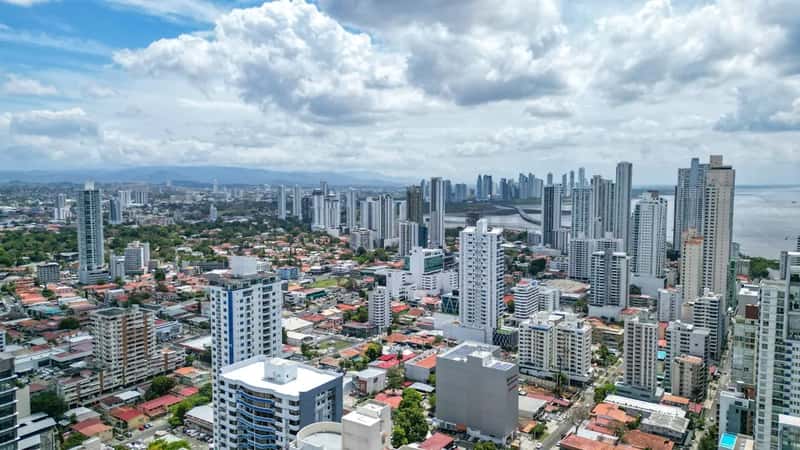
Panama’s Pensionado program remains one of the most accessible retirement visas anywhere. The Panama Pensionado Visa is a permanent residency program for foreign retirees with a guaranteed lifetime pension from a foreign government, international organization, or legally operating private company. Applicants must receive a minimum pension of $1,000 per month, or $750 if they own Panamanian real estate valued over $100,000.
What sets Panama apart is what comes with the visa itself. Panama offers permanent residency with just $1,000 a month in income, uses the US dollar as currency, applies zero tax on foreign income, and mandates retiree discounts by law. A couple can live comfortably on roughly $2,000 to $3,000 per month, which explains why tens of thousands of American retirees have settled in places like Boquete and Coronado.
Costa Rica
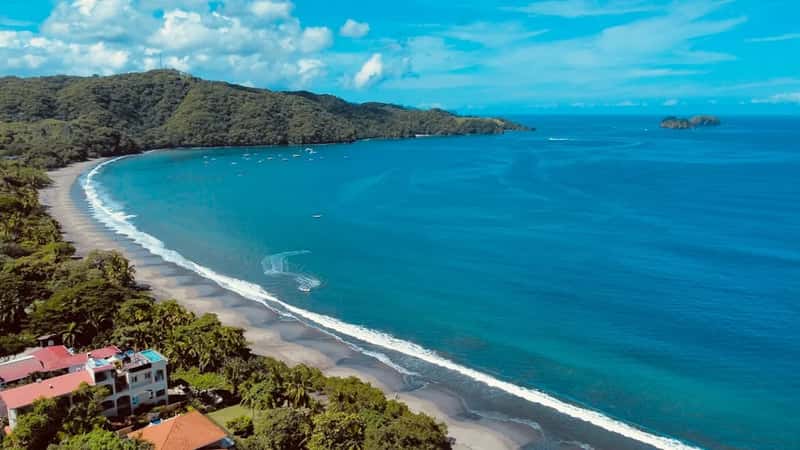
Costa Rica’s version, known simply as Pensionado, keeps the bar just as low as its Central American neighbor. The pensionado category requires receipt of a lifetime pension from abroad with a minimum monthly amount of $1,000 or its equivalent in Costa Rican colones. There’s no age cutoff, so long as the income is guaranteed for life.
The residency track is straightforward, if not instant. Pensionado holders can live freely in Costa Rica for an initial period of two years, upgrade to permanent residency after three years, and even apply for citizenship after seven years in the country. Pensionado residents can also enroll in the public healthcare system, open bank accounts, acquire assets, and have their foreign driver’s license recognized.
Portugal
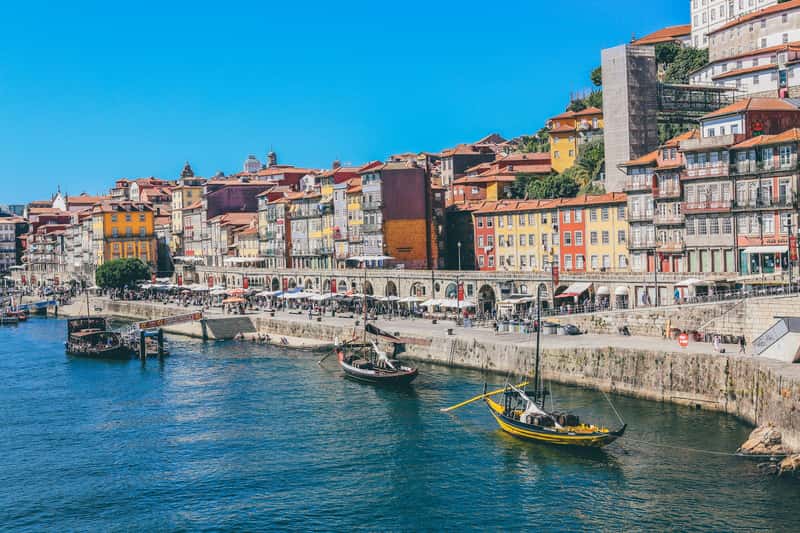
Europe’s retirement bargain remains Portugal, thanks to the D7 visa. The minimum income requirement for the Portugal Retirement Visa in 2026 is €920 per month for a single applicant, sourced from pensions, investments, or other passive income funds. That works out to a little over $1,000 monthly, which is remarkably low for a Western European country with EU membership attached.
The path forward is well defined, even if it has shifted slightly this year. The initial residence permit is valid for two years, renewable for three, with eligibility for permanent residency after five years. Citizenship rules did tighten somewhat in 2026, with Lei Orgânica n.º 1/2026 now requiring most non-EU, non-CPLP nationals to complete ten years of legal residency before applying for citizenship, a longer wait than retirees had grown used to expecting.
Ecuador
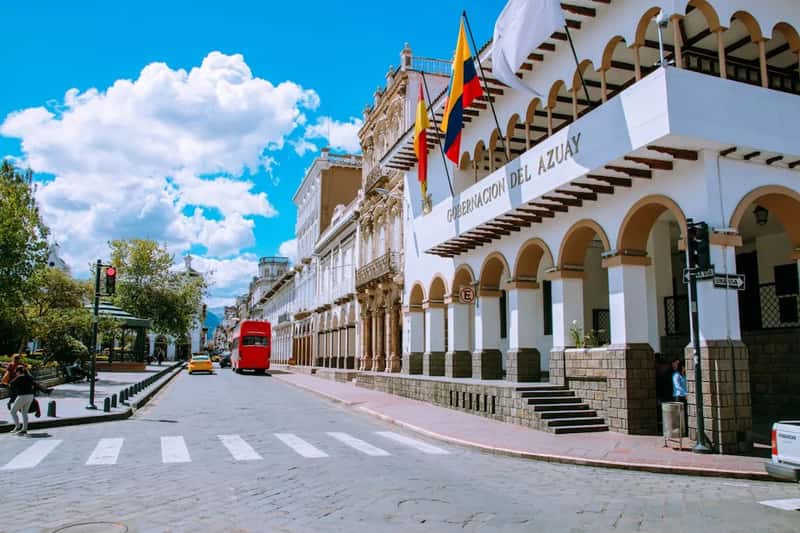
Ecuador tends to fly under the radar compared to Panama and Costa Rica, but the numbers hold up well. The Pensioner Visa requires a minimum of $1,446 per month in pension income, calculated as three times the 2026 Basic Unified Salary of $482, plus $250 per month for each dependent. Qualifying income can come from Social Security, government pensions, military pensions, or private annuities.
One quiet advantage here is currency stability. Ecuador uses the US dollar as its actual currency, so a Social Security check is spent exactly as it arrives, with no conversion and no exchange-rate risk. Cities like Cuenca have built sizable American communities around exactly this predictability, with monthly budgets for couples often landing well under two thousand dollars.
Colombia

Colombia has climbed steadily up the retirement rankings, and its visa math is refreshingly simple in structure, even if the exact dollar figure shifts with the peso. The core requirement for the Colombian Retirement Visa is a monthly pension income equivalent to three current legal monthly minimum wages, known as SMMLV. Because that minimum wage rises every year, the dollar equivalent moves too, so applicants need to check the current exchange rate rather than rely on last year’s figure.
What draws Americans in the first place tends to be less about the paperwork and more about daily life. Colombia’s eternal spring climate, affordable healthcare, and vibrant culture have moved retirement there from a hidden gem to a top global choice. Medellín in particular has become something of a hub, with mild year-round weather that never demands a heating bill or an air conditioner running around the clock.
Mexico
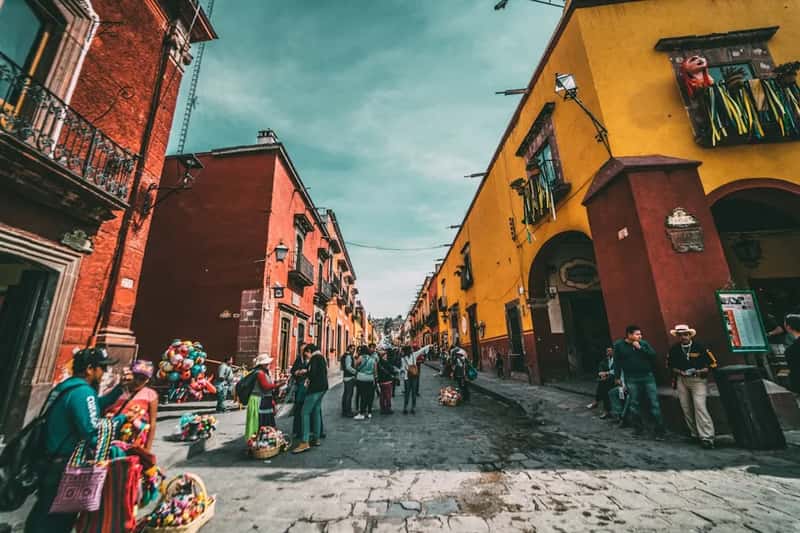
Mexico still belongs on this list, though 2026 brought a real correction to how accessible it is. As of 2026, retirees need to show a consistent monthly income of around $4,400 for the past six months to qualify for temporary residency. That’s a steep jump from the roughly $2,800 threshold retirees were working with just a year or two earlier, and it puts Mexico closer to the middle of this list than the bottom.
Even with the higher bar, Mexico isn’t remotely a millionaire’s destination, and the appeal hasn’t faded. Mexico is home to over 1.6 million US citizens, the largest American expat community in the world. Day to day living costs typically run $1,500 to $3,500 a month depending on location and lifestyle, so the visa threshold is really about proving solvency on paper rather than reflecting what retirees actually spend.
Malaysia

Malaysia’s My Second Home program, known as MM2H, has changed shape several times since 2021, and it now runs on tiers rather than a single flat requirement. For the Silver tier, applicants aged 50 and above must show a fixed deposit of RM 150,000, roughly $32,000, monthly offshore income of at least RM 5,000, about $1,070, and liquid assets totaling RM 150,000 or more. That’s a meaningful upfront commitment, but nowhere near millionaire territory, and it comes with a tax perk worth noting.
All foreign-source income for MM2H residents, including pension, interest, and dividend income, is exempt from Malaysian taxes. A retired couple can live comfortably on $1,500 to $2,200 a month including rent, food, and private healthcare, with Penang standing out as the go to spot for its walkable old town and strong medical infrastructure.
The Philippines
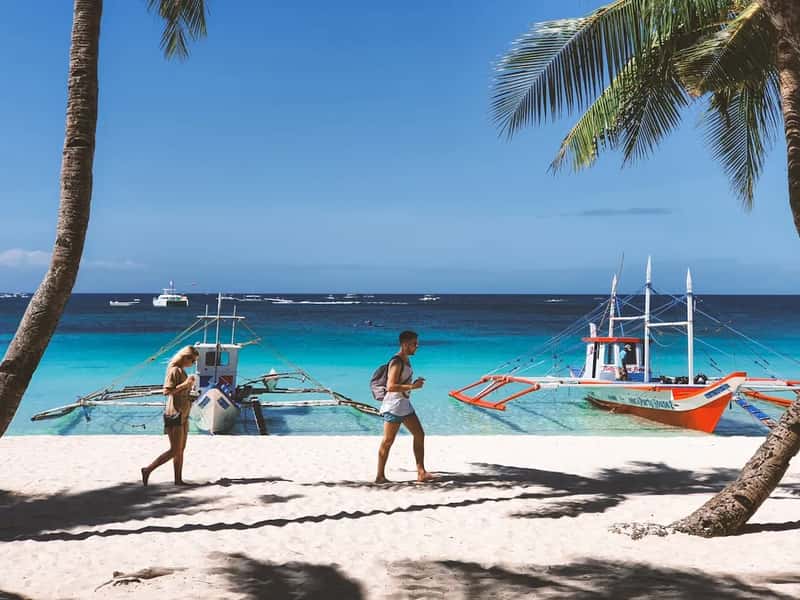
The Philippines has quietly run one of the lowest deposit retirement programs in Asia for decades through its Special Resident Retiree’s Visa, administered by the Philippine Retirement Authority. The classic structure has long allowed retirees aged fifty and older to qualify with a bank deposit as low as $10,000, provided they can also show a modest monthly pension, with a somewhat higher deposit required for applicants without a qualifying pension. It’s a program built around flexibility rather than a single fixed formula, and it has remained one of the more forgiving entry points for Americans who don’t have a large lump sum to park abroad.
Beyond the visa mechanics, the appeal is straightforward: English is widely spoken, the cost of living in provincial cities remains low by global standards, and the retiree visa itself doesn’t expire the way a tourist stamp does. Cebu and the areas around Metro Manila tend to attract the largest concentrations of American retirees, drawn by a mix of affordability and familiarity with US brands and customs left over from decades of close ties between the two countries. It’s not a flashy program, but it has quietly worked for a long time.