Ask someone in Amsterdam for directions, and you’ll likely get a fluent answer in English before you’ve even finished your question in halting Dutch. That’s not a fluke or a tourist-town trick. It’s the result of decades of policy, media habits, and everyday practicality that have quietly turned a handful of countries into English powerhouses, even though none of them count English as a native tongue.
Every year, the EF English Proficiency Index tracks this phenomenon across more than a hundred countries, using test results from millions of adult learners. The 2025 edition, drawn from data collected in 2024, offers a fresh and fairly surprising snapshot of who’s leading the pack, and why some of the usual suspects have been joined by newcomers nobody quite expected.
Netherlands: the reigning champion of non-native fluency
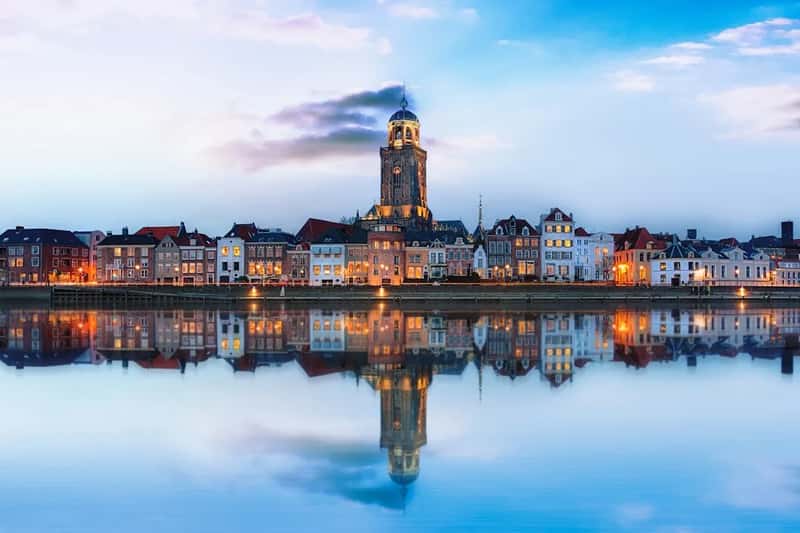
The Netherlands has topped the EF EPI for years, and 2025 is no exception, scoring 624 points and holding the number one spot among 123 countries and regions. English proficiency in the Netherlands is exceptionally high, with about 90% of Dutch people speaking English, often at a near-native level. Visitors regularly comment that they can handle almost any transaction, from ordering coffee to filing paperwork, without ever switching to Dutch.
Several forces feed this. Dutch television rarely dubs English-language content, and English is introduced early and consistently throughout the school system, which helps explain why fluency feels almost universal there. On top of that, Dutch and English share Germanic roots, which gives Dutch speakers a linguistic head start that few other nations enjoy.
Croatia: the Slavic surprise climbing the charts
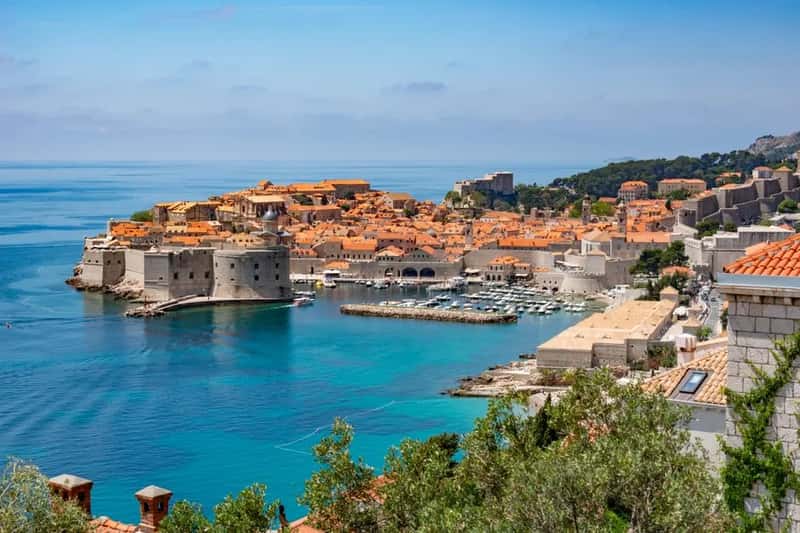
Croatia’s rise has caught plenty of people off guard, since it jumped to second place globally with a score of 617, right behind the Netherlands. According to the latest EF English Proficiency Index, Croatia ranks second globally among 123 countries and territories where English is not the native language, trailing only the Netherlands. What makes this notable is that Croatian belongs to an entirely different language family than English.
Unlike Dutch, which belongs to the same Germanic language family as English, Croatian is a Slavic language, closely related to Russian and Polish, and shares little structural similarity with English. The real driver seems to be media habits: foreign films and television programmes are generally shown in their original language with Croatian subtitles rather than dubbed, exposing viewers to English from an early age. Tourism plays its part too, since millions of international visitors each year give locals constant, informal practice.
Austria: quiet consistency at the top
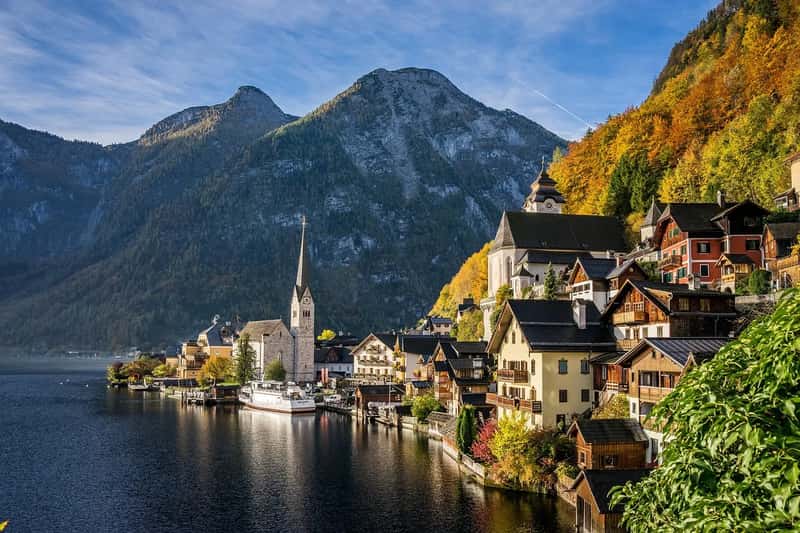
Austria has settled into third place with a score of 616, a position it has held with remarkable steadiness over recent years. Austria has consistently ranked among the world’s most English-proficient nations, and the 2025 data keeps it firmly in the top tier, scoring 616 on the EF EPI, placing it in the very high proficiency category, just behind Croatia and ahead of Germany. There’s nothing flashy about Austria’s approach; it simply works.
Austrian schools introduce English early and maintain it through secondary education, and the country’s close economic ties to Germany and the broader European Union reinforce the practical need for strong English skills. For a small, export-oriented economy sitting at the crossroads of several European markets, treating English as a working language rather than a school subject has become a practical necessity.
Germany: Europe’s largest economy climbs the ranks

Germany posted one of the more notable gains in the 2025 index, climbing to fourth place worldwide with a score of 615. Europe’s largest economy ranks fourth worldwide. That’s a meaningful jump for a country of its size and population, and it reflects a steady, long-term investment in language education rather than a sudden shift.
English is a core school subject and the default language of German international business. Given the scale of Germany’s export economy and its deep integration into EU institutions, fluent English has become less of an academic achievement and more of a professional baseline expected of anyone working in trade, engineering, or finance.
Norway: near-bilingual by any practical measure

Norway holds fifth place with a score of 613, continuing a long tradition of near-native English competence among its population. Norway scores 613, and like its Nordic neighbours, it dubs little foreign-language TV and teaches English early, producing very high fluency. Norwegians often describe English less as a foreign language and more as a second working language they use daily.
The pattern across Norway mirrors what’s visible elsewhere in the Nordic region: undubbed media, early classroom exposure, and a culture that treats English competence as simply part of being educated. Norway, Denmark, Sweden and Finland all sit in the very-high band, a result of early English teaching and undubbed media. It’s a formula that has proven remarkably durable across generations.
Portugal: a steady climber powered by tourism and tech

Portugal has been on a quiet upward trajectory, reaching sixth place globally with a score of 612 in the 2025 index. Portugal continues to climb, reaching 612. That’s a notable improvement from earlier years and places the country ahead of several nations with longer histories of English-language education.
English is common in Lisbon, Porto and the Algarve, helped by a booming tourism and tech scene. As international companies have set up offices in Lisbon and Porto over the past several years, English has increasingly become the working language of choice in Portugal’s growing startup and remote-work communities, reinforcing what schools already teach.
Denmark: confident speakers with Nordic roots
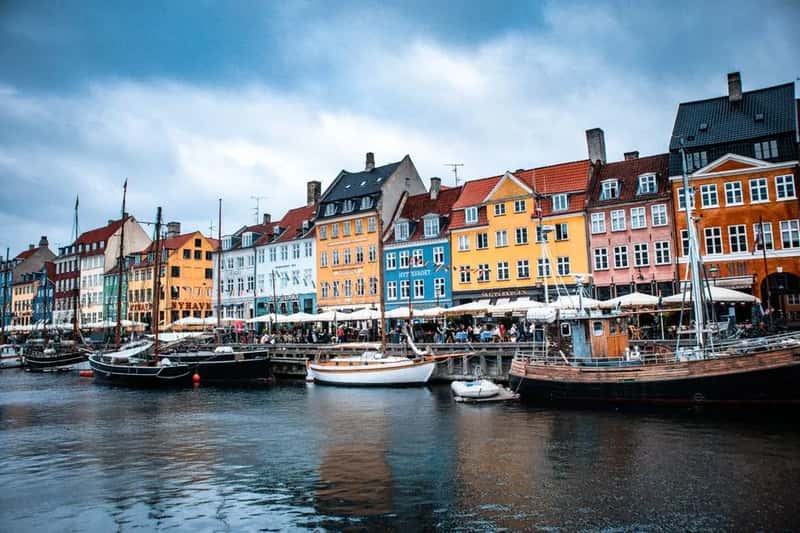
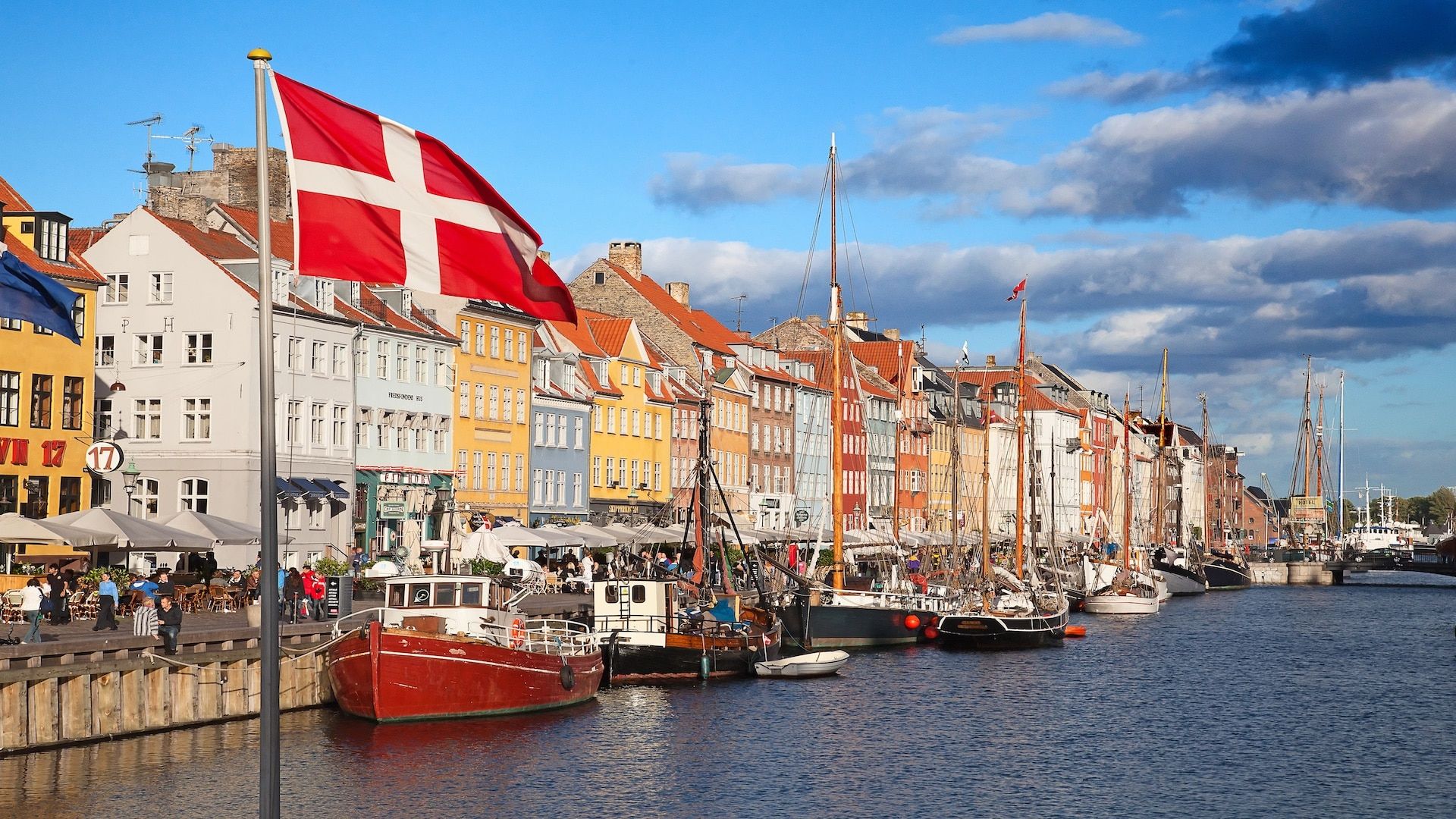
Denmark ranks seventh in the 2025 index with a score of 611, maintaining its long-standing reputation as one of Europe’s most fluent non-native English populations. Denmark scores 611, and Danes are among the world’s most confident English speakers. This confidence tends to show up in how naturally Danes switch into English in professional and social settings alike.
Like its Nordic neighbors, Denmark benefits from a school system that introduces English early and a media landscape that rarely bothers with dubbing. The combination produces speakers who aren’t just technically proficient but genuinely comfortable using English in unscripted, everyday conversation, which is often the harder skill to master.
Sweden: consistent excellence in the very-high tier

Sweden rounds out the top eight with a score of 609, comfortably within the very-high proficiency band alongside its Nordic peers. Norway, Denmark, Sweden and Finland all sit in the very-high band, a result of early English teaching and undubbed media. Swedish schools have long treated English instruction as a serious, sustained priority rather than a box to check.
Swedish media culture reinforces classroom learning in the same way it does across the rest of the Nordic region, with English-language films, series, and online content typically left untouched by dubbing. The result is a population that grows up hearing natural, spoken English from childhood onward, which likely explains why Sweden’s ranking has stayed so stable over the years even as other countries have shuffled positions around it.