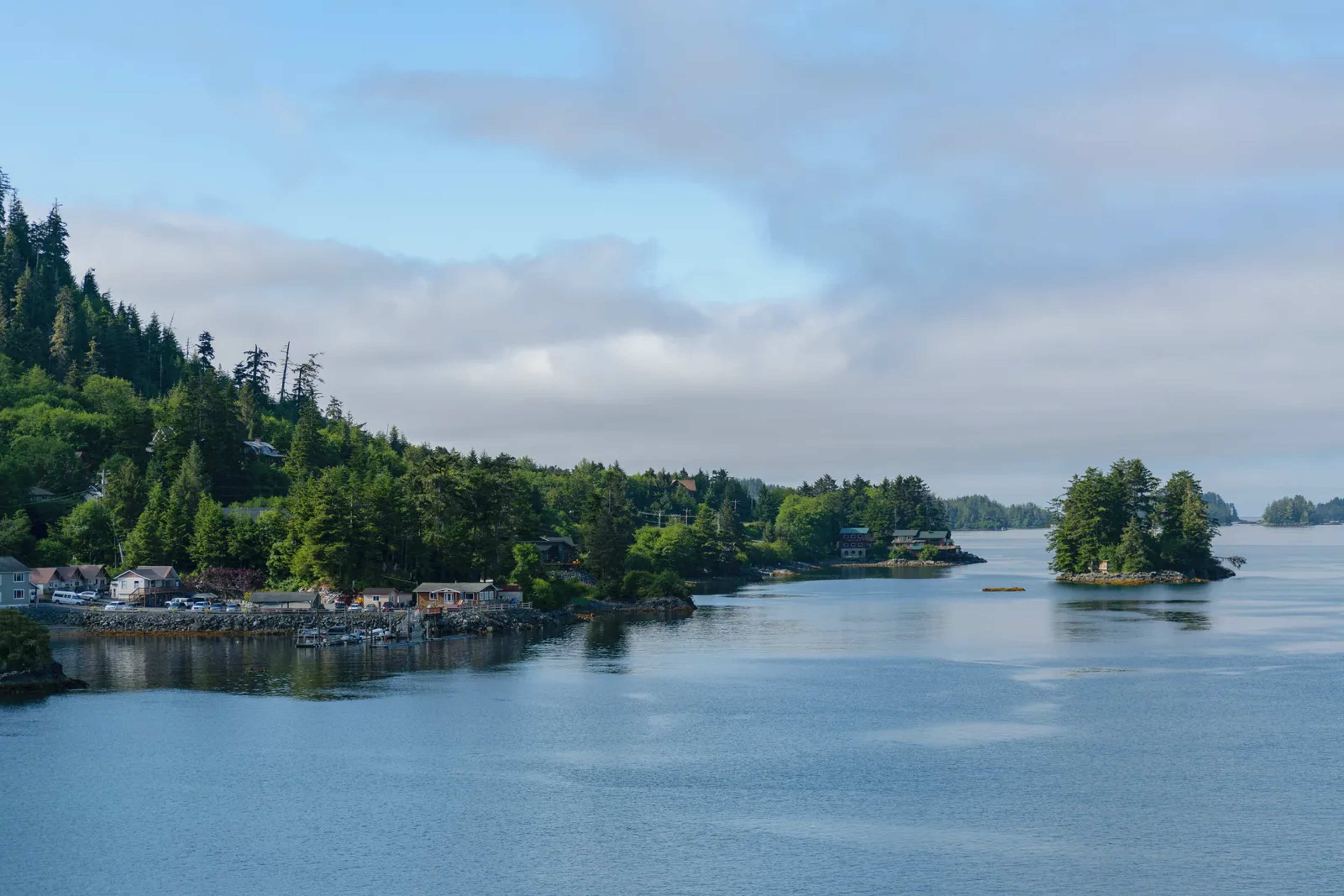
Walk into a classroom in certain corners of Europe or Southeast Asia, and you might hear five-year-olds switching between their mother tongue and English with the kind of ease that would make many adult learners jealous. That is not an accident. In these places, English lessons do not wait for secondary school or even for the later years of primary education. They begin almost as soon as a child starts learning to speak in complete sentences, sometimes even earlier, folded into songs, games, and everyday classroom chatter.
What follows is a look at eight countries where this head start is baked into the education system itself. Some of them made English compulsory from the first grade decades ago. Others simply live with English so thoroughly woven into daily life, through television, business, and government, that formal teaching almost feels like a formality. Either way, these are the places where English fluency starts building long before most children elsewhere have picked up a single foreign word.
Malta: Bilingual Almost From the Cradle
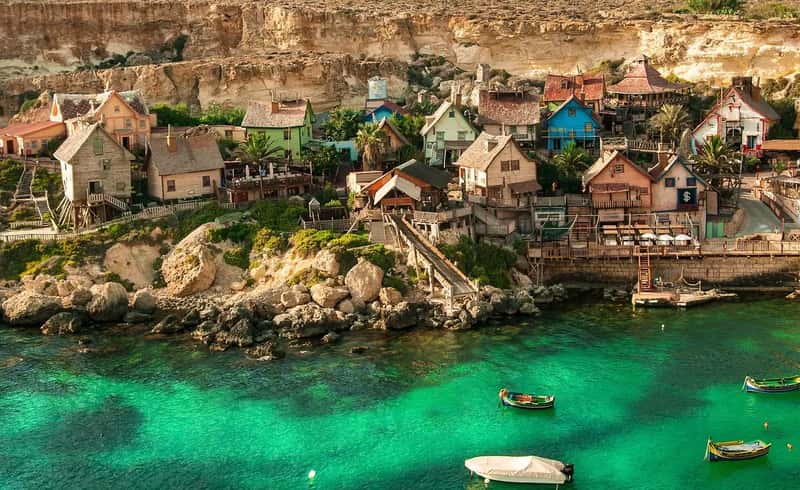
Malta occupies an unusual spot on this list because English is not really treated as a foreign language there at all. It is one of the country’s two official languages alongside Maltese, and that status shapes how children are taught from their very first days in a classroom. In state schools, from nursery through approximately age seven, teaching is bilingual in Maltese and English. Researchers who study early education on the island have noted that the two official languages, Maltese and English, are introduced simultaneously early on in kindergarten classes.
This is not just a school policy either. It reflects a broader linguistic reality where English sits alongside Maltese in government, media, and daily conversation. Teaching is in both Maltese and English up to the age of seven to facilitate bilingualism in children at an early age, though beyond this point the language of instruction in public schools shifts mainly toward Maltese. By the time secondary school arrives, many Maltese students are already comfortable enough in English that secondary and tertiary education is provided exclusively in English.
The Netherlands: English Before Children Can Read Fluently
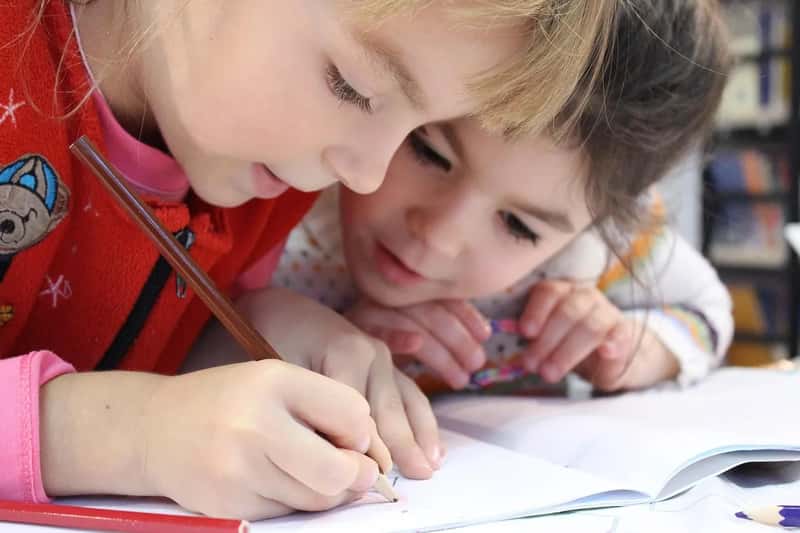
The Dutch approach to early English is a bit less centralized than Malta’s bilingual model, but it has produced arguably even more striking results. Officially, by law Dutch schools have to start teaching English as a subject by group 7 (about age 10) at the latest. In practice, though, a growing number of schools do not wait that long. Increasingly, schools are beginning early foreign language education, often from 4 years old, mostly in English, with some schools now offering early English starting from the age of 4 for about one and a half hours per week.
What makes the Dutch case notable is the scale of this early push. Over 1,150 primary schools have decided to start offering foreign languages earlier, sometimes as early as group 1, and these are known as VVTO schools, short for Vroeg vreemdetalenonderwijs, or early foreign language education. Combine that with the fact that nearly all children start at age four, making the Netherlands one of the countries with the earliest school entry in Europe, and it becomes clearer why the Dutch consistently top global English proficiency rankings among non-native speakers.
Sweden: A National Habit Built Early
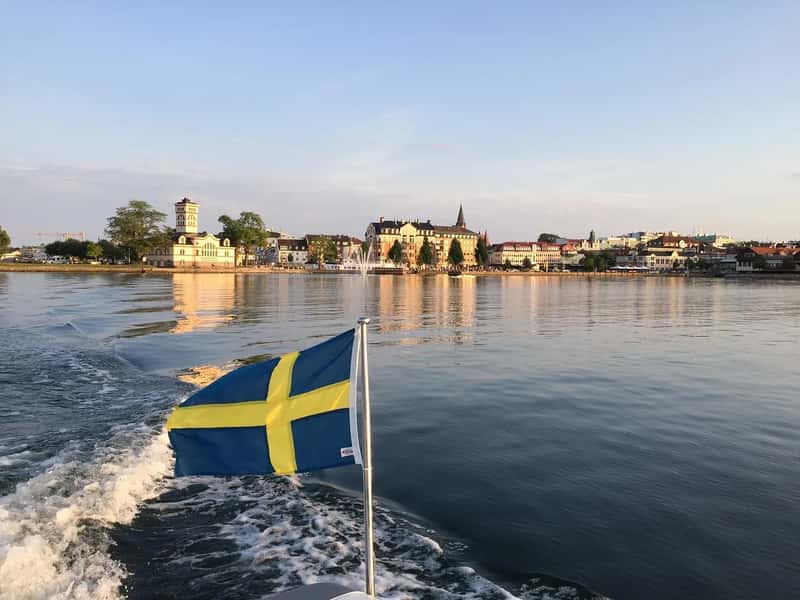
Sweden treats English less as a subject to be studied and more as a life skill to be absorbed, and the school system reflects that attitude from the start. The core curriculum in Swedish compulsory schools includes Swedish, English and mathematics, complemented by science, social studies, arts, technology, and physical education. That places English on equal footing with the national language from the very first years of formal schooling, well before students reach their teens.
The timing lines up with a broader Nordic pattern. In the Nordic countries, English lessons are introduced in the classroom as early as the first grade, and no later than the third grade in most cases. The payoff shows up quickly too, since although the exact starting age varies by country and region, most children have already received a year or more of formal English education by the time they turn ten. Add in a culture where subtitled rather than dubbed television is the norm, and Swedish children are absorbing English both inside and outside the classroom almost simultaneously.
Norway: English From First Grade Onward

Norwegian schools introduce English so early that it barely registers as a separate milestone in a child’s education. In the first year of primary school, students spend most of their time playing educational games and learning social structures, the alphabet, basic addition and subtraction, and basic English skills. From there, the subject only grows in weight, since in grades two through seven, students are introduced to mathematics, English, science, and other core subjects.
This early exposure has translated into some of the strongest English results in Europe. Norway ranked among the very top nations in the most recent English Proficiency Index, a position that reflects a system where nearly all youth are enrolled in public schools and study English from the third grade or earlier. For a country with a relatively small population and a language that shares Germanic roots with English, this early academic investment has clearly paid dividends in adult fluency.
Denmark: A Small Country With a Big Linguistic Head Start
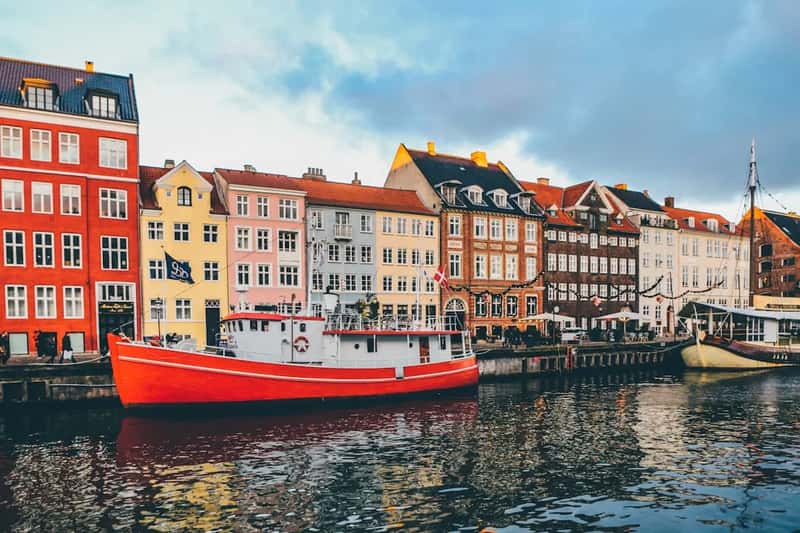
Denmark’s approach mirrors its Nordic neighbors in spirit, even if the exact starting age differs slightly on paper. According to comparative data on European language education, in Denmark the first foreign language starts at age seven, which is still remarkably early by international standards, especially compared with countries where foreign language instruction does not begin until the end of primary school or the start of secondary school.
Danish results speak for themselves in recent rankings. Denmark leads the Nordic region, edging out Sweden and Norway by a fraction of a point, according to the most recent English Proficiency Index analysis. That kind of consistency did not appear overnight. It reflects years of steady exposure that begins in the early grades and continues through a media landscape where English content is rarely dubbed, reinforcing whatever children pick up at school.
Finland: Universal Preschool, Early Immersion

Finland’s education system is famous worldwide for its results, and its approach to English fits the same pattern of trusting young learners with real responsibility early on. While formal primary school does not start until age seven, that delay is misleading on its own. Preschool in the country is universal, open to all families regardless of income, and English exposure often begins within that preschool structure rather than waiting for grade one.
Once formal schooling does begin, English quickly becomes a fixture. Finland fits the broader Nordic description in which English lessons are introduced in the classroom as early as the first grade, and no later than the third grade in most cases. Combined with near-universal access to preschool education and a culture that favors subtitling over dubbing for foreign media, Finnish children build a foundation in English years before they would in most other parts of the world.
Luxembourg: Trilingual by Design
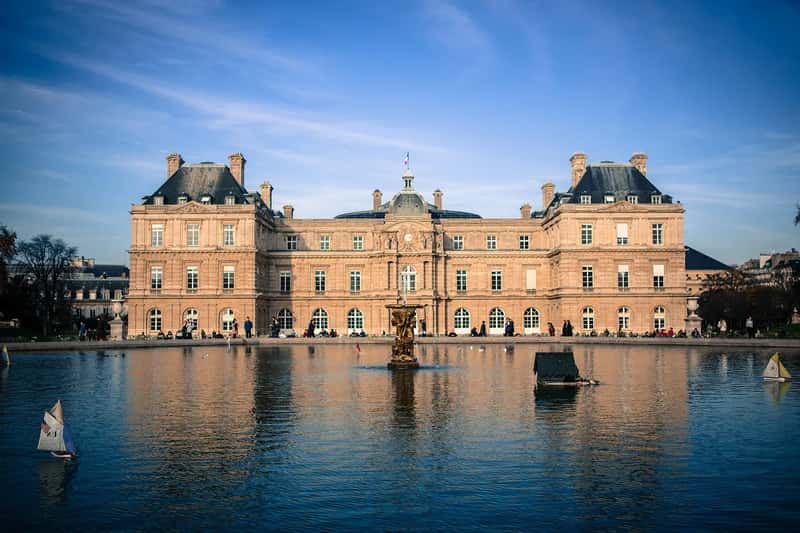
Few countries push multilingual education as aggressively, and as early, as Luxembourg. Comparative research on European language teaching places it among the earliest starters on the continent, noting that in Luxembourg, Norway, Italy, Malta and Spain, the first foreign language starts at age six. In Luxembourg’s case, this is part of a broader trilingual system that also includes French and German alongside Luxembourgish.
Educators who have worked directly in Luxembourg’s early years classrooms describe the country as a standout example of how young children handle multiple languages simultaneously. One professional who spent time in Luxembourgish kindergartens and primary schools observed that Luxembourg stands out as a top choice when it comes to teaching foreign languages to young kids at the kindergarten level and beyond. For a country of its size, this early multilingual foundation has become something of a national identity marker rather than a mere academic requirement.
Singapore: English as a First Language, Not a Foreign One

Singapore deserves a place on this list for a slightly different reason than the European countries above. Rather than teaching English as a subject squeezed into an early primary curriculum, Singapore treats it as a genuine first language for most of its population from the earliest years of schooling. Language education researchers consistently point out that Singapore, in which English is taught as a first language, is an exception compared with most other Asian nations, where students typically learn a national or regional lingua franca first and treat English as a secondary subject.
This distinction became official in global rankings recently. Singapore, which had long ranked highly and was frequently the top performer in Asia in earlier editions, was excluded from the English Proficiency Index since 2025 after being reclassified as a native English-speaking country. That reclassification is itself a testament to just how deeply and how early English is embedded in Singaporean schooling, to the point where international observers no longer consider it a foreign language being taught, but simply one of the languages children grow up speaking.
What Ties These Countries Together

Looking across these eight examples, a few common threads emerge. Small population size seems to help, since smaller countries often find it easier to coordinate national curricula and maintain consistent standards across schools. A shared linguistic ancestry also plays a role for the Nordic countries and the Netherlands, whose native languages sit in the same Germanic family as English, making early acquisition somewhat more natural.
Cultural habits matter just as much as classroom policy. Countries that subtitle rather than dub foreign television and film give children constant informal exposure to spoken English outside school hours, reinforcing whatever they learn in class. None of these countries treat English purely as an academic requirement to be checked off a list. Instead, they build it into daily life from the start, which may explain why their adult populations consistently rank among the most fluent non-native English speakers anywhere in the world.
A Head Start That Lasts a Lifetime

The evidence from these eight countries suggests that timing matters enormously in language acquisition. Children who begin encountering English before they have even mastered reading in their own language seem to absorb it with a flexibility that gets harder to replicate later in life. That is not to say older learners cannot become fluent, but the countries on this list demonstrate what happens when an entire generation gets that early exposure as a matter of policy rather than personal effort.
Perhaps the real lesson here is not just about English specifically. It is about what early, consistent, culturally reinforced language exposure can accomplish when a country decides it matters enough to start young. For these eight nations, that decision was made decades ago, and the results continue to show up every time a new international ranking is published.