Fill up a tank in Copenhagen and you might spend more on fuel than someone in Tripoli spends in an entire month. That gap sounds almost unbelievable, yet it’s the reality of the global gasoline market in 2026, where geography, oil reserves, and government policy pull prices in wildly different directions.
The reasons behind these differences have less to do with the cost of crude oil itself and more to do with what governments choose to do once that oil reaches their borders. Some nations subsidize fuel heavily to keep citizens happy and economies moving, while others tax it aggressively to fund public services or discourage driving altogether. Here’s a look at the eight countries where drivers pay almost nothing at the pump, followed by the five where a full tank can feel like a luxury purchase.
Libya: the cheapest gasoline on Earth
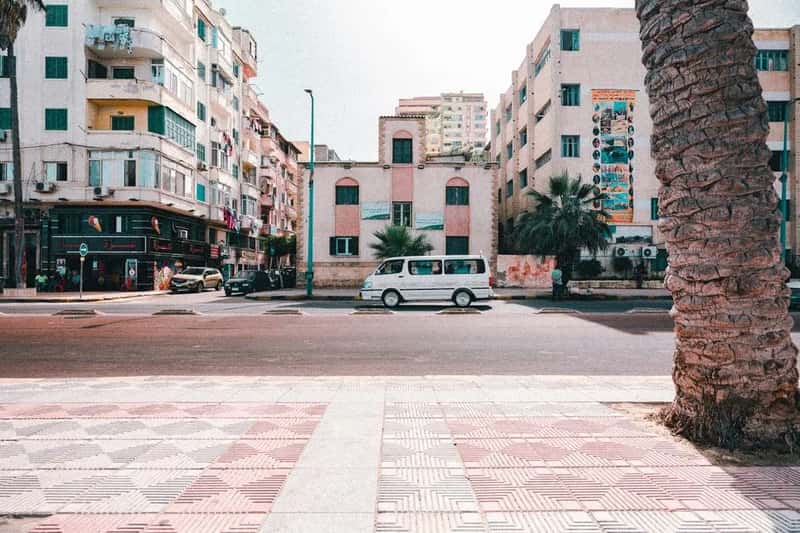
Libya sits at the very bottom of the global price scale, and it isn’t close. Libya tops the list at just $0.09 per gallon, followed by Iran and Venezuela, all below $0.15. Some data sources place the figure even lower, with pricing trackers showing Libya at roughly two cents per liter in mid-2026.
The explanation is straightforward once you consider the country’s oil wealth. Supported by vast crude oil reserves, the North African nation has maintained heavy fuel subsidies for decades, keeping pump prices at just a few cents per litre. That affordability comes with a cost though, since while this provides short-term affordability for consumers, it has also contributed to fiscal strain and widespread fuel smuggling.
Iran: subsidies that defy the war-torn economy
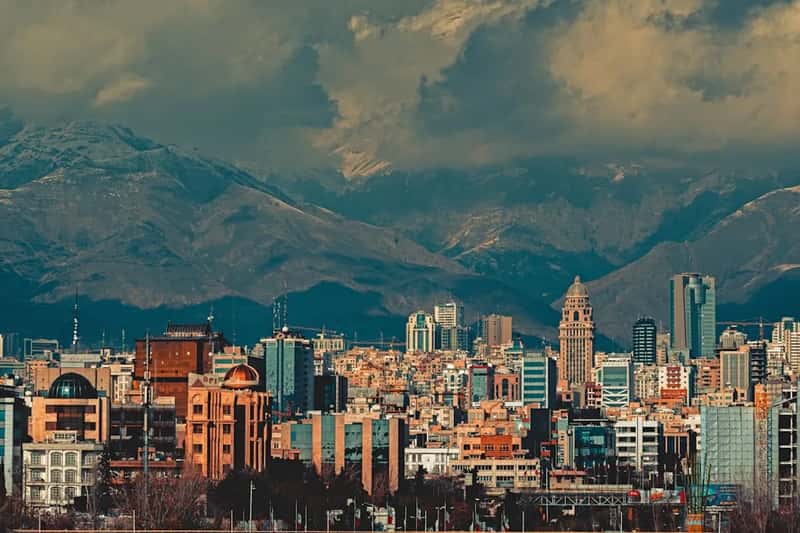
Iran ranks as one of the cheapest places in the world to fill a tank, a fact that stands out given the country’s broader economic isolation. Iran follows closely, with gasoline prices kept among the lowest globally through extensive government subsidies and price controls. The government treats cheap fuel as something close to a birthright for citizens, tying it to national identity as much as economic policy.
Prices have actually fallen further in recent years rather than climbing with global trends. Although not as drastic as Syria, Iran has also experienced a significant decrease in fuel costs in the last five years, with a drop of 50%, the country’s price going from $0.26 per gallon in 2021 to only $0.13 per gallon at present. Rationing and black-market resale remain persistent side effects of keeping prices this low.
Venezuela: oil riches meet economic turmoil
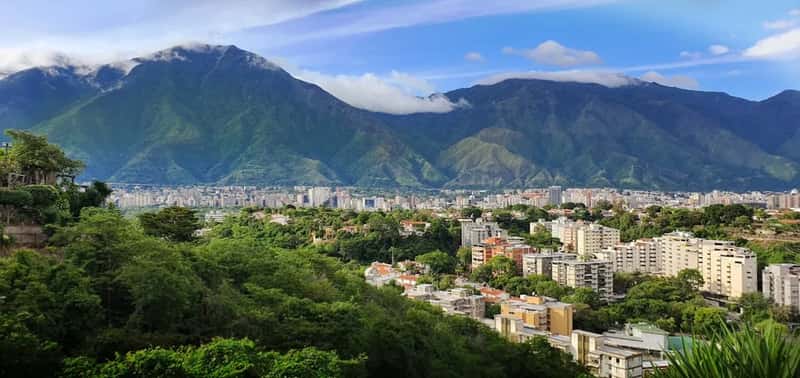
Venezuela holds one of the most extreme pricing stories on the planet, largely because of what sits beneath its soil. With the largest known reserves of crude oil in the world, Venezuela is in the top 3 of countries with the cheapest fuel, with drivers in the South American nation paying $0.16 per gallon. That number barely registers as a real transaction by international standards.
The catch is that this pricing model has never been sustainable in a healthy economic sense. It’s worth noting that these low prices have come at a significant cost for the nation, contributing to economic challenges and hyperinflation. Venezuela essentially gives away a resource that could otherwise generate substantial export revenue, a trade-off the government has made for political stability rather than fiscal prudence.
Angola: Africa’s other oil giant keeps prices low
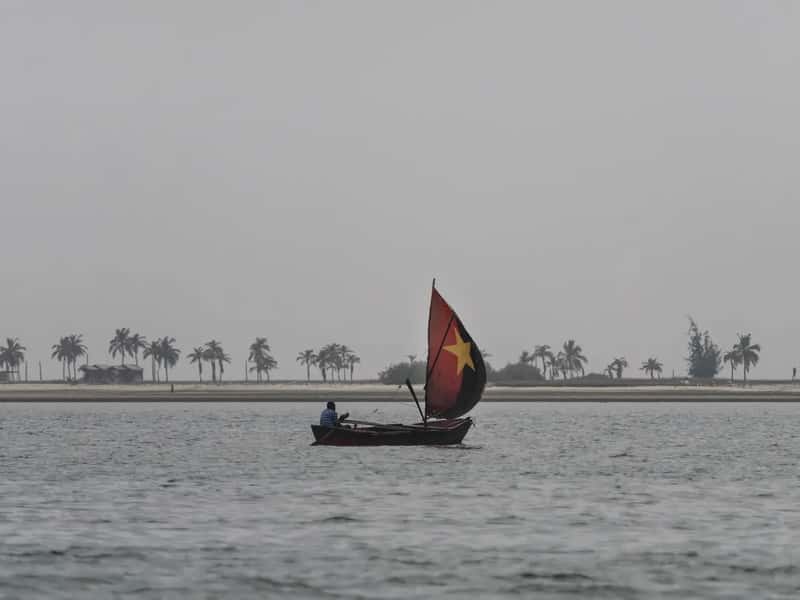
Angola rounds out the top tier of ultra-cheap fuel markets, largely on the strength of its own petroleum production. Due to heavy subsidies and domestic production, Libya, Angola, and Algeria maintain the cheapest fuel prices in Africa. Angola’s crude output places it among the continent’s largest producers, giving the government room to keep domestic prices artificially low.
Unlike some of its neighbors that rely heavily on imported refined fuel, Angola benefits from a more direct link between extraction and consumption. That domestic advantage has historically shielded Angolan drivers from the price spikes that hit import-dependent African nations whenever global crude markets get volatile. It’s a pattern seen across several oil-producing states, where geography and state ownership of resources translate directly into cheaper pumps.
Kuwait: fixed prices by government decree
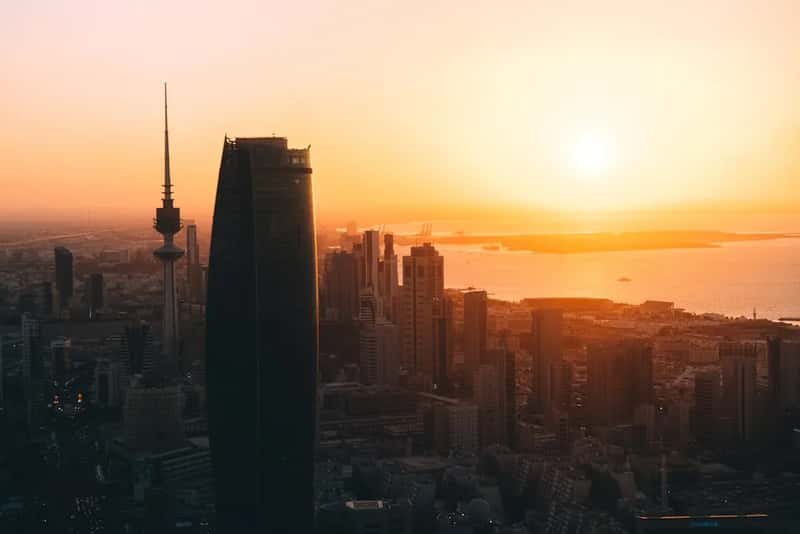
Kuwait doesn’t leave fuel pricing to the market at all. Kuwait maintains fixed fuel prices, with premium petrol priced at 85 fils per litre, regular petrol at 105 fils, and diesel and kerosene each set at 115 fils. Converted to dollars, that puts regular gasoline at roughly a quarter or so per liter, a figure confirmed by other tracking services that place it near the very bottom of the global scale.
What makes Kuwait notable is the deliberate policy stability behind the pricing. Gasoline prices in Kuwait have remained essentially unchanged for years, averaging around 0.26 USD per liter historically, with a record low of 0.17 USD per liter set back in 1998. The government treats predictable, cheap fuel as part of its broader social contract with citizens, funded by the country’s oil export revenue.
Algeria: North Africa’s subsidized fuel model
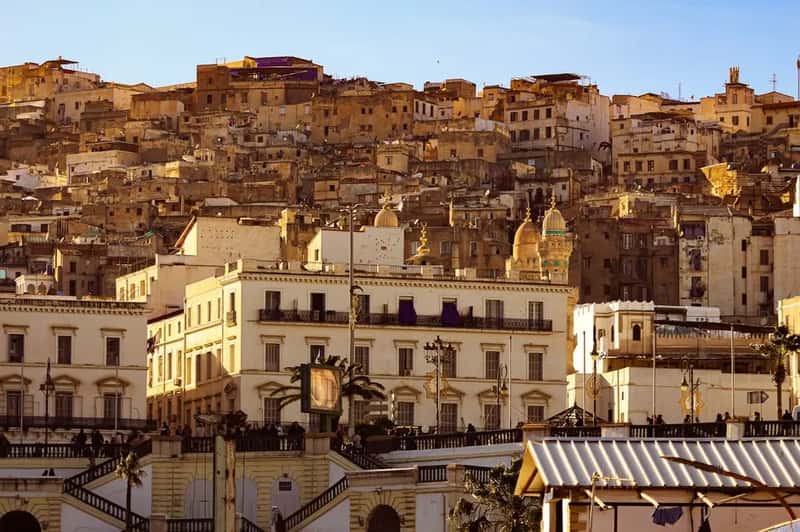
Algeria consistently appears near the top of any list ranking the world’s cheapest gasoline markets. Due to heavy subsidies and domestic production, Libya, Angola, and Algeria maintain the cheapest fuel prices in Africa. The country’s substantial natural gas and oil reserves give the state both the resources and the political incentive to keep pump prices low for its population.
Historical pricing data backs up just how consistent this policy has been over time. Fuel in Algeria has cost around $0.339 per litre in recent years, with the country’s vast oil and gas resources contributing to these low prices as the government continues to subsidise fuel costs, which helps support local economic stability. It’s a model many oil-rich nations in the region have followed, treating cheap fuel as a form of wealth redistribution.
Turkmenistan: a hidden gem for cheap fuel
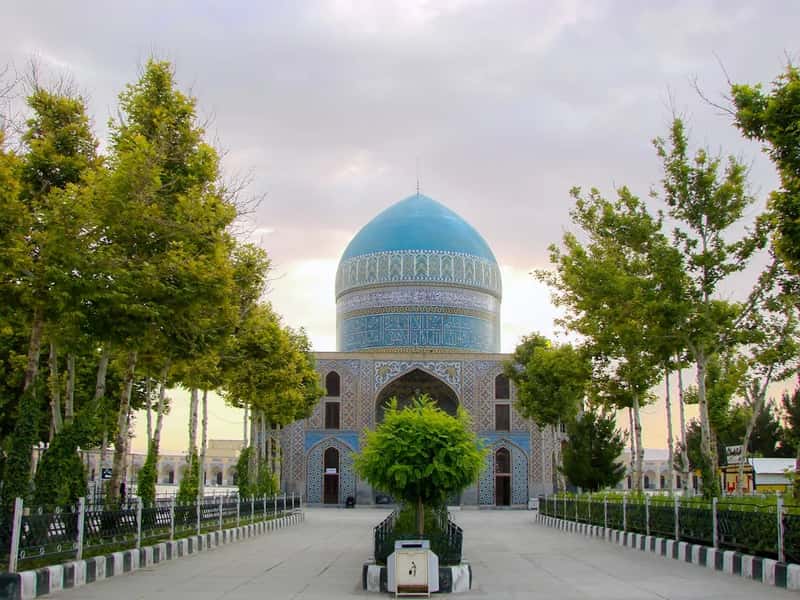
Turkmenistan rarely makes international headlines, but its fuel prices deserve attention. Regional pricing data places Turkmenistan among the very cheapest gasoline markets in Asia, with prices sitting just behind Kuwait in the region’s rankings according to Global Petrol Prices data for Asia, which lists Turkmenistan near the top of the cheapest countries with a price around $0.338 per liter.
The country’s massive natural gas reserves, among the largest in the world, give its government substantial leverage to subsidize domestic energy costs. Turkmenistan’s isolated political system and state-controlled economy mean fuel pricing decisions are made with little transparency, but the outcome for ordinary drivers is consistently inexpensive gasoline. It’s one of the more overlooked entries on the global cheap fuel list, largely because the country receives so little international economic coverage.
Egypt: subsidies stretched by economic pressure
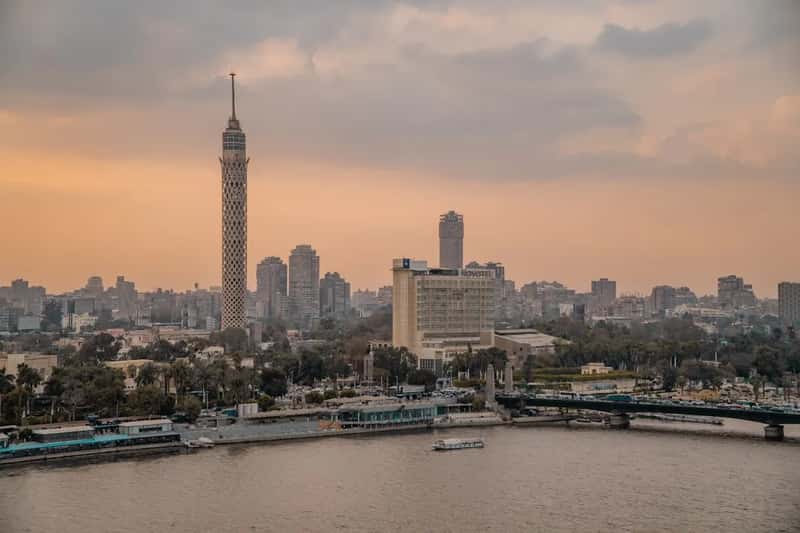
Egypt earns its spot among the cheapest fuel markets through a combination of domestic production and long-standing government subsidies. Fuel in Egypt remains affordable, priced at $0.336 per litre, reflecting substantial investment in the country’s oil and gas sector along with government subsidies to maintain lower fuel prices for the public. More recent pricing places Egypt slightly higher but still firmly in the cheap tier globally.
Egypt has faced real fiscal strain in maintaining this policy, particularly as the country navigates currency devaluation and rising import costs. Even so, one comparative pricing index found Egypt to be the cheapest of the twenty countries surveyed, according to data showing gasoline priced at $0.46 per liter in Egypt, the lowest among the twenty countries tracked. The government continues to view cheap fuel as politically essential, even as subsidy costs weigh on the national budget.
Hong Kong: the most expensive gasoline in the world

At the opposite extreme sits Hong Kong, which has held the title of priciest gasoline market for years running. Hong Kong leads globally at $15.65 per gallon, followed by European countries like the Netherlands and Denmark, as well as countries such as Malawi and Israel. In per-liter terms, recent tracking puts the figure above four dollars, making it more than double the global average by a wide margin.
The reasoning behind such steep pricing is largely deliberate. Hong Kong has the most expensive market-priced petrol in the world, a function of high government duty designed to discourage car ownership in a dense city-state. With limited road space and a heavily built-up urban core, authorities use fuel taxation as a tool to manage congestion rather than simply as a revenue source.
Malawi: high costs despite low incomes

Malawi’s position on this list stands out because it isn’t a wealthy nation, yet its fuel prices rival those of much richer countries. Consumers in Malawi paid the highest price for gasoline in Africa as of mid-2026, with one liter of fuel costing on average 3.24 U.S. dollars in the country. That places Malawi second globally behind only Hong Kong on several major tracking indexes.
Unlike Hong Kong’s deliberate taxation strategy, Malawi’s high prices stem largely from its complete dependence on imported refined fuel and persistent foreign currency shortages. The country has no domestic oil production to fall back on, so global price swings and currency depreciation hit consumers directly and hard. For a nation with one of the lower average incomes in the region, this combination makes gasoline a genuinely painful household expense.
Israel: taxation as environmental and fiscal policy
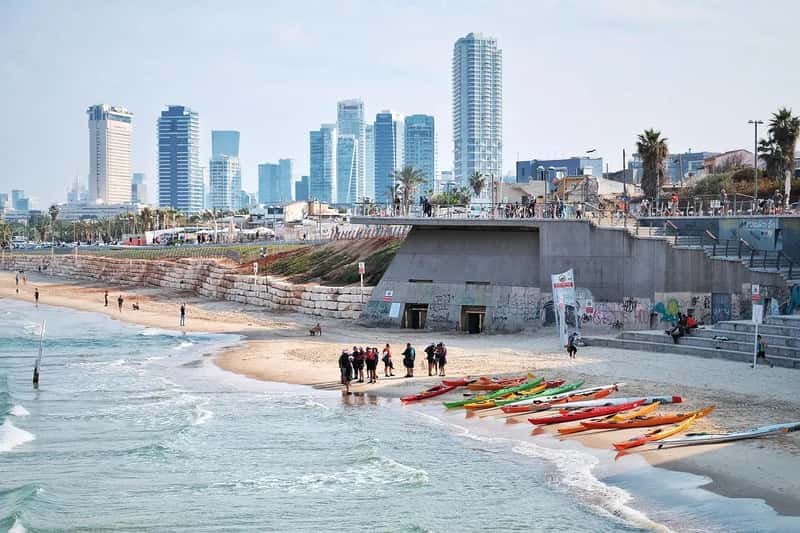
Israel consistently ranks among the world’s most expensive gasoline markets, driven almost entirely by taxation rather than supply constraints. Recent pricing data placed Israel at $2.855 per liter, among the highest of any country tracked. That figure puts Israeli drivers firmly in the same expensive tier as several wealthy European nations.
The government uses fuel taxes for multiple purposes at once, blending revenue generation with environmental goals. High fuel taxes in these states are aimed at replenishing the budget, stimulating resource conservation and developing alternative transportation. Given Israel’s small geographic footprint and growing public transit investment, policymakers have leaned on expensive gasoline as a lever to shape driving habits over time.
Denmark: Scandinavian taxes hit the pump hard
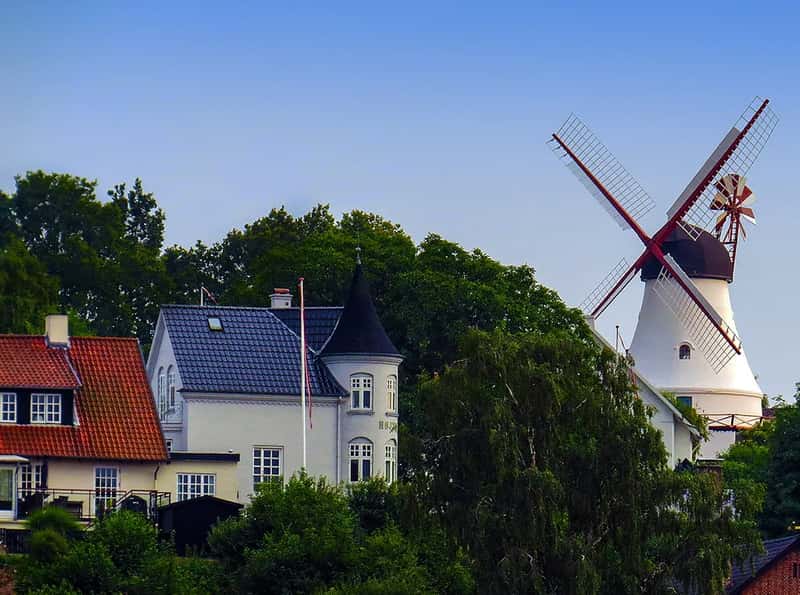
Denmark has long been known for high consumer prices across nearly every category, and gasoline is no exception. Pricing data from mid-2026 placed Denmark at $2.758 per liter, among the highest figures recorded globally. That consistently lands the country inside the world’s top five most expensive gasoline markets.
Denmark’s tax structure reflects a broader Nordic approach to funding public infrastructure and pushing environmental behavior through pricing. European countries are also among the leaders in terms of high cost, with high fuel taxes in these states aimed at replenishing the budget, stimulating resource conservation and developing alternative transportation. Combined with the country’s already high cost of living, Danish drivers face some of the steepest fuel bills on the continent.
Netherlands: Europe’s priciest pump prices
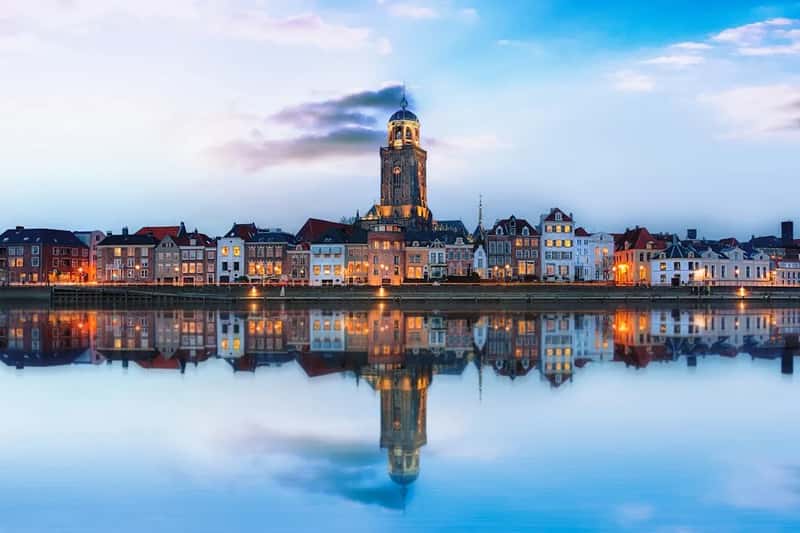
The Netherlands consistently sits among the most expensive countries for gasoline anywhere in the European Union. The Netherlands is the most expensive in the EU at €2.18 per liter, about $8.90 per gallon equivalent, followed closely by Italy and France. That places Dutch drivers squarely in the same expensive bracket as Denmark and Israel.
Heavy excise duties explain most of the gap between the Netherlands and cheaper European neighbors. The Netherlands holds its spot near the top with prices averaging around $10.81 per gallon, with fuel tax likely one of the key reasons for the high petrol cost. The country’s dense population and strong push toward cycling and public transit alternatives have made high fuel taxation a politically viable, even popular, policy tool.
The pattern across these thirteen countries makes one thing clear: gasoline prices rarely track the actual cost of extracting or refining oil. Instead, they reflect political choices about subsidies, taxation, and what kind of driving behavior a government wants to encourage or discourage. A driver in Tripoli and a driver in Hong Kong might be filling up the exact same type of car, yet their financial experience at the pump couldn’t be more different.