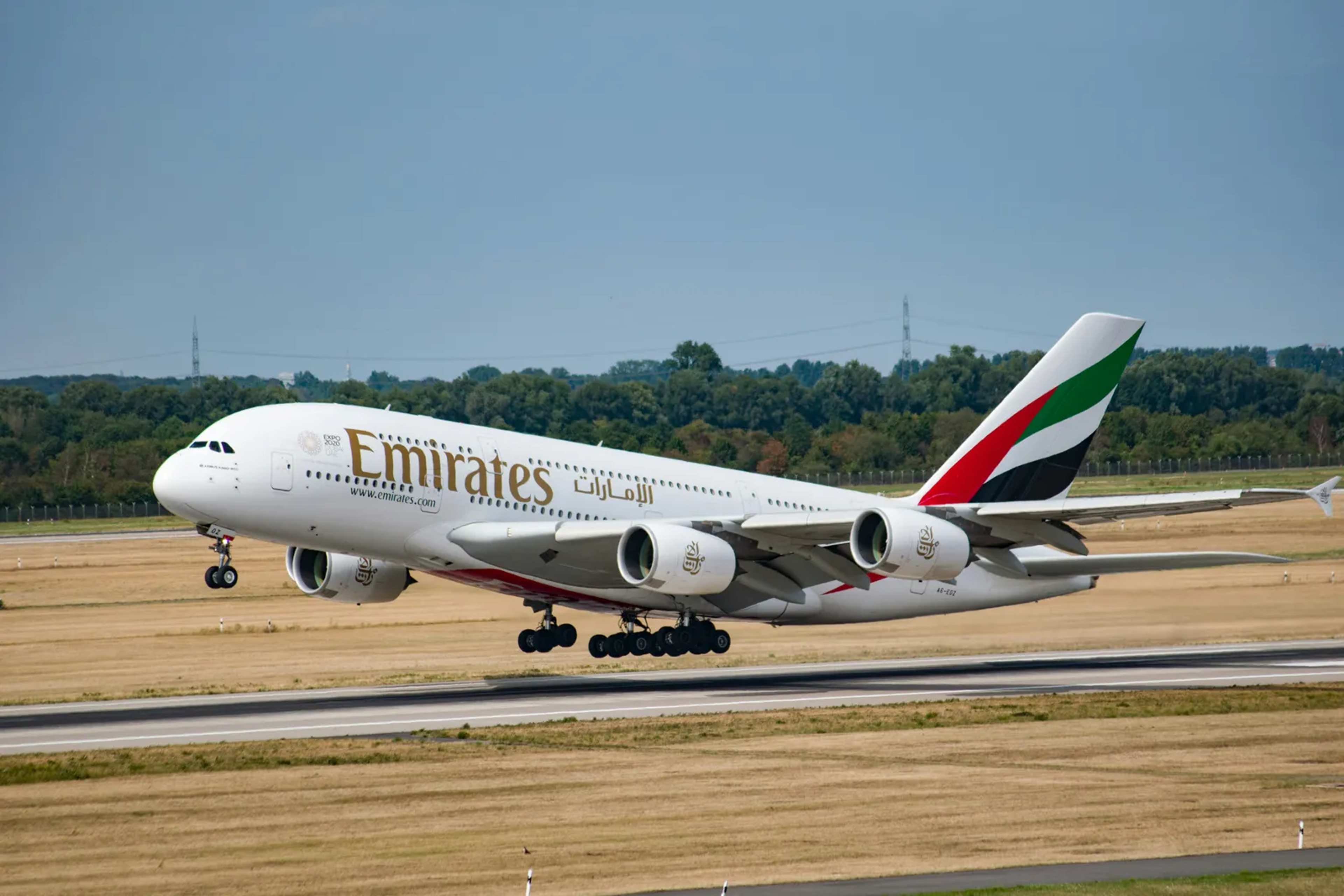
Traveling without knowing the local language used to mean pointing at menus and hoping for the best. These days, in a handful of countries, that worry barely registers because English has become part of everyday public life, not just something reserved for hotel lobbies and airport signage. Some of these places speak English natively, others have simply built it so deeply into education and business that fluency is the norm rather than the exception.
Netherlands
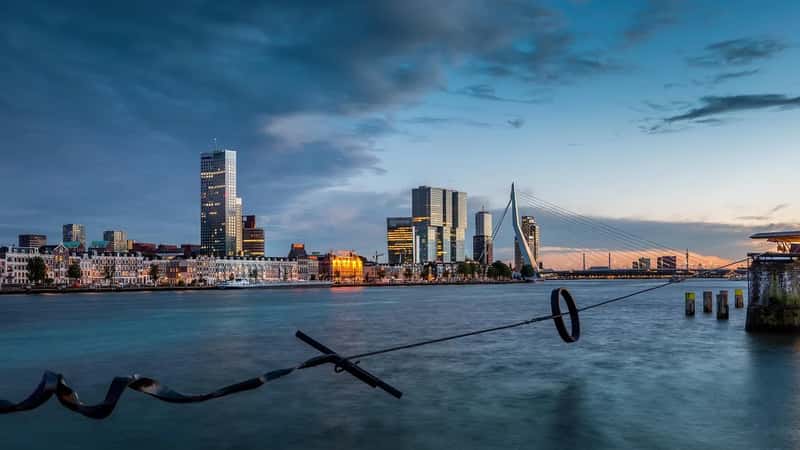
The Netherlands sits at the very top of global English rankings, and it has for years. The Netherlands scored 624 points, placing it in the very high proficiency band according to the 2025 EF English Proficiency Index, which now covers 123 countries and regions. Walk into a café in Rotterdam or a bike shop in Utrecht and the switch to English happens almost instantly, often before you’ve finished your first sentence in broken Dutch.
Dutch schools teach English from a young age, and the country’s small size combined with heavy exposure to international trade has made bilingualism practically a national trait. The Netherlands ranks number 1 of 123 countries and regions, with very high proficiency in the latest index. For visitors, this means everything from train announcements to museum tours tends to come with flawless English as a backup, sometimes even as the default.
Singapore
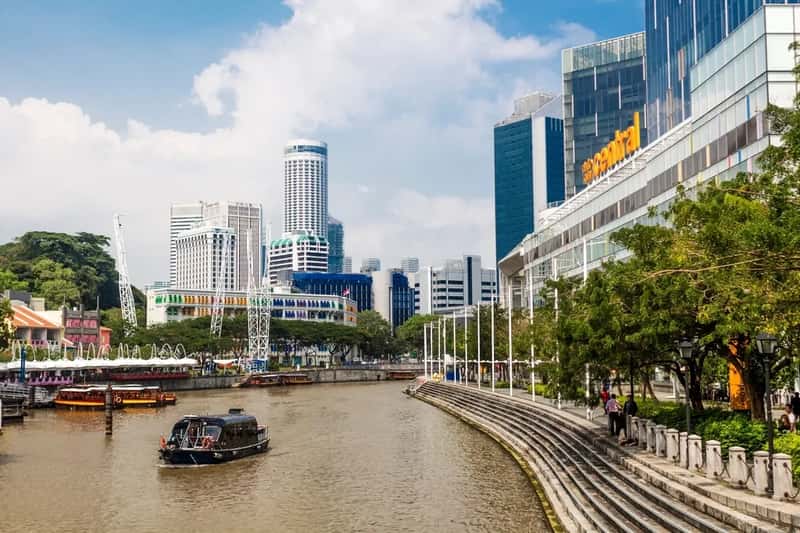
Singapore used to top English proficiency charts in Asia year after year, but the story has actually changed in a notable way. Singapore, which had long ranked highly and was frequently the top performer in Asia in earlier editions, was excluded from the index since 2025 after being re-classified as a native English-speaking country. That reclassification says a lot on its own: English isn’t just widely spoken there, it’s treated as a first language alongside Malay, Mandarin, and Tamil.
Street signs, government forms, and even hawker stall menus in Singapore are printed in English as standard practice. English is an official language and Singapore is Asia’s safest city-state, which combines nicely for visitors who want both linguistic ease and peace of mind while exploring. This is one of the rare Asian destinations where a tourist truly never needs to learn a single local phrase to get around comfortably.
Denmark
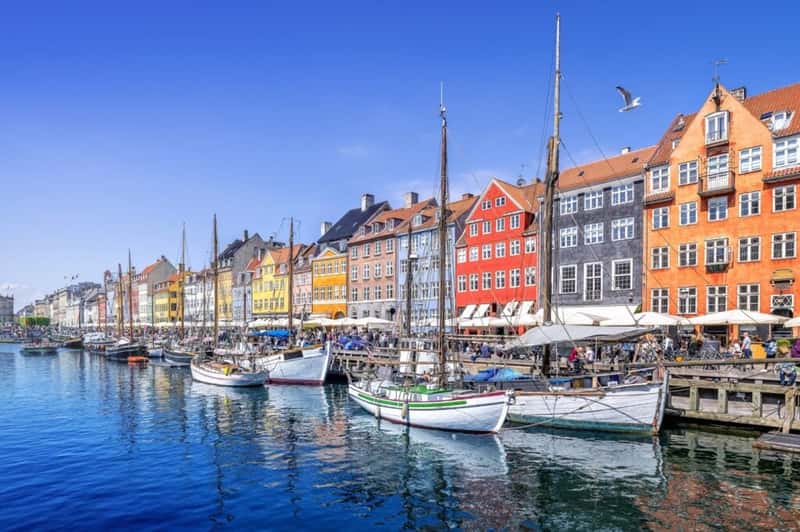
Denmark keeps close company with the Netherlands near the top of every proficiency list, and the reputation holds up in daily encounters. Denmark scored 611 points, landing it in the very high proficiency band in the 2025 EF EPI results. Copenhagen in particular functions almost as a bilingual city, with staff in shops, restaurants, and public transport switching to English without hesitation.
What makes Denmark stand out for tourists isn’t just fluency, it’s the ease with which locals engage. Danes are friendly and low stress, often switching to English without missing a beat, making it easy to feel welcome anywhere in the country. Outside the capital, smaller towns and coastal areas maintain the same comfort level, so there’s little risk of hitting a communication wall even off the beaten path.
Norway
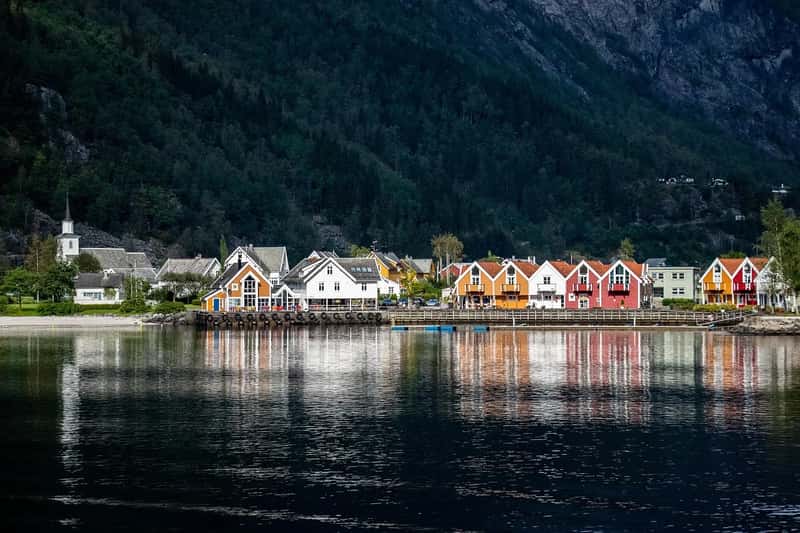
Norway’s English proficiency isn’t confined to its cities, which is part of what makes it such a relaxed destination for English-only travelers. Norway scored 613 points, placing it in the very high proficiency band in the newest EF ranking, putting it just behind Denmark. The country’s education system emphasizes English heavily from primary school onward, and decades of oil-industry ties to international business have reinforced that foundation.
Travelers heading into Norway’s more remote fjord regions or northern towns often expect language gaps, but they rarely find them. Norway is strong across all ages, and even in remote areas travelers feel understood, with the whole experience quiet, scenic, and surprisingly simple. That consistency across both urban and rural areas is fairly rare, even among countries known for strong English skills.
Sweden
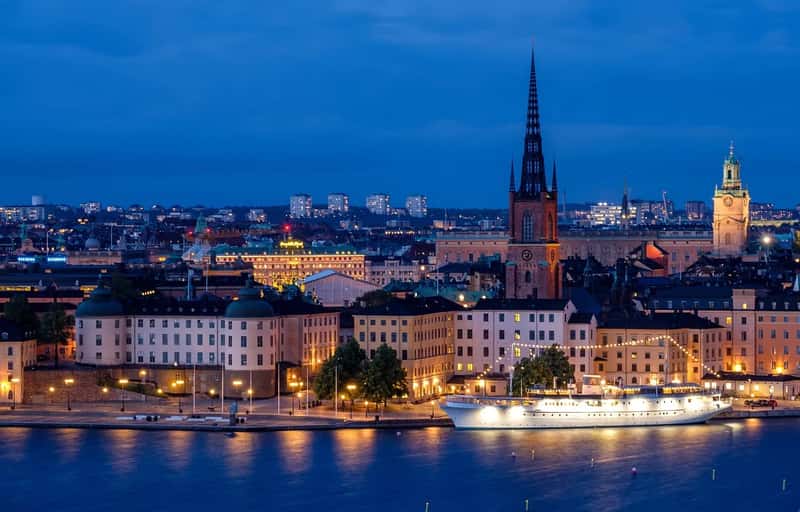
Sweden rounds out the Nordic cluster of countries where English functions almost like a second native tongue. Sweden scored 609 points, placing it in the very high proficiency band in the 2025 index, keeping it firmly among the world’s top performers. Stockholm’s mix of design museums, tech startups, and international students has only reinforced how normalized English has become in daily interactions.
It’s not only the big cities where this shows up either. Sweden is calm, modern, and incredibly easy to navigate, with English blending naturally into daily life even outside the cities. For a tourist, that translates into everything from farmers markets to regional bus systems being accessible without a translation app in sight.
Finland
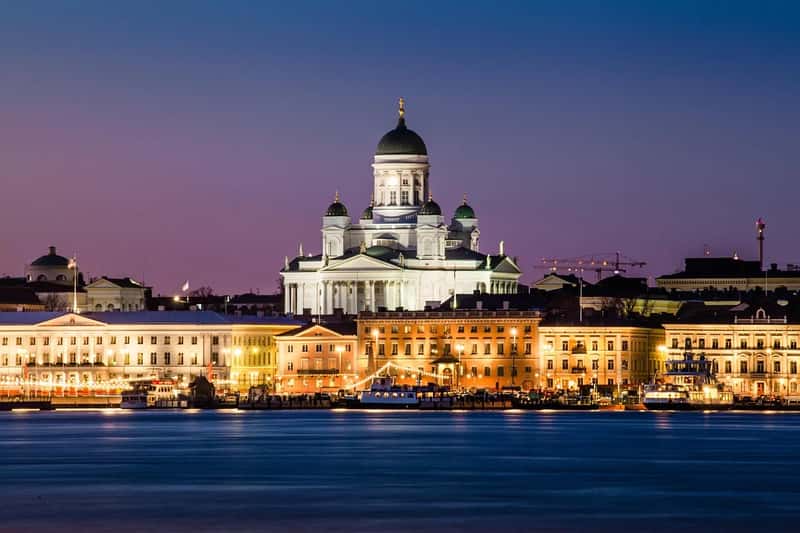
Finland doesn’t always get the same spotlight as its Nordic neighbors, but it belongs in the same conversation when it comes to English fluency. Finland scored 603 points, placing it in the very high proficiency band according to the latest EF data. Finnish schools introduce English early and treat it as an essential skill rather than an optional subject, which shows in how comfortably locals switch languages mid-conversation.
Helsinki tends to be the easiest entry point for visitors testing the waters. Finland is one of the most visitor-friendly places in Europe, with English widely spoken and a calm, helpful pace, especially in Helsinki. Beyond the capital, Finland’s smaller cities and even remote Lapland tour operators generally cater to English speakers as a matter of course, given how much of the country’s tourism economy depends on international visitors.
Malta

Malta occupies a slightly different category from the Nordic countries on this list, since English is actually one of its two official languages alongside Maltese. That status traces back to British colonial rule, but it has stuck around not out of habit, rather because it remains genuinely useful for trade, education, and tourism. Government documents, road signs, and school curricula in Malta all operate in English as a matter of routine, not as an accommodation for visitors.
For tourists, this means the entire island runs in English without the slightly formal, learned quality found in some very high-proficiency non-native countries. Locals in Valletta or the seaside towns of Sliema and St. Julian’s typically speak English as comfortably as Maltese, switching between the two depending on who they’re talking to. It’s one of the few Mediterranean destinations where a traveler can expect native-level ease without needing a single word of the local language.
South Africa

South Africa often surprises travelers who assume English fluency is mostly a European or East Asian phenomenon. South Africa scored 602 points, tying for the very high proficiency band in the 2025 EF EPI, putting it on par with several wealthy European nations. English is one of the country’s eleven official languages, and it functions as the primary language of business, media, and most tourism infrastructure.
Cape Town, Johannesburg, and the Garden Route corridor all cater heavily to English-speaking visitors, from safari guides to hotel staff to restaurant menus. South Africa ranks 13th globally in the Very High proficiency band, reflecting decades of English being woven into the education system alongside indigenous languages. For a first-time visitor to the African continent, South Africa offers a rare combination of dramatic landscapes and wildlife experiences without any language learning curve at all.