Europe’s most photographed squares and busiest metro platforms have something else in common besides crowds of camera-wielding visitors. Across several major cities, police departments and travel-safety analysts are flagging a steady rise in pickpocketing incidents tied directly to tourism density. The pattern isn’t random either, since certain landmarks, transit lines, and plazas show up again and again in crime reports and traveler complaints.
What’s changed in the past two years is less about new locations and more about volume. Larger crowds, cashless payment habits that leave people distracted, and organized theft rings working in shifts have combined to push certain hotspots higher on safety watchlists heading into 2026.
Barcelona’s La Rambla and metro network
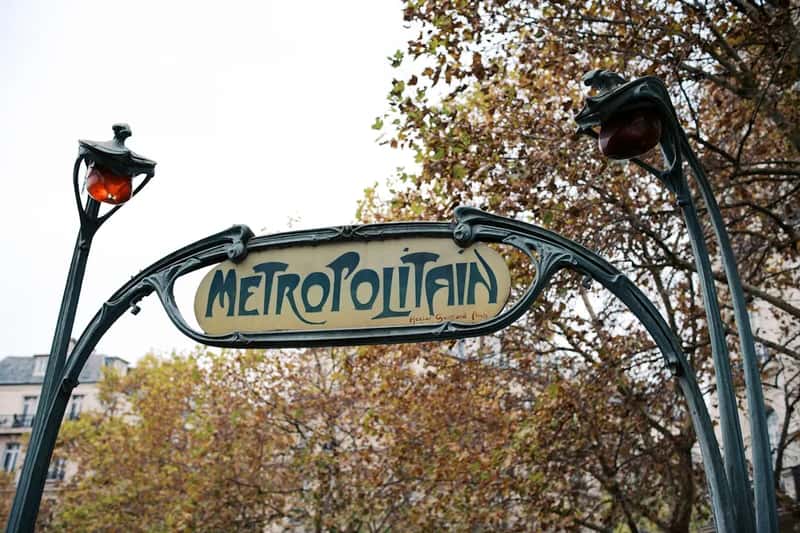
Barcelona has carried an uncomfortable reputation for years, and the numbers back it up. In 2023, Barcelona recorded 100,944 pickpocketing incidents, and theft accounted for 48.1% of all crime in the city, according to the Barcelona City Council’s own crime statistics. The lower stretch of La Rambla near the port, along with the Gothic Quarter and metro Lines 1 and 3, remain the areas most frequently cited in complaints from visitors.
There’s a genuine counter-trend worth noting, though. Police launched the Pla Kanpai, a dedicated operation targeting repeat offenders across the metro, bus network, and central streets, and in 2025 identified 266 repeat offenders who had collectively accumulated 1,776 prior arrests between them. According to the Mossos d’Esquadra, 85 multi-offenders with criminal records were detained between January and June 2026 alone, four times the figure from the same period in 2025.
Paris and the Eiffel Tower corridor
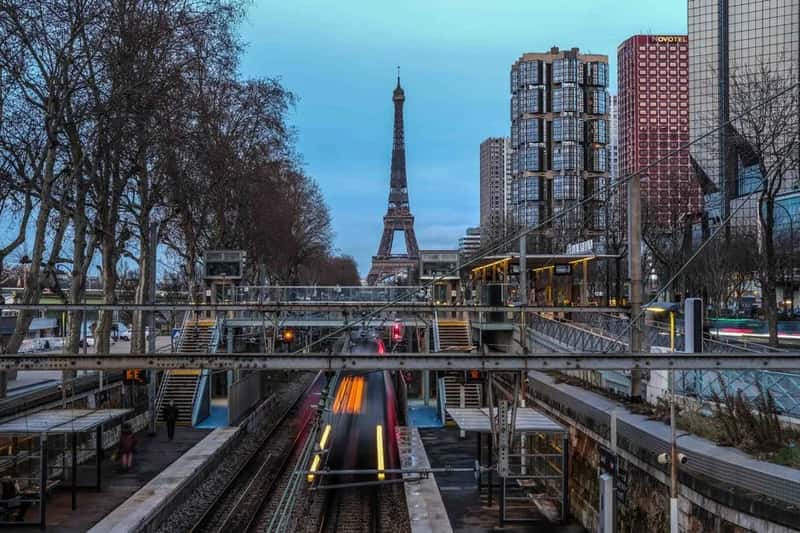
Paris has taken over the top spot in several recent global rankings of theft-related traveler complaints. Paris is the pickpocket capital of the world, accounting for 16.5% of all theft-related reviews analysed in the past year. The Eiffel Tower and its surrounding metro access points draw particular attention, since dense crowds of photo-takers create easy openings for distraction thefts.
The city’s metro system compounds the problem in specific corridors. People are advised to exercise extra caution, especially on lines 1, 2, 4, 6, 8, 9, and 12, which are often used by tourists and the RER train from Charles de Gaulle airport to and from Paris. Some officials have pointed to staffing changes on the transit network as part of the explanation, noting that the increase in thefts and pickpocketing on the metro are partly attributed to the recent decrease in the police officers patrolling the public transport system in Paris.
Rome’s Trevi Fountain and Metro Line A

Rome’s ancient sites draw enormous foot traffic, and theft has climbed alongside it. The city reported a 68% increase in pickpocketing between 2019 and 2024, alongside a broader 23% rise in overall crime. A separate accounting of 2024 figures found the situation even sharper, with Rome experiencing a 51.3% rise in reported robberies in 2024, with pickpocketing incidents surging to 33,455 cases.
The geography of the problem is fairly consistent across sources. The Trevi Fountain, which now draws thousands of visitors per hour, the Colosseum, Piazza di Spagna, and the area around Termini station are the most commonly cited hotspots, with Metro Line A running from the main station to the Vatican Museums. Visitors clustered around fountains and monuments tend to have their attention split between their surroundings and their phones, which is precisely the window thieves rely on.
Prague’s Old Town and Charles Bridge

Prague’s compact, walkable center works against it in this particular respect. Prague’s compact tourist center means that millions of visitors are concentrated in a small area. That density has kept the city near the top of recent comparative rankings, with Prague ranking third on the list, with 6.51 combined mentions for scams and pickpockets per 1,000 reviews.
The specific pressure points around the city are well documented at this stage. Worst spots include Charles Bridge, Old Town Square, Wenceslas Square, tram lines 22 and 23, and the Prague Castle entrance queues. Old Town Hall and the Astronomical Clock remain the most targeted areas, where large crowds allow thieves to operate unnoticed.
Athens around Monastiraki and Syntagma

Athens sits lower on most overall crime indexes than its western European counterparts, yet pickpocketing has become a more visible concern in specific pockets. Athens has emerged as a growing pickpocket hotspot, particularly around the Monastiraki flea market, the Athens metro, and the Plaka district below the Acropolis, with the Syntagma Square metro station, the busiest in the city, seeing regular reports of theft. Organized groups rather than lone opportunists appear to be behind much of the recent activity.
Authorities have responded with visible enforcement, though the terrain makes policing difficult. The Hellenic Police have increased patrols, but the narrow, crowded streets of the tourist center remain challenging to police effectively. Even so, context matters here, since the Greek capital records roughly eight times fewer theft reports than Paris, and pickpocketing rates at major tourist sites like the Acropolis and Plaka run at about 1.2 incidents per 1,000 visitor reviews, well below the rates at equivalent sites in Rome, Barcelona, or Paris.
Naples and the Circumvesuviana line

Naples has long carried a rougher reputation than most Italian tourist stops, and the train line connecting the city to Pompeii and Sorrento is central to that image. The screens in public transportation stations in Naples always warn people against pickpockets, and Naples is known for petty and sometimes not-so-petty crimes. Travelers heading to the archaeological sites often pass through the exact stations where theft complaints cluster.
Ticket counters themselves have become a point of vulnerability. Travelers are advised to keep their guard up on the Circumvesuviana train to and from Pompeii and Sorrento, Piazza Garibaldi, and Stazione Napoli Centrale, and there is a reputation for people getting pickpocketed shortly after buying train tickets. The moment someone returns a wallet to a pocket or bag after a purchase is, according to multiple travel guides, exactly when a nearby thief tends to strike.
Amsterdam’s trams and Dam Square
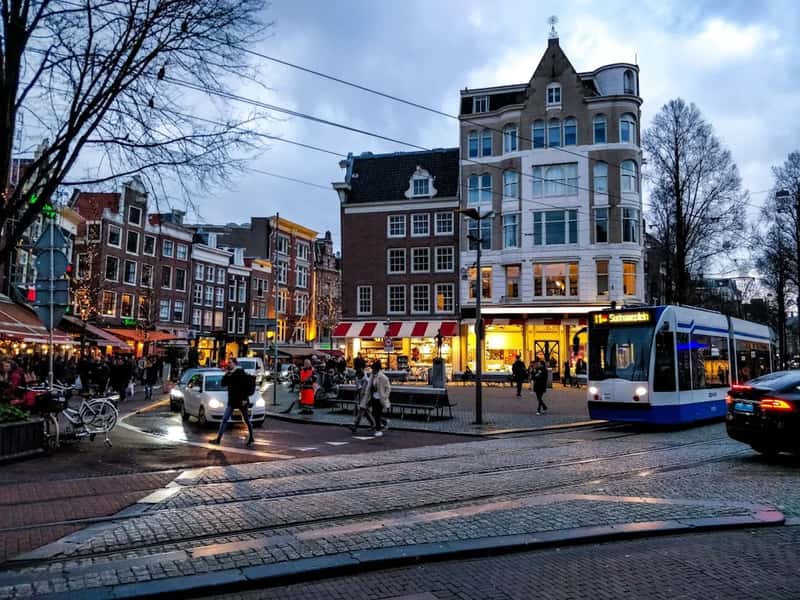
Amsterdam’s canals and bike lanes give it a relaxed reputation, but its public transport tells a different story. Pickpockets in Amsterdam mainly target unsuspecting tourists using crowded buses, trams, and ferries, and crowded touristy places like Dam Square and the Red Light District are also hotspots for pickpockets. The combination of narrow sidewalks and heavy foot traffic in the old center creates the same crowding effect seen in other European hotspots.
Timing plays a noticeable role in Amsterdam specifically. More pickpocketing cases are reported during the city’s festivals, like King’s Day and Amsterdam Pride, when the streets, bars, cafes, and pubs are more crowded. Visitors planning trips around these events are generally advised to keep bags zipped and phones out of back pockets, given how predictable the seasonal spike has become.
Madrid’s Puerta del Sol and El Rastro market
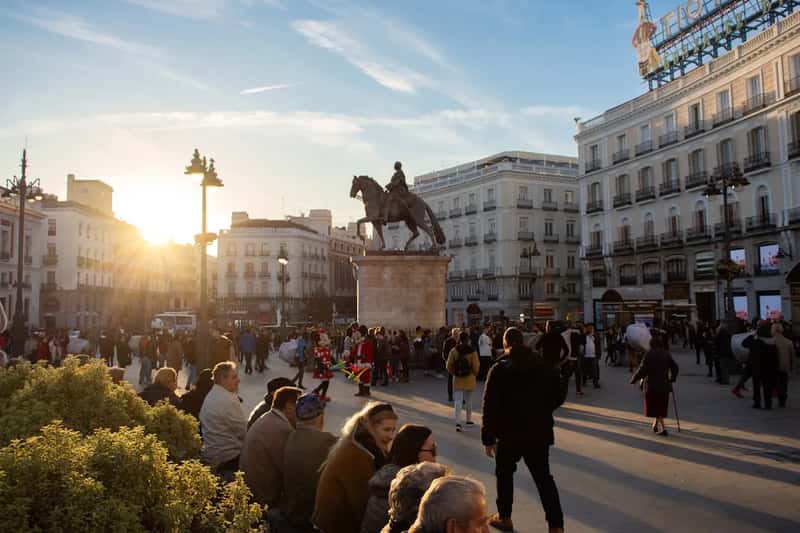
Madrid rarely tops global rankings the way Barcelona or Paris does, but specific corners of the Spanish capital see consistent theft complaints. Madrid has hotspots around Puerta del Sol, El Rastro market on Sundays, and the busiest transit corridors in the city center. The flea market’s weekly crowds in particular create the kind of dense, slow-moving foot traffic that pickpockets favor.
Recent regional data adds some useful context for the broader country. In the year 2022, Spain had the highest rate of robbery incidents in the whole of the European Union, with 131.8 thefts per 100,000 inhabitants. Madrid’s central shopping and transit corridors sit squarely within that national pattern, even if the city itself doesn’t draw quite the same international attention as its Catalan counterpart.