
Education shapes nearly everything else about a country’s future, from life expectancy and wages to political stability and how well a nation adapts to crises. Yet the gap between the world’s strongest and weakest education systems remains enormous, even in 2026. On one end sit nations where children average barely a year or two of schooling in their entire lives. On the other, countries have built systems where a university degree is almost the default outcome for young adults.
The following list draws on UNESCO literacy data, the OECD’s Education at a Glance 2025 report, and the United Nations Development Programme’s Human Development Index. It looks first at the eight countries currently struggling the most with basic literacy and schooling access, then closes with the three nations that have pulled furthest ahead in educational attainment.
1. Chad
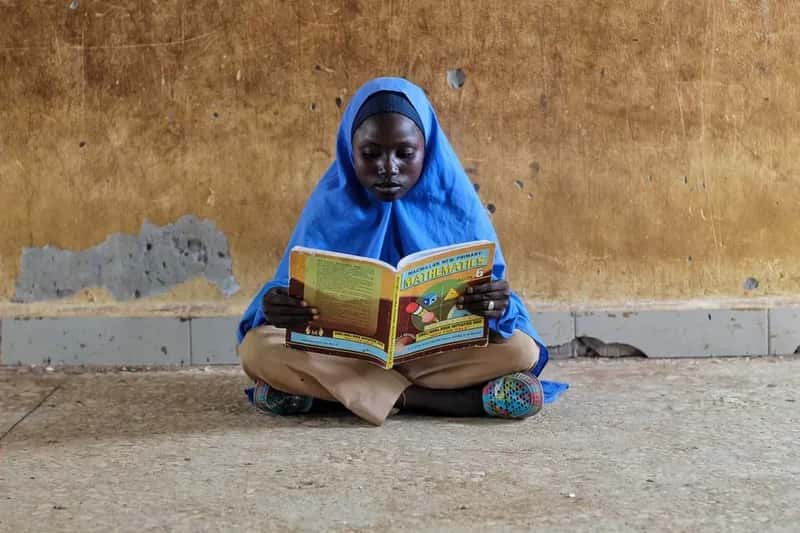
Chad currently holds the unfortunate distinction of having the lowest adult literacy rate anywhere in the world. The lowest literacy rates are concentrated in countries such as Mali, Chad, and South Sudan, where access to education remains limited. Chad’s adults average just 2.3 years of schooling. That’s barely enough time to learn to read a simple sentence, let alone build the kind of foundation needed for stable employment later in life.
The gender divide in Chad is especially stark. In Chad, female literacy is just 18.2%, compared to 35.4% for men. In these countries, the gap is driven less by policy bans and more by the economics of poverty: when families can only afford to send one child to school, sons are prioritized, early marriage pulls girls out of education, and a shortage of female teachers discourages families from enrolling daughters. Chronic poverty, limited school infrastructure, and years of regional instability have combined to keep Chad locked at the very bottom of nearly every global education ranking.
2. Mali
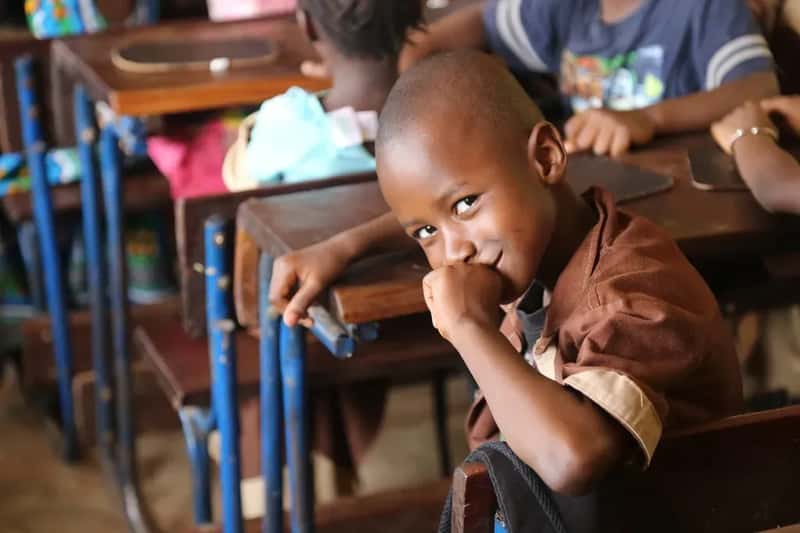
Mali sits right alongside Chad at the bottom of the world’s literacy tables. Mali’s literacy rate remains around 31%, with insecurity, poverty and limited access to schools leaving adults with an average of just 1.6 years of education. To put that in perspective, that’s not even enough time to complete a single full year of dependable classroom instruction for most children.
The country’s Education Index score reflects just how deep the problem runs. Mali is just above Niger at 0.248 on the Education Index. In Mali, the gender split in literacy is 25.7% for women versus 46.2% for men. Political instability and armed conflict in the country’s north have repeatedly forced school closures, undoing years of slow progress in a matter of months.
3. South Sudan
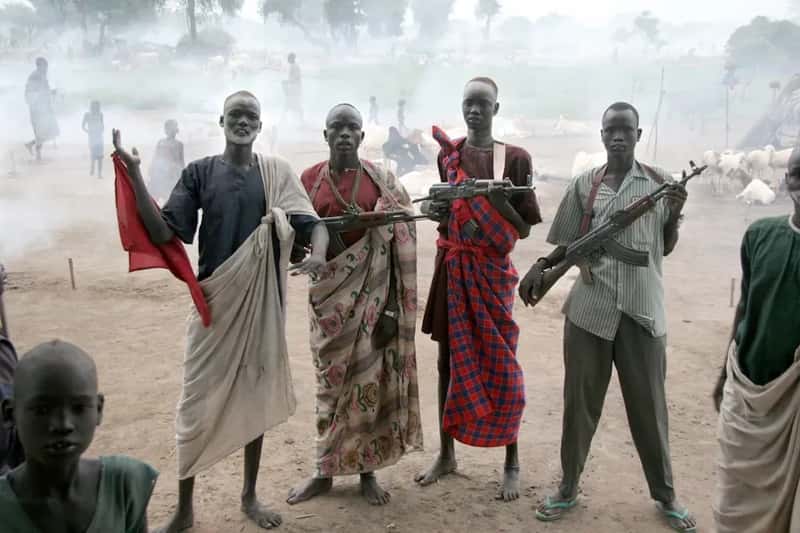
South Sudan continues to struggle with one of the lowest literacy rates on the planet, a situation compounded by ongoing instability. South Sudan’s literacy rate may not have improved much in recent years due to multiple challenges the country has been grappling with, including conflicts, floods, the impact of COVID-19, and economic crisis, a view shared by UNICEF’s own Education Officer. The youth literacy rate for those aged 15 to 24 is slightly higher, suggesting some slow generational progress, though the gender gap persists, limiting opportunities for young women and girls.
There have been genuine bright spots, even if fragile ones. The UK-funded Girls’ Education South Sudan programme has provided cash transfers to roughly a million girls since 2014, with successor programmes continuing support into 2024 and 2025. Still, humanitarian crises and repeated flooding keep interrupting the school calendar for tens of thousands of children each year, making sustained improvement difficult to lock in.
4. Niger
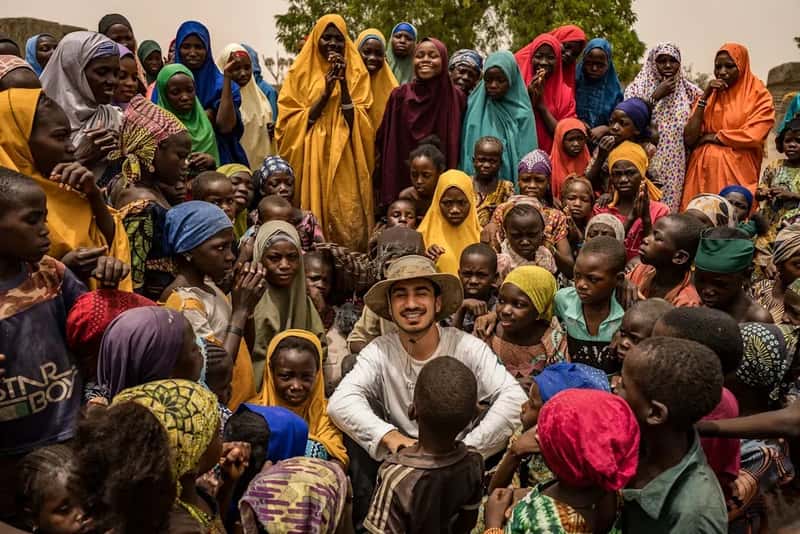
Niger presents perhaps the starkest numbers of any country when it comes to years spent in a classroom. Of all countries tracked by the UN’s Human Development Index, Niger has the lowest average for educational attainment, at just 1.4 years of schooling out of an expected 8.3. That gap between what children are expected to receive and what they actually get is among the widest recorded anywhere in the world.
Underlying causes are layered and stubborn. Socio-cultural factors, early marriage, and conflict remain the primary barriers to literacy across Niger. Niger currently scores just 0.243 on the UN’s Education Index, the lowest of any country tracked. Even where schools remain open, instability across the Sahel region continues to threaten both students and teachers alike.
5. Afghanistan
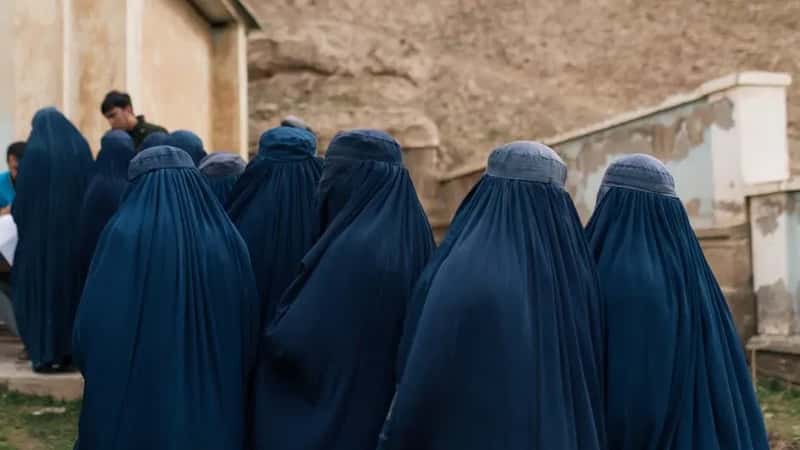
Afghanistan’s education crisis has worsened dramatically in recent years due to policy, not just poverty. Afghanistan is the only country in the world that has formally banned girls from attending secondary school and university, a decree imposed by the Taliban after the 2021 takeover that reversed two decades of progress. The consequences of that ban are now showing up clearly in the country’s literacy statistics.
The gender gap in Afghanistan is now the widest recorded anywhere. In Afghanistan, the male-female literacy gap is 29.5 points, with 52.1% of men able to read compared to only 22.6% of women, the lowest female literacy rate of any country in the dataset. According to UNESCO, 78% of young Afghan women are now neither in education, employment, nor training, and the country’s female literacy rate is almost certain to fall further as a generation of girls grows up without access to classrooms.
6. Central African Republic
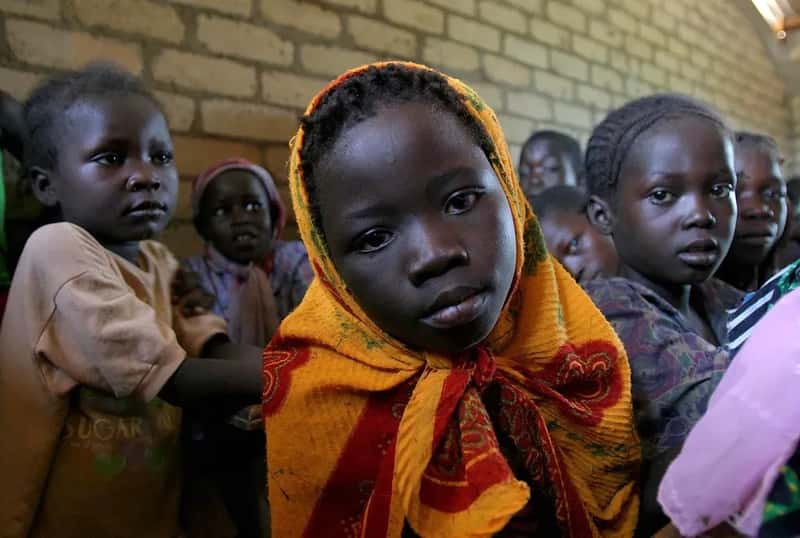
The Central African Republic continues to rank among the world’s least literate nations, held back by chronic instability. Civil conflict, poor infrastructure and a severe shortage of teachers have kept literacy in the Central African Republic at around 37.5%. That figure places the country firmly among the handful of nations where fewer than four in ten adults can read a simple sentence.
Decades of coups, rebel activity, and displacement have left the national school system chronically underfunded and understaffed. Many rural regions have no functioning school at all, forcing families to choose between sending children on long, sometimes unsafe journeys to the nearest classroom or keeping them home entirely. Humanitarian agencies have made incremental gains in recent years, but the country’s overall trajectory remains fragile.
7. Somalia
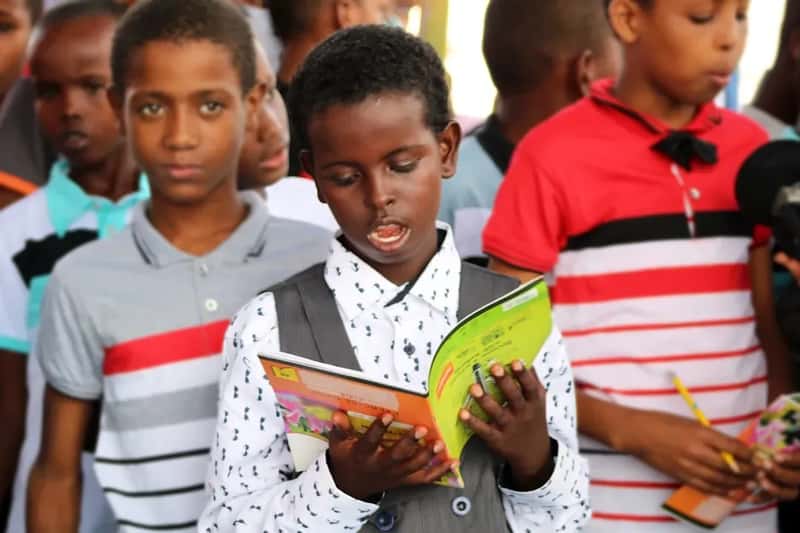
Somalia’s education system has been shaped by more than three decades of conflict and weak central governance. Decades of conflict and weak institutions have left more than three million Somali children out of school, contributing to an adult literacy rate of about 41%. That’s a staggering number of children entirely outside the formal education system in a single country.
Rebuilding schools and training teachers remains an uphill task in regions still affected by insurgent activity. Displacement from both conflict and repeated droughts has made consistent school attendance nearly impossible for many families. International aid organizations continue working to expand access, though progress remains slow and geographically uneven.
8. Guinea
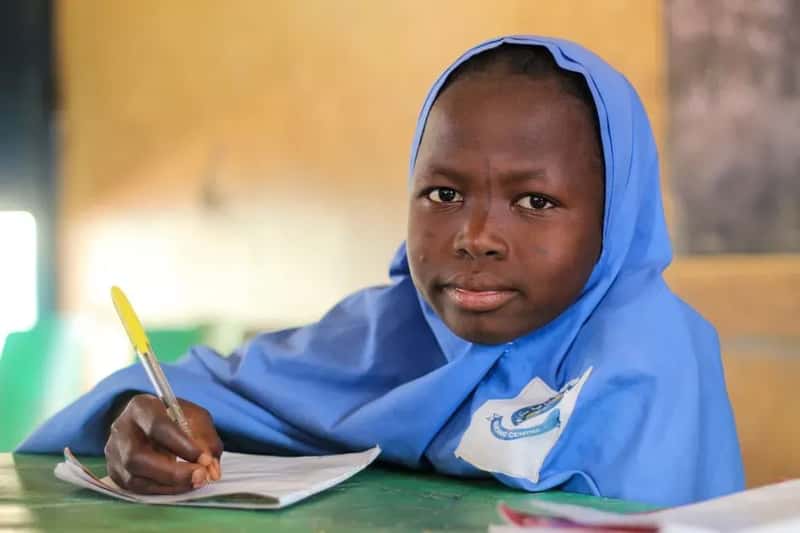
Guinea rounds out the list of the world’s eight least-educated countries, weighed down by both low overall literacy and one of the widest gender gaps recorded anywhere. Guinea remains among the world’s least educated countries due to low literacy levels and a nearly 30-percentage-point gap between male and female literacy. That gender gap of 29.9 points is among the largest of any country tracked.
Rural isolation and underfunded schools compound the problem in Guinea, much as they do elsewhere across the region. Girls in particular face barriers ranging from early marriage to a shortage of female teachers, which discourages many families from enrolling daughters at all. Without targeted investment in both infrastructure and teacher training, Guinea’s literacy gap seems likely to persist for years to come.
9. Canada
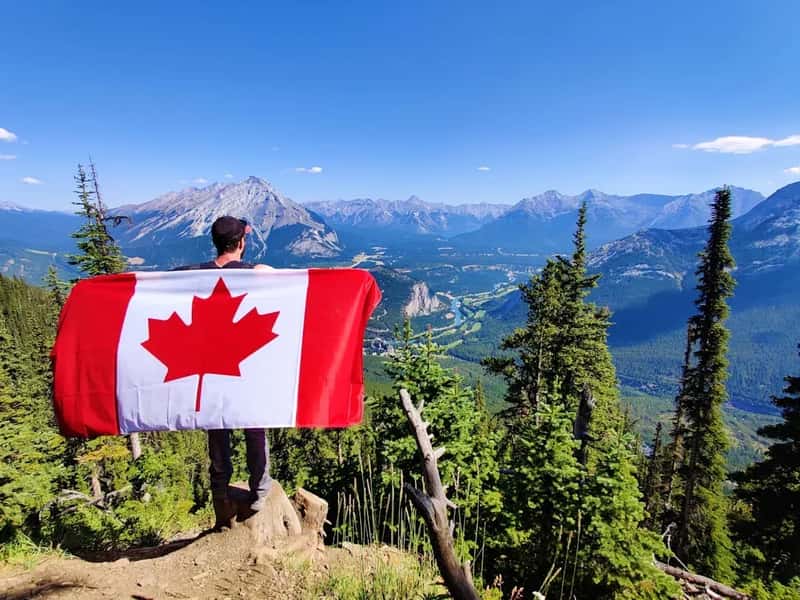
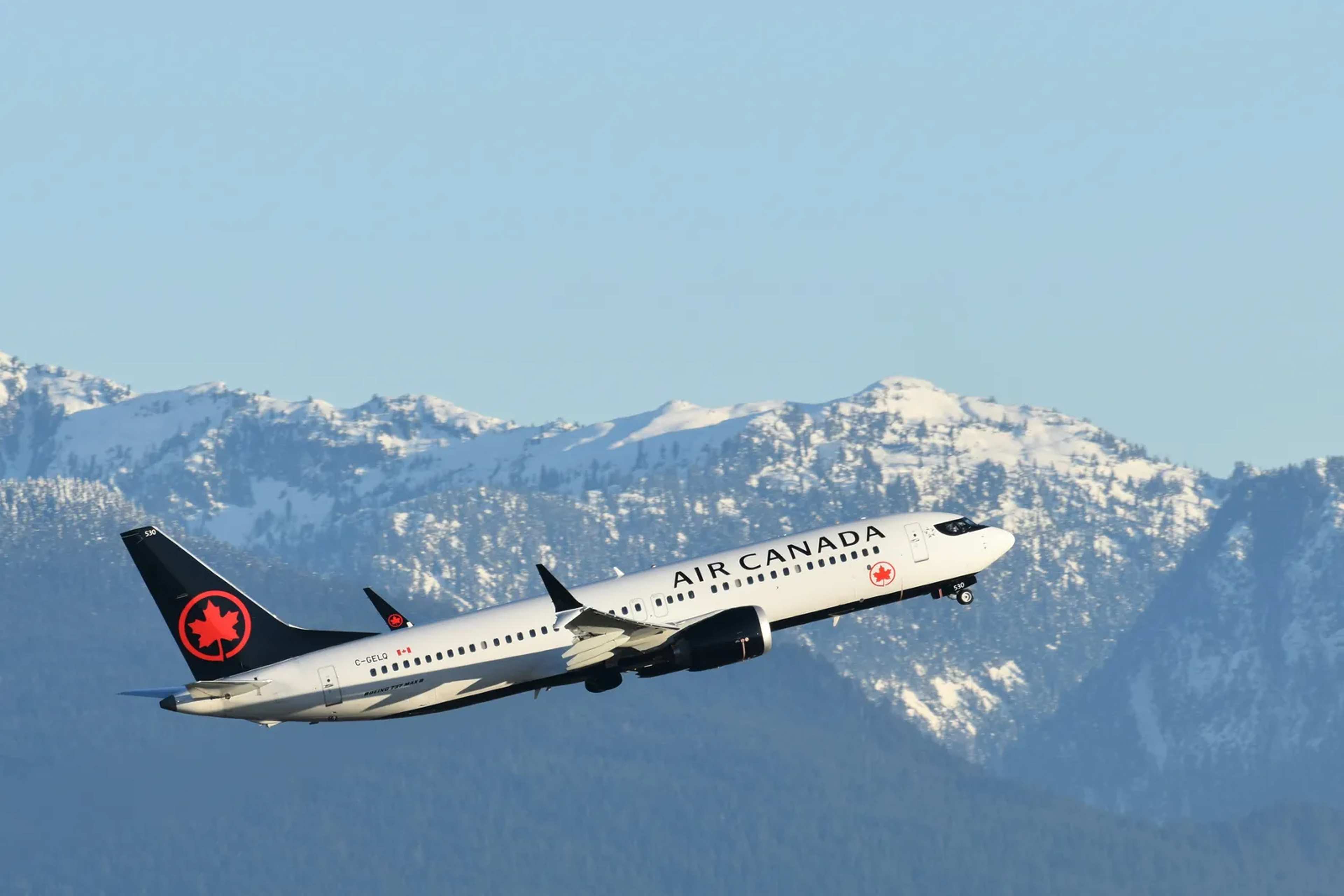
At the opposite end of the spectrum, Canada has firmly established itself as the world’s most educated country by tertiary attainment. According to the OECD’s Education at a Glance 2025 report, which compares educational attainment among working-age adults across 45 countries as of 2024, Canada tops the list with nearly 65% of adults holding a college or university degree, followed closely by Ireland and South Korea. That places Canada well ahead of every other OECD member on this particular measure.
Canada’s lead isn’t a one-off result either. Canada leads in the G7 as having the most educated workforce, a position it has held for several consecutive OECD reporting cycles. In the academic year 2022-2023, around 617,000 students graduated with a certificate, diploma or degree from a Canadian public post-secondary institution. Affordable access to universities and colleges, combined with strong demand for skilled labor, has kept Canada near the very top of these rankings for years.
10. Japan
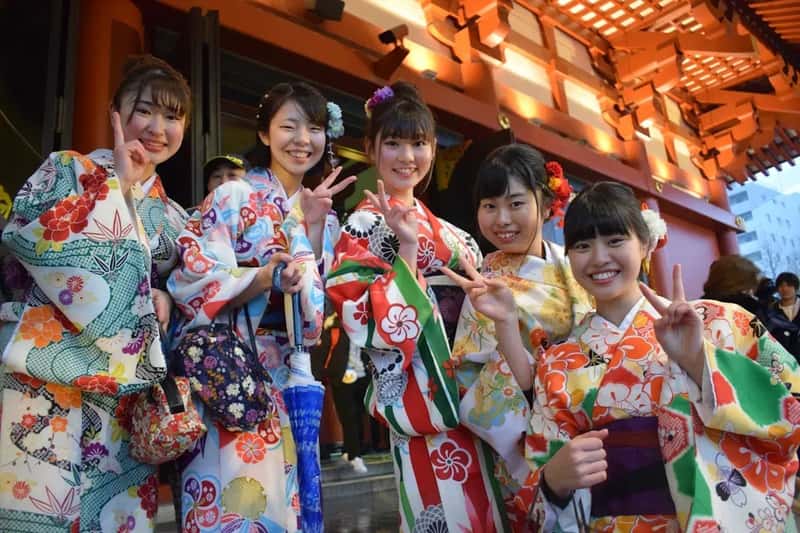
Japan combines near-universal basic literacy with some of the highest tertiary attainment rates on record. Japan, known for its literacy and technical advancements, is one of the top three most educated countries globally, with a tertiary education rate of around 64%, and with 65% of Japanese individuals aged 25 to 34 holding tertiary education qualifications, a figure that highlights the country’s commitment to higher education. Nearly the entire population can read and write with ease, a foundation the country has maintained for generations.
What sets Japan apart is how thoroughly literacy and formal credentials overlap across the population. Japan’s literacy rate is 99.0%, the same as the United States and many other developed countries. Rigorous secondary schooling paired with intense competition for university placement has produced a workforce that ranks consistently near the top on both access and outcome measures, even as the country’s demographics continue shifting toward an older population.
11. Ireland
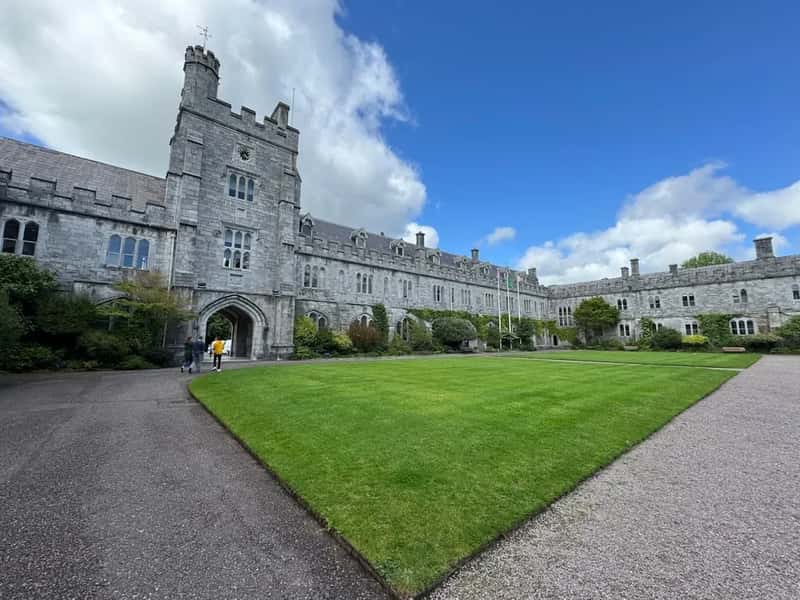
Ireland rounds out the top three, having built one of Europe’s strongest higher education systems in a relatively short span of decades. Ireland’s education system emphasizes critical thinking, research, and innovation, particularly in technology and pharmaceuticals, sectors that have come to define the country’s modern economy, and Irish universities consistently rank among the best worldwide, attracting significant numbers of international students. That reputation has helped Ireland punch well above its population size in global education rankings.
The numbers back up that reputation. Ireland ranks highest by education rate among many peer nations, with 52.4% of its working-age population holding a bachelor’s degree or higher. Ireland’s position near the very top of the OECD’s 2025 education rankings reflects a sustained national commitment to building a knowledge-based economy that rewards advanced qualifications. Heavy investment in tech and pharmaceutical sectors has given graduates strong incentive to pursue advanced degrees, reinforcing a cycle that keeps Ireland near the top year after year.
Put side by side, these eleven countries tell two very different stories about what education can look like in the twenty-first century. In Chad, Mali, South Sudan, Niger, Afghanistan, the Central African Republic, Somalia, and Guinea, conflict, poverty, and gender inequality have combined to keep millions of children out of classrooms altogether, often for generations at a stretch. In Canada, Japan, and Ireland, decades of steady investment have turned higher education into something close to a national default rather than a privilege.
The takeaway isn’t simply that some countries value education more than others. It’s that education systems reflect deeper conditions, peace, economic stability, and political will, that either open doors or slam them shut. Closing that gap will likely take just as long to fix as it took to create.