Literacy sits at the foundation of nearly everything else a society hopes to achieve, from public health to economic growth to political stability. Yet the gap between the world’s most literate nations and its least literate ones remains staggering, even in 2026. In some countries, essentially every adult can read a simple sentence, while in others, fewer than one in three can do the same.
This piece looks at both ends of that spectrum. We start with the eight countries currently recording the lowest adult literacy rates on the planet, almost all of them shaped by conflict, poverty, or chronic underinvestment in schooling. Then we turn to the three nations that have pushed furthest in the opposite direction, achieving what statisticians consider universal literacy.
1. Chad
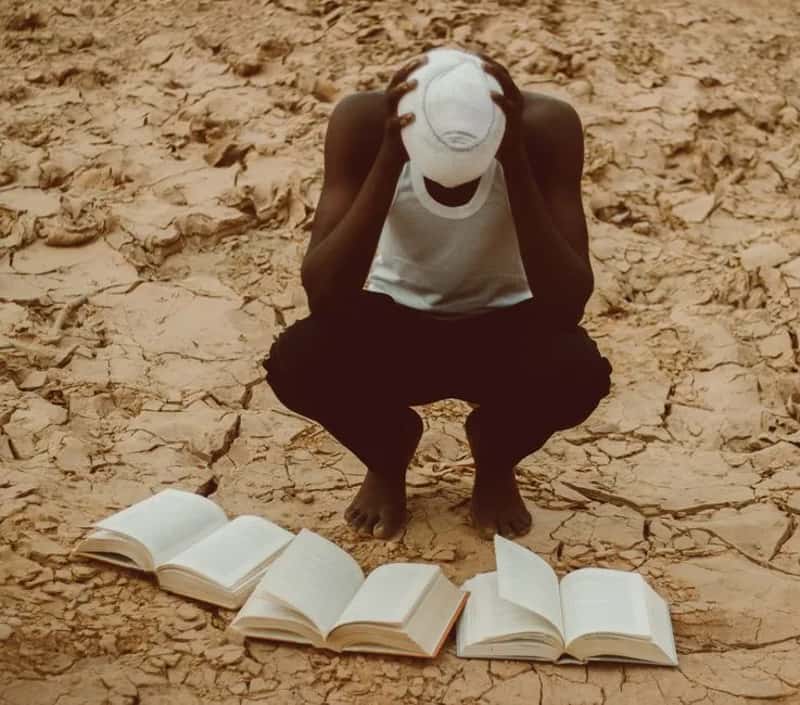
Chad consistently ranks as the least literate country in the world, with recent estimates putting its adult literacy rate at around 27 percent, anchoring the very bottom of the global ranking alongside Mali and South Sudan. The numbers behind that figure are just as telling. On average, adults in Chad have completed only about 2.3 years of schooling, which helps explain why so many never reach basic reading proficiency.
Poverty and weak state capacity are the main culprits here. Government spending on education remains thin, and Chad allocates just 2.6 percent of GDP to education, far below the global average. Combine that with a population where 42 percent live below the poverty line, and it becomes clear why building classrooms and training teachers keeps losing out to more immediate survival needs.
2. South Sudan
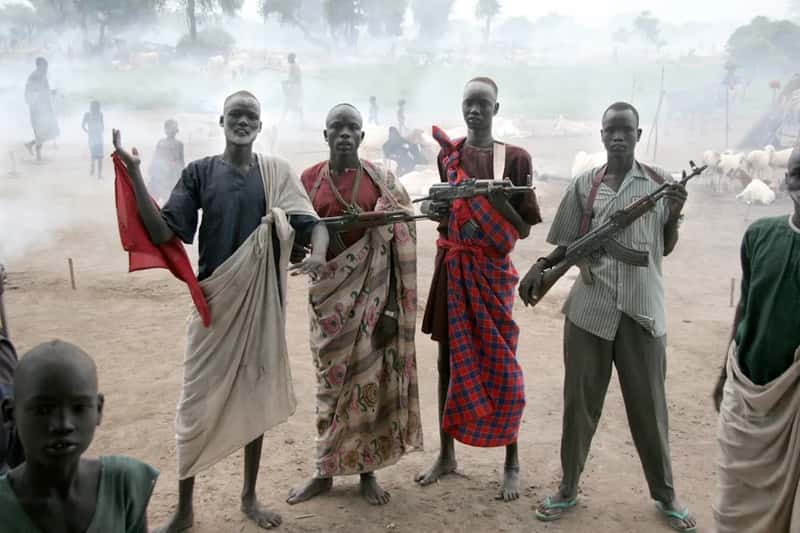
South Sudan’s literacy numbers have barely budged in years, with the adult rate sitting near 34.5 percent, placing it among the very lowest in the world. What makes the country’s situation especially frustrating is that the stagnation isn’t for lack of trying. Multiple challenges the country has been grappling with, including conflicts, floods, the impact of COVID-19, and economic crisis, have kept progress slow, a view shared by UNICEF’s own Education Officer.
There are some genuine, if fragile, bright spots. The UK-funded Girls’ Education South Sudan programme has provided cash transfers to roughly a million girls since 2014, with successor programmes continuing support into 2024 and 2025. Still, the youth literacy rate for those aged 15 to 24 is only slightly higher than the adult rate, and the gender gap persists, limiting opportunities for young women and girls.
3. Mali
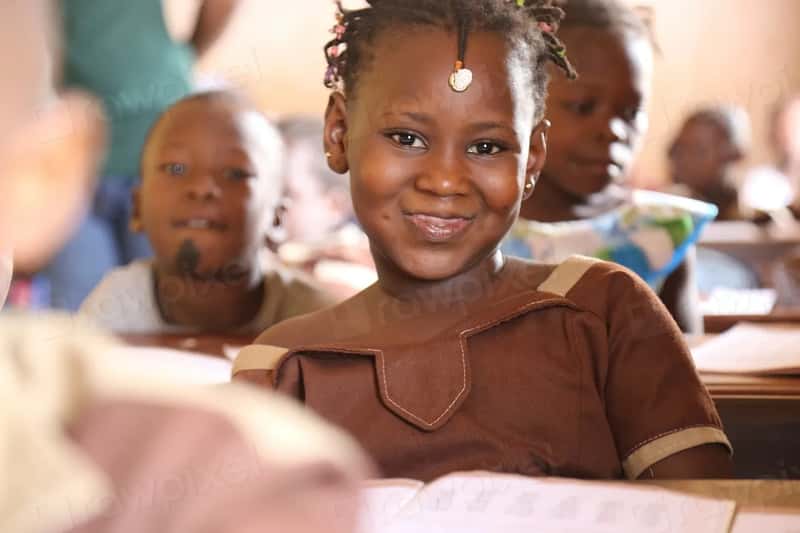
Mali’s adult literacy rate hovers around 31 percent, a figure closely tied to how little formal schooling most adults receive. On average, people in Mali complete only about 1.6 years of education, one of the lowest totals anywhere in the world. That leaves an enormous share of the adult population without ever learning to read fluently.
Money is a major part of the story. Mali’s per capita education spending is less than 10 dollars annually, limiting access to schools and learning materials, according to the U.S. Agency for International Development. Rural regions bear the brunt of this shortfall, since resources tend to concentrate in Bamako and other urban centers, leaving villages with few functioning schools and even fewer trained teachers.
4. Central African Republic
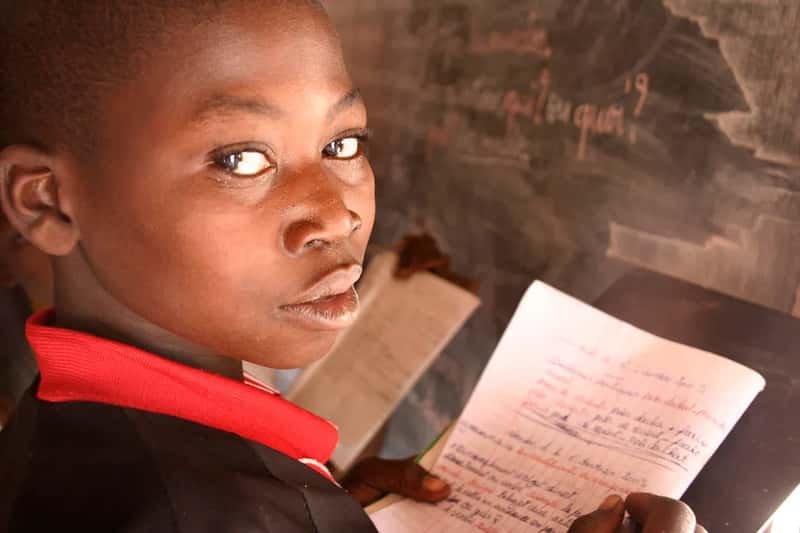
The Central African Republic reports an adult literacy rate of 37.49 percent, a figure closely linked to continuous conflict and severe poverty in the country, according to 2024 research from the U.S. Career Institute. Decades of instability have left much of the country’s education infrastructure damaged or entirely absent, particularly outside the capital, Bangui.
Displacement compounds the problem in ways that are hard to reverse quickly. Families forced to flee fighting rarely have the option of enrolling children in school, and many communities have gone years without a functioning classroom nearby. Rebuilding that infrastructure takes sustained peace, which the country has struggled to maintain for any extended stretch.
5. Afghanistan
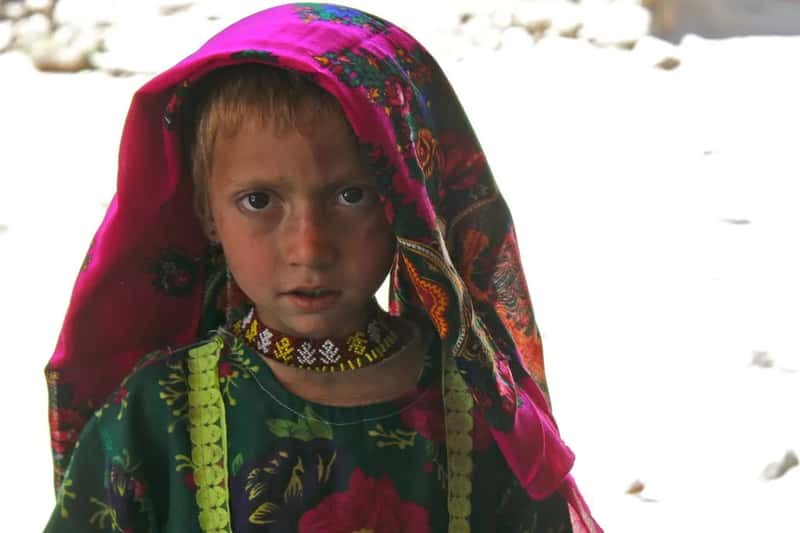
Afghanistan’s literacy rate stands at roughly 37.27 percent, making it the only Asian country to appear among the world’s least literate nations. The reasons are layered and deeply entrenched. Persistent conflict, restrictive cultural norms, and a weak education system continue to hinder access to schools, particularly for girls.
That last point matters enormously for the country’s overall numbers, since restrictions on girls’ education directly suppress female literacy and, by extension, the national average. Decades of war have also destroyed school buildings and driven qualified teachers out of the profession or out of the country entirely, leaving a shortage that will take years of stability to reverse.
6. Niger
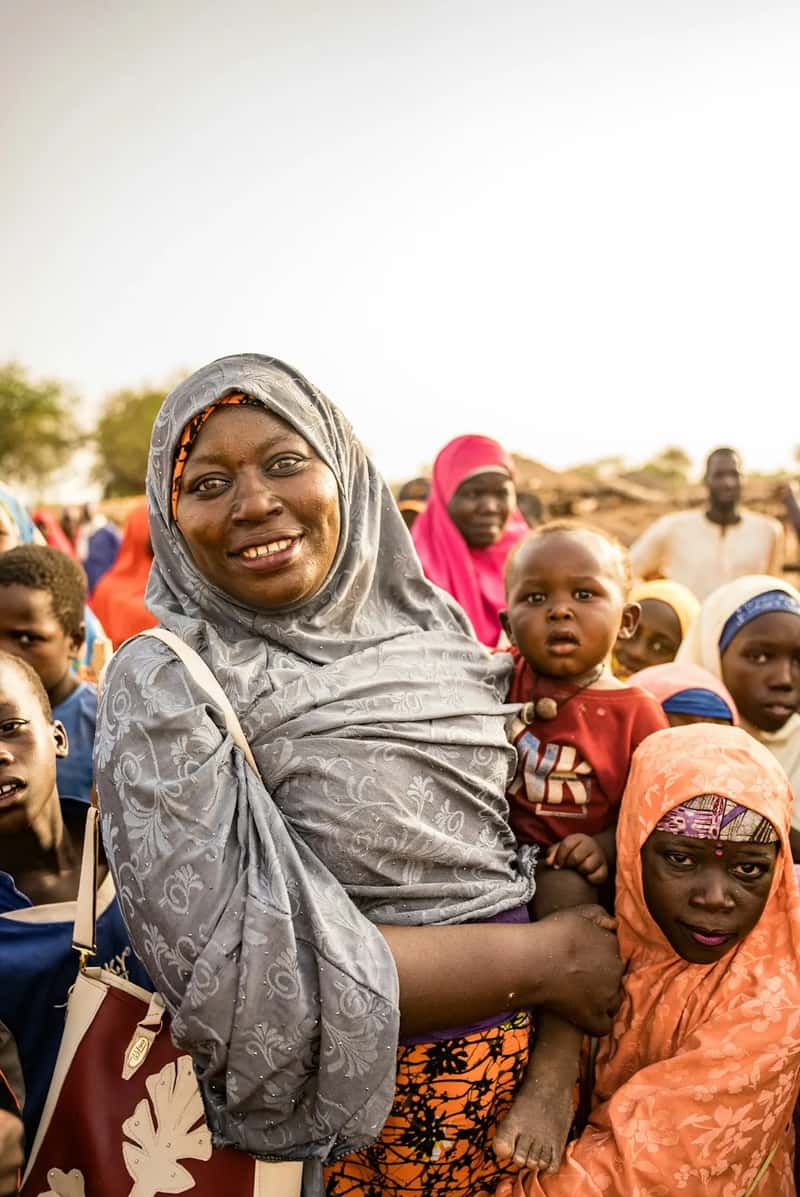
Niger has actually shown one of the more dramatic improvements in recent literacy data, even though it remains near the bottom of the global list. The country’s reported rate nearly doubled from 19.1 percent to 38 percent, though it remains the second-lowest in the dataset. That kind of jump suggests real policy movement, even if Niger still has enormous ground to cover.
The underlying challenges remain severe. Adults in Niger average just 1.4 years of schooling, sitting at the bottom of both education and literacy measures. High rates of child marriage, teacher shortages, and thin schooling infrastructure across rural areas continue to weigh heavily on the country’s youngest generations.
7. Burkina Faso
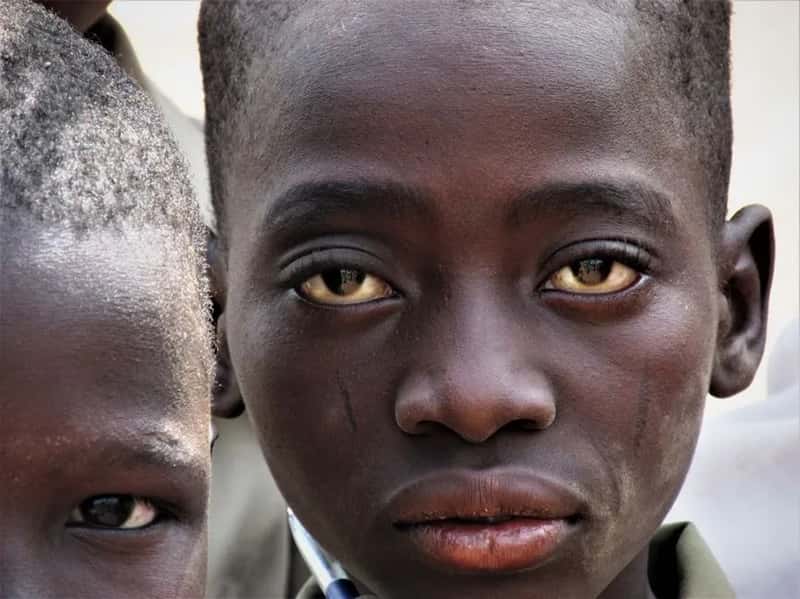
Burkina Faso’s literacy rate sits around 34.5 percent, and much of the shortfall traces back to structural problems inside the classroom itself. Overcrowded classrooms and high student-to-teacher ratios have long plagued the country’s education system. On top of that, school attendance rates are five times lower in rural areas than around the capital metropolitan region, creating a stark divide between city and countryside.
The government hasn’t ignored the problem. Officials have implemented a national literacy program, offering education and literacy training to those who did not attend school or dropped out, alongside efforts to improve educational opportunities for girls. Armed conflict in parts of the Sahel has complicated these efforts considerably, forcing school closures in regions where insecurity has spread.
8. Somalia
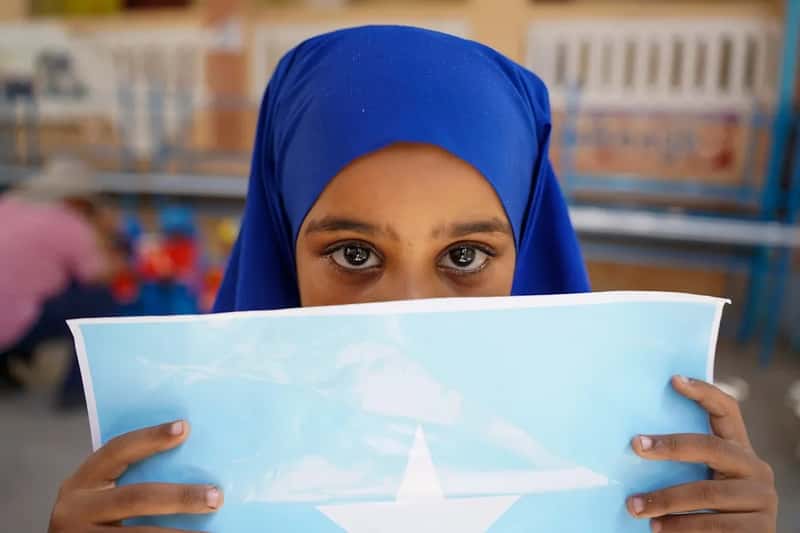
Somalia rounds out the list with an adult literacy rate of roughly 37.80 percent, placing it firmly among the world’s least literate nations. Decades of civil conflict, weak central governance, and repeated humanitarian crises have made it extraordinarily difficult to build or sustain a functioning national school system.
Much like its neighbors in the region, Somalia faces compounding pressures that make literacy gains hard to lock in. Countries in sub-Saharan Africa are some of the most affected by low literacy overall, with fewer than one in three adults in this region able to read and write. Displacement, drought, and periodic famine have repeatedly interrupted whatever educational progress communities manage to build.
9. Norway
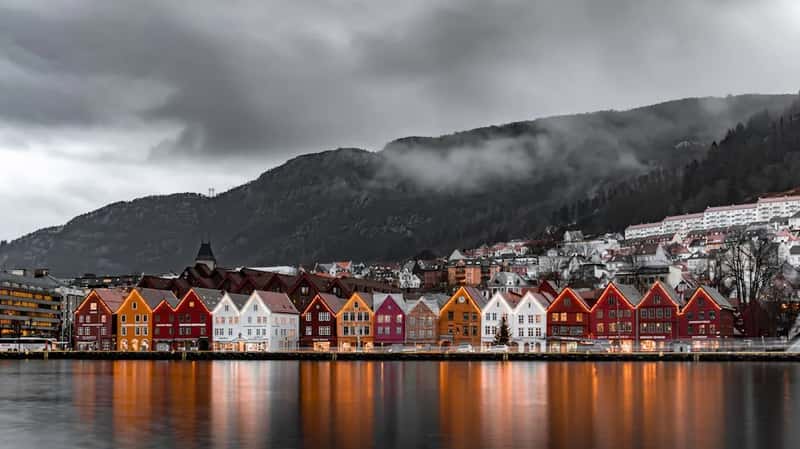
At the opposite extreme sits Norway, a country that has essentially eliminated adult illiteracy. Due to a comprehensive, free and equitable education system, Norway consistently achieves a 100 percent literacy rate. That outcome isn’t accidental; it reflects decades of deliberate policy choices around universal access.
The backbone of that system is straightforward. Compulsory schooling from ages 6 to 16 ensures universal access to quality education across the country. Norway also invests heavily per student, which helps explain why literacy outcomes stay consistent even in more remote, sparsely populated regions far from the capital.
10. Finland
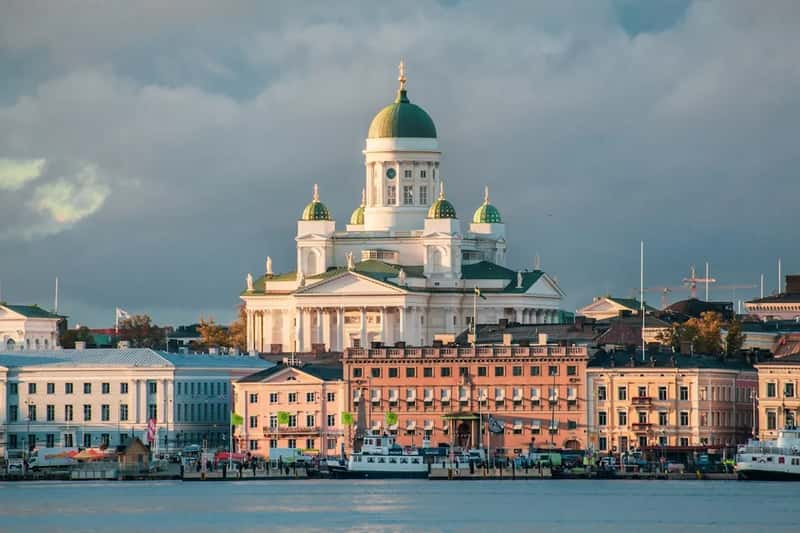
Finland is often held up as a model education system, and its literacy numbers back that reputation up. The country reports a 100 percent adult literacy rate, helped along by remarkably low dropout figures. The dropout rate is less than 5 percent for Finnish upper secondary students, meaning nearly every young person completes the schooling needed to read fluently as an adult.
Funding plays a major role in sustaining that success. Finland spends about 7 percent of its GDP on education, one of the highest shares among the 38 member nations of the OECD. That level of investment supports smaller class sizes, well-trained teachers, and consistent access to schooling regardless of a family’s income or location.
11. Andorra

Andorra, the tiny principality tucked in the Pyrenees between France and Spain, also reports universal adult literacy. At the top of the global rankings sit small wealthy states and former socialist countries such as Andorra, Finland, Russia, and Uzbekistan, all reporting literacy rates around 99 to 100 percent. Andorra’s tiny population makes this outcome more attainable, though it still requires consistent investment to maintain.
Scale genuinely works in Andorra’s favor here. For smaller regions like Liechtenstein and Andorra, achieving universal literacy is more manageable due to smaller populations and strong infrastructure. With so few children to educate at any given time, the country can direct resources toward every single student rather than spreading a limited budget across millions of people.
Taken together, these eleven countries illustrate just how uneven global progress on literacy remains. The gap isn’t simply about wealth, since some wealthier nations still lag while a few less affluent former Soviet states have reached universal literacy through decades of sustained public investment. Conflict, gender inequality, and chronic underfunding of schools remain the clearest predictors of low literacy, while political stability and consistent education spending remain the clearest predictors of success.
None of the countries at the bottom of this list are without hope. Niger’s recent jump in reported literacy shows that even the most challenged education systems can shift when governments and international partners commit real resources to the problem. Whether that momentum holds will depend largely on peace, funding, and time, three things that have been in short supply across much of the Sahel for far too long.