Souvenirs are supposed to be harmless little reminders of a trip, a shell picked up on a beach, a small statue bought from a market stall, maybe a handful of sand in a water bottle. Yet in a growing number of destinations, these seemingly innocent keepsakes are actually protected by law, and taking them home can mean steep fines or even jail time. Governments have tightened export rules over the past decade to protect fragile ecosystems, guard against looting, and preserve cultural heritage, and tourists are often the last to find out.
From Mediterranean beaches to ancient temples and African savannas, here are eight categories of items that travelers are legally barred from bringing back home, along with the reasons behind each restriction.
1. Sand, Shells, and Pebbles From Sardinia, Italy

Sardinia’s beaches are famous for their almost powder white sand, and that beauty is exactly why authorities cracked down on tourists scooping it into water bottles. A 2017 regional law made it illegal to remove sand, seashells, and beach rocks from the Italian island.[1] The rule was not written to be symbolic either, since bags of sand, shells, and stones have been seized at Sardinia’s airports and ports in keeping with the 2017 regional law that established fines ranging from 500 euros to 3,000 euros.[2]
Enforcement has been surprisingly serious. In one widely reported case, a French couple faced up to six years in prison after taking 88 pounds of white sand from Sardinia, having been arrested after police discovered the sand in bottles during checks of vehicles boarding a ferry.[3] Officials say the crackdown exists because the law aims to prevent the cumulative effect of removing sand and shells by the millions of tourists who flock each year to the Mediterranean island.[2] Sardinia is not alone either, since other Mediterranean beaches have quietly introduced similar bans in recent years.
2. Buddha Statues and Religious Images From Thailand

Thailand’s markets are full of beautiful Buddha statues, but buying one as a casual souvenir can land travelers in legal trouble at the airport. Under Thai law, you must obtain an export permit from the Office of Archaeology and National Museum Fine Arts Department before taking a Buddha statue or image measuring over 12 centimeters out of the country.[4] The restriction exists because the Customs Department restricts the export of Buddha images to prevent thefts of ancient relics from historical sites and to ensure Buddha images are treated respectfully.[4]
Even complete, modern statues face limits, and broken pieces are treated far more harshly. According to export guidance cited by customs specialists, only full body images are allowed to be exported, while partial images of Buddha such as the head, hands, or feet are prohibited from export[5]. That rule specifically targets antiquities theft, since officials designed it to prevent looters from removing antique fragments from Buddhist religious sites and historical sites.[6] Tourists who skip the permit process risk having their purchase confiscated right at departure.
3. Ancient Artifacts and Antiquities From Egypt
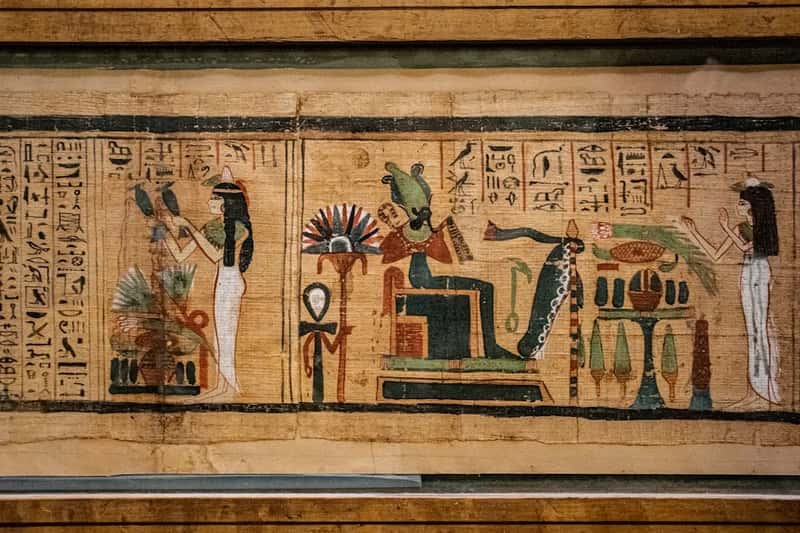
Few countries guard their archaeological heritage as fiercely as Egypt, where the pyramids and temples draw millions of visitors every year who sometimes hope to bring home a genuine piece of history. That is simply not permitted. Egyptian officials have stated plainly that any export, even temporary, of authentic objects from the Pharaonic, Greco-Roman, Coptic, or Islamic periods is strictly prohibited by the Egyptian Antiquities Law and its successive amendments, with Egypt bound by international conventions including the 1970 UNESCO Convention.[7]
The rule has real teeth behind it. Under current regulations, the illegal export of cultural property is punishable by a fine of 100,000 to 1,000,000 Egyptian pounds, theft of an antiquity carries its own separate fine, and illegal trafficking is punishable by one to seven years in prison.[8] Even licensed reproductions come with strings attached, since travelers cannot export official replicas unless they are purchased from licensed sellers such as the Ministry of Tourism and Antiquities, which produces high-quality replicas for legal export.[9] Anyone tempted to buy a “genuine” ancient trinket from a street vendor near the pyramids should assume it is either fake or illegal to take home.
4. Archaeological Finds and Antiquities From Greece
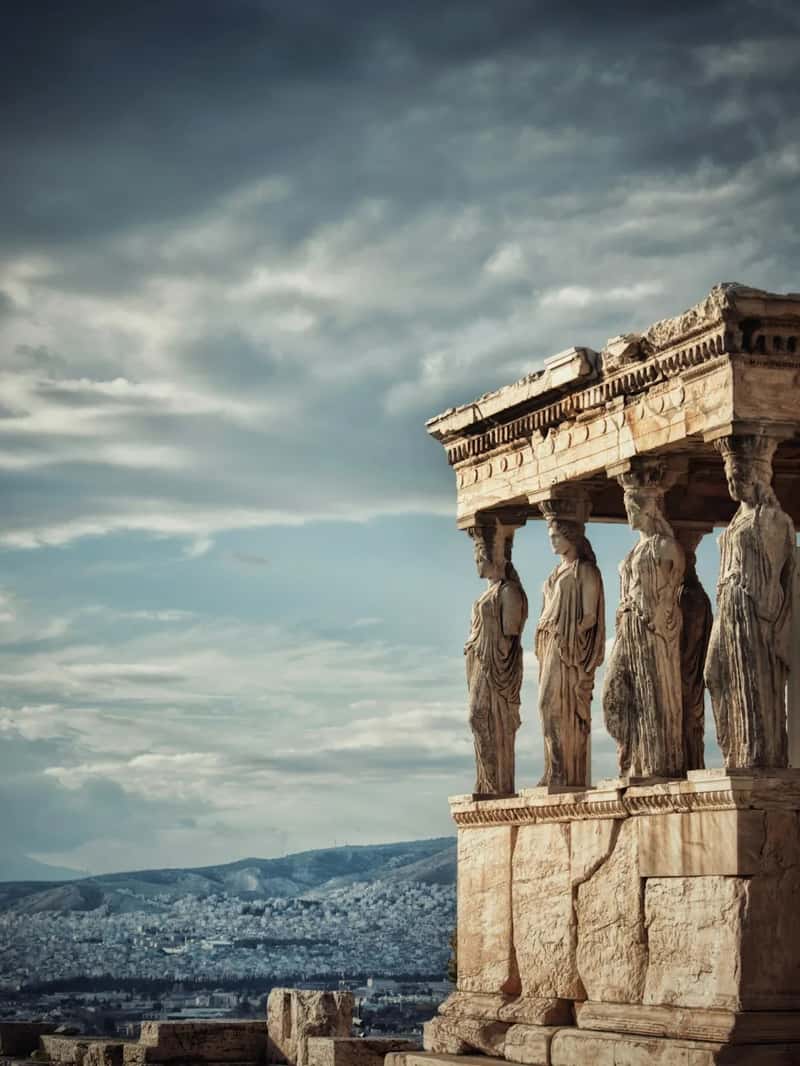
Greece treats its ancient heritage as belonging to the nation as a whole, not to whoever happens to dig it up or buy it from a dealer. Under Greek cultural protection law, an export ban applies to cultural property that was made before 1830 and found during archaeological excavations or is part of archaeological research or has been removed from immovable monuments.[10] The law also protects sacred items, since religious images and liturgical objects of the mentioned periods may not be exported[10] either.
Penalties for breaking these rules are severe by European standards. According to legal experts, an attempt to illegally export cultural property from Greece is punishable by up to ten years’ imprisonment.[10] The law is broad in scope too, covering excavation, possession, sale, or export of antiquities without the requisite permissions from the Greek Ministry of Culture[11]. That means even a small ancient coin or pottery shard picked up near a ruin technically falls under this protection, regardless of how insignificant it might look to an untrained eye.
5. Pre-Columbian Artifacts From Peru and Mexico
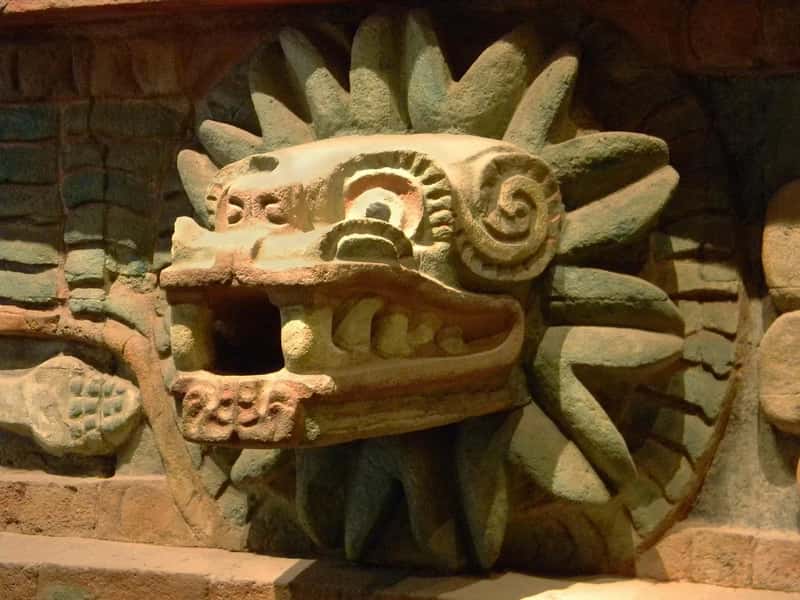
Latin America’s rich pre-Hispanic history makes it a magnet for collectors, but both Peru and Mexico have declared their archaeological heritage the property of the state, not of individual finders or buyers. In Mexico, artifacts from civilizations such as the Maya, Aztec, and Olmec fall under the protection of the National Institute of Anthropology and History, and taking genuine pre-Columbian pieces out of the country without authorization is a criminal offense. Peru enforces similarly strict rules over Inca and pre-Inca objects, treating ceramics, textiles, and carved stones from archaeological sites as national cultural patrimony that cannot legally leave the country.
Both nations are signatories to international agreements aimed at stopping the illicit trade in cultural property, which means artifacts smuggled out can also be seized by customs officials in the destination country. Tourists browsing markets near archaeological sites should be especially cautious, since sellers sometimes market genuinely old pieces, whether looted or family heirlooms, as simple curios. Buying certified reproductions from licensed museum shops remains the safest way to bring home something inspired by these ancient cultures.
6. Coral, Seashells, and Protected Marine Life

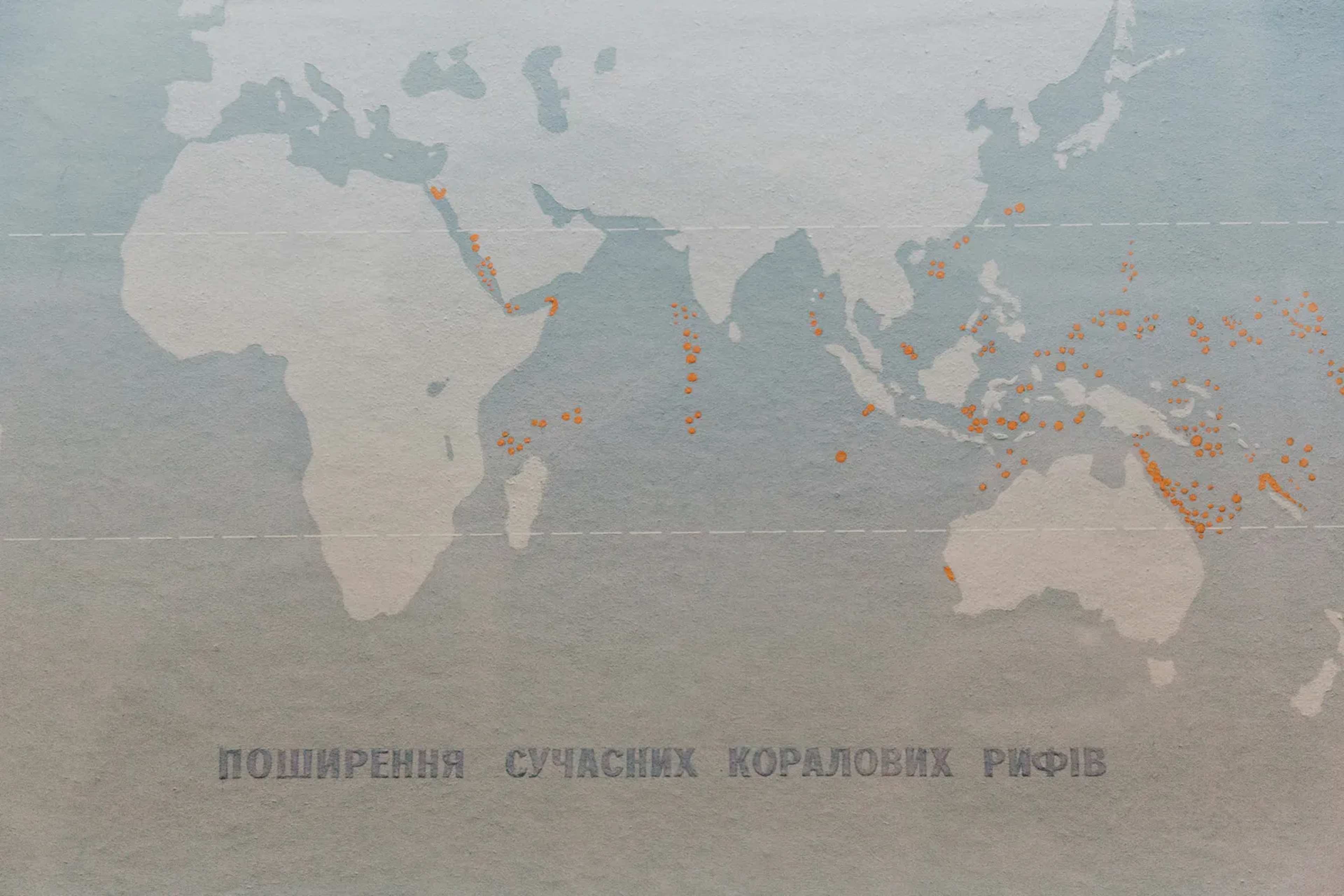
Tropical destinations across the Caribbean, Southeast Asia, and the Indian Ocean host coral reefs and marine species that are protected under the Convention on International Trade in Endangered Species, commonly known as CITES, which has regulated cross border trade in wildlife products since the mid 1970s. Many species of coral, certain large seashells like queen conch, and products made from sea turtles fall under these protections, meaning they cannot legally be exported or imported without specific permits that ordinary tourists rarely have. Even shells that look like harmless beach finds can trigger confiscation if customs officers identify them as regulated species.
Countries such as Greece reinforce these global rules with their own customs enforcement, and travelers there should know that coral, ivory, and protected shells may be confiscated at customs.[12] The safest approach for beachcombers everywhere is to leave natural marine souvenirs exactly where they were found, both for legal reasons and because reef ecosystems depend on that material staying in place. Buying coral jewelry or decorative shells from souvenir shops does not guarantee legality either, since sourcing is often murky.
7. Ivory and Wildlife Products From African Safari Countries

Africa’s iconic wildlife has long attracted poachers and, unfortunately, tourists willing to buy the products of that poaching. Since 1989, CITES has enforced an international ban on commercial trade in ivory, and countries including Kenya, Tanzania, and South Africa strictly prohibit the export of raw or carved ivory, along with many other animal parts such as rhino horn, big cat skins, and certain reptile leather goods. Even antique ivory pieces face heavy scrutiny, since proving an item predates the trade ban is often difficult and rarely accepted by customs at either end of the journey.
Wildlife product restrictions extend beyond ivory to include items made from protected bird feathers, certain furs, and turtle shell. Travelers on safari are generally advised to stick to items explicitly marked as sourced from farmed or sustainably managed species, and to keep receipts proving legal origin. Border agents in both the country of purchase and the tourist’s home country routinely seize undocumented wildlife products, so what seems like a unique keepsake can end up confiscated and the buyer facing fines.
8. Local Currency From Countries With Capital Controls
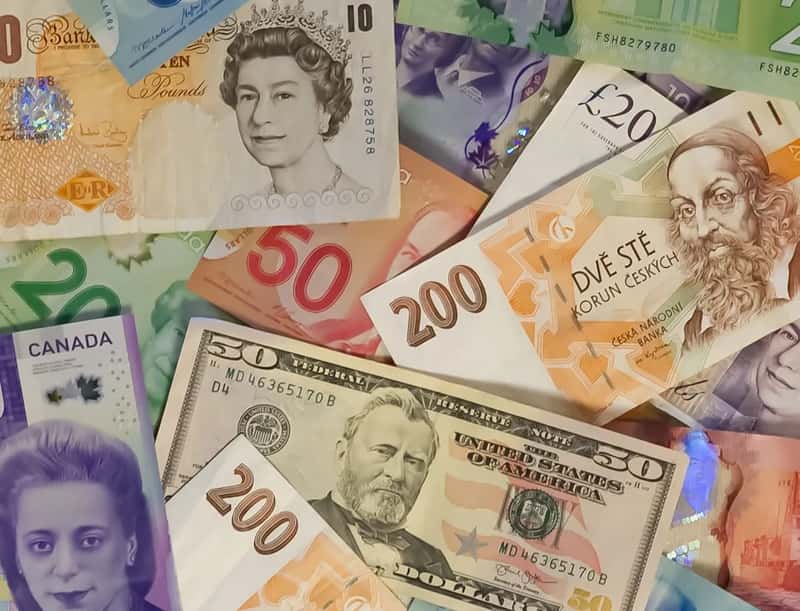
It might seem odd that money itself could be illegal to take home, yet several countries limit how much of their local currency can leave with departing travelers. Nations such as Vietnam and Morocco maintain capital controls that restrict the export of their domestic currency beyond a declared threshold, a policy meant to protect the value and stability of their currency and prevent large scale capital flight. Travelers who exchange money in the local market rather than through official channels sometimes end up holding more local currency than they are legally allowed to carry out.
India similarly restricts the amount of rupees that can be taken outside the country by residents and non-residents alike, with only small denominations permitted in limited amounts for travel to certain neighboring countries. The safest approach is always to convert unused local currency back into a major international currency before departure, ideally at a bank or licensed exchange counter, and to keep the receipt in case customs officials ask questions. It is a rule that catches out plenty of travelers who assume leftover cash is simply theirs to keep however they like.
Taken together, these rules reflect a broader shift in how countries think about tourism. Natural landscapes, ancient ruins, and wildlife are increasingly viewed as shared heritage that belongs to future generations and local communities rather than souvenirs for the taking. The good news is that avoiding trouble is usually simple: buy from licensed vendors, ask for documentation when in doubt, and leave natural treasures exactly where you found them. A memory captured in a photograph never triggers a customs fine, and it lasts just as long.