Europe has a reputation for being one of the more affordable places to see world-famous sights, ride overnight trains, and eat well without spending a fortune. Yet plenty of travelers still come home having spent far more than they planned, not because flights or hostels were pricey, but because of small, avoidable decisions made along the way. A few habits, repeated across a two-week trip, can quietly add hundreds of euros to a budget that started out looking very reasonable.
Most of these mistakes have nothing to do with luxury spending. They involve timing, paperwork, and a bit of homework that many visitors simply skip. Here are eight of the most common ones, along with what actually happens when travelers fall into them in 2026.
1. Forgetting to budget for city tourist taxes
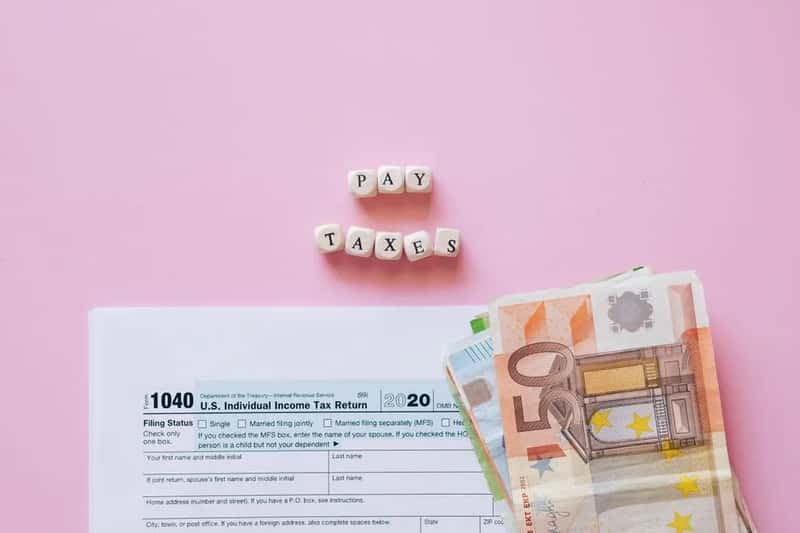
Tourist taxes used to be a minor line item on a hotel bill. That has changed. Amsterdam charges the most, with a tourist tax that works out to roughly €18 per person per night at 12.5% of the room price, Europe’s steepest rate. Barcelona has followed a similar path, and its rate has roughly doubled to about €15, while Greece added a climate-resilience fee of up to €15 a night.
The trend is not limited to a handful of famous cities. 2026 is the biggest wave yet, with more European cities and countries introducing or raising overnight tourist taxes than in any year before, as destinations push back against overtourism. Newer additions include Norway and the UK, since Norway introduced its first-ever national overnight levy, up to 3%, and Edinburgh launches a 5% room tax on 24 July 2026, the first in the UK. Travelers who forget to factor these fees into a per-night budget often get an unwelcome surprise at checkout, especially on longer stays.
2. Booking flights without watching how prices actually move
Airfare to Europe rarely follows a simple pattern of “book early and save.” Airlines use a dynamic pricing strategy, meaning ticket prices are constantly adjusted based on demand and available inventory, relying on advanced software systems that automatically update fares as booking conditions evolve. Waiting for a last-minute discount is a gamble that rarely pays off on popular routes, since fares more often increase as departure gets closer, especially within the final few weeks, and pricing is driven by demand and dynamic algorithms, so waiting can easily backfire.
There is an upside worth knowing about. Mistake fares, caused by system glitches or human error, have become more common rather than less. Travel-deal site Going says mistake fares hit record-breaking levels in 2025, tracking 15 mistake fares that year, more than double the number seen in 2024. Travelers who follow fare alerts and stay flexible with dates occasionally land a genuinely cheap seat to Europe, but those who book blindly in the final weeks before departure almost always pay full freight.
3. Changing cash at the airport currency counter
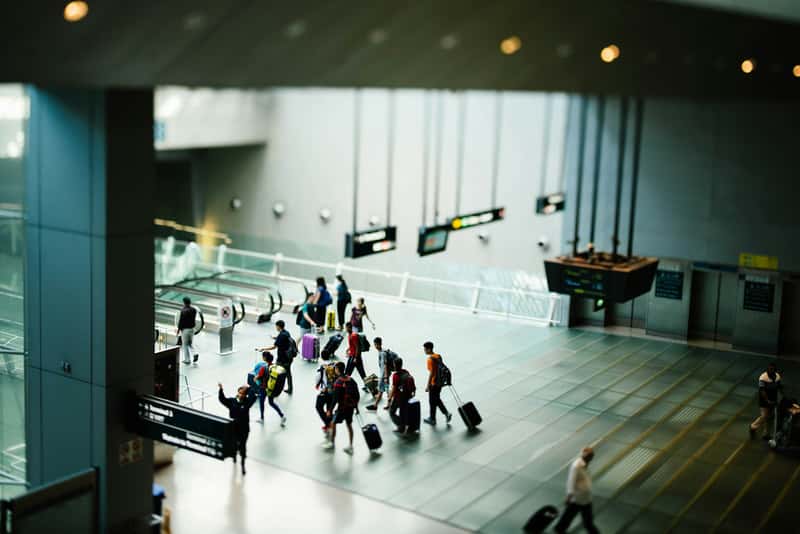
The exchange booth right past passport control feels convenient, and that convenience is exactly what it charges for. Airport kiosks typically charge exchange rates that are 5-10% worse than market rates, plus additional fees that can range from $5-15 per transaction. Some travelers get hit even harder, since it’s not uncommon for airport booths to charge as much as 17% more than the going exchange rate before any fees are added on top.
The “zero commission” signage in airport terminals is often more marketing than benefit. Many airport exchanges promote “0% commission” deals, but they make up the difference by widening the exchange rate, while others still charge outright commission on top of an inflated rate. A better approach is to withdraw cash from a bank ATM after leaving the terminal, or to arrive with a small amount of local currency already in hand from a bank at home.
4. Letting card fees and dynamic currency conversion quietly add up
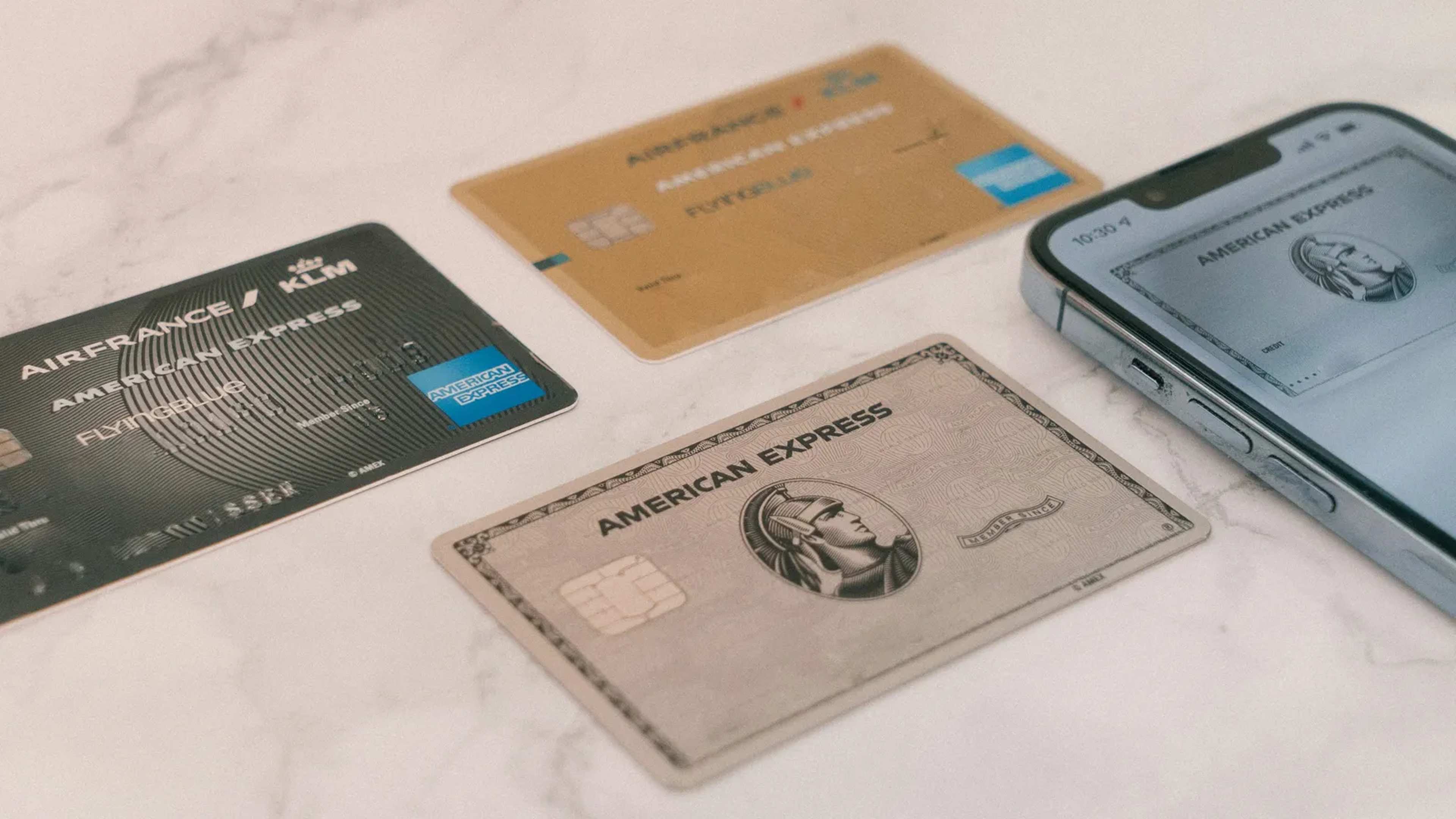
Even travelers who skip the exchange booth can still lose money at the checkout counter. Many card terminals abroad ask whether you would like to pay in your home currency instead of the local one, a system with a deceptively friendly name. Always choose to pay in the local currency if given the option, because opting to pay in your home currency triggers Dynamic Currency Conversion, which can add up to 20% more in fees.
Regular bank cards carry their own hidden cost too. Standard cards often charge an extra 3% non-sterling exchange fee on top of the rate, meaning every £100 worth of euros or dollars ends up costing £103, sometimes more. ATM withdrawals compound the problem, since withdrawals abroad often include multiple charges, with banks taking $2 to $5 per transaction and adding a currency conversion fee of around 3%, plus a possible surcharge from the ATM operator itself. A fee-free travel card, set up before departure, avoids nearly all of this.
5. Showing up at major sights without a timed ticket
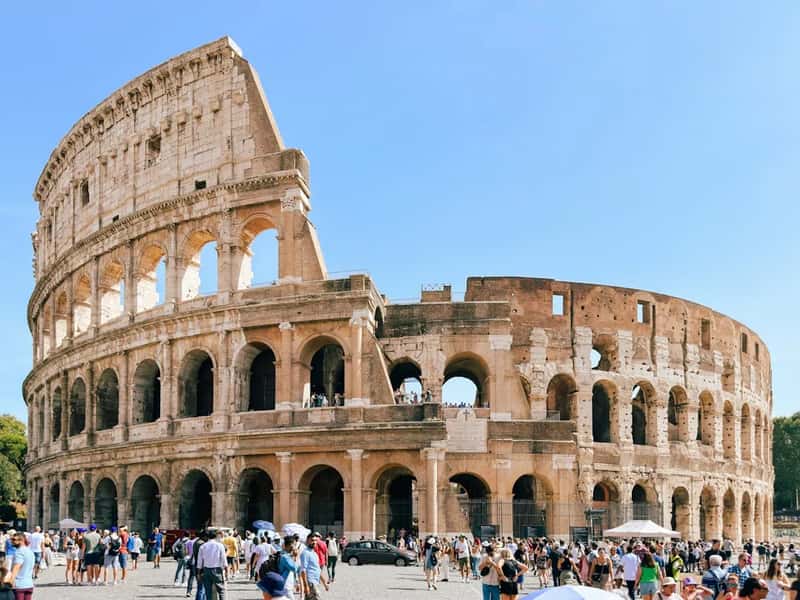
Europe’s most famous landmarks have largely moved away from walk-up entry, and travelers who don’t plan ahead often lose hours or lose out entirely. At the Colosseum, tickets are released only 30 days in advance and sold according to strict timed entry slots, usually spaced at 10 to 15 minute intervals to help control visitor numbers. Turning up without a reservation is risky, since walk-up tickets are limited and allocated on a first-come, first-served basis, and they sell out quickly.
The Louvre works on a similar logic but with a longer runway. Timed-entry tickets are released approximately three months in advance, and the standard adult ticket costs €22 and includes the full permanent collection and all temporary exhibitions. Skipping this step has a real cost in time, since walking up on a summer Saturday without a booking means looking at a minimum of 60 to 90 or more minutes in line. Booking directly through the official sites also avoids the markup charged by third-party resellers.
6. Eating at the restaurant closest to the landmark

There’s an obvious appeal to grabbing lunch with a view of a famous square or monument, but that convenience usually comes at a premium. Restaurants in tourist-heavy areas often come with inflated prices, blander food, and sneaky charges, such as service fees or extra costs for bread and tap water. These add-ons rarely appear on the menu in an obvious way, so the final bill often surprises people who assumed the printed prices told the whole story.
The fix doesn’t require much effort. A short stroll away from the crowds, combined with checking a few local reviews, usually leads to a better and more authentic meal. Restaurants even two or three streets back from a major sight tend to serve locals as much as tourists, which generally keeps both quality and pricing more honest.
7. Renting a car for a trip built around historic city centers

A rental car sounds like freedom, but in Italy’s old towns it often turns into a paperwork headache months after the trip ends. Most historic centers enforce a Zona Traffico Limitato, or ZTL, and entry points are controlled by cameras that automatically read the registration numbers of all entering vehicles, with an offending driver issued a fine of about €100 or more if no match is found. These zones exist mainly to protect old streets from congestion, since ZTLs are areas where vehicle access is restricted to reduce pollution, protect historic centers, and improve urban mobility.
The financial sting is that the fine rarely arrives right away. For drivers living abroad, Italian authorities have 360 days from when the rental company hands over their details to send the notice, so a violation in May can produce a notice the following April. By then, travelers have often forgotten the trip entirely, and the rental company typically tacks on its own administrative fee before forwarding the ticket. Parking outside the historic core and walking or taking public transport into the center avoids the issue completely.
8. Treating airport transfers and cash-based scams as unavoidable costs
The last stretch of a trip, getting from the airport to the hotel, is where many travelers overpay without questioning it. Booking transportation through a hotel or tourist kiosk can cost significantly more than arranging a ride independently, with hotel-arranged car services or private shuttles frequently charging two to three times more than local taxis or rideshares. A quick search for the metro line or a regular taxi rank almost always beats the desk clerk’s recommendation on price.
Currency-related scams add another layer of risk in busy transit hubs. Airport exchange counters are not immune to slipping fake notes into bundles of genuine currency, preying on unsuspecting tourists who trust airport establishments implicitly. Counting cash carefully before walking away from any counter, and sticking to bank-affiliated ATMs rather than unbranded street kiosks, removes most of this risk before it becomes a problem.
Final thoughts

None of these mistakes involve extravagant spending. They are quiet, procedural slips: skipping a booking window, ignoring a currency conversion prompt, or trusting the first restaurant in sight. Fixing them costs nothing more than a bit of planning before the trip starts.
Europe in 2026 remains a place where a modest budget can stretch a long way, provided the money goes toward the trip itself rather than avoidable fees, fines, and markups. A little research before departure tends to matter more than any single splashy purchase during the vacation.