Most travelers pack a phrasebook out of habit, bracing for the usual charades at train stations and market stalls. Yet in a surprising number of places, that anxiety turns out to be misplaced almost the moment you land. Some of these countries never had English as their mother tongue, and a few aren’t even former British colonies, but decades of schooling, tourism economics, or deliberate policy have quietly made English a second language for huge chunks of the population.
Portugal
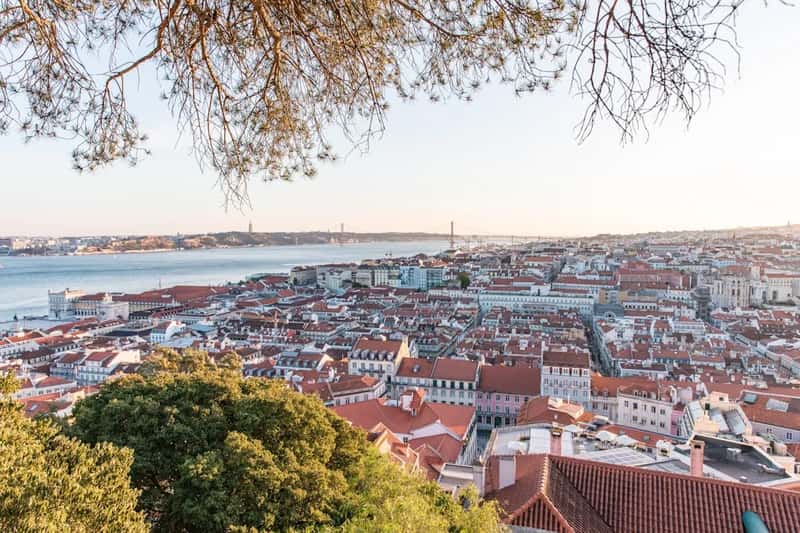
Portugal often gets filed under “Romance language, bring a dictionary,” yet it consistently ranks among the strongest non-native English speaking nations in Europe. Portugal scored 612 on the EF English Proficiency Index, placing it in the very high proficiency band. That score sits well above many countries whose populations tourists assume are more fluent.
Lisbon and Porto have leaned into this for years, with menus, transit signage, and hotel staff defaulting to English almost automatically in tourist zones. Younger Portuguese in particular grew up watching English language television and film without dubbing, which sharpened listening comprehension long before formal classroom instruction kicked in. Visitors heading to the Algarve or the university towns further north tend to find conversational English readily available, even outside the obvious hotspots.
Croatia
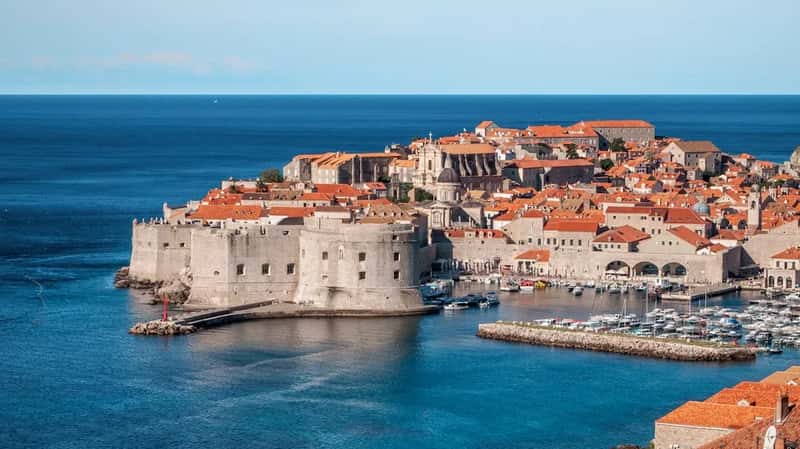
Croatia’s rise in English proficiency has been one of the more notable shifts in recent EF EPI data. The Netherlands remained the top performer, followed by Croatia and Austria, both of which improved their rankings. That places a Balkan country most tourists associate with stunning coastline and Slavic language barriers ahead of nations long considered English strongholds.
Dubrovnik’s old town and the Dalmatian coast see heavy seasonal tourism from Britain, Germany, and Scandinavia, which has pushed hospitality workers toward strong conversational English almost by necessity. Zagreb’s universities also emphasize English instruction in business and tech programs, feeding a generation of young professionals comfortable switching languages mid sentence. Travelers expecting to lean on hand gestures in restaurants are often met with fluent, confident English instead.
Malta
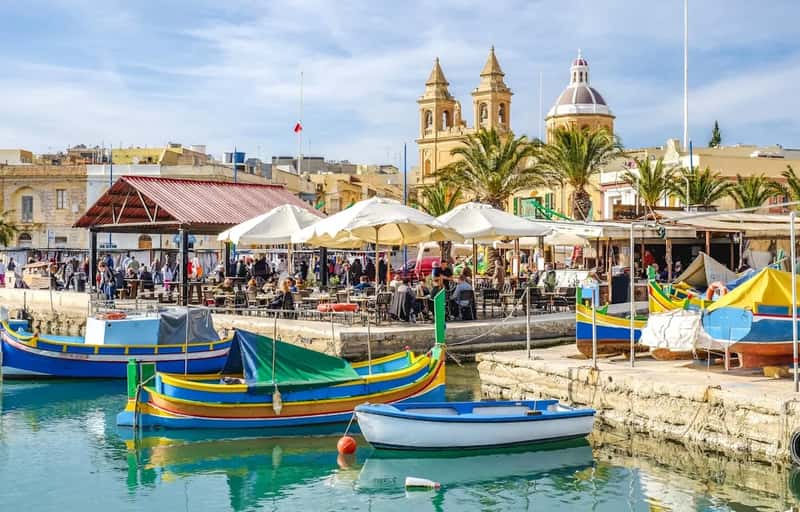
Malta’s linguistic story confuses people before they even arrive, since the local language sounds nothing like the Italian influence visitors expect. Its native tongue actually shares more roots with Arabic than any European dialect. Despite that, it is estimated that nearly 90 percent of the population speaks English.
Maltese has been the country’s official language since 1934, but English holds equal official status and dominates business, higher education, and government paperwork. The legacy of British colonial rule left deep institutional roots, and Maltese schools still teach heavily in English from an early age. For a small Mediterranean island many tourists picture as Italian speaking, the day to day reality is closer to a bilingual English speaking nation.
Sweden
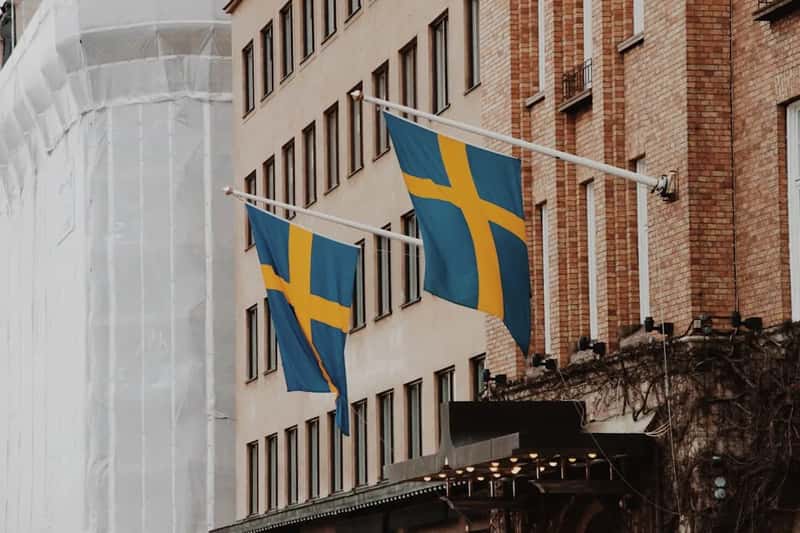
Sweden rarely tops anyone’s list of “surprising” English speaking countries, yet the depth of fluency still catches first time visitors off guard. Sweden scored 609 on the EF English Proficiency Index, landing it in the very high proficiency band alongside some of the world’s top performers. The official language is Swedish, but roughly six in ten Swedes identify as also speaking English.
Swedish television has long broadcast English language programming with subtitles rather than dubbing, a habit that builds listening skills passively from childhood. Stockholm’s tech and design industries also run largely in English internally, which means even casual encounters with baristas or shop clerks often happen in near native fluency. Visitors who arrive expecting a language barrier in Scandinavia frequently find the opposite is true within minutes of landing.
Rwanda
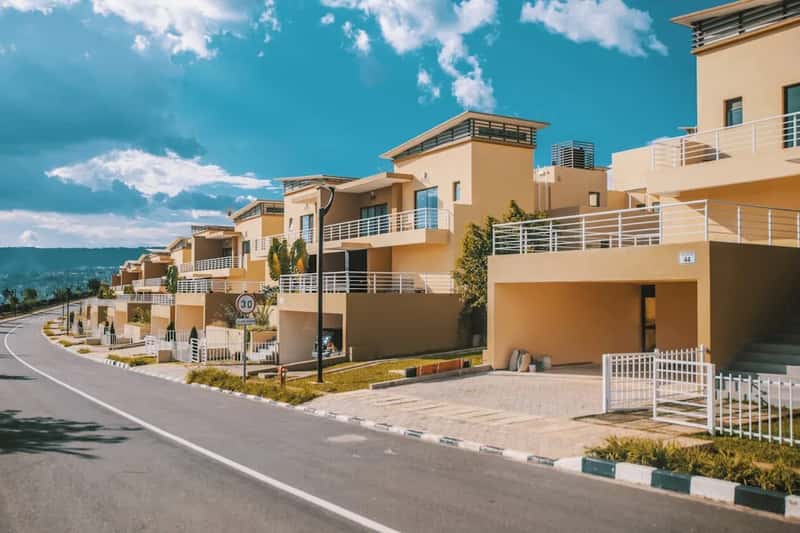
Rwanda surprises travelers heading toward Volcanoes National Park who expect French or Kinyarwanda to dominate every interaction. English and French are both official languages used in government, education, and formal settings, and the country shifted its education system toward English instruction in 2008. English is generally sufficient for all formal tourism needs, which matters a great deal for visitors booking gorilla trekking permits and safari transport.
English medium safari guides in Rwanda are professional and well trained, and guide English quality in Volcanoes National Park and other main tourism destinations is generally high. Kigali’s hospitality sector, still recovering and rebuilding reputation over the past three decades, has invested heavily in English language training for guides and hotel staff. Visitors expecting to fumble through French phrasebooks in the capital often find polished English instead, particularly among anyone under 40.
Namibia
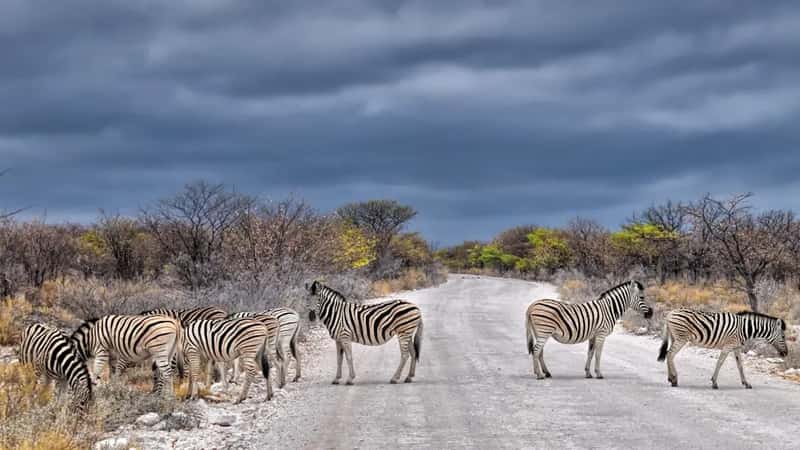
Namibia’s official language policy confuses people who assume a former German colony administered by South Africa would default to Afrikaans or German. Upon Namibian independence in 1990, English was enshrined as the nation’s sole official language in the constitution. That decision was deliberate, chosen as neutral ground so no single ethnic group would feel favored over another in a country with a dozen home languages.
English was declared the sole official language upon independence, although the country has never been under British rule, and as recently as 2011 only a small fraction of Namibians reported speaking it as their primary home language. Despite that, English functions as the working language of government, schools, and virtually every tourism operation from Etosha safaris to Sossusvlei dune tours. Safari guides, lodge staff, and tour operators across the country operate almost entirely in English, regardless of what gets spoken at home.
Nigeria
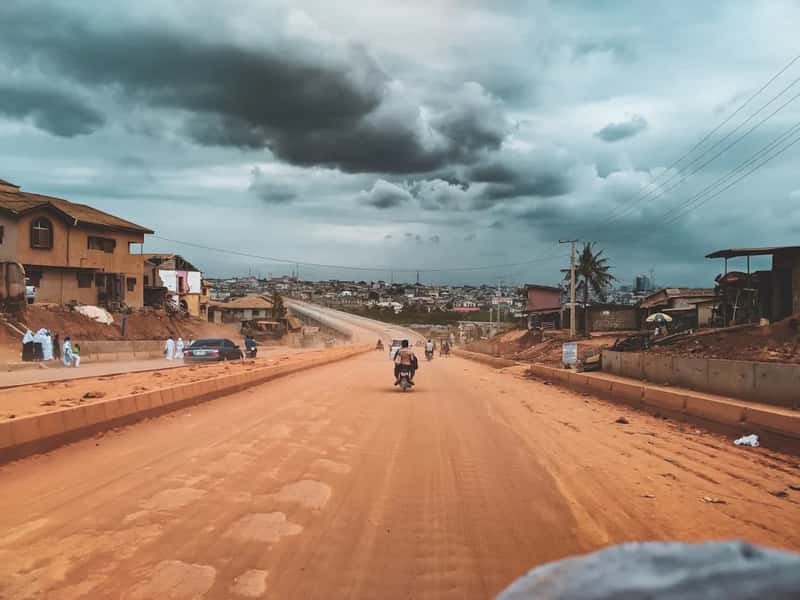
Nigeria rarely appears on lists of English friendly destinations, largely because Africa’s most populous nation doesn’t get the tourism attention its language accessibility deserves. Nigeria ranked 29th globally on the 2025 EF English Proficiency Index with a score of 568, placing it in the high proficiency band. English serves as the country’s official language, a legacy of British colonial administration that has since become the practical glue holding together a nation with more than 500 indigenous languages.
Lagos, Abuja, and Port Harcourt run almost entirely on English in business, media, and daily commerce, with pidgin English filling in as an informal bridge language on the street. Nollywood, now one of the world’s largest film industries by output, produces the majority of its dialogue in English, reinforcing fluency across generations. Visitors expecting to navigate a patchwork of unfamiliar tongues instead find English working as the default almost everywhere they go.
Philippines
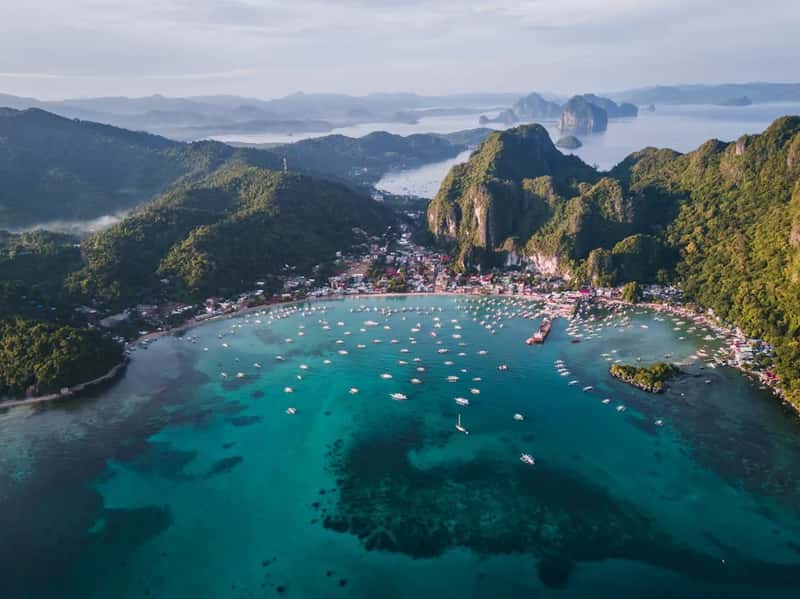
The Philippines carries one of the strongest English legacies in Asia, though its geography leads many travelers to assume otherwise before arrival. English remained ingrained in the culture even after the Philippines gained independence in 1946, a holdover from decades of American administration in the early twentieth century. English serves as one of the country’s official languages, taught extensively in schools and used in business, government, and media.
Manila, Cebu, and the popular island destinations of Palawan and Boracay operate with English as a near default in tourism, retail, and hospitality. Call centers and business process outsourcing have also become a massive part of the economy, meaning entire cities employ workforces trained specifically for clear, professional English communication. Travelers who expected a heavier language barrier in Southeast Asia are often relieved to find English functioning almost as smoothly as it does back home.
Israel
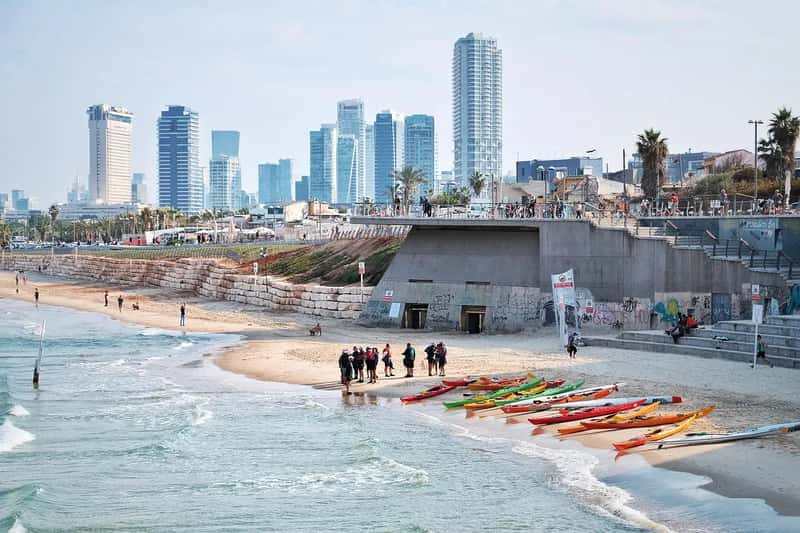
Israel’s linguistic landscape often gets reduced to Hebrew and Arabic in the minds of first time visitors, which undersells just how common English actually is. While Hebrew is the country’s official language, roughly eight in ten of Israel’s population also speaks English. That level of fluency stems from a mix of mandatory English education, a large immigrant population from English speaking countries, and a tech industry deeply tied to international markets.
Tel Aviv in particular functions almost as a bilingual city, with startup culture, restaurant menus, and museum signage regularly presented in English alongside Hebrew. Jerusalem’s tourism infrastructure, built around visitors from dozens of countries, also leans heavily on English as the practical common language. Anyone arriving expecting to rely on Arabic or Hebrew phrasebooks usually finds English carrying most of the conversational weight instead.