Giving up a car sounds like a sacrifice until you actually try it somewhere built for walking. In a growing number of countries, retirees are discovering that a good pair of shoes, a transit card, and an occasional taxi cover everything a vehicle used to handle, often for a fraction of the cost. The shift isn’t just about saving money on insurance and gas, though that helps. It’s about trading traffic and parking headaches for morning walks to the bakery and afternoons spent people watching from a café terrace.
The following nine countries have earned reputations among expat retirees for making car free living genuinely comfortable rather than merely tolerable. Each one pairs walkable cities or reliable public transport with residency programs that welcome foreign retirees on modest fixed incomes.
Portugal

Lisbon and Porto both reward retirees who leave the car keys behind. Lisbon is one of Europe’s most charming walkable cities, with daily life revolving around cafés, bakeries, local shops, and neighborhood plazas in historic districts designed for life on foot. Getting around the capital is straightforward too, since efficient transportation makes getting around the city easy, with buses, trams, and metros forming the major means of public transportation. A yearly transit pass is remarkably cheap by European standards, and for just $54 you can pick up a 7 Colinas Card that’s good for an entire year and allows you to use any mode of transportation hassle-free.
Portugal also makes it financially realistic to arrive without deep pockets. The threshold for the D7 visa is one of the lowest in Europe, requiring an individual to show around 920 euros a month to qualify, along with proof of accommodation and a clean criminal record. That income can come from ordinary retirement sources, since the D7 allows anyone with passive income such as pensions, Social Security, rental income, or dividends to obtain residency and live in Portugal full time. Combine that with groceries that cost between 240 and 450 euros a month for a couple, and it becomes clear why so many retirees settle in without ever needing a garage.
Spain

Spain’s Mediterranean cities were laid out centuries before cars existed, and it shows. Coastal spots like Alicante and Valencia remain popular precisely because Alicante offers undeniable appeal for retirees seeking car-free retirement, with a vibrant social city life just two hours from Valencia that’s perfect for enjoying leisure time. Further south, Málaga blends beachside living with a compact city center that’s easy to navigate on foot, and many retirees there walk everywhere from morning coffee to evening seaside strolls.
Retiring to Spain now runs through the Non-Lucrative Visa rather than any dedicated pension route. Applicants need to clear a real financial bar, since the income requirements for 2026 sit at 2,400 euros per month, or 28,800 euros per year, for a single applicant, with an additional 600 euros per month per family member. Qualifying income has to come from outside employment, because retirees who receive pension payments, dividends, or rental income aren’t affected by the work restriction, since passive income isn’t considered gainful employment under Spanish law. Once settled, most day to day errands happen within a short stroll of home.
Panama

Panama City runs on a mix of metro trains, buses, and cheap taxis that make private car ownership feel almost unnecessary. The city’s transportation options, including the metro, buses that cost just 25 cents for any distance, and Uber, make it a breeze to get around without needing a car. That affordability extends well beyond transit fares thanks to the country’s long running retiree program.
The Pensionado visa remains one of the most generous retirement schemes anywhere. It grants permanent residence from approval rather than a temporary status, along with wide-ranging discounts across daily life, and a clear road to citizenship after roughly five years of residence. Panama’s currency setup removes another layer of financial stress, since the Balboa is pegged 1:1 to the US dollar and the country uses US dollar bills in everyday life, so there’s no exchange-rate guesswork. Between the fixed currency and the discounted transit fares, a retiree living centrally can genuinely skip car ownership altogether.
Netherlands
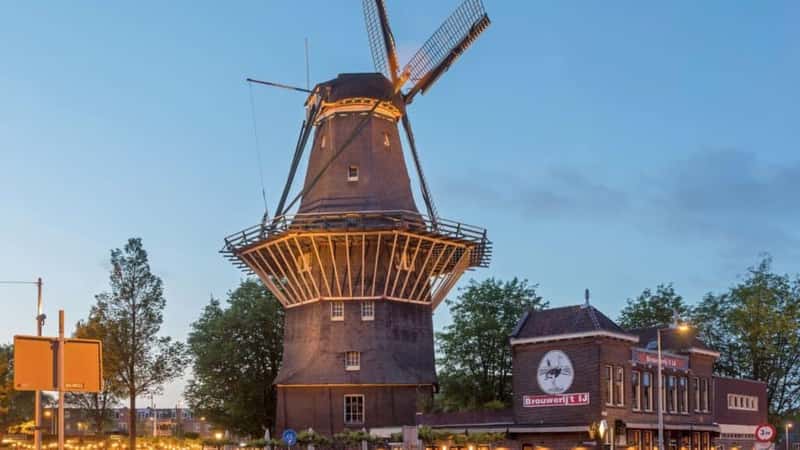
Few countries reward pedestrians and cyclists quite like the Netherlands. Cities such as Amsterdam, Utrecht, and Rotterdam are famously flat and compact, with tram, bus, and metro lines reaching nearly every neighborhood. Retirees who do use public transit even get a break on fares, since seniors over 65 get 34 percent off tram, metro, and bus fares once charged by the kilometer, with the same discount applying on the metro system as well.
The country’s flatness matters as much as its transit network for anyone giving up a car. Bicycles remain the default mode of transport for people of every age, and the infrastructure supporting cyclists is arguably the best developed in the world. Add in dense town centers where groceries, doctors, and cafés sit within a short walk of most homes, and a car quickly starts to feel like an unnecessary expense rather than a convenience.
Mexico
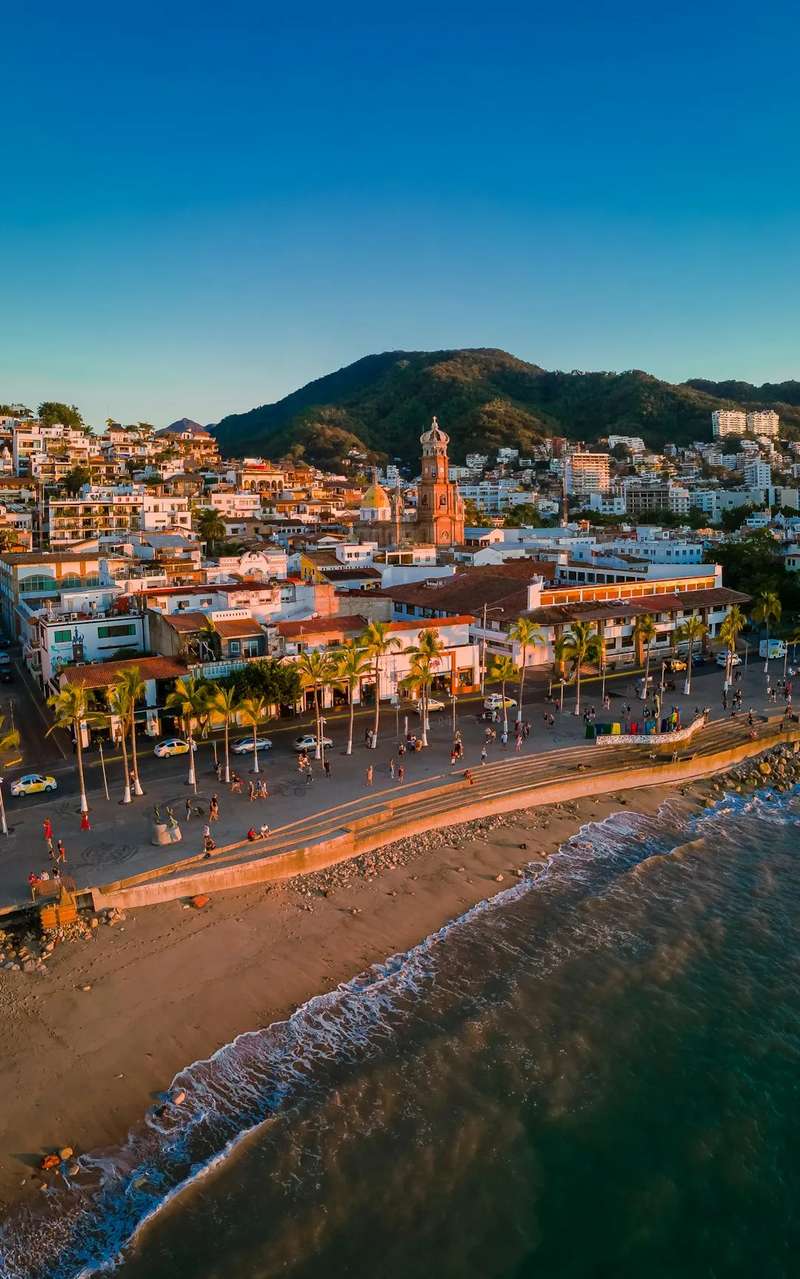
Coastal and colonial cities across Mexico consistently show up on lists of car free retirement spots, and Puerto Vallarta is a frequent favorite for its walkable seafront and relaxed pace. Puerto Vallarta stands out as a retirement spot where enjoying a car-free existence is genuinely realistic. Local buses and taxis are inexpensive and plentiful, filling the gaps between neighborhoods that aren’t within comfortable walking distance.
Mexican residency also comes with tangible perks once retirees settle in. Temporary and permanent residents can access discounts including four dollar movie tickets, free museum entry, and 50 to 100 percent off transport and services with an INAPAM card for retirees. Those savings, paired with a healthier lifestyle, vibrant culture, affordable healthcare, and a large expat community, help explain why so many foreign retirees never bother replacing the car they left behind.
Thailand

Bangkok isn’t the first city that comes to mind for a quiet retirement, but its transit system makes car free living surprisingly easy. Trains and subways are the best alternative to the city’s packed roads, with the BTS Skytrain running every 5 to 10 minutes at tickets averaging around $1.20, while the subway runs on a similar schedule for roughly 90 cents. That kind of frequency means retirees rarely wait long, even during busier hours.
Living costs reinforce the appeal. The cost of living is 60 percent cheaper than New York, not comparing rent, according to Numbeo, and public transportation is accessible in many forms. For retirees willing to trade a slower pace for city energy, Bangkok offers vibrant street life without requiring anyone to navigate its notoriously congested traffic behind the wheel.
Ecuador

Cuenca has built a loyal following among North American retirees who want a walkable lifestyle without big city prices. Cuenca is one of the most walkable cities in Latin America and stands out for retirees who want a fully walkable lifestyle with exceptional value. Its historic center is compact enough that most daily needs, from markets to medical appointments, sit within easy reach on foot.
That said, walkability claims deserve a closer look before committing to any single neighborhood. Many retirees choose a city because it looks walkable, then discover hills, heat, long stairs, distance to healthcare, or awkward layouts make daily life harder than expected. Cuenca’s altitude and hillier stretches mean it’s worth spending time there before assuming every corner of the city suits a car free routine.
Belgium
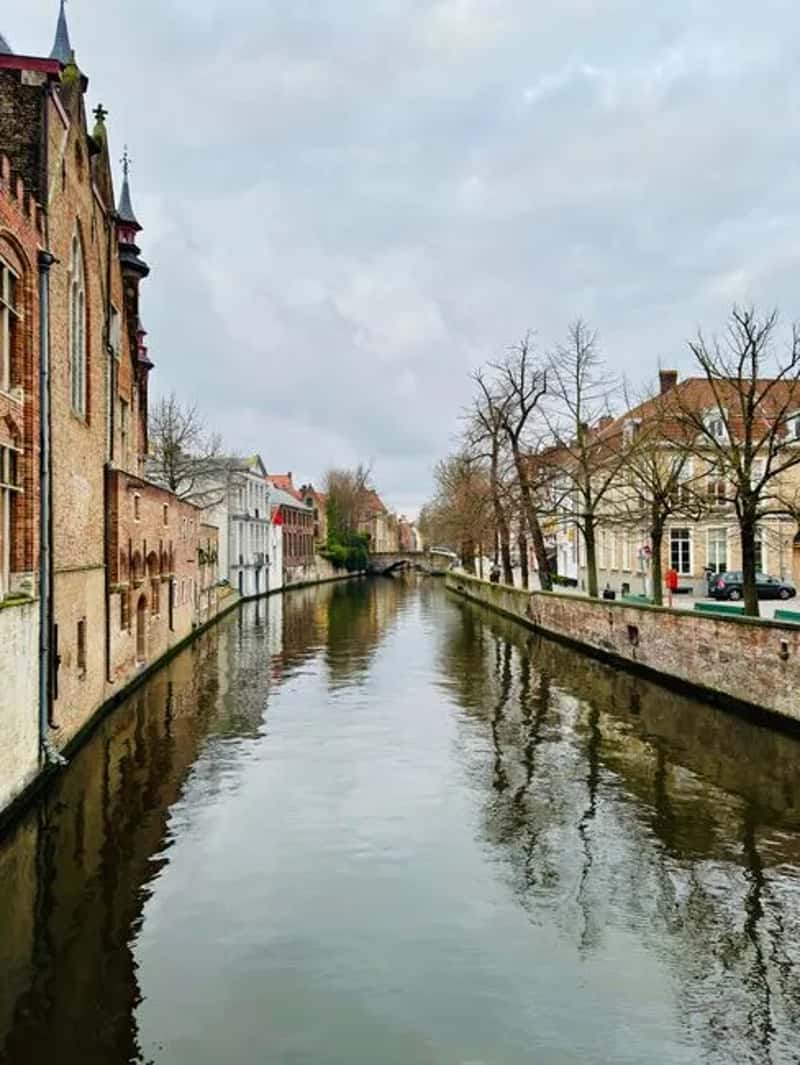
Bruges rarely tops mainstream retirement lists, yet it quietly offers one of Europe’s gentlest car free environments. Bruges joined Amsterdam, Copenhagen, and Barcelona on a 2026 step-free European cities list, thanks to a historic center that’s largely flat with manageable cobblestones. That flatness matters for retirees who want to walk comfortably without hills working against them.
Size works in the city’s favor as well. At a modest size of about 35 square miles, it’s compact enough to experience fully in two to three days without excessive walking. For days when legs need a break, canal boats provide an accessible, seated sightseeing alternative, giving retirees a low effort way to keep exploring without ever needing a car.
Colombia

Medellín has spent the past two decades reinventing its public transportation network, and the results show. The city’s metro and cable car system connects hillside neighborhoods to the valley floor, a rarity in Latin American urban planning that has made previously isolated communities genuinely accessible without a private vehicle. Retirees living in central districts like El Poblado or Laureles can typically handle groceries, medical visits, and social outings entirely on foot or via short metro rides.
The appeal extends beyond infrastructure. Medellín’s spring like climate year round removes the seasonal excuses that keep people indoors and reliant on cars elsewhere, while its restaurant and café culture rewards slow, unhurried walking. Retirees who choose Medellín often mention the sense of discovery that comes from exploring a city built around plazas and pedestrian streets rather than highways.
Weighing the trade offs before you move
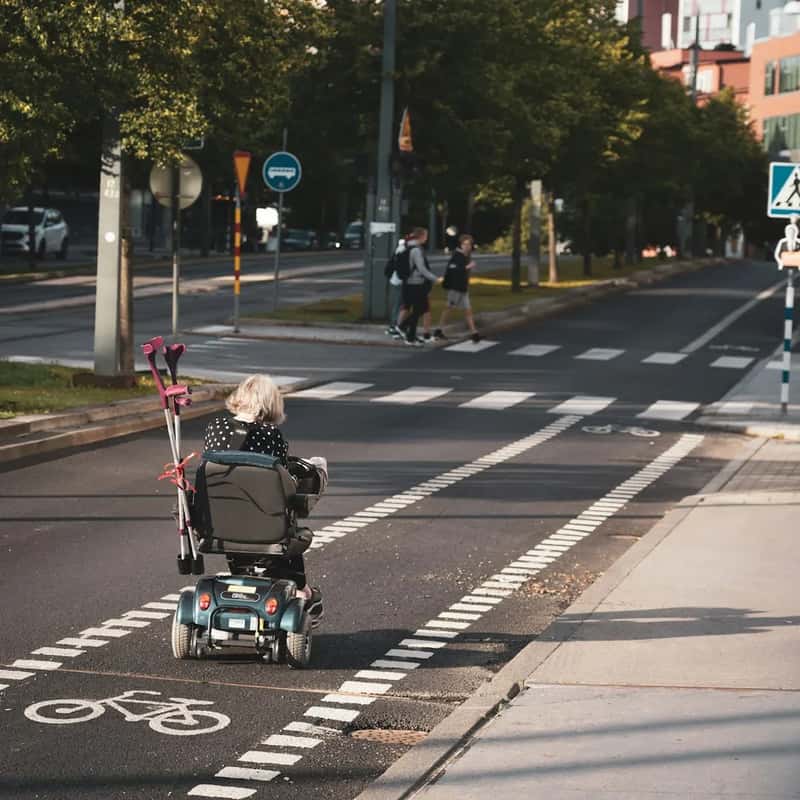
None of these countries make car free living effortless everywhere within their borders. Walkability and transit quality vary sharply between a capital’s historic core and its outer suburbs, and a neighborhood that looks charming in photos can turn out to involve steep hills, poor lighting, or long gaps between bus routes. Visiting before committing, ideally for an extended stay rather than a short vacation, remains the most reliable way to test whether daily errands actually work without a vehicle.
Residency requirements also shift from year to year, particularly as countries like Spain and Portugal periodically adjust income thresholds and documentation rules. Retirees serious about any of these destinations should confirm current visa figures directly with a consulate or licensed immigration attorney rather than relying on figures from a single year. The core appeal, though, holds steady: walkable streets, dependable transit, and the freedom of never having to think about parking again.