A loaf of bread, a carton of eggs, a bag of rice. These are the same items everywhere, yet what they cost can swing wildly depending on which border you happen to be standing behind. Pull up a receipt from a corner shop in Lahore and one from a supermarket in Zurich, and you’d be forgiven for thinking they were priced in entirely different economic universes.
This gap isn’t just trivia for travel bloggers. It shapes how far a paycheck stretches, how retirees choose where to settle, and how much sticker shock a vacationer feels the first time they wheel a cart up to checkout abroad. Below are nine countries where grocery bills stay remarkably low, followed by five where even a short shopping trip can leave visitors doing a double take at the register.
1. Pakistan

Pakistan consistently shows up at the very bottom of global cost indexes, and groceries are a big reason why. The cost of living index places Pakistan at just 19.6, among the lowest values recorded, indicating a significantly lower cost of basic consumption compared with the New York benchmark. Alongside Egypt and Bhutan, it ranks among the cheapest countries in the world, where a person needs under $400 per month to live comfortably.
Local wheat, rice, and produce markets keep staple prices well below what shoppers in Western Europe or North America are used to. Pakistan appears on both major cost-of-living rankings as one of the least expensive countries to live in. For budget-conscious travelers, a market basket that would cost real money elsewhere often barely dents a wallet here.
2. Egypt
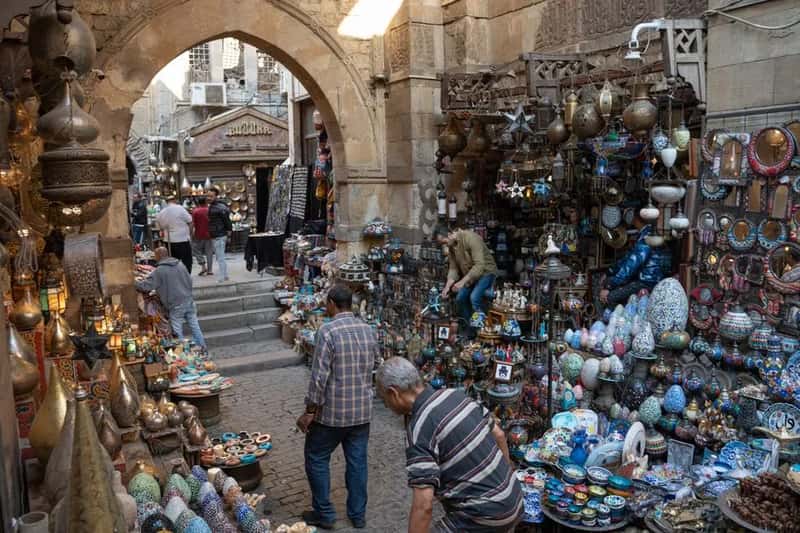
Egypt regularly tops lists of the world’s most affordable places to shop and live. The cheapest country to live in 2026 is Egypt, at approximately $700 per month for a single expat. Alongside Libya and Afghanistan, Egypt ranks among the cheapest nations, with an index value of 21.6.
Cairo’s neighborhood markets and government-subsidized bread programs keep basic food costs manageable for locals and visitors alike. Countries at this end of the spectrum represent living costs roughly 75 to 82 percent lower than New York City, meaning a modest monthly budget covers housing, food, transportation, and utilities that would consume far more in major Western cities. That gap is felt most directly in the produce aisle and the corner bakery.
3. India
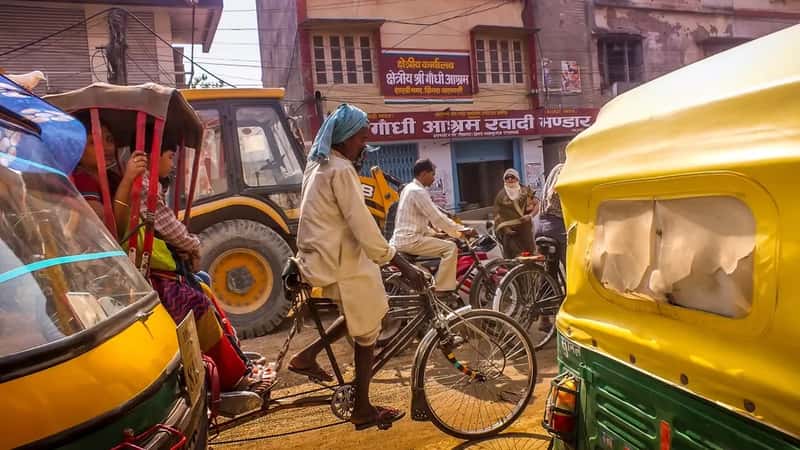
India’s enormous agricultural output and dense local market networks translate directly into some of the cheapest food prices on the planet. India’s cost of living index sits at just 18.9, making it one of the least expensive among the world’s largest economies. A meal for two in India typically comes in under $11, putting it among the most affordable dining destinations tracked globally.
Street food stalls and neighborhood vegetable markets undercut supermarket chains even further. India appears repeatedly on independent rankings of the world’s least expensive countries to live in, alongside Egypt, Pakistan, and Bangladesh. For anyone stretching a travel budget, groceries here go a very long way.
4. Bangladesh
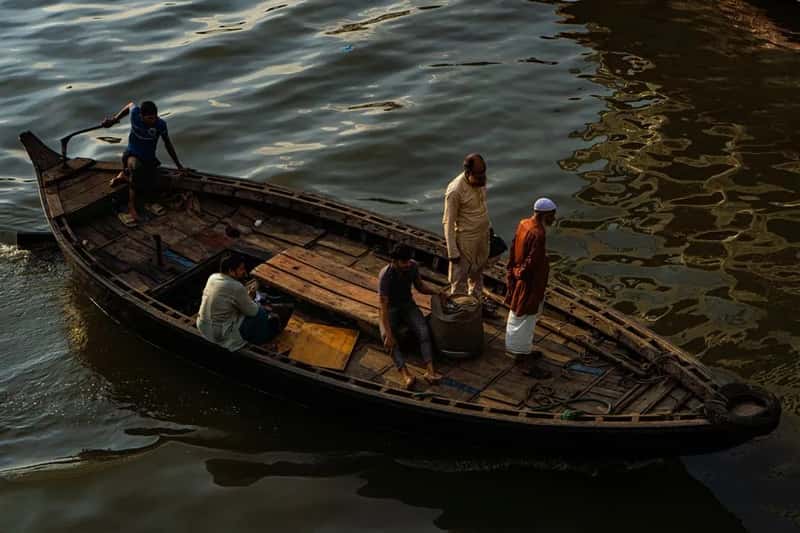
Bangladesh often edges out even its South Asian neighbors when it comes to raw affordability. A meal for two averaged just $9.43 in Bangladesh, the lowest figure recorded in a broad international comparison. That single data point captures why the country consistently lands near the top of affordability rankings.
Rice, lentils, and fish, the backbone of the local diet, remain inexpensive thanks to domestic production and short supply chains. Bangladesh shows up on both Living Cost’s and Numbeo’s lists of the least expensive countries to live in. Shoppers here rarely feel the kind of price pressure that has become common in wealthier economies.
5. Nepal
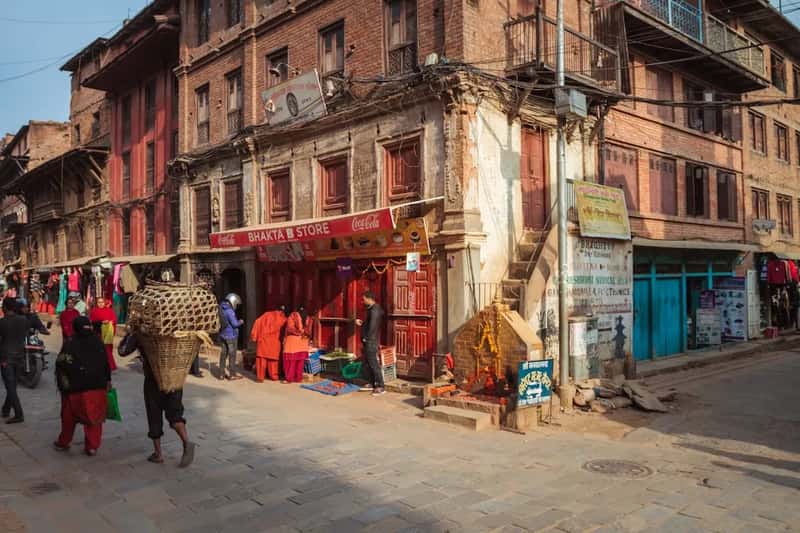
Nepal’s mountainous terrain hasn’t stopped it from becoming one of the most budget-friendly countries for everyday shopping. Nepal ranks among the cheapest countries to live in 2026, with a comfortable monthly budget of around $600. Alongside Pakistan, Egypt, Bhutan, and Burundi, it’s one of the countries where locals spend less than $430 a month to live comfortably.
Local grain and vegetable markets in Kathmandu and beyond keep grocery baskets light on the wallet even as tourism grows. Nepal also appears on multiple independent lists of the world’s least expensive countries. It’s a rare case where natural beauty and low food costs coexist comfortably.
6. Libya
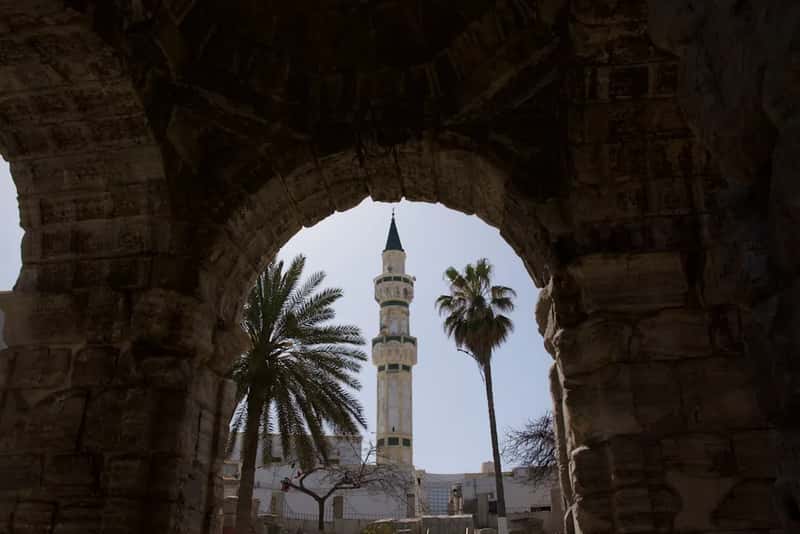
Libya’s economy has been shaped by years of instability, but one side effect is unusually low consumer prices. Libya posts a cost of living index of 18.3, among the very lowest values recorded anywhere in the world. It ranks among the cheapest nations globally, alongside Egypt and Afghanistan.
Grocery prices reflect broader economic pressures rather than deliberate affordability, but the outcome for shoppers is similar: very low sticker prices on basic goods. Libya appears on both major independent rankings of the world’s least expensive countries to live in. It’s a reminder that low prices don’t always signal an easy or stable place to live.
7. Tunisia
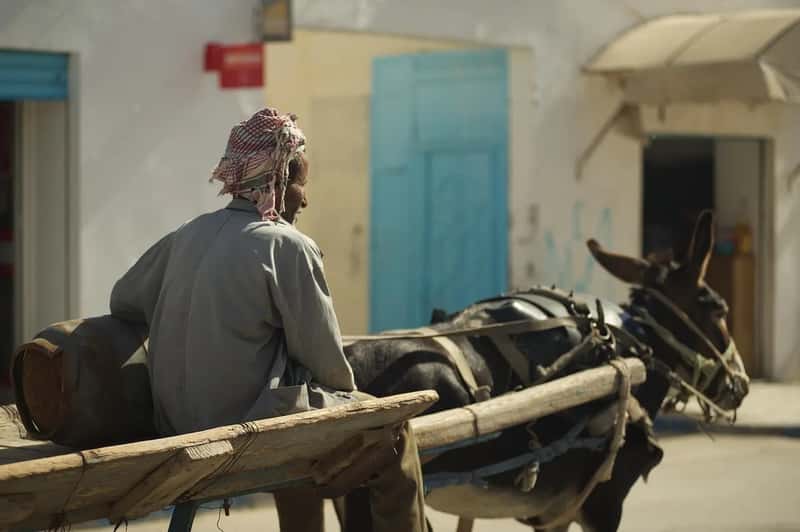
Tunisia rounds out the North African contingent of ultra-affordable grocery markets. It appears on both Living Cost’s and Numbeo’s lists of the least expensive countries to live in, alongside Egypt, Pakistan, Libya, Bangladesh, India, and Nepal. Local produce, olive oil, and bread stay inexpensive thanks to a strong domestic agricultural base.
Coastal markets and inland souks offer fresh goods at prices that rarely rattle even the most price-sensitive traveler. The country’s cost structure mirrors much of the region, where wages and prices sit well below European or North American norms. For visitors used to higher food costs at home, Tunisian markets can feel almost like a discount.
8. Vietnam

Vietnam has built a reputation among long-term travelers and digital nomads precisely because groceries and dining stay so cheap. It’s one of the cheapest countries to live in 2026, with a comfortable monthly budget around $800. In Vietnam, $75 is enough for two people to eat out every working day of the week, an amount that wouldn’t even cover a single restaurant meal for two in Norway.
Local wet markets selling fresh produce, herbs, and seafood keep home cooking remarkably affordable in cities like Hanoi and Ho Chi Minh City. That contrast with Nordic prices isn’t a fluke; it’s a snapshot of just how far grocery costs can diverge between two otherwise developed travel destinations. Vietnam remains one of the clearest examples of a country where a modest budget buys a genuinely comfortable food life.
9. Bhutan
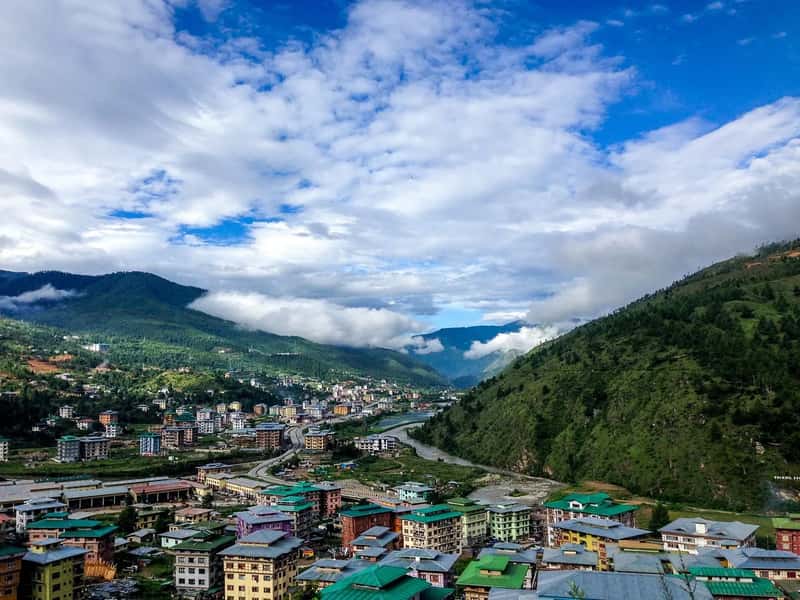
Bhutan rarely makes typical travel-cost headlines, but its grocery prices place it firmly among the world’s cheapest. Alongside Pakistan and Egypt, Bhutan is one of the cheapest countries in the world, where a person needs under $400 per month to live comfortably. It’s also grouped with Pakistan, Egypt, Nepal, and Burundi as a country where locals spend less than $430 monthly on everyday living.
Bhutan’s controlled tourism model, which limits visitor numbers through daily fees, doesn’t extend that premium pricing to local grocery markets. Rice, vegetables, and dairy from small mountain farms remain priced for local incomes rather than international travelers. It’s a country where low cost of living coexists with a famously high emphasis on quality of life.
10. Switzerland

Switzerland sits at the opposite extreme, and its supermarkets are often the first place tourists feel the country’s reputation for expense. At the beginning of 2026, Switzerland ranked among the most expensive territories worldwide, with a cost of living index of 110.7. Switzerland tops the European price chart, with price levels sitting 74 percent above the EU average.
The grocery aisle drives much of that gap. Switzerland consistently ranks as the world’s most expensive country for groceries, holding the crown for the highest prices on bread, cereals, meat, and fish among all European nations. Geneva alone sees grocery prices roughly 5 percent higher than in New York City, one of the priciest cities in the world by most measures. Visitors who assume a quick supermarket run will save money compared to eating out are often surprised how little the gap actually is.
11. Iceland
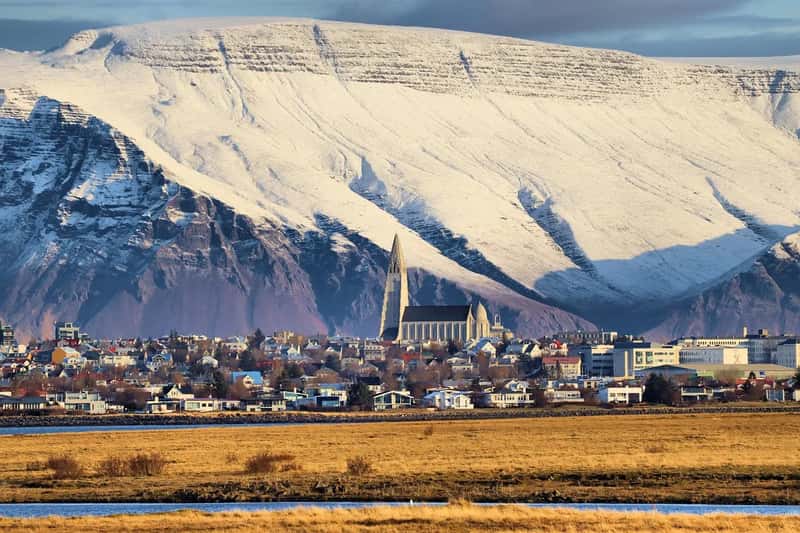
Iceland has recently pulled ahead of even Switzerland in some rankings of overall expense, and food is a major contributor. Iceland is again the world’s most expensive country, surpassing Switzerland for the first time in years, according to calculations by a local trade union. Food prices in Iceland exceed those in the other Nordic nations by 44 percent, with dairy and eggs costing 75 percent more and meat 71 percent more expensive.
Tourism has amplified the effect rather than softened it. Tourism is described as a huge contributor to services inflation, with demand pressure from visitors pushing wages, and by extension prices, upward. Iceland was named the most expensive popular tourism destination for 2025 in one industry study, with average vacation costs exceeding $400 per day. A quick stop for snacks and drinks can end up costing far more than travelers expect.
12. Norway
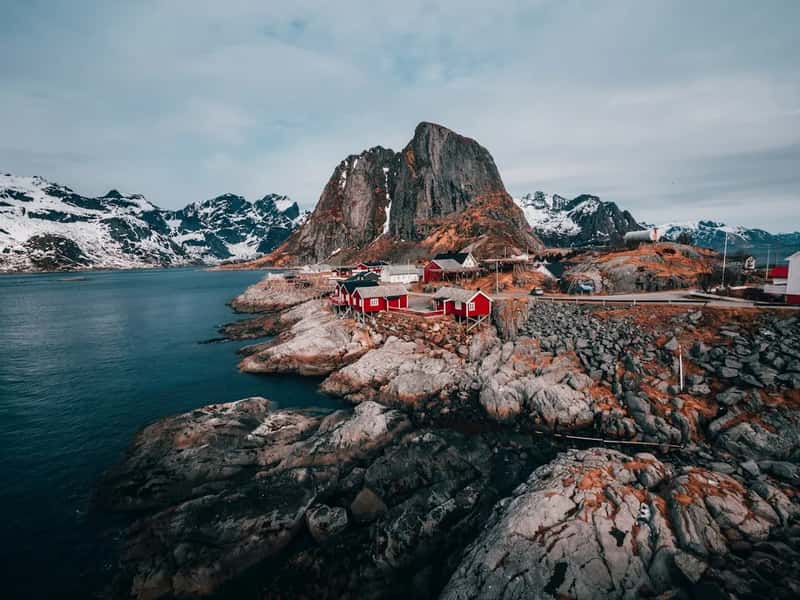
Norway’s fjords and northern lights draw crowds every year, but its grocery stores rarely get the same praise. Norway’s grocery prices stand 73 percent higher than the EU average, making it Europe’s second most expensive country for food shopping. It commands Europe’s highest prices for dairy products including milk, cheese, and eggs, with prices 74 percent above EU averages.
Meat and prepared foods aren’t spared either. Meat prices run 55 percent above EU standards, while items like sauces and ready meals cost 90 percent more than European averages. Travelers can expect to spend an average of €153 per day in Norway, a figure driven partly by these elevated food costs. Locals have adapted their habits over decades, but for a visitor filling a cart for the first time, the totals can feel jarring.
13. Denmark
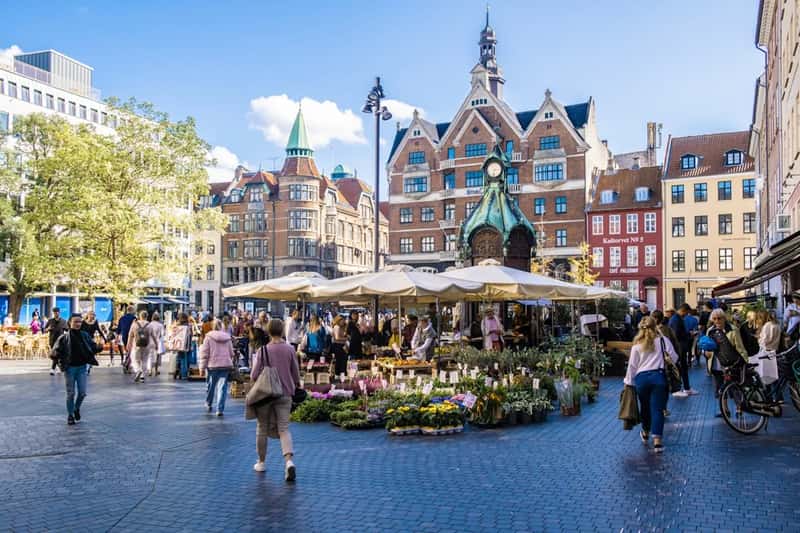
Denmark doesn’t always make headline lists of the world’s most expensive countries, but its food prices tell a clear story. Food prices in Denmark run at least 10 percent higher than the EU average, at €119.3 on the comparative index, placing it just behind the Nordic and Alpine leaders. A restaurant meal for two in Denmark averages $88.25, trailing only Iceland and Switzerland in that comparison.
That combination of high grocery and dining prices catches many first-time visitors off guard, especially those arriving from other parts of Europe expecting costs similar to neighboring Germany. Copenhagen’s supermarkets carry premium price tags on everyday staples like dairy and bread, reflecting the country’s high wages and strong currency. For tourists used to budgeting by Southern European standards, a Danish grocery receipt can be an unwelcome surprise.
14. Luxembourg

Luxembourg rarely appears in casual conversations about expensive travel destinations, yet its grocery bills rival those of far more famous high-cost countries. In 2025, Luxembourg was the most expensive country in the European Union for food, with prices 23 percent above the EU average. That places it ahead of larger, more tourist-heavy nations on pure food cost alone.
The country’s small size and high wages help explain the pattern, but it doesn’t soften the impact at checkout for visitors. The comparison covers 27 EU countries plus EFTA and candidate nations, with results expressed as price level indices relative to the EU average. A short grocery run in Luxembourg City can end up costing noticeably more than the same basket just across the border in France or Belgium, catching many travelers by surprise.
Put side by side, these fourteen countries map out just how uneven the global grocery landscape really is. A shopper in Dhaka or Kathmandu can fill a bag for the equivalent of a single coffee in Reykjavik or Geneva. None of this is fixed forever, currencies shift, inflation ebbs and flows, and tourism pressure keeps reshaping local prices, but the underlying pattern has held steady for years. For travelers, the lesson is simple: check a price index before assuming any two countries cost the same to feed yourself in.