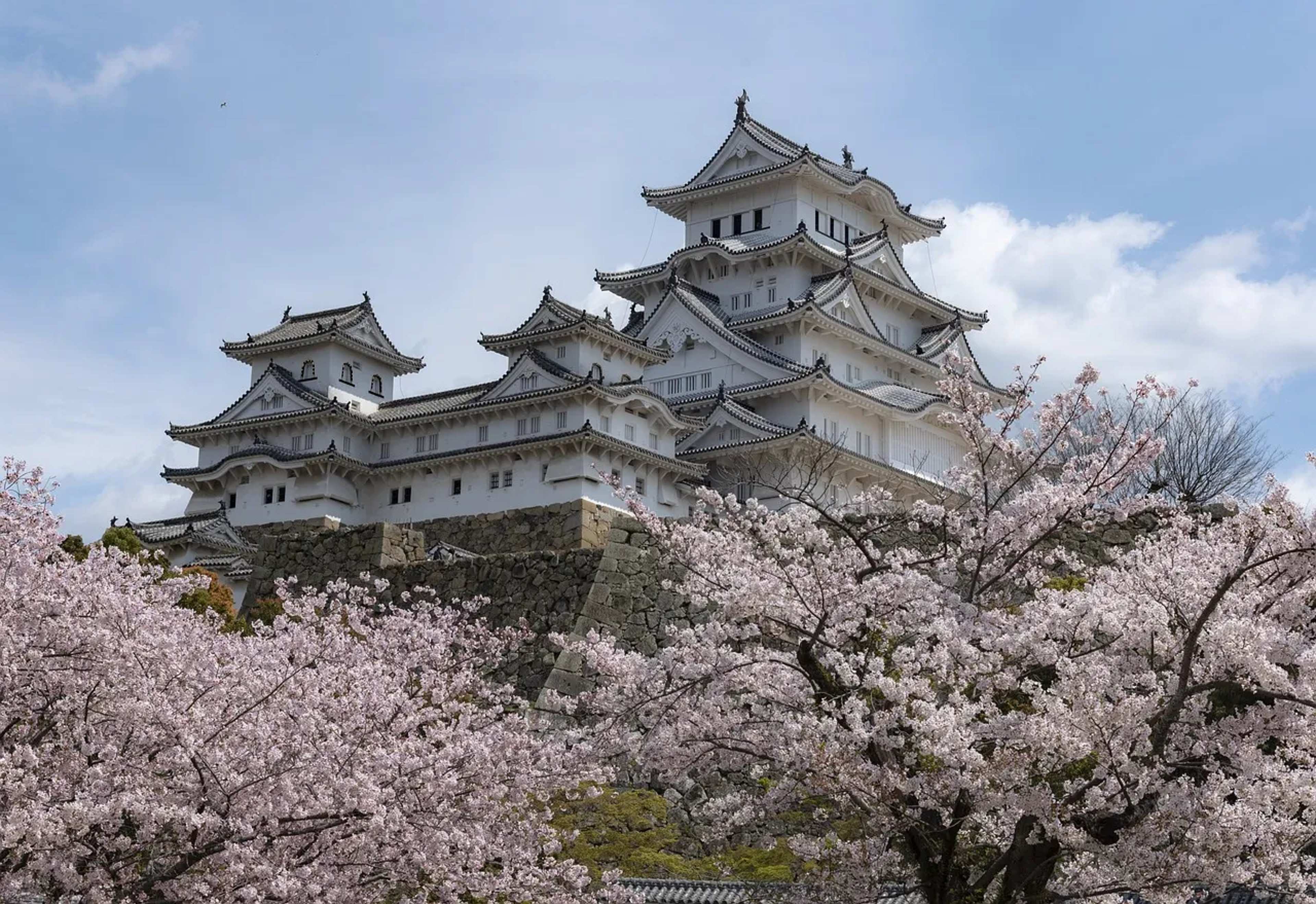
Literacy sounds like a simple thing to measure. Either you can read a sentence or you can’t. Yet when you look closely at how nations report this figure, the picture gets more interesting, and a small group of countries consistently claims the very top spot: a full 100 percent literacy rate.
These nine countries span very different regions, political systems, and population sizes, from tiny European microstates to a reclusive East Asian nation. What connects them is a shared claim to universal literacy among adults aged 15 and older, based on data compiled by organizations tracking global education statistics.
Andorra
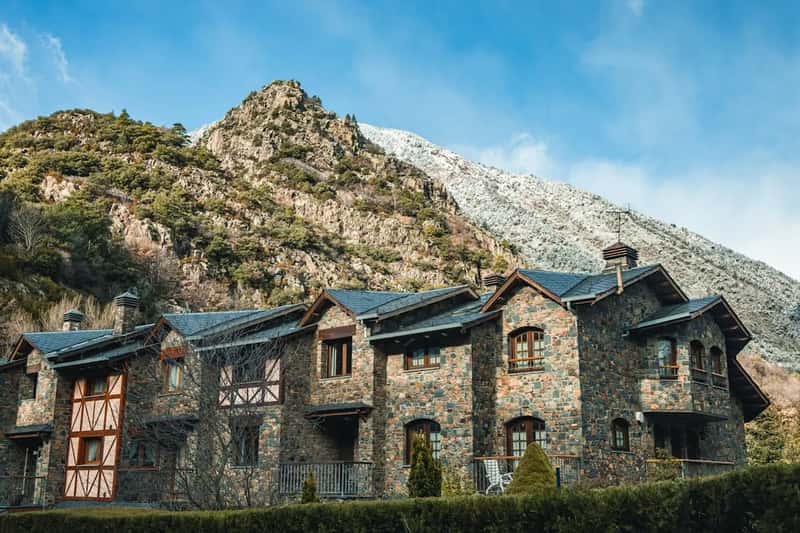
Tucked into the Pyrenees between France and Spain, Andorra is one of the smallest countries in Europe, yet it consistently reports a literacy rate of one hundred percent. Andorra’s free and compulsory educational system, running through age 16, reflects its unique geographic location and tripartite cultural diversity, with primary age children divided among Andorran, French, and Spanish medium schools. The core teaching language is Catalan, with French, English, and Spanish taught alongside it.
What makes Andorra’s case notable is that it has a 100% literacy rate despite ranking 187th out of 201 countries on GDP spent on education, at just 1.9% of GDP in 2023. That suggests the outcome has more to do with the country’s tiny population and long-standing tradition of universal schooling than with sheer spending. Andorra’s multilingual approach, splitting instruction across three language systems, seems to reinforce rather than complicate reading skills for most residents.
Finland
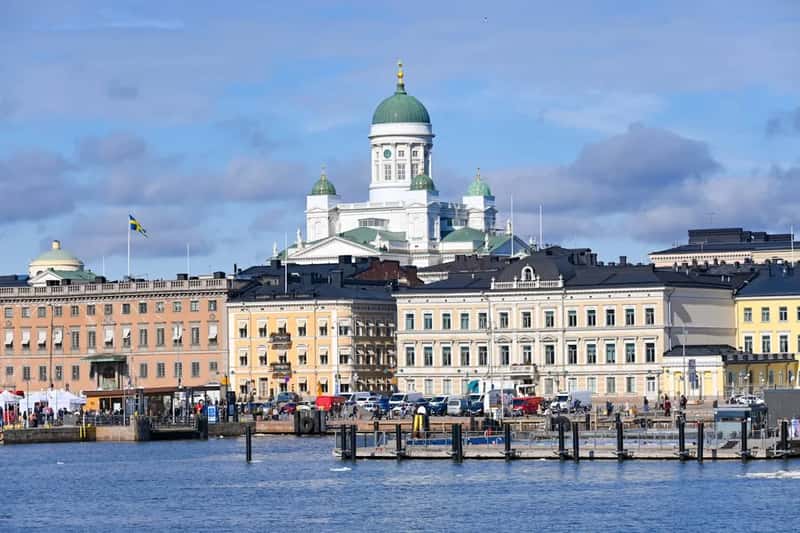
Finland’s reputation as an education powerhouse extends well beyond basic literacy figures. The country regularly performs among the top nations on international reading assessments for teenagers, not just adult self-reported literacy. It consistently ranks as one of the top-performing countries in the OECD PISA assessments, which measure literacy, mathematics, and science skills among 15-year-olds.
Finnish schools are known for starting formal instruction later than many countries, often around age seven, while investing heavily in early childhood play and teacher training. Finnish young adults aged 16 to 24 demonstrate exceptional proficiency in literacy and numeracy, ranking among the best globally alongside peers in Japan, Korea, and the Netherlands. Digital skills follow a similar pattern, with a large share of Finnish youth scoring well on digital problem-solving tasks compared with the global average.
Greenland
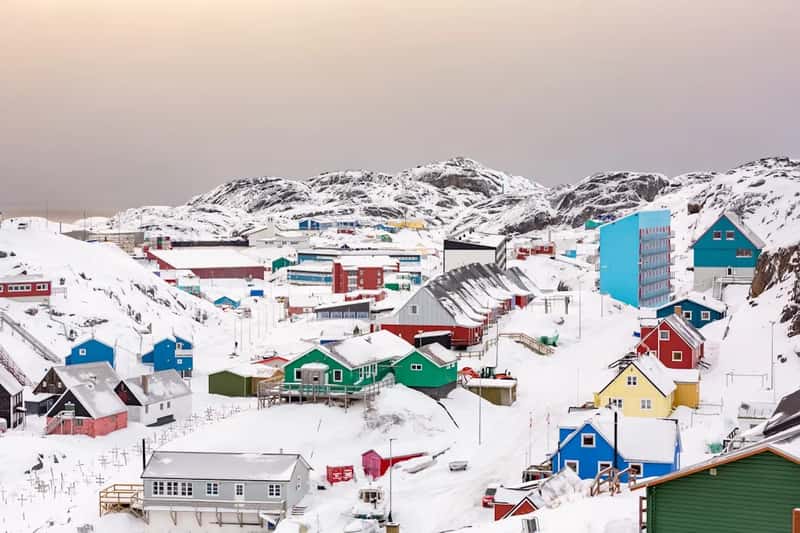
Greenland is an unusual entry on any global list, given its small and scattered population. Greenland, with a population of just over 55,000, has maintained a 100% literacy rate as reported in the CIA World Factbook. Despite its remote Arctic geography, the territory has built a schooling system that reaches nearly every child.
While the official language is Greenlandic, Danish is taught to all children in public schools starting from first grade, and English is also widely taught. Higher education is free for citizens, which removes one of the biggest barriers that keeps literacy rates lower in poorer nations. Support infrastructure matters too: education and access to information are supported by a network of 17 public libraries, 25 school libraries, and one university library.
Liechtenstein
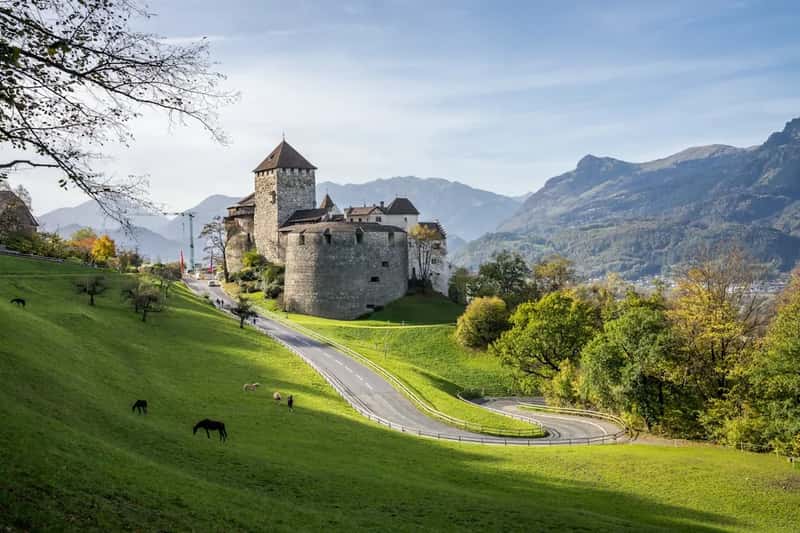
Another European microstate, Liechtenstein combines a small population with significant wealth, a combination that tends to correlate strongly with near-universal literacy. Liechtenstein is a wealthy nation that ensures small class sizes, averaging 12 students per teacher, fostering personalized education. That kind of individual attention makes it easier to catch struggling readers early rather than letting them fall behind.
Like its Alpine neighbors, Liechtenstein benefits from a tightly knit population where nearly every child attends school through the compulsory years. The country’s German-language instruction is standardized and well-resourced, avoiding many of the access gaps that lower literacy in larger, more diverse nations. Its inclusion among the handful of countries reporting perfect literacy fits a broader pattern seen across small, high-income European states.
Luxembourg
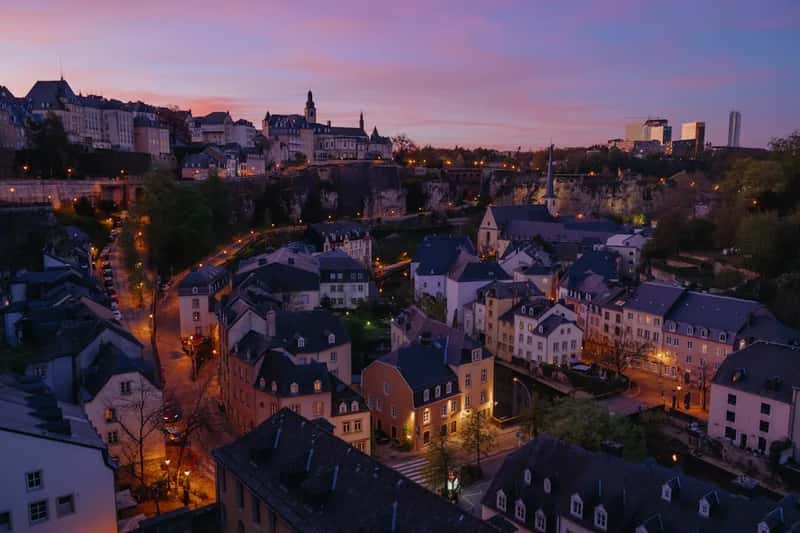
Luxembourg stands out even among wealthy nations for its per capita income, and that wealth translates directly into education spending. Luxembourg has a GDP per capita of $105,996.66 as of 2023, and it invests heavily in multilingual education, preparing students to become literate in French, German, and Luxembourgish.
Handling three languages in the classroom is no small task, yet Luxembourg has built this trilingual approach directly into its national curriculum from an early age. Students typically begin in Luxembourgish, transition into German for literacy instruction, and then add French later in their schooling. The result is a population fluent enough across all three to be counted as fully literate by national and international measures.
Norway
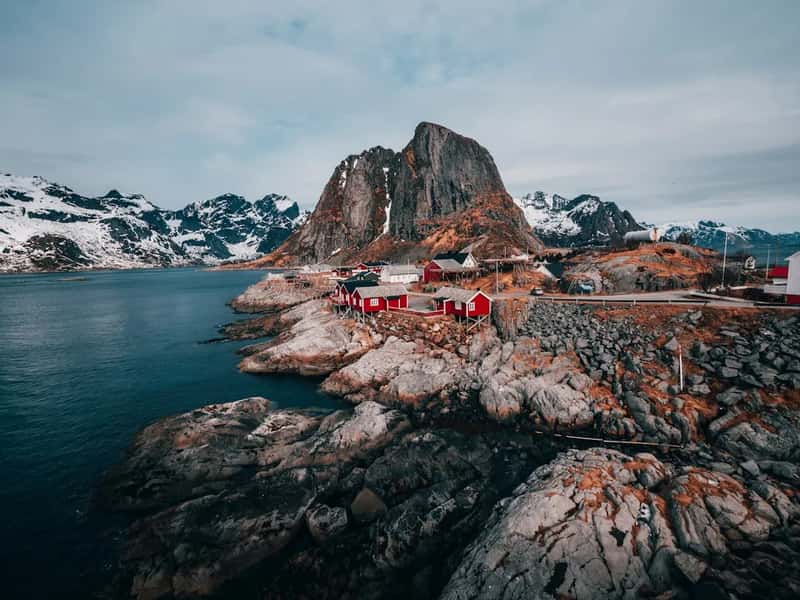
Norway pairs a strong welfare state with one of the highest education budgets per student in the world. Norway provides free education from primary through university levels and allocates $15,000 per student annually in public funding, significantly higher than the global average, and it ranks at the top of education rankings worldwide.
That level of investment shows up not just in literacy figures but across broader measures of educational quality and equity. Norwegian schools emphasize inclusive classrooms and strong public library access, which keeps reading resources available regardless of a family’s income. Combined with a small, relatively homogeneous population and decades of stable governance, these factors help explain why Norway sits comfortably among the countries claiming universal literacy.
Ukraine
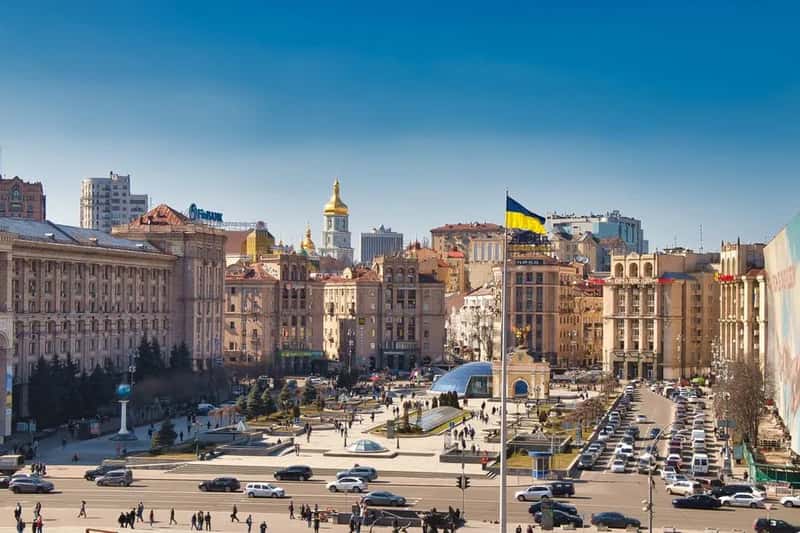
Ukraine’s place on this list carries extra weight given the ongoing war since Russia’s 2022 invasion. Ukraine’s high literacy rate is the outcome of the country’s long history of a strong education system, rooted in the Soviet legacy of free, compulsory education and sustained post-independence reforms.
Historical figures put Ukraine’s adult literacy rate at around 99.97 percent, supported by free public education offered for 11 years, from age 6 to 15. Whether that figure has held steady through years of conflict and disrupted schooling is genuinely uncertain, since there is potential for the literacy rate to decrease due to the war, and no recent statistics have been available since it began. Most rankings still list Ukraine near the top based on pre-war data, a reminder that these figures can lag behind fast-changing realities on the ground.
Uzbekistan
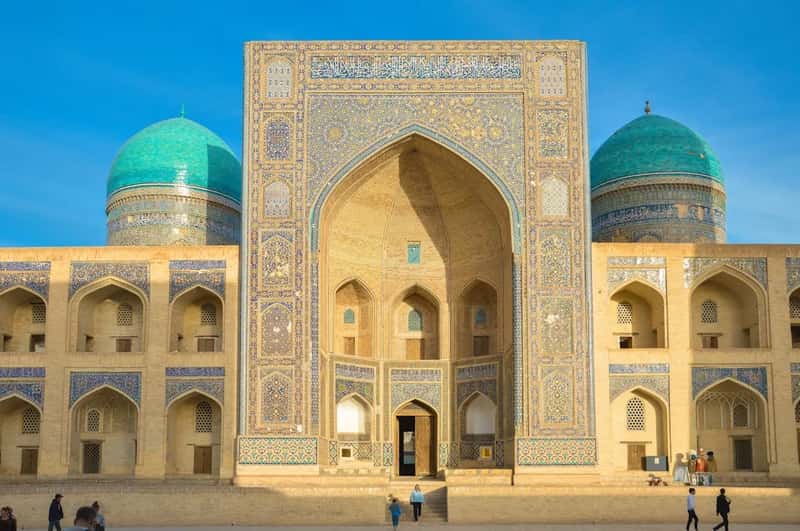
Uzbekistan’s near-universal literacy traces back to an ambitious Soviet-era campaign to eliminate illiteracy across Central Asia, a legacy the country has maintained since independence. Uzbekistan’s literacy rate is the result of the country’s continued investment in its public education system, ensuring it remains mandatory and free through the secondary level after gaining independence from the Soviet Union.
That inherited infrastructure of schools, teacher training programs, and mandatory attendance policies has proven durable across three decades of independent statehood. Post-Soviet states like Uzbekistan, Belarus, and Kazakhstan, still operating on the infrastructure of socialist mass education, report rates between 99.6% and 100%. It is a good example of how political history, not just current wealth, shapes literacy outcomes.
North Korea
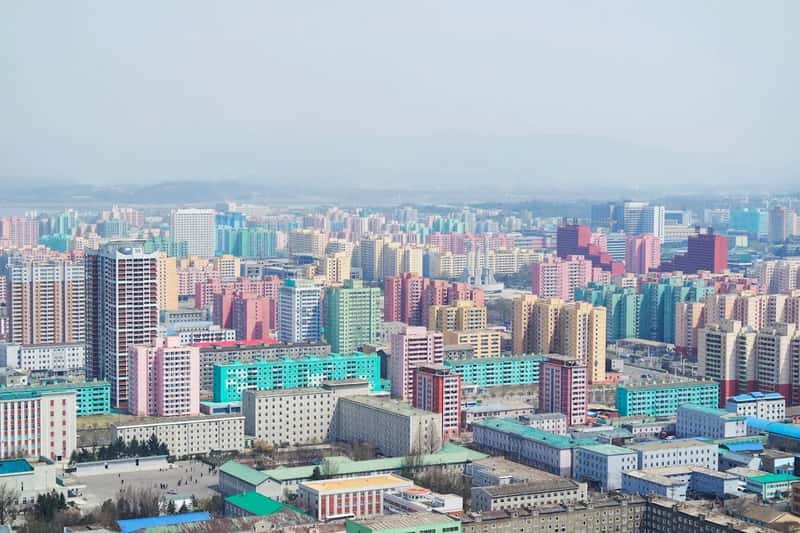
North Korea’s inclusion on this list is the most debated entry by far. The country reports full adult literacy, and its success is attributed to free education that has traditionally been compulsory for 11 years, from ages four to 15, in state-run schools, with preschool through secondary schooling provided free and mandatory alongside near-universal school attendance.
Independent verification, however, is essentially impossible given the country’s closed political system. The claim is not considered credible by most independent observers, largely because the lack of independent verification and the government’s tight control over information make it impossible to confirm the accuracy of the figure. The number still appears in datasets like the CIA World Factbook and gets cited in most global rankings, but it deserves to be read with more skepticism than the other entries on this list.