Traveling across Europe used to mean juggling phrasebooks and hand gestures, but that reality has shifted dramatically over the past two decades. In a growing number of European nations, English has become so deeply woven into daily life, education, and business that visitors can order coffee, book a hotel, or ask for directions without ever needing to speak a word of the local tongue.
The latest EF English Proficiency Index, which draws on test results from millions of non-native speakers worldwide, confirms just how far this trend has gone. EF released the 2025 edition of its EF English Proficiency Index, the world’s most comprehensive ranking of adult English skills across 123 countries and regions. The following nine countries top that European list, and each one offers travelers a remarkably smooth linguistic experience.
1. The Netherlands
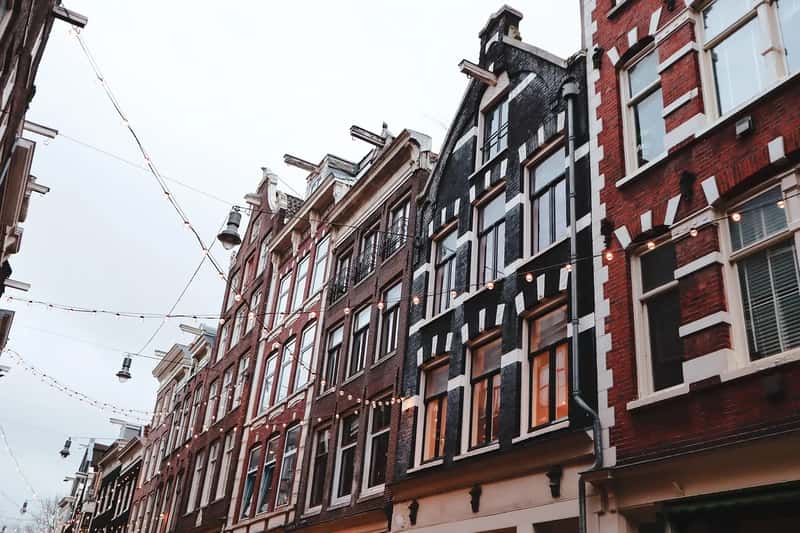
The Dutch have made a habit of topping global English rankings, and the streak shows no signs of stopping. In the 2025 edition, the Netherlands sits at number one out of 123 countries and regions, holding the very high proficiency band and ranking first among 37 European nations, with a score of 624 points. This marks an extraordinary run of consistency, since the country has now claimed the top spot for the seventh year running according to some tracking of the index’s history.
Amsterdam deserves special mention within this success story. According to EF’s data, the city with the highest English proficiency in the Netherlands is Amsterdam, and people living in the Dutch capital are the best non-native English speakers in the world. Dutch television rarely dubs foreign content, schools introduce English early, and the language’s Germanic roots make it a relatively easy jump for native Dutch speakers, all of which adds up to near-universal fluency in tourist-facing situations.
2. Croatia
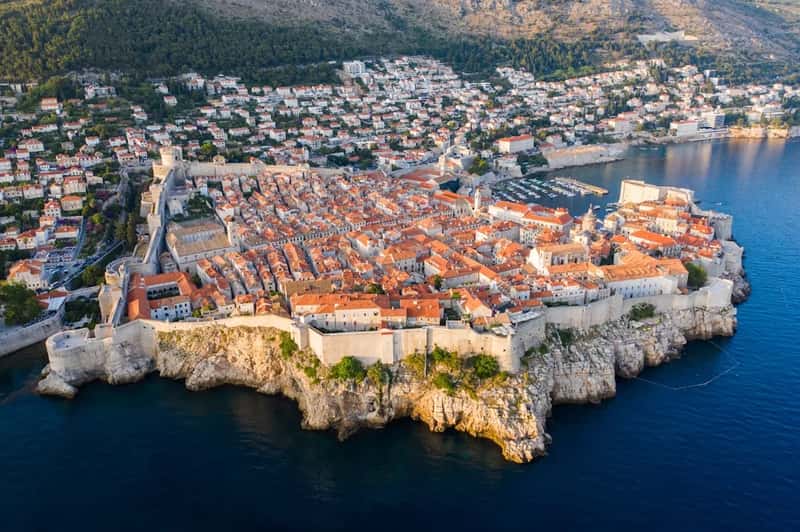
Croatia’s rise up the rankings has been one of the more pleasant surprises in recent years, and it now sits comfortably as Europe’s runner-up. Croatia ranks second in the 2025 EF EPI with a score of 617, placing it firmly in the very high proficiency category. This is a notable jump for a country whose tourism industry has boomed thanks to coastal destinations like Dubrovnik and Split.
Much of Croatia’s English fluency can be traced to its heavy reliance on tourism revenue along the Adriatic coast, where hospitality workers, guides, and shop owners routinely interact with English-speaking visitors from across the globe. Younger Croatians in particular have grown up with subtitled rather than dubbed English-language media, a factor that consistently correlates with stronger listening and speaking skills across Europe. Visitors exploring the historic old towns or island-hopping through the Dalmatian coast will find English spoken confidently almost everywhere they go.
3. Austria
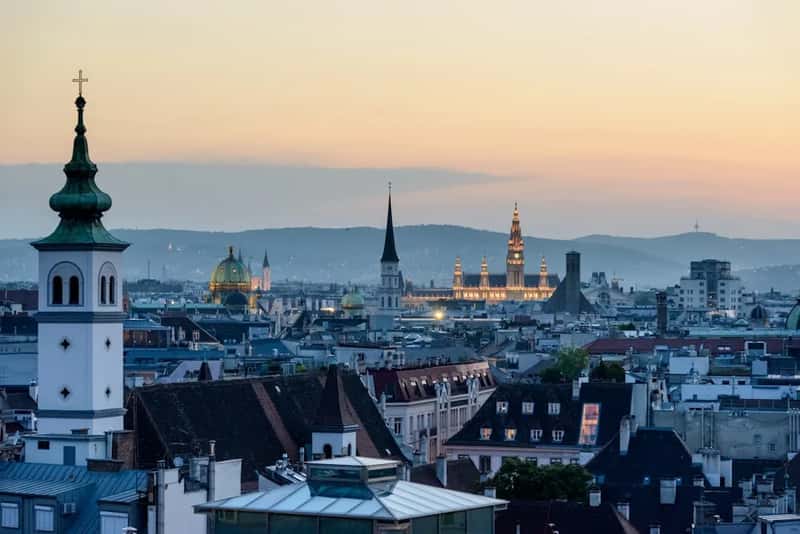
Austria has quietly become one of the most English-friendly countries on the continent, buoyed by its role as an international hub. Austria ranks third in the 2025 index with a score of 616, also within the very high proficiency band. Vienna’s status as a global diplomatic center plays a significant part in this achievement.
Austria’s score placed it firmly in the very high proficiency band alongside its northern and western European neighbors, with Vienna’s role as a hub for international organizations, from the United Nations to various diplomatic missions, keeping English in constant use across white-collar sectors of the economy. That international atmosphere trickles down to everyday life, meaning tourists visiting Salzburg’s music festivals or Vienna’s museums can expect fluent English from hotel staff, waiters, and shopkeepers alike.
4. Germany
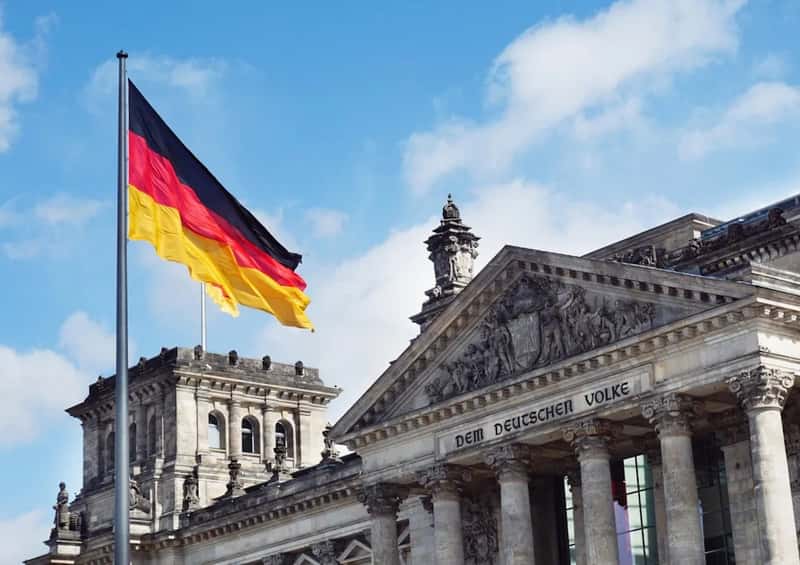
Germany has made one of the most impressive climbs in the entire ranking, and its improvement is hard to ignore. Germany climbed to number four with one of the biggest gains in Europe. That leap reflects sustained investment in language education and a business culture that increasingly operates in English, particularly in tech hubs like Berlin and Munich.
Germany’s fourth-place finish is particularly notable given the size and diversity of its population compared to smaller nations that traditionally dominate these lists. Germany’s fourth-place finish marked one of the more notable movements in the 2025 index. For travelers, this means major cities and even many smaller towns now offer English-speaking staff at hotels, train stations, and restaurants, a shift that would have seemed unlikely a generation ago.
5. Norway

Norway has long been a reliable presence near the top of European English rankings, and 2025 was no exception. Norway placed fifth with a score of 613, keeping it solidly within the very high proficiency category. The country’s relatively small population and strong ties to international trade, particularly in shipping and energy, have historically pushed English fluency higher.
Norwegian television and film distribution rarely relies on dubbing, favoring subtitles instead, which exposes viewers to English dialogue from a young age. Combined with an education system that introduces English instruction early and reinforces it consistently through secondary school, this has produced a population that communicates in English with striking ease. Visitors to Oslo, Bergen, or the fjord regions will typically find that locals switch to English without hesitation the moment they sense a language gap.
6. Portugal

Portugal has emerged as one of the standout success stories among southern European nations. Portugal ranks sixth out of 123 countries and regions in the 2025 index, earning a very high proficiency rating and placing sixth among 37 European nations. This is a particularly strong showing given that Portugal sits alongside northern European countries that have traditionally dominated the upper rankings.
Lisbon and Porto have both become magnets for international remote workers and digital nomads in recent years, a trend that has reinforced English usage in cafes, coworking spaces, and rental housing markets. Portuguese schools have also placed growing emphasis on English instruction, and like Croatia, the country relies on subtitling rather than dubbing for foreign television and film. The result is a country where tourists rarely struggle to communicate, whether they are navigating Lisbon’s trams or exploring the Algarve coastline.
7. Denmark
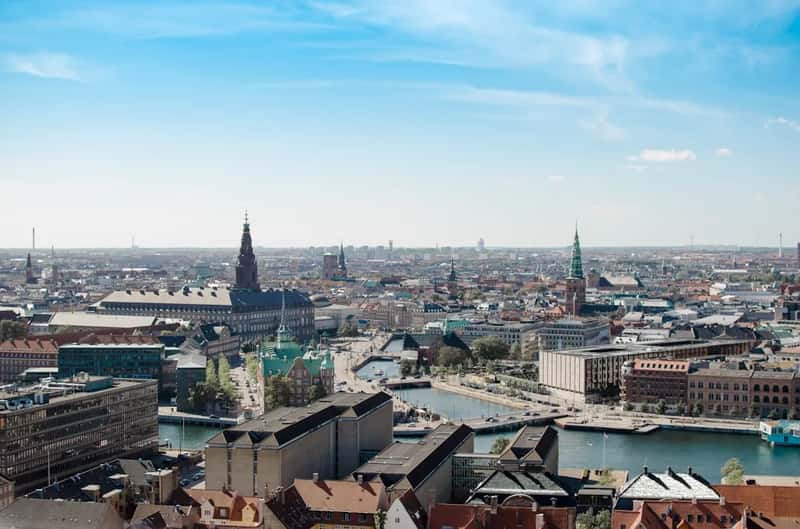
Denmark continues to be one of the most consistently English-proficient nations in the world, year after year. Denmark placed seventh in the 2025 rankings with a score of 611, remaining within the very high proficiency band. This steady performance reflects a national education system that treats English almost as a second native language rather than a foreign subject.
Danish media, much like its Scandinavian neighbors, leans heavily on subtitled English-language programming rather than dubbing, a cultural habit that reinforces listening comprehension from childhood onward. Copenhagen in particular has built a reputation as one of the most linguistically accessible cities in Europe for English-speaking visitors. Hotel staff, restaurant servers, and even casual encounters on the street tend to shift into fluent English almost instinctively.
8. Sweden
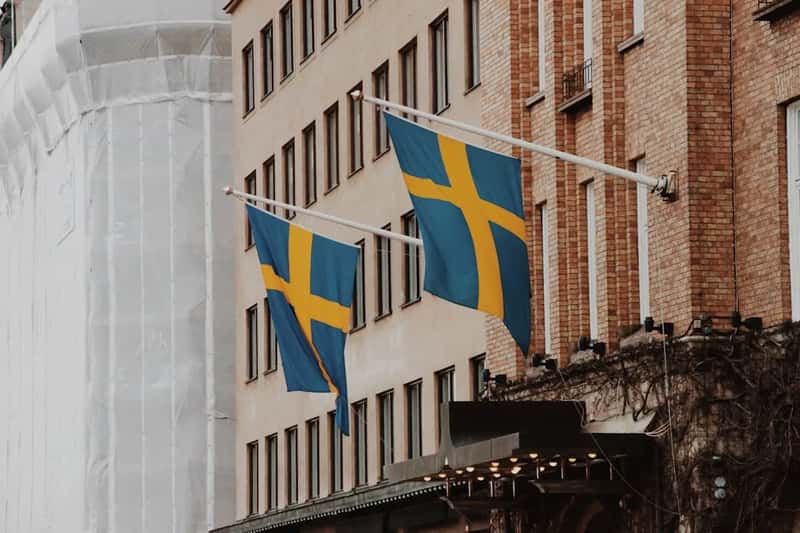
Sweden rounds out the upper tier of Europe’s English-speaking nations with a score that keeps it firmly in elite company. Sweden rounds out the upper half of the ranking with a score of 609, a slight dip from its earlier years near the very top but still solidly in the very high proficiency category. The Swedish approach to language education starts remarkably young and stays intensive throughout schooling.
Swedish schools begin formal English instruction remarkably early, often by age seven or eight, and the subject carries real weight throughout the curriculum. This early start, paired with a media landscape saturated with English-language content, has made Sweden one of the easiest countries in Europe for English-speaking travelers to navigate, whether they’re wandering Stockholm’s old town or hiking through the countryside further north.
9. Belgium

Belgium closes out the top nine, cementing its place among Europe’s most English-proficient nations. Belgium ranks ninth in the 2025 index with a score of 608, placing it within the very high proficiency category. Belgium’s multilingual identity, split between Dutch-speaking Flanders and French-speaking Wallonia, has arguably made English something of a practical bridge language between the country’s own linguistic communities.
Brussels, as the de facto capital of the European Union, hosts an enormous international workforce of diplomats, lobbyists, and EU officials who rely on English as a common working language. That international atmosphere extends well beyond government buildings and into everyday commerce, hospitality, and retail across the city. Visitors to Bruges, Ghent, or Antwerp will also find that English is widely understood, even in smaller shops and family-run restaurants.
What This Means for Travelers

The consistency of these rankings tells a broader story about how English has evolved from a foreign language subject into a practical, everyday tool across much of Europe. Smaller countries with strong trade ties, heavy tourism dependence, or subtitled rather than dubbed media tend to cluster near the top, while larger economies like Germany show that scale is no longer a barrier to widespread fluency. The report also highlights clear regional variations within Europe, where Northern and Central European countries dominate high proficiency levels.
None of this means every single interaction abroad will happen effortlessly in English, since rural areas and older generations can still present pockets of difficulty even within these nine countries. Still, for anyone planning a trip through the Netherlands, Croatia, Austria, Germany, Norway, Portugal, Denmark, Sweden, or Belgium, the odds of hitting a genuine language barrier are lower than almost anywhere else on the planet. Travelers who take the time to learn a few local phrases will still be warmly appreciated, but they can rest easy knowing that fluent English is never far away.