Ask ten travellers to name Europe’s most beautiful city and you’ll likely get ten different answers, plus a heated argument about whether beauty even means the same thing in a canal town versus a hilltop capital. What’s changed in 2026 is that we finally have some real data behind the opinions. Large scale surveys of residents and frequent visitors, rather than a single blogger’s favourites, are starting to reveal patterns in what people actually respond to when they walk through a European city for the first time.
This list draws on that mix of evidence: recent resident surveys, on the ground reporting from travellers who’ve logged dozens of repeat visits, and the kind of architectural and historical detail that explains why certain places keep winning people over year after year. Some of the results will feel familiar. Others might surprise you.
Edinburgh: the city locals themselves call beautiful
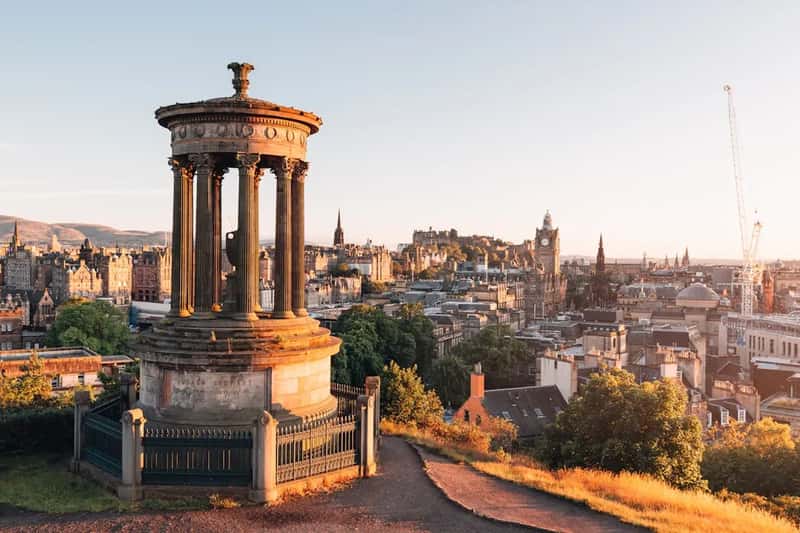
When Time Out surveyed more than 24,000 residents across the world in 2026 about their own cities, Edinburgh came out on top in Europe and second globally, with 84 percent of people it spoke to crediting its loveliness. That’s a striking number for a city so far north, and it points to something travellers have long suspected: the Scottish capital’s mix of architectural eras genuinely works. The same survey placed Edinburgh third overall worldwide and named it the best city in Europe, ahead of much larger capitals.
Residents didn’t just praise the skyline. They also singled out the city’s walkability, food, green spaces and culture as reasons it earns its reputation. Wander from the Georgian crescents of the New Town into the tight medieval closes of the Old Town, and the contrast itself becomes part of the appeal, a city that feels layered rather than uniform.
Lisbon: hills, light, and a river that never quite looks the same twice
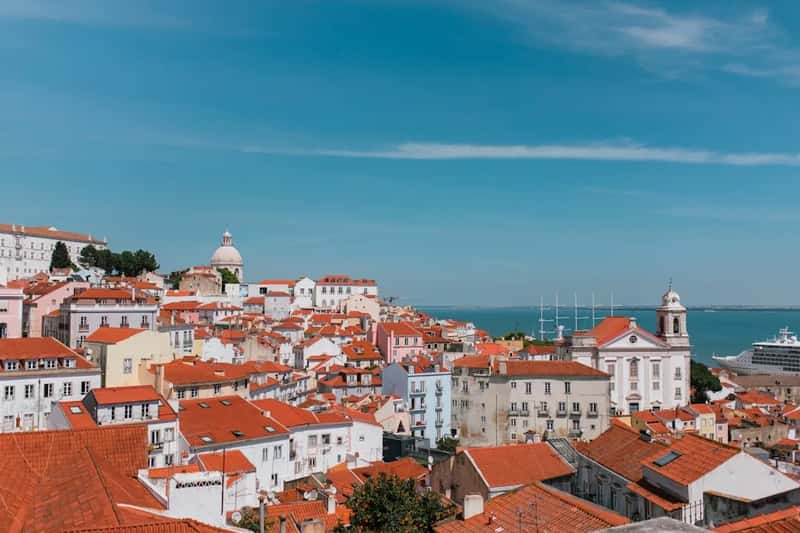
Lisbon landed second in Time Out’s European beauty rankings for 2026, with 74 percent of residents describing their city as beautiful, placing it fifth among all cities surveyed worldwide. That’s a strong showing for a capital that spent years being overshadowed by Paris and Rome in guidebooks. The reasons residents gave line up with what visitors notice immediately: dramatic, hilly streets and sea views that shift with every turn.
Much of Lisbon’s visual identity comes from its topography rather than any single monument. Tram lines climb impossibly steep hills past tiled facades, and viewpoints called miradouros pop up in unexpected corners of the Alfama and Graça neighbourhoods. It’s a city built for wandering without a fixed itinerary, which may explain why so many locals still find it beautiful after a lifetime of living there.
Paris: the boulevards everyone still argues about
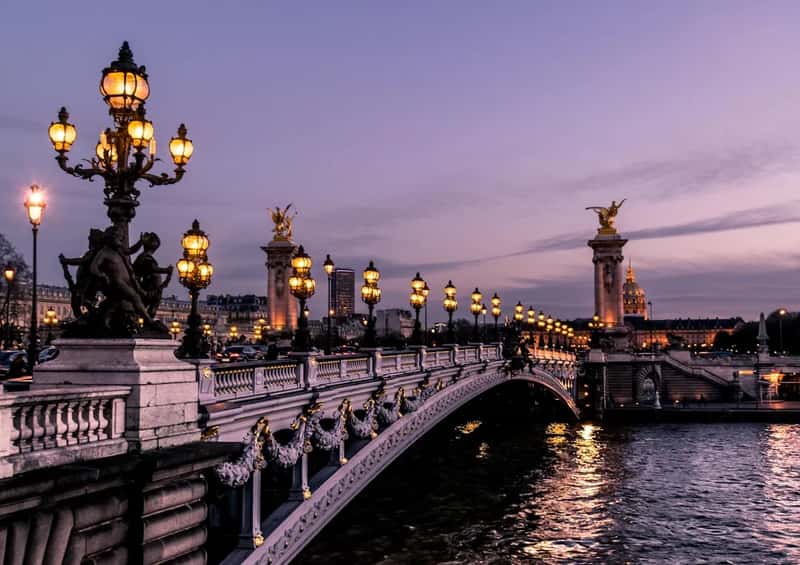
Paris finished third among European cities in the same 2026 resident survey, with 68 percent of Parisians rating their own city as beautiful, and the survey credited the appeal to the French capital’s quintessentially ornate Haussmannian architecture. That uniformity isn’t accidental. Baron Haussmann redesigned around 60 percent of Paris in the 19th century, which is why so much of the city shares the same cream stone facades, wrought iron balconies, and wide sightlines.
Some travellers who’ve spent extended time in the city find that consistency can feel a little repetitive after a while, and pockets like Montmartre stand out precisely because the streets suddenly feel like they belong to a completely different city. Whichever camp you fall into, the Seine’s bridges at golden hour and the sweep of the Champs Élysées remain reference points for what people picture when they imagine European elegance.
Venice: a city with no cars and nowhere else to compare it to
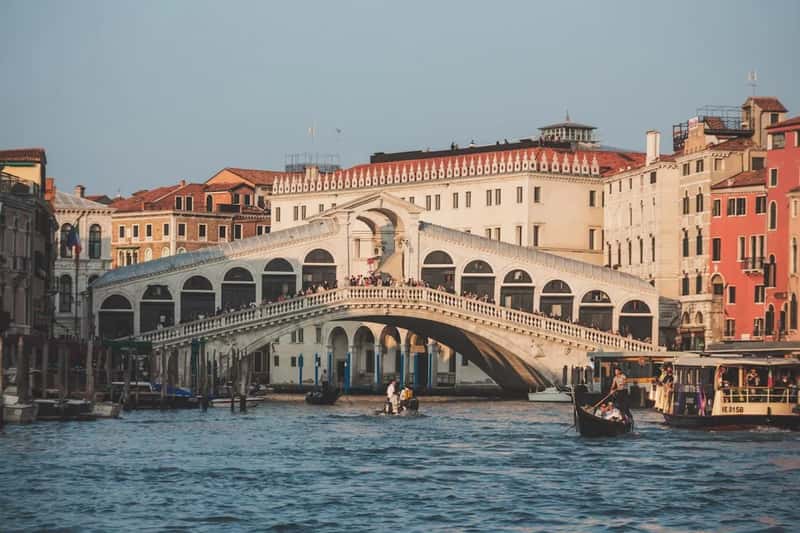
Venice doesn’t need a survey to make this list, though the numbers behind it still surprise people who haven’t looked them up. The city is built across 120 islands, connected by 400 bridges, with zero cars allowed anywhere in the historic centre. That single fact explains almost everything about how the place feels to walk through: no traffic noise, no exhaust, just footsteps and water.
Travellers who return more than once tend to skip the crowded route between St. Mark’s Square and the Rialto Bridge in favour of quieter neighbourhoods. Exploring the Cannaregio and Dorsoduro neighbourhoods offers a look at the authentic city away from the main tourist tracks, and it’s usually in those side canals, away from the gondola traffic, that Venice’s reputation for otherworldly beauty actually makes sense.
Prague: centuries of architecture that somehow survived intact
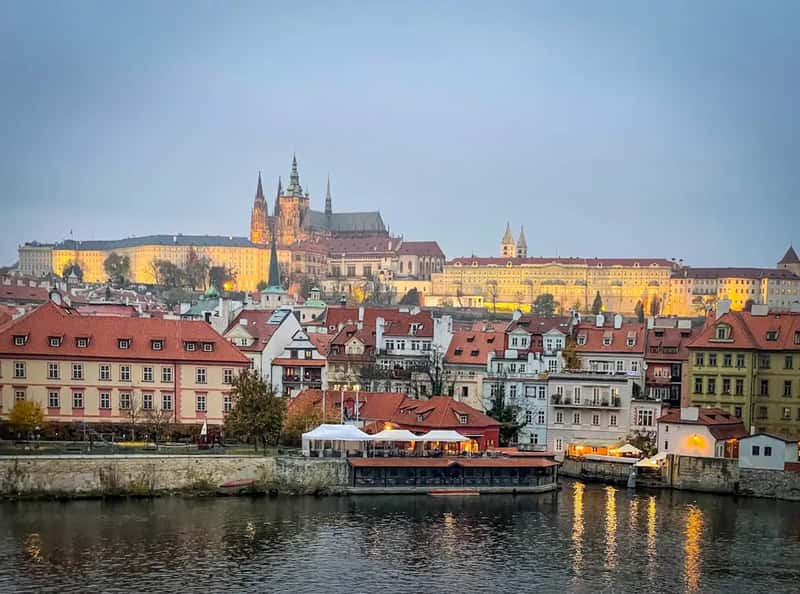
Prague’s old town is unusual in that it wasn’t rebuilt after major wartime destruction the way much of Central Europe was. Gothic, Baroque, and Art Nouveau architecture collide across a few square miles of cobblestone streets that miraculously survived the wars, which is why the skyline looks so cohesive despite spanning several hundred years of styles. Spires, towers, and red rooftops stack on top of each other in a way that few other European capitals can match.
Travellers who venture past Charles Bridge and the Astronomical Clock find that the city hides neighbourhoods with serious culinary momentum like Karlín and Vinohrady. Prague also remains noticeably cheaper than its neighbours, with daily costs significantly lower than in Vienna or Paris, which only adds to its appeal for repeat visitors.
Barcelona: where one architect reshaped an entire skyline
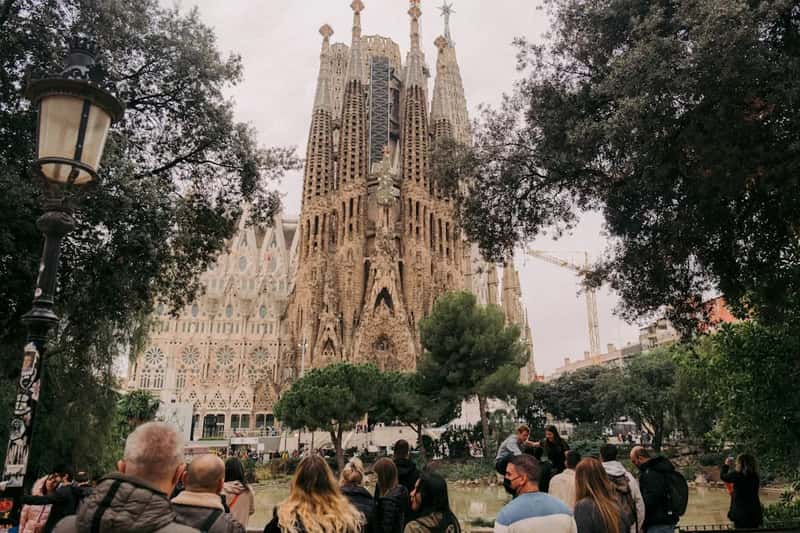
Barcelona’s beauty is inseparable from a single name. Gaudí’s living geometry, with Sagrada Família’s branching columns, Casa Batlló’s curves, and Park Güell’s mosaic color set against Mediterranean horizons, gives the city a visual signature that no other place in Europe has quite replicated. Layered on top of that is the wider urban plan, where Cerdà’s chamfered grid opens airy corners for light and sightlines, while the Gothic Quarter tightens the scale.
The city has also picked up recognition beyond travel blogs. Barcelona appeared alongside Rome on CNTraveler’s most beautiful cities in Europe list, a nod to how consistently it shows up across different rankings and methodologies. For travellers chasing the best light, sunrise at Park Güell before the crowds arrive is still considered one of the city’s quiet rewards.
Budapest: grandeur on both sides of the Danube
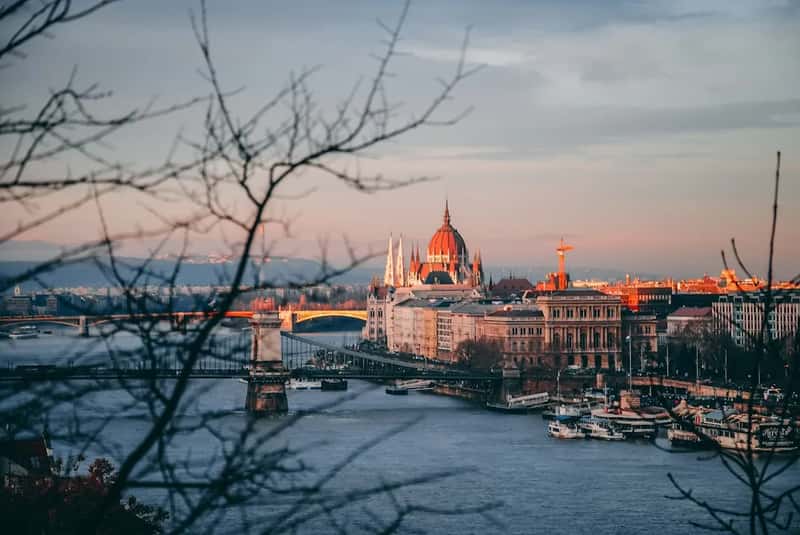
Budapest tends to sneak up on first time visitors who expect a smaller, less dramatic capital. Budapest is an essential stop in central Europe not only for its unique and fascinating history but also for its grandeur and beauty that could rival even Paris, and once you’re standing on one of its bridges at dusk, the comparison doesn’t feel like an exaggeration. The Danube physically splits the city into Buda and Pest, giving it a layout that few other capitals share.
Most of the essential sights sit within reach of the river, since the city is sprawling but mostly walkable, as much of the attractions are centred around the Danube. Crossing over to the Buda side rewards the effort, since Castle Hill and Fisherman’s Bastion offer some of the best panoramic views of the Parliament building and the river below.
Bruges: a medieval town that never quite modernised
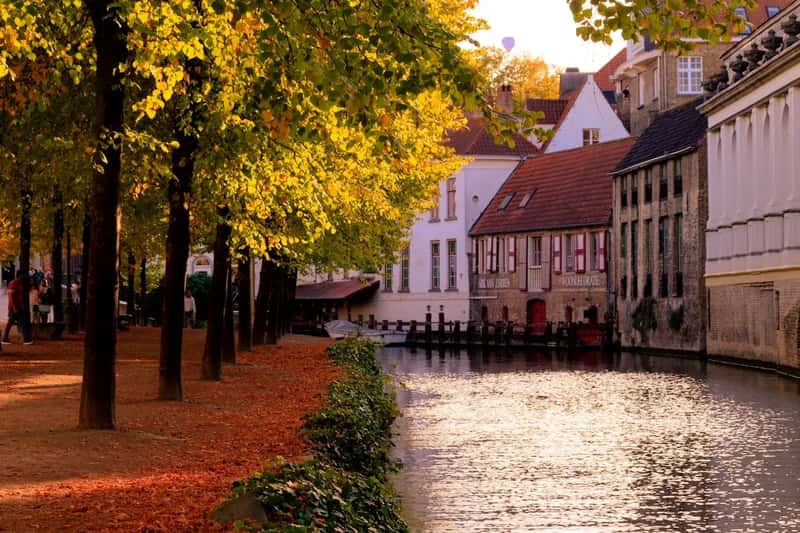
Bruges works almost like a preserved time capsule, and its old town’s UNESCO status reflects that. Canals, Gothic churches and picture-book squares make up a UNESCO-listed old town that feels timeless, often earning it the nickname “Venice of the North.” Unlike some historic centres that feel museum-like and static, Bruges still functions as a working town, with residents going about daily life around the same canals tourists come to photograph.
That balance between charm and authenticity hasn’t gone unnoticed among frequent European travellers. Bruges’ old world charm has an authenticity that isn’t often mimicked in cities when hoards of travellers find out about its existence, yet the town has largely managed to hold onto its character despite the tourist numbers.
Amsterdam: canals, cycling, and a city built on trade
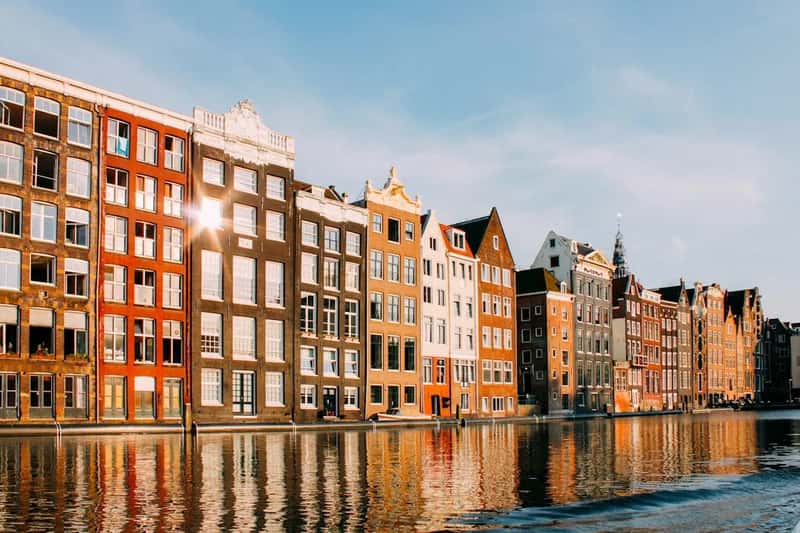
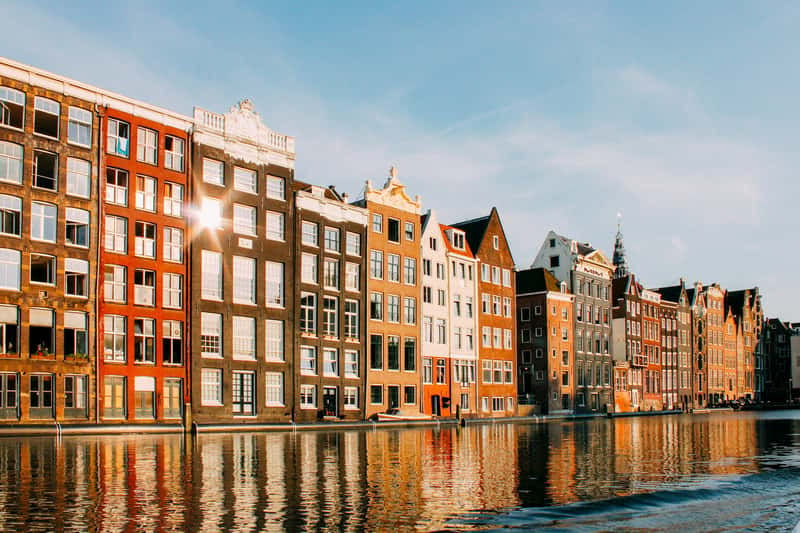
Amsterdam rounds out this list, and its canal ring is the reason why. The historic waterways are UNESCO listed, and the city is often referred to as the “Venice of the North” due to its large number of UNESCO-listed canals. It’s also regularly counted among the world’s greenest cities, a reputation built on decades of cycling infrastructure and canal-side green space rather than any single monument.
The city’s appeal goes beyond scenery, too. Amsterdam ranks fifth in the world and second in Europe in terms of cities with the biggest international traveller spend, proof that its combination of canal houses, museums, and relaxed pace keeps drawing people back long after the novelty of a first visit wears off.