Traveling alone has a way of sharpening every decision, right down to which street to walk down after dark. For solo travelers, safety isn’t an abstract concern tucked into the back of a guidebook. It’s the difference between a trip that feels liberating and one that feels like a constant low hum of worry.
Insurance companies, peace researchers, and government advisories all track this in different ways, and their data doesn’t always agree on rankings down to the decimal point. Still, certain patterns show up again and again. Below is a rundown of nine countries that consistently earn high marks for solo safety, followed by five destinations where recent risk data suggests a bit more planning and caution before you go.
1. San Marino

San Marino, the tiny microstate tucked inside Italy, topped a major 2026 solo travel safety analysis with barely any competition. San Marino topped the ranking with a danger score of just 0.78 out of 10. That’s a remarkably low figure compared to most of the 113 countries included in the study.
Part of what makes San Marino so low risk is simply its scale. With a population under 34,000 and a compact hilltop old town, there’s little room for the kind of anonymity that breeds serious crime. Solo travelers tend to find the pace slow, the streets walkable, and the overall vibe closer to a quiet mountain town than a typical tourist hub.
2. Iceland
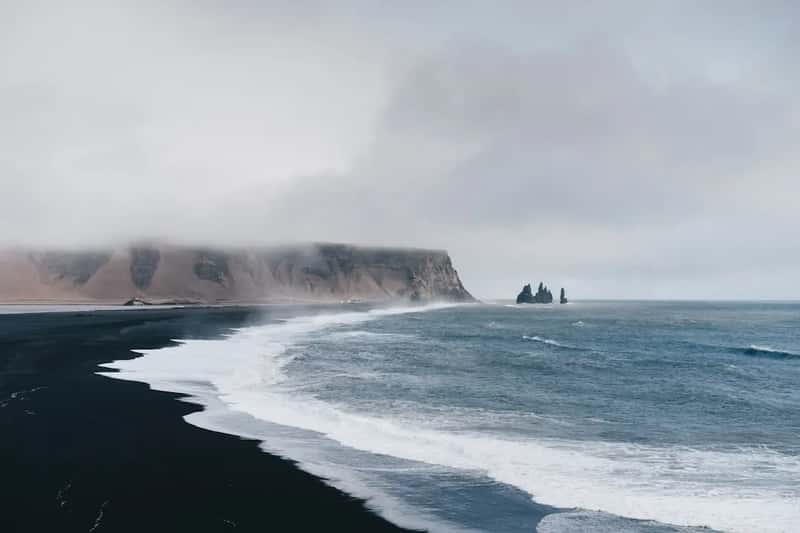
Iceland’s reputation as the world’s safest country isn’t a one-off headline, it’s a streak. Iceland has been the safest country in the world for the 14th year in a row, according to the Global Peace Index. Some sources put that streak even longer, with the Global Peace Index 2025 crowning the same country champion for the seventeenth consecutive year.
What drives that ranking isn’t luck. Qualities that make it the most peaceful nation on Earth include low crime rates, robust education and welfare systems, fair pay for workers, and virtually non-existent tension among the economic classes. For a solo traveler, that translates into empty roads that feel fine to drive alone, hiking trails without a sense of unease, and a culture where strangers helping strangers is fairly ordinary.
3. Ireland
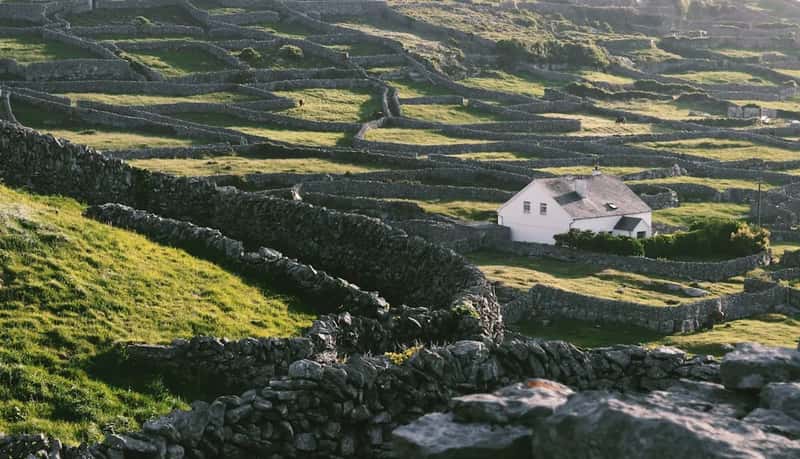
Ireland sits near the very top of the 2025 Global Peace Index, and it’s easy to see why solo travelers gravitate there. Iceland, Ireland, New Zealand, Austria and Switzerland are the top 5 most peaceful countries in the world in 2025. Ireland’s pubs, small towns, and famously chatty locals make it an easy place to strike up a conversation without feeling exposed.
Beyond the peace ranking itself, Ireland benefits from a language advantage for English speaking travelers and a well developed rural bus and rail network. Crime against tourists is low outside of a handful of Dublin nightlife areas, and even those spots are more about petty theft than anything violent. It’s the kind of country where getting slightly lost on a countryside walk feels more charming than dangerous.
4. New Zealand
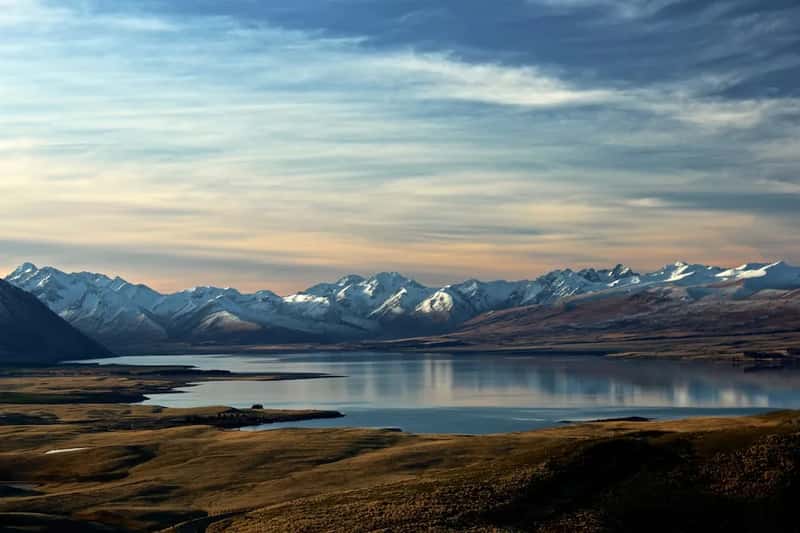
New Zealand rounds out the top three of the 2025 Global Peace Index, a ranking it has held near consistently for years. Its remote geography helps insulate it from a lot of the regional instability that affects other parts of the world, and its small population means crowded, high crime urban zones are rare. Solo hikers and backpackers have long treated the country as a low stress training ground for longer independent trips.
Interestingly, New Zealand isn’t just safe on paper, it’s also in demand. The top 10 countries solo travellers want to visit in 2026 include Japan, Australia, and New Zealand near the very top of the list. That combination of genuine safety and strong traveler interest is rare enough to be worth noting.
5. Austria

Austria appears near the top of virtually every major safety index right now, from the Global Peace Index to independent security rankings. The 2025 Safety and Security Index places Switzerland, Denmark, Ireland, and Liechtenstein near the top, with the remainder of the top ten including Austria, the Netherlands, Luxembourg, Finland, Norway, and Australia. That kind of cross-index agreement is a good sign for anyone weighing where to go alone.
Vienna in particular has a well earned reputation for being easy to navigate solo, with reliable public transport running late into the night and a low rate of violent crime even in busy tourist districts. The wider countryside, from Salzburg’s old town to the Alpine regions, tends to be even quieter. Solo travelers often describe Austria as a place where they stop thinking about safety altogether after the first day or two.
6. Switzerland
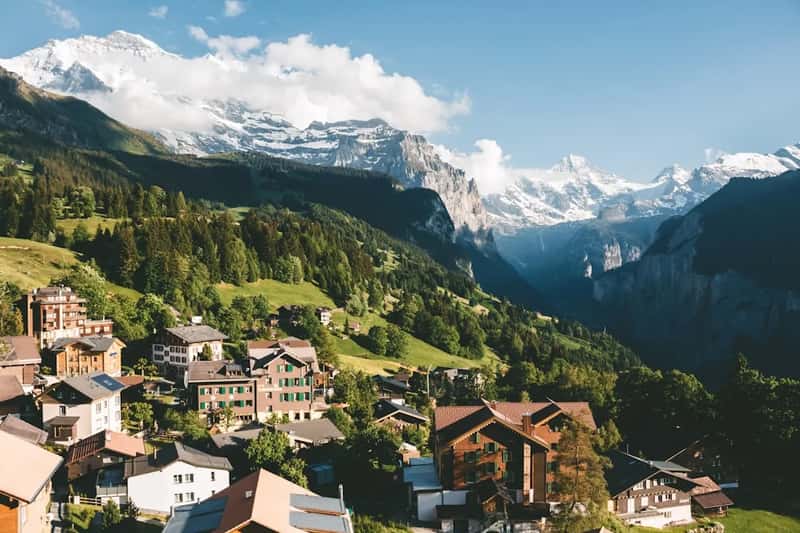
Switzerland’s inclusion near the top of nearly every safety and peace ranking is almost predictable at this point. Switzerland ranks among the top 5 most peaceful countries in the world in 2025, alongside Iceland, Ireland, New Zealand, and Austria. Its political neutrality, strong institutions, and high standard of living all feed into that consistency.
For solo travelers, the appeal goes beyond low crime statistics. Trains run on time almost to the minute, hiking trails are well marked even in remote alpine areas, and emergency services are fast and effective if something does go wrong. It’s an expensive country to visit, no question, but the tradeoff for many solo travelers is a near total absence of the low grade vigilance that other destinations require.
7. Singapore
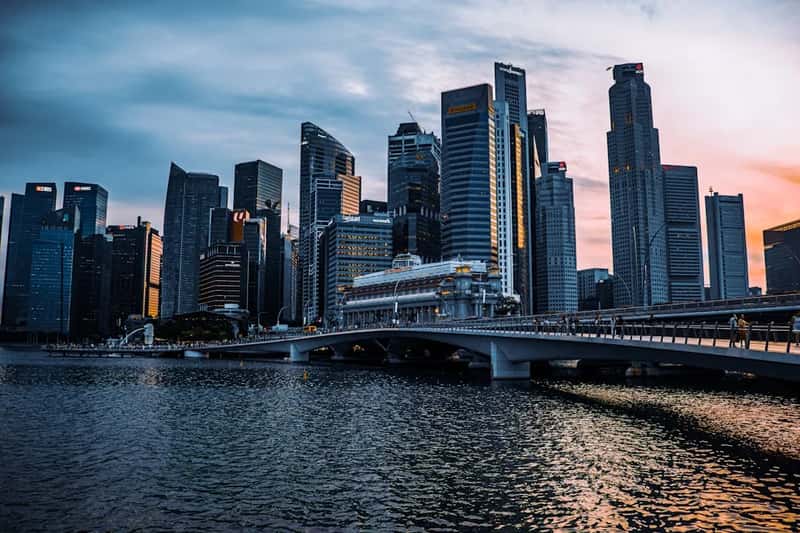
Singapore shows up at the top of solo travel safety rankings for a reason that has little to do with luck and a lot to do with policy. Singapore and Brunei were the only non-European places to make the cut in one recent global top ten safety list, a notable distinction given how heavily Europe otherwise dominates these rankings. Strict laws, heavy surveillance, and a genuinely low tolerance for petty crime all combine to make it one of the more relaxed places to explore alone, day or night.
Squaremouth’s 2026 risk analysis backs this up from a different angle entirely. San Marino, Andorra, and Singapore topped the list of the safest destinations for solo travelers. Add in Singapore’s compact size and excellent public transport, and it’s easy to see why solo travelers, especially first timers, often choose it as a low stress introduction to Southeast Asia.
8. Japan
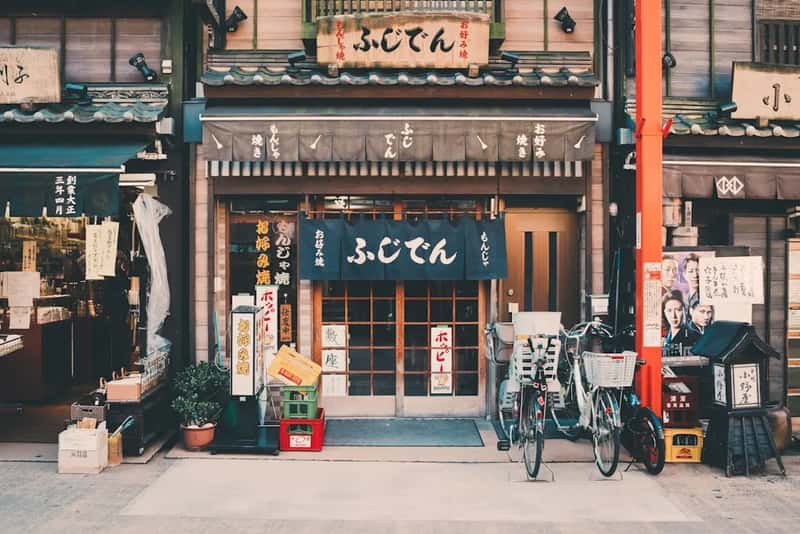
Japan is arguably the most talked about solo travel destination right now, and the enthusiasm tracks with the actual data. Japan appears at the top of almost every credible solo travel list, and the country combines a crime rate among the lowest in the developed world with an infrastructure so comprehensively designed for efficient movement that navigating between cities is genuinely straightforward even without a word of Japanese. That combination of low crime and near effortless logistics is rare to find together.
Demand reflects this too. The top 10 countries solo travellers want to visit in 2026 ranks Japan first. Lost items routinely get returned, trains run with almost absurd punctuality, and dining alone is completely normalized rather than treated as unusual. For a lot of first time solo travelers, Japan ends up being the trip that convinces them to keep traveling alone.
9. Denmark
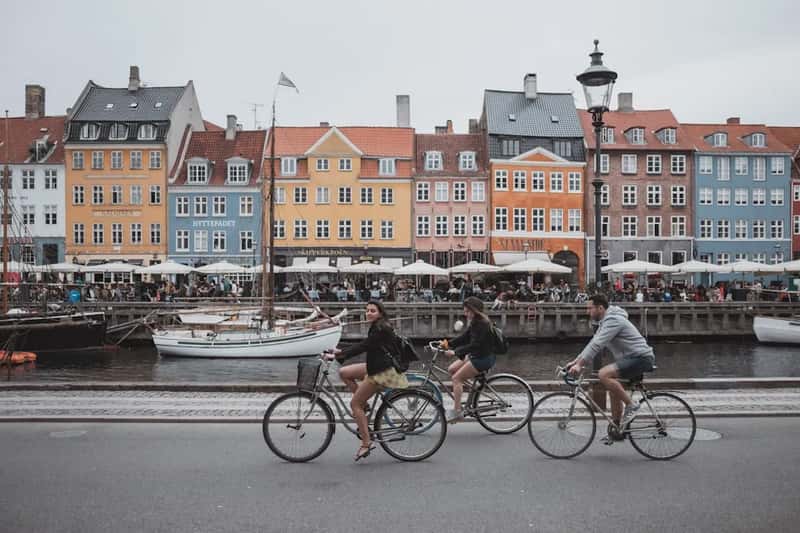
Denmark rounds out this list, and it earns its spot through consistency rather than dramatic year over year jumps. Denmark is characterized by a high degree of political stability, freedom of the press and respect for human rights, and also boasts a high level of income equality and is frequently ranked as one of the happiest nations in the world. That happiness factor matters more for solo travelers than it might seem, since it tends to correlate with lower social tension and friendlier day to day interactions with strangers.
Copenhagen in particular is known for its cycling culture, which makes solo exploration remarkably easy even without a car or extensive public transit knowledge. Petty theft exists, as it does in most European capitals, but violent crime against tourists remains rare. Denmark’s slight dip in some rankings has more to do with shifts in militarization scoring than any actual decline in day to day safety on the ground.
10. Venezuela

Venezuela currently sits at the very bottom of solo travel safety indexes, and the data behind that ranking is stark. Venezuela tops the list of most dangerous solo travel destinations for 2026, with high crime rates and limited healthcare access. Its risk score is not a marginal case either. The country’s high risk score of 9.74 out of 10 raises alarm bells for anyone considering solo travel in Venezuela.
Official guidance backs up the numbers. The U.S. Department of State currently advises “Do Not Travel” to Venezuela, citing crime, civil unrest, wrongful detention risk, and limited ability to provide emergency assistance. For solo travelers specifically, the lack of a built in support network compounds every one of those risks, making this a destination where independent travel plans need serious backup arrangements if attempted at all.
11. Peru
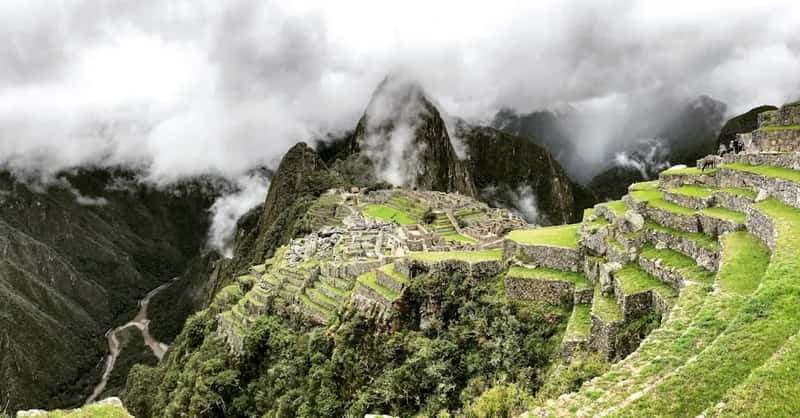
Peru’s inclusion on multiple 2026 risk lists might surprise travelers who associate the country primarily with Machu Picchu and Andean trekking routes. Colombia, Bolivia, Jamaica, and Ecuador all appear on the high-risk list alongside Peru, and the pattern across these countries tends to involve similar underlying issues. Specifically, the concerns center on high crime rates, unsafe streets at night, and concerns about healthcare access.
A separate risk index reinforces this directly. A new global risk index for solo travellers has named Venezuela, Peru and Gabon as the riskiest destinations for 2026. That doesn’t mean popular routes like the Inca Trail are unsafe when done through established tour operators, but solo travelers venturing off those well trodden paths, particularly after dark in urban areas, face a measurably higher risk profile than in most other South American destinations.
12. Gabon

Gabon rounds out the trio identified as the highest risk destinations for solo travel in the most recent major risk index. Analysis named Venezuela, Peru, and Gabon as the highest-risk destinations for solo travelers based on the 10-point risk index. Unlike Venezuela or Peru, Gabon doesn’t receive nearly as much mainstream travel coverage, which itself contributes to the risk picture for solo travelers.
Limited tourism infrastructure means fewer established support systems, less predictable transportation, and healthcare access that can be inconsistent outside the capital. Solo travelers considering Gabon should lean heavily on licensed local guides and confirm medical evacuation coverage before departure. The country’s dense rainforest interior is genuinely remarkable, but it’s not the kind of place suited to spontaneous, unplanned solo exploration.
13. Colombia
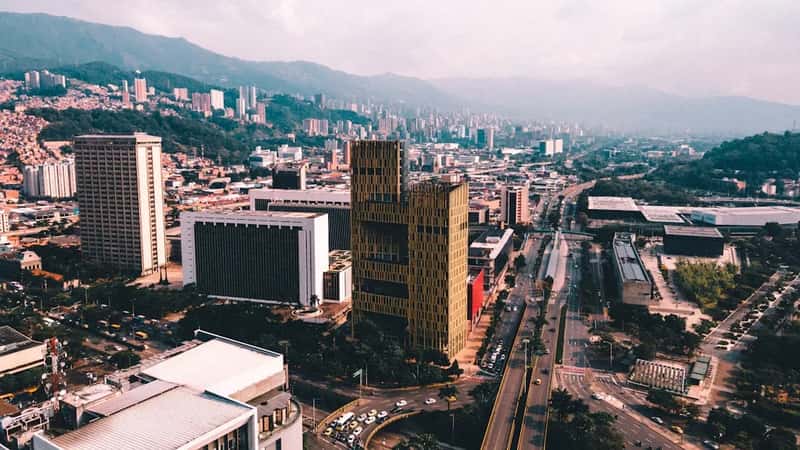
Colombia has made major tourism gains over the past decade, and cities like Medellín and Cartagena now draw large numbers of independent travelers. Even so, current risk data urges some caution. Colombia appears on the high-risk list for solo travel, and while these destinations are home to beautiful landscapes and rich cultures, they require extra caution for those travelling alone.
The specific concern isn’t vague either. Colombia and Jamaica, in particular, have been highlighted for their high levels of violent crime, which are a major deterrent for solo travellers. That said, plenty of solo travelers visit Colombia successfully every year by sticking to well reviewed neighborhoods, avoiding street displays of valuables, and using registered taxis rather than hailing rides on the street, especially after dark.
14. South Africa
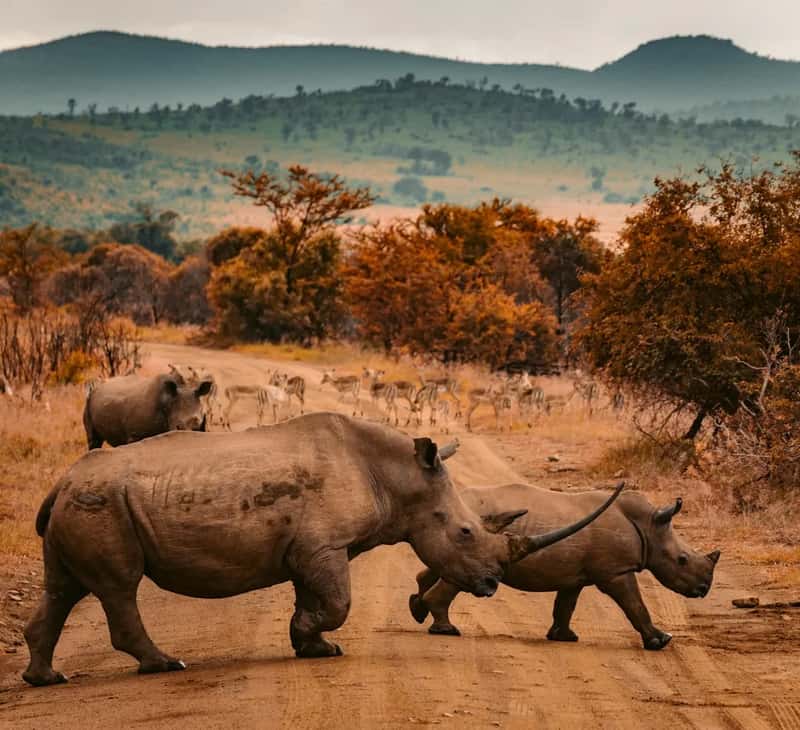
South Africa combines two things that rarely show up together in travel data, extraordinary natural beauty and a genuinely difficult safety picture for solo travelers. South Africa, with an alarming Travel Danger Score of 76, is top of the list of perilous destinations, presenting a perfect storm of risk factors, with high rates of sexual assault and the highest crime index of 75.4 among analyzed destinations. That’s a serious combination of figures, and it applies with particular weight to solo female travelers.
The concerns extend past street crime too. Adding to these concerns is the country’s high traffic fatality rate of 24.5 deaths per 100,000 people and a subpar healthcare index of 33.2. None of this means South Africa should be crossed off every solo traveler’s list entirely, since its natural beauty and vibrant cities still draw millions of tourists every year, but it does mean choosing accommodations carefully, arranging private transportation in advance, and avoiding certain areas after dark rather than assuming the same rules apply here as they would in Western Europe.
None of these rankings are fixed in stone. Peace indices, crime data, and government advisories shift from year to year, sometimes for reasons tied to real events and sometimes just because other countries improved faster. What stays constant is the value of checking current advisories before booking, buying insurance that actually covers medical evacuation where relevant, and staying honest with yourself about how much unpredictability you’re comfortable handling alone. Solo travel rewards preparation more than confidence, and the destinations on this list, whether reassuring or cautionary, are really just a starting point for asking better questions before you go.