Nothing marks an American as a first-time visitor quite like a fumbled tip. Back home, tipping runs on autopilot: figure twenty percent, round up, hand over the cash, move on. That instinct, however, does not travel well. In much of the world, tipping is either baked into the price, handled through a modest coin or two, or in some cases treated as an outright social misstep.
What feels generous in a Chicago diner can feel clumsy, confusing, or even faintly insulting in Tokyo, Seoul, or a quiet café in Helsinki. The good news is that most of these mistakes are easy to spot once you know what to look for. Here are nine of the most common tipping blunders that quietly embarrass American travelers abroad, and what locals actually expect instead.
1. Tipping Like the Bill Is Still in Dollars
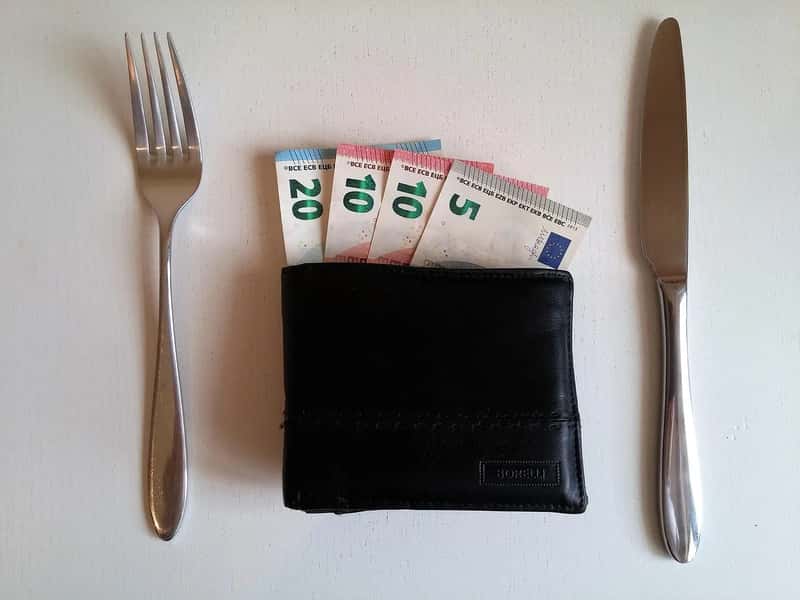
The most common misstep is simply carrying the American habit of tipping fifteen to twenty percent everywhere, regardless of country. Tipping etiquette varies widely across the continent, and sometimes, service charges are included in the bill, or the standard tip is only 5 to 10%, so Americans often leave 20% without realizing this might be confusing or insulting to the locals. The reflex to calculate a percentage the moment the check arrives is a distinctly American habit that many other cultures simply don’t share.
Travelers who assume every country runs on the same math end up either overpaying dramatically or, worse, offending a server who works for a living wage rather than tip income. In the service industry in the US, tipping is a part of everyday life, and most visitors don’t realize it’s not just a nice-to-have there. The reverse assumption, that this rule applies everywhere else too, is exactly where American travelers get tripped up.
2. Tipping on Top of an Already Included Service Charge
Double-tipping is a classic and completely avoidable error. Many countries build gratuity directly into the bill, so an additional tip on top of that isn’t generous, it’s just confused math. In France, most restaurants automatically add a 15% service charge by law, so it’s not necessary to tip on top of that, though a few extra euros or rounding up your bill is always appreciated.
The same logic applies across much of Europe. Service is often included, though not always obvious, and paying attention to receipts saves travelers from doubling up or leaving too little, since restaurants build service into the menu price and staff are paid fairly rather than relying on variable tips to top up their income. Skimming the bottom of the receipt for a “servizio” or “service compris” line before reaching for cash saves both money and embarrassment.
3. Tipping in Japan at All
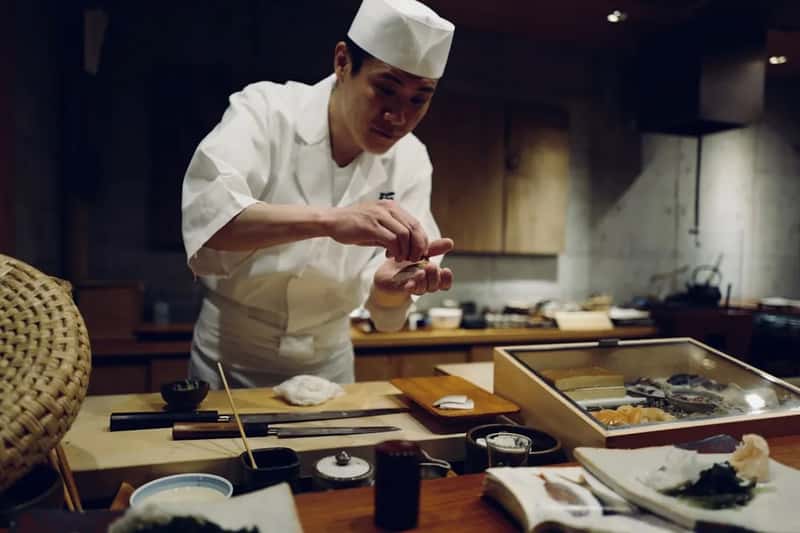
Japan is the country where American tipping habits go to die, and for good reason. Exceptional service in Japan flows from the cultural concept of omotenashi, where workers take pride in going above and beyond in their jobs, so leaving cash suggests the service wasn’t already perfect, which feels insulting. It’s not a matter of the gesture being unnecessary, it can genuinely read as an accusation that something was lacking.
This isn’t a myth exaggerated for travel blogs, either. Visitors are generally advised to forgo tipping altogether while traveling through Japan, with a possible exception for a private tour guide who might appreciate a discreet tip, because at a restaurant you may find yourself chased down the street by employees looking to return the extra money you left behind. That image, of a waiter jogging after a tourist to hand back a few crumpled bills, sums up the disconnect perfectly.
4. Assuming South Korea and China Work the Same Way as the U.S.

East Asia in general follows a similar tip-free logic to Japan, and American travelers who don’t research ahead often make the same mistake across the region. South Korea has long been a tip-free society, largely because service workers are usually paid a livable wage by their employers, and tipping is sometimes viewed as insulting there since it implies the worker is in need.
China carries its own version of this history. Tipping still carries a lingering stigma in China today from once being viewed as a capitalist practice, and it’s generally unnecessary in most places except luxury hotels catering to Western tourists. Tipping is considered offensive or inappropriate in Japan, South Korea, China (mainland), and Singapore. Trying to slip a server extra cash in a neighborhood restaurant in Beijing is far more likely to produce a puzzled look than a smile.
5. Leaving a Handful of Loose Coins Instead of Rounding Up

Even in countries where a small tip is welcome, how you leave it matters. Dumping a pile of change on the table can come across as careless rather than generous. One American expat writing about his experience in Eastern Europe described leaving a small mountain of coins on the table after a quick lunch, at which the waitress looked at it like he’d just dumped out his pocket lint, noting that in many Eastern European countries tipping is appreciated, but it has to look intentional, not like someone emptied their wallet and called it generosity.
The fix is simple: round the bill up to a clean number or hand over a single note rather than scattering coins. In much of Europe, the tip is paid by cash, and you’re only expected to round up your bill by a few euros, using a phrase like “stimmt so” or a simple “danke” to indicate that you don’t require change. It’s a small gesture, but it reads as deliberate rather than dismissive.
6. Over-Tipping in Southern Europe Just Because It Feels Right

Italy, Spain, and Portugal trip up a lot of American travelers precisely because tipping does exist there, just at a fraction of U.S. norms. In Southern European countries such as Italy, Portugal, and Spain, you’ll often find as little as 5% is considered an acceptable tip. Leaving twenty percent in these places isn’t rude exactly, but it does mark you instantly as a tourist who hasn’t done any homework.
In Italy specifically, there’s an added wrinkle many Americans miss entirely: the “coperto,” a standard cover charge that already accounts for bread, table service, and seating. One traveler described tipping on top of this charge in Milan, only to get “that polite-yet-smirking look that says, ‘This one just got off the plane,'” since the coperto is already baked in and covers the service, the bread, and probably a little side-eye if you tip too much, with locals rarely leaving more than a euro or two. Checking the bill for that line item before adding anything extra can spare you the same look.
7. Tipping at Counters, Food Trucks, and Fast Casual Spots Abroad
American tipping culture has expanded aggressively into counter service and takeout in recent years, and travelers sometimes bring that habit with them without realizing it doesn’t translate. It’s not as common to tip for takeout or counter service, or in pubs and bars, across much of Asia. The same holds true in most of Europe, where a tip jar simply doesn’t exist at a bakery counter or street food stall.
This mistake tends to happen almost unconsciously, since reaching for a tip after any transaction has become second nature for many American travelers. The safest rule abroad is to reserve tipping for full table service and skip it entirely at counters, kiosks, and quick-service spots unless there’s a clearly posted local custom suggesting otherwise.
8. Refusing to Accept “No” When a Tip Is Declined

In several countries, service staff will actively refuse a tip, sometimes more than once, and pushing the issue only makes things more awkward. In New Zealand, for instance, hospitality workers earn salaries that don’t require customer supplementation, with average wages around minimum pay, and while servers in Auckland or Wellington might accept tips from foreigners to avoid awkwardness, service workers might refuse a tip multiple times before a traveler realizes they’re serious, since the gesture contradicts local values around dignity in labor and can embarrass recipients by implying they need financial assistance.
The instinct to insist, “no really, please take it,” comes from a good place, but it often just prolongs an uncomfortable exchange. The better move is to accept the refusal gracefully the first time and thank the person verbally instead. A sincere “thank you, that was wonderful” often lands better than cash that keeps bouncing back across the counter.
9. Turning Tipping Into a Group Performance
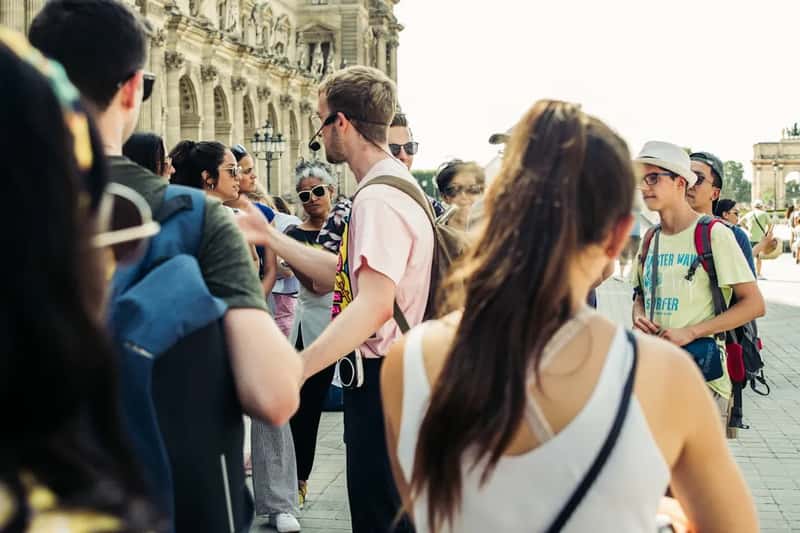
There’s a specific version of this mistake that happens almost exclusively with American tourists traveling in groups: someone announces, loudly, that they should tip “just to be safe,” even in a country where tipping is unnecessary or discouraged. As one analysis of tourist tipping behavior put it, tourists tend to over-tip regardless of the perceived rules to avoid diminished social perceptions or poor service, and the problem compounds in groups, where someone inevitably suggests leaving a tip “just to be safe,” a gesture that broadcasts cultural ignorance rather than the respect it was meant to convey.
Academic research backs up how consistent this pattern is among American travelers specifically. Tourists with strong positive attitudes toward tipping tend to tip more except in countries where tipping was already expected and customary, meaning Americans often over-tip where it’s unnecessary and under-appreciate where it actually matters most. The lesson here isn’t to stop tipping altogether. It’s to research the specific country and specific setting before the check arrives, rather than defaulting to habit the moment a group of Americans starts debating the bill.
Getting It Right Without Overthinking It

None of this means tipping abroad has to be a minefield. A little preparation goes a long way, and most mistakes on this list come down to the same root cause: assuming the American system is the default everywhere else. Tipping etiquette feels unpredictable because it reflects history, wages, and customs rather than a single global standard, and understanding how each place approaches it helps travelers avoid awkward moments while also showing respect for the people who make their travels smoother.
Even seasoned travel surveys confirm how common these slip-ups remain. According to a Global Rescue survey, even well-traveled individuals make mistakes when tipping, with survey respondents admitting that tipping inappropriately was a top ten mistake they had made while traveling internationally. A five-minute check on local tipping norms before a trip, or even a quick glance at the receipt before pulling out cash, is usually all it takes to avoid becoming the tourist who gets chased down the street with a refund.