Let’s be real, flying used to be simple. You picked the cheapest ticket and called it a day. Fast forward to 2026, and something interesting is happening. People are actually walking away from those rock-bottom fares, even when their wallets suggest they shouldn’t. The shift is more than just consumer whim. It’s a reflection of years of frustration, hidden costs, and frankly, a lot of broken promises.
The budget airline model once seemed like a dream come true for price-conscious travelers. Now? It’s complicated. Think about the last time you saw a too-good-to-be-true fare online, only to watch it balloon at checkout with baggage fees, seat selection charges, and mysterious add-ons you didn’t ask for. That’s become the norm, not the exception.
The Complaint Avalanche That Budget Carriers Can’t Ignore
Here’s where things get uncomfortable for budget airlines. Complaints against U.S. airlines increased by nearly 9% in 2024, even though the volume of passengers increased by only 4% compared with 2023. That’s not a small gap. When complaints rise more than twice as fast as passenger numbers, something’s clearly off.
For the third year in a row, Frontier had the most complaints per 100,000 passengers among the 10 largest airlines, with Frontier’s level considerably worse than the carrier with the second-highest ratio, Spirit. The numbers tell a harsh story. Travelers aren’t just mildly annoyed anymore. They’re genuinely frustrated, filing formal complaints at rates that suggest a fundamental breakdown in service quality.
Frontier Airlines recorded the highest rate of complaints per 100,000 passengers – a staggering 23.3. That’s not a typo. Nearly one in every four thousand passengers felt compelled to formally complain about their experience. Compare that to Southwest, which posted just 2.5 complaints per 100,000, and the contrast becomes painfully obvious.
Hidden Fees: The Trap That Keeps Springing Shut

Perhaps the biggest reason travelers are backing away from budget airlines is the fee structure that feels designed to deceive. A Senate report found that Frontier and Spirit, along with American, Delta, and United, were “making more money from seat fees than ever before.” Let that sink in. Airlines are profiting more from choosing where you sit than they sometimes do from the actual flight.
Airlines collected over $5 billion in baggage fees last year, another $4.2 billion from seat selection. Delta made $7 billion from its American Express partnership in 2024 – more than from actually flying planes profitably. These aren’t just minor revenue streams. They’re the entire business model now.
It gets worse when you realize how these fees stack up. Budget airlines such as Allegiant, Frontier, and Spirit also charge extra for carry-ons, with prices ranging from $10 to $75. So that advertised fare of seventy bucks? By the time you add a bag, pick a seat, and maybe print a boarding pass, you’re suddenly approaching what a traditional carrier would’ve charged upfront. The illusion of savings evaporates.
Reliability Is the New Luxury
In 2024 alone, nearly 1.7 million flights were delayed or canceled. Flight cancellations rose from 1.28% in 2023 to 1.36%, while on-time arrivals fell to 78.1%, a slight but meaningful decline from 78.3% the year before. Those percentages might seem small, but when you’re the one stuck in an airport terminal at midnight with no hotel voucher, statistics don’t matter much.
The contrast between carriers is striking. Southwest Airlines had the fewest customer complaints and tarmac delays, with a cancellation rate of just 0.84%. Meanwhile, budget carriers consistently rank at the bottom of reliability metrics. Travelers are noticing, and they’re voting with their wallets. Why risk a ruined vacation or missed work obligation to save forty dollars?
Airlines in 2024 experienced 437 tarmac delays of more than three hours on domestic flights, the most in one year since the Tarmac Delay Rule took effect in 2010. That’s a record nobody wanted to break. Sitting on a tarmac for hours without the option to deplane isn’t just inconvenient. It’s maddening, and it happens disproportionately with carriers cutting costs to the bone.
The Premium Pivot: Where the Industry Is Actually Heading
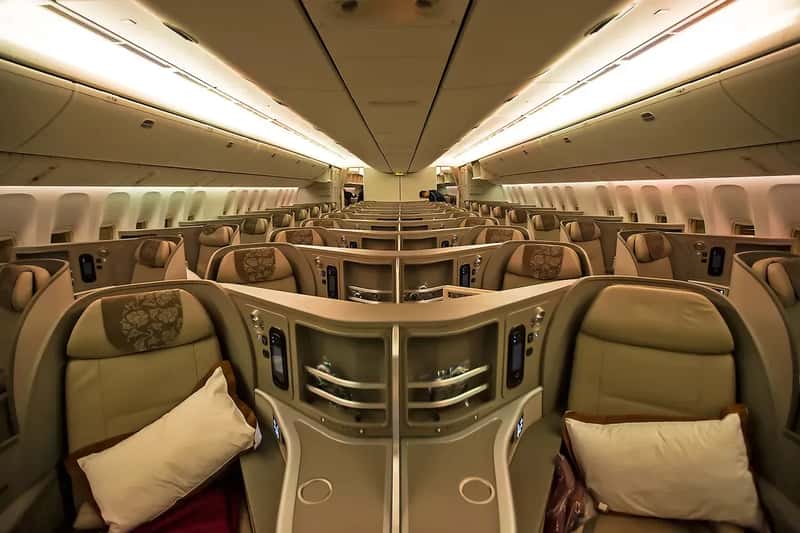
While budget airlines struggle, traditional carriers have quietly figured out what travelers actually want. High-margin premium cabins are now doing the heavy lifting for the airline’s bottom line, effectively subsidizing a standard economy segment that has seen stagnant growth and increased competition. It turns out people will pay more for comfort, reliability, and respect.
Demand for premium classes has noticeably grown, largely driven by leisure travelers booking tickets in business class or premium economy, especially true in the Americas and Europe, where “premium leisure” has been outpacing growth in economy for years. This isn’t just wealthy executives flying business class. It’s regular people deciding that their sanity and comfort are worth the upgrade.
The shift is profound. Today, a flight can be profitable even with a half-empty economy cabin, provided the business class and premium economy sections are sold out at high yields. Airlines have realized they don’t need to pack every seat to make money. They need to focus on passengers willing to pay for a better experience. That’s left budget carriers in an uncomfortable position, caught between their low-cost model and a market increasingly uninterested in rock-bottom fares with rock-bottom service.
What does this all mean for the average traveler? The days of bargain-basement flying might not be over, but they’re definitely evolving. Smart travelers are learning to do the math, comparing total costs rather than just base fares, and increasingly deciding that a few extra dollars upfront beats hours of frustration later. The airline shake-up isn’t just about industry numbers. It’s about a collective realization that sometimes, cheap isn’t worth it. What’s your breaking point when it comes to budget flights?