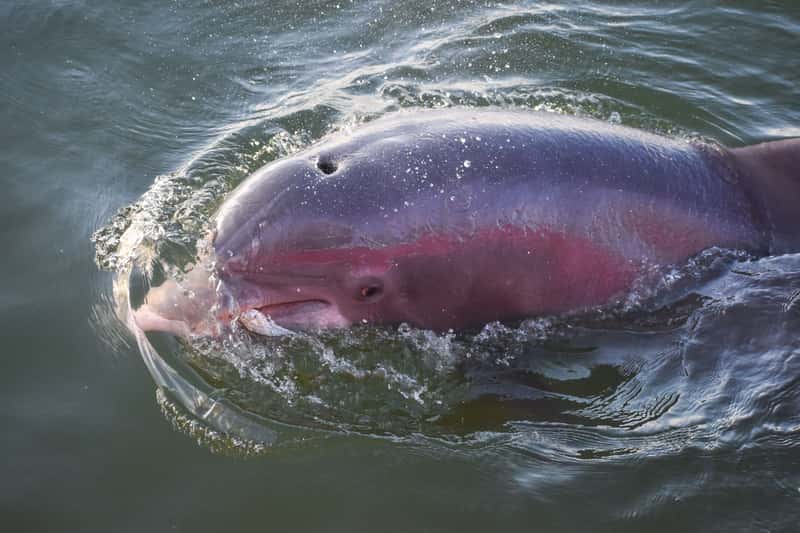
Deep in the flooded forests and blackwater channels of the Amazon, a creature that looks like it swam straight out of folklore is running out of places to hide from danger. The boto, or pink river dolphin, has long been treated as a guardian spirit by riverside communities, a shape-shifting figure woven into legend. Yet behind the myth sits a much harder reality: this freshwater giant is being squeezed from every direction, by heat, poison, nets, dams, and a warming climate that is rewriting the rules of its watery home.
Scientists who have spent decades wading into the Amazon’s murky currents to study these animals now describe a species under compounding pressure rather than a single, isolated threat. What makes the current moment different is how many of these dangers are converging at once, and how quickly the evidence has piled up in just the last two or three years.
A Species Already Living on Borrowed Time
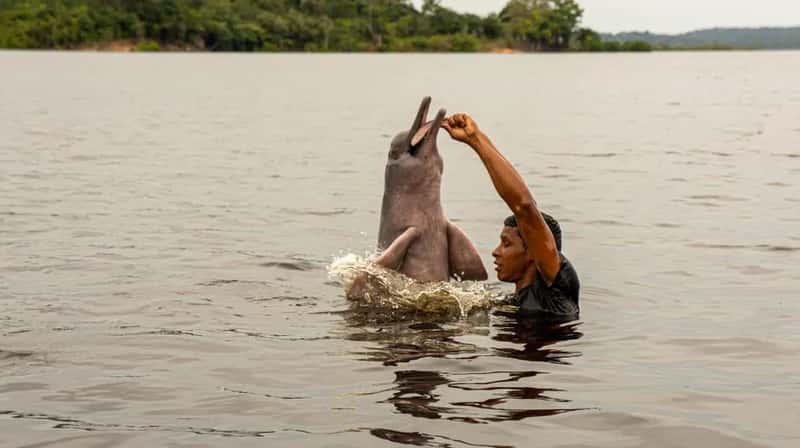
The Amazon river dolphin was formally recognized as endangered by the International Union for Conservation of Nature back in 2018, a shift from its earlier and less alarming classification of data deficient. In 2018, the International Union for Conservation of Nature listed the Amazon River dolphin as Endangered, a shift from its previous classification of “Data Deficient,” acknowledging the growing threats. That reclassification wasn’t a bureaucratic footnote. It reflected mounting field data showing populations sliding downward across much of the species’ range.
Even though the boto still numbers in the tens of thousands overall, that headline figure hides worrying regional collapses. It is a relatively abundant freshwater cetacean with an estimated population in the tens of thousands, though it is classified as vulnerable in certain areas due to dams that fragment and threaten certain populations, and from other threats such as contamination of rivers and lakes. Researchers stress that abundance at the basin-wide scale can mask steep, localized crashes, and it’s those local collapses that worry field biologists the most.
The 2023 Lake Tefé Catastrophe That Sounded the Alarm
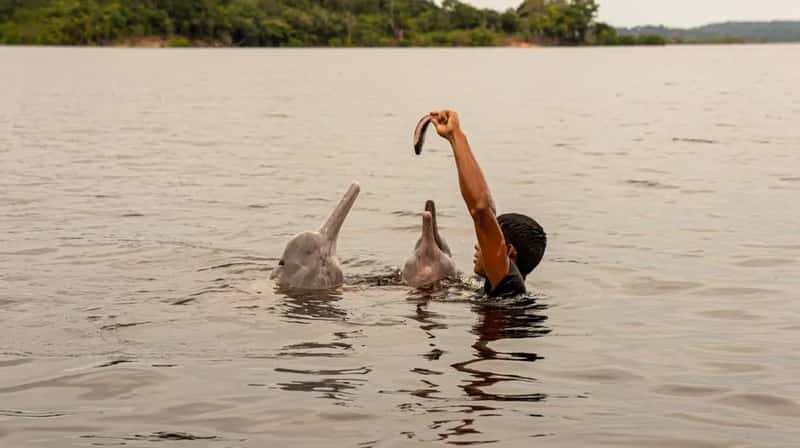
No single event has shaped the modern conversation about pink dolphins quite like what happened at Lake Tefé in Brazil’s Amazonas state in September 2023. As a historic drought gripped the region, the lake’s surface temperature spiked to levels nobody expected a tropical freshwater body to reach. In 2023, the Amazon experienced its worst drought in recorded history, coupled with the hottest dry season on record. The extreme climate caused the surface area of Brazil’s Tefé Lake to shrink by approximately 75%, with vast sections of the lake reduced to less than 1 meter in depth. As air temperatures peaked at 39.1° Celsius, the little water that remained in the lake quickly overheated. The average surface water temperature for tropical lakes is around 30°C, but in 2023, Tefé Lake reached 41°C.
The toll on wildlife was staggering and fast. During the Lake Tefe crisis, roughly 150 river dolphins were found dead within a single week. Researchers who waded into the shallows described conditions almost impossible to imagine for a supposedly stable ecosystem. Researchers reported that the water was so hot it was painful to touch, even briefly. The event became a grim case study in how quickly a warming climate can turn a river dolphin’s habitat into a death trap.
A Warming Trend That Isn’t Slowing Down
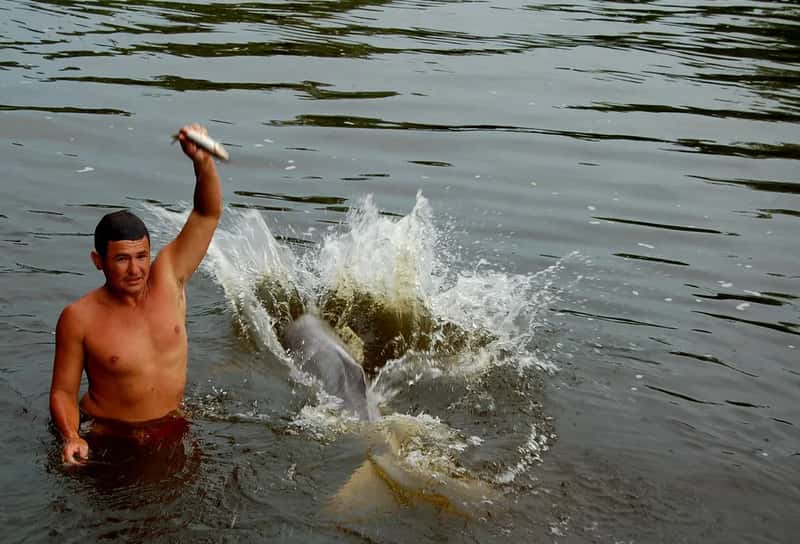
What troubles scientists most isn’t just that one terrible week in 2023, but the pattern behind it. Long-term satellite data reveal that Amazonian lakes have been heating up steadily for decades, and the pace appears to be accelerating. Researchers analyzed satellite records back to 1990 and tracked surface temperatures across Amazon lakes, finding that lakes have warmed by roughly 1.1 degrees Fahrenheit per decade, faster than in many other regions. That kind of decadal shift is significant for cold-blooded fish and heat-sensitive mammals alike.
Lake Tefé wasn’t an outlier either. Tefé Lake is not an anomaly. Five out of the 10 lakes examined in the study had exceptionally high daytime temperatures. Scientists also flagged something almost as dangerous as sustained heat: wild daily temperature swings. The researchers also measured daily temperature swings of about 23 degrees Fahrenheit between afternoon peaks and the coolest pre-dawn hours, and rapid swings like that can be as stressful as constant heat, because fish and river dolphins struggle to adjust their metabolism. For an air-breathing mammal that can’t simply swim away from an entire overheated lake, that kind of volatility leaves little room to recover.
2024’s Uneasy Repeat, and a Mystery That Puzzled Researchers
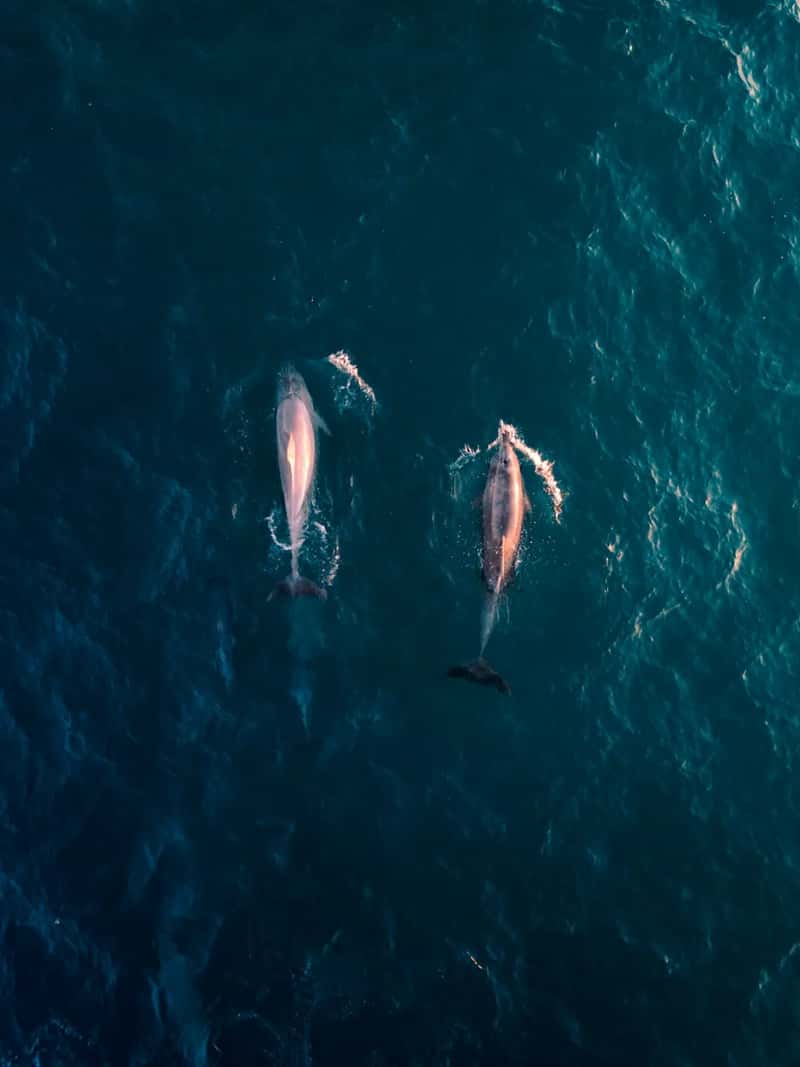
Given how catastrophic 2023 had been, conservationists braced for a repeat the following year, especially since drought conditions in the region hadn’t meaningfully eased. One researcher noted that the drought was so intense the previous year that the river never recovered its level, adding that the region had already started with water shortages and expected the tragedy to repeat itself. Agencies didn’t wait around to find out. In 2024, the Chico Mendes Institute for Biodiversity Conservation and the Mamirauá Institute decided to anticipate the tragedy, having already established the Tefé Dolphin Emergency in 2023, and the agency also launched the 2024 Aquatic Fauna Emergency in September to strengthen monitoring, with more than 50 professionals monitoring water conditions and animal behavior twice a day.
What happened next surprised even the experts on the ground. The dolphin mortality rate was not as expected, with one researcher describing the year as drier and hotter, yet without the mass deaths seen before, leaving the team confused. Some longtime observers believe the animals themselves may have sensed the danger coming. One local worker who has collaborated with research institutes for over twenty years suggested the animals anticipated an even more severe drought and moved to safer places earlier than the previous year, when the drought came suddenly and left them no time to escape. Even so, the year wasn’t free of losses tied to human activity. ICMBio recorded 14 animal deaths, including eight pink dolphins, four tucuxis and two manatees, all with signs of contact with human activities such as fishing, hunting or collisions.
Mercury Poisoning From Illegal Gold Mining
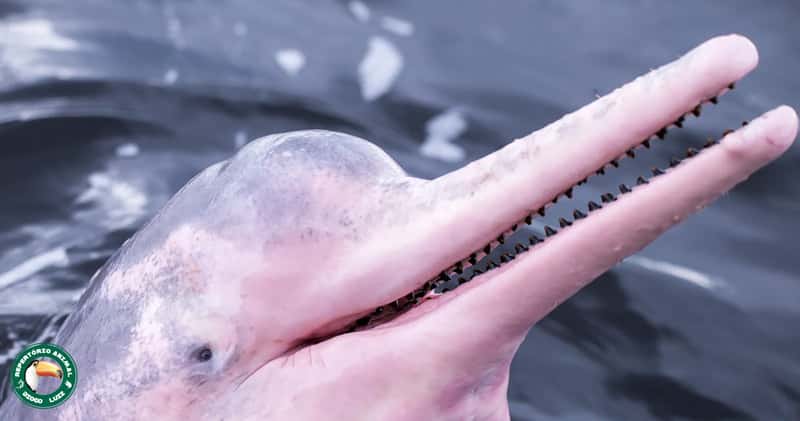
While heat waves grab headlines, a slower and arguably more insidious threat has been building for years, mercury contamination tied to illegal gold mining across the Amazon and Orinoco basins. Researchers testing dolphins in Colombia have documented levels that are hard to fathom. Pink river dolphins face threats from overfishing, entanglement, boat traffic, habitat loss and prolonged drought, and in previous years researchers found 16 to 18 milligrams per kilogram of mercury in dolphins, while in Colombia’s Orinoco River, levels in some dolphins have reached as high as 42, among the most extreme ever recorded in the species.
The mercury doesn’t stay confined to the water either. It works its way up the food chain and into the people who depend on the same rivers for fish and drinking water. When one researcher tested his own blood three years earlier, his results showed more than 36 times the safe limit, a level he attributes to decades working in mercury-affected areas and a diet heavy in river fish. Scientists caution that pinning individual dolphin deaths directly on mercury is difficult, though the toxicological risk is unmistakable. One researcher said it’s difficult to prove the toxin is directly killing dolphins, though further studies are underway, noting that any mammal with a huge amount of mercury will die.
Deliberate Killing for Bait, and the Toll of Fishing Gear
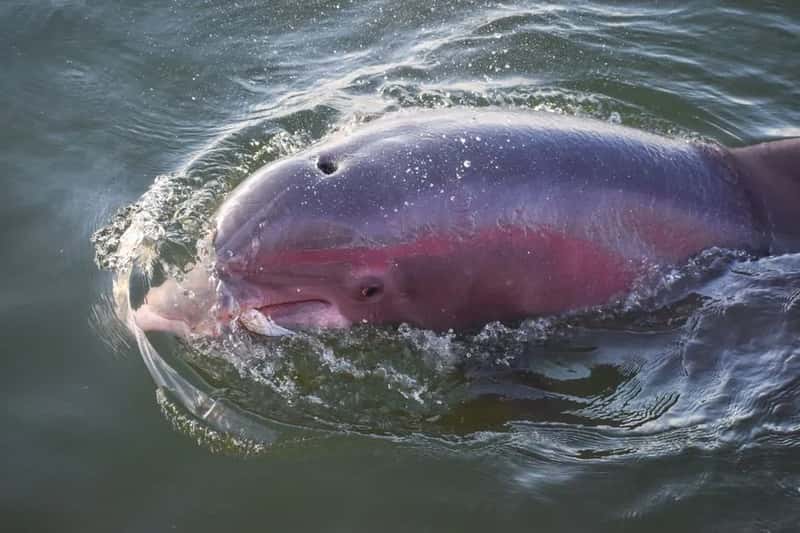
Perhaps the most disturbing threat isn’t accidental at all. Since the mid-1990s, a black market fishery for catfish has driven the deliberate killing of botos to use their flesh as bait. Dolphins are also often deliberately killed for use as bait in the mota catfish fishery, which gathers fish that demand high prices in cities. Long-term monitoring in Brazil’s Mamirauá Reserve has captured just how devastating this practice has been over time.
A landmark 22-year study found population crashes so severe they rival some of the worst declines ever recorded among cetaceans. Boto populations fell by 94 percent and tucuxi numbers fell by 97 percent in the Mamirauá Reserve in Amazonas state, Brazil, between 1994 and 2017, with boto populations halving every ten years and tucuxi every 9 years, some of the most severe declines seen in cetaceans since the moratorium on commercial whaling came into effect in the 1980s. Researchers estimate that thousands of dolphins may be killed annually across the basin for this trade. Hydroelectric dams fragment Inia populations, reducing gene flow and increasing isolation, with estimated mortality rates of 300 to 4,000 botos per year for bait. Beyond deliberate hunting, dolphins also die entangled in nets meant for other fish, a threat that compounds every other pressure they face.
Dams, Fragmented Rivers, and Vanishing Habitat
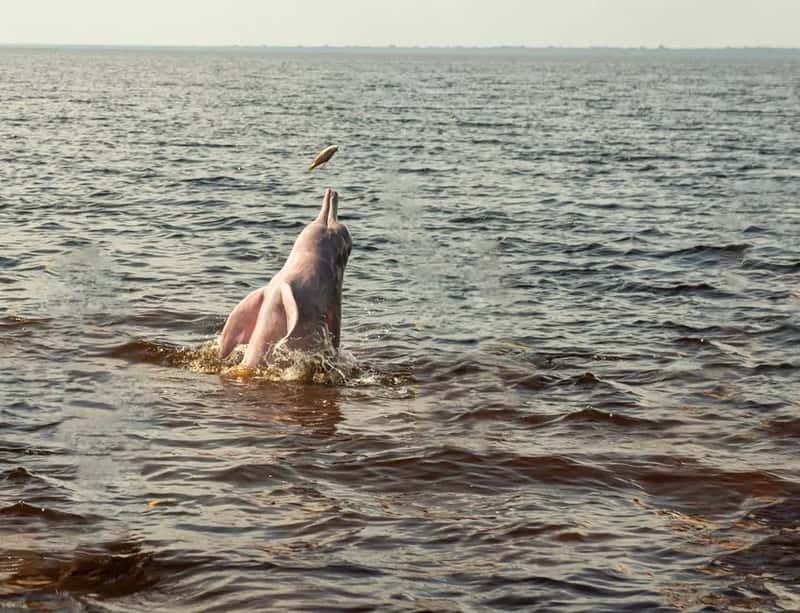
Hydroelectric development across the Amazon and Orinoco basins has carved once-continuous river systems into isolated segments, cutting off dolphin populations from one another. Amazon river dolphins face habitat fragmentation from dam construction, pollution from gold mining, deforestation, entanglement in fishing gear, and deliberate hunting, with dam construction fragmenting populations and limiting the species’ range and ability to breed. Once a stretch of river is walled off, dolphins on either side lose access to breeding partners and food sources they once relied on freely.
Deforestation compounds the damage by altering rainfall patterns and drying out the very waterways dolphins depend on. Deforestation is also a factor helping raise temperatures and change rainfall patterns. Fires, often set deliberately to clear land for agriculture, add another layer of stress during the dry season when rivers are already shrinking. The timing of the forest fires in the Amazon region coincides with the dry season, when rivers experience significant reductions in flow, and severe droughts occurred in the Amazon region in 2023 and 2024, resulting in conditions that exacerbated and extended forest fires.
A Landmark Global Pact Aimed at Reversing the Decline

The scale of the crisis eventually pushed governments to act collectively, something that hadn’t happened before for river dolphins anywhere in the world. In October 2023, representatives from across two continents gathered in Bogotá to sign a first-of-its-kind agreement. The Global Declaration for River Dolphins commits 14 of the animals’ range countries to implement specific actions and strengthen regional and national initiatives, focusing on halting and reversing the decline of all river dolphin populations, creating a network of protected and well-managed river habitats, and promoting research.
The timing was no coincidence. The declaration came together in the immediate aftermath of the Tefé disaster, and it reflects just how dire the global picture for river dolphins has become. All six river dolphin species are still holding on, even though they live in rivers facing a barrage of threats, and all are classified as either Endangered or Critically Endangered on the IUCN Red List, with river dolphin numbers having plummeted by 73 percent since the 1980s. Encouragingly, similar coordinated efforts elsewhere have shown that recovery is possible when properly resourced. Conservation efforts around the world have been successful in halting the decline of some river dolphin species, and in China, after decades of seemingly irreversible decline, the latest census of critically endangered Yangtze finless porpoises shows a 23% increase in population over the past five years, the first increase since records began.
Boots on the Ground, Nets in the Water
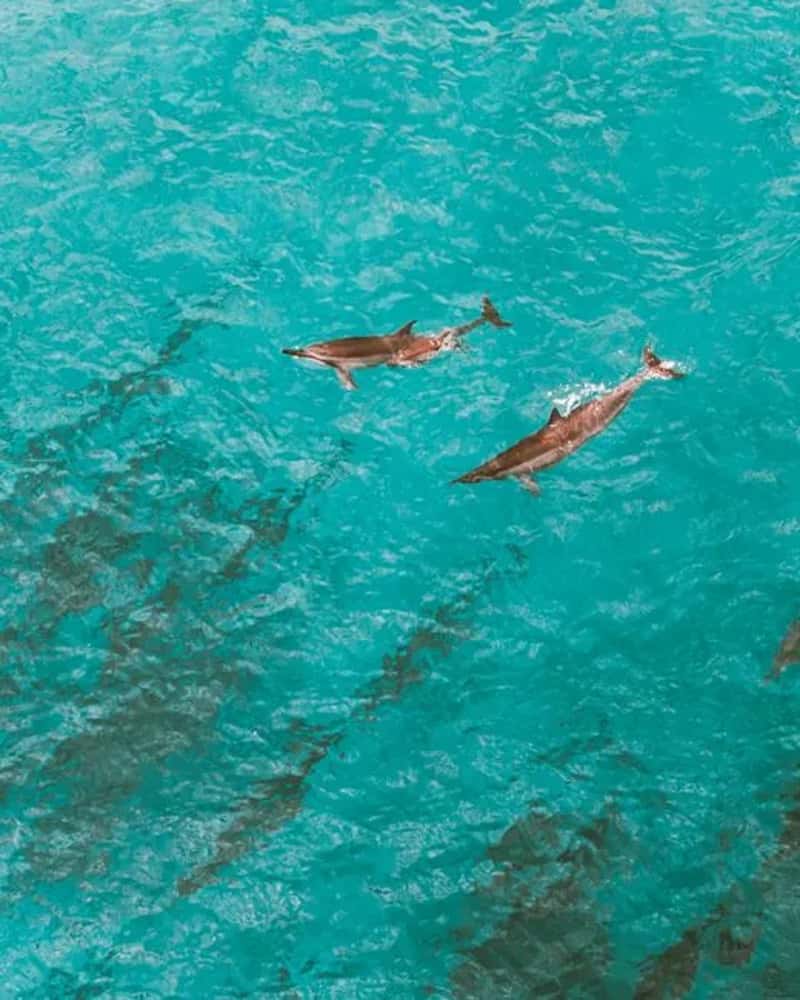
Behind the policy documents and international headlines, the actual work of protecting these dolphins happens in muddy shallows, often under brutal heat. Field teams in Colombia now routinely capture dolphins for rapid health assessments, working against the clock every time. Scientists and veterinarians work waist-deep in warm river currents to net pods of dolphins for health checks, with roughly 15 minutes being the limit for how long a dolphin can safely be kept out of the water to complete their work. These check-ups generate the mercury and health data that inform everything from national policy to captive breeding decisions.
Community-based conservation has also become a central strategy, giving local people a stake in keeping dolphins alive rather than treating them purely as a resource to exploit. In Peru specifically, pink dolphins are part of community-based ecotourism projects that raise awareness and generate income without harming biodiversity. Nonprofits and research institutes, from WWF to the Mamirauá Institute, continue expanding monitoring networks so that the next drought or heat spike doesn’t catch anyone off guard the way 2023 did.
A Fragile Future for the River’s Guardians
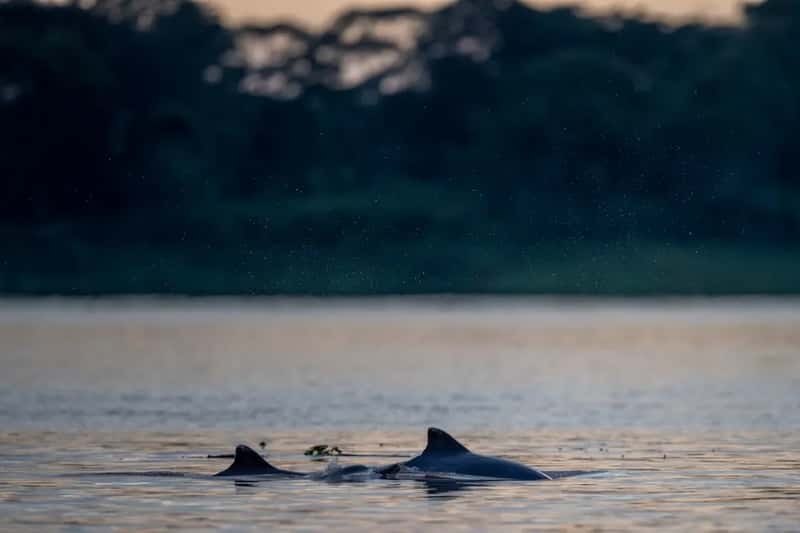
Put together, the picture facing the Amazon’s pink river dolphin is one of overlapping crises rather than a single villain. Heat waves and drought threaten sudden mass mortality events, mercury poisons slowly and invisibly, illegal bait fishing kills deliberately, and dams quietly fragment the populations that survive everything else. Each threat alone would be serious. Combined, they explain why a species once considered abundant across an enormous river system is now sliding toward the same fate as its Asian cousins, several of which are already critically endangered or extinct.
Still, there are reasons for cautious hope. International cooperation through the Global Declaration for River Dolphins, expanded emergency monitoring after the Tefé tragedy, and growing scientific attention to mercury and heat stress all suggest the world is finally taking this crisis seriously. Whether that attention translates into a stable, recovering population will depend on choices made in the next few years, about mining regulation, dam permitting, fishing enforcement, and how seriously nations treat a warming Amazon. The boto has survived in these waters for millions of years, wrapped in myth and mystery. What happens next may depend far less on legend and far more on whether people act while there’s still time.