Mexico is one of the most breathtaking countries on earth. Rich culture, ancient ruins, food so good it makes you want to move there permanently. Honestly, it deserves every bit of praise it gets. But here’s the uncomfortable truth: some of the most hyped cities in Mexico have transformed into glossy tourist bubbles that charge European prices while delivering a manufactured version of what travel is supposed to feel like.
We’ve all been sold a dream. Turquoise water, empty beaches, colorful streets. The Instagram version of Mexico. The problem is that reality has a way of crashing the party hard. Before you book your next flight to one of these famous destinations, you might want to read this first. Some of what you find might genuinely surprise you. Let’s dive in.
1. Cancún: The World’s Most Disappointing Beach Destination (According to Real Visitors)
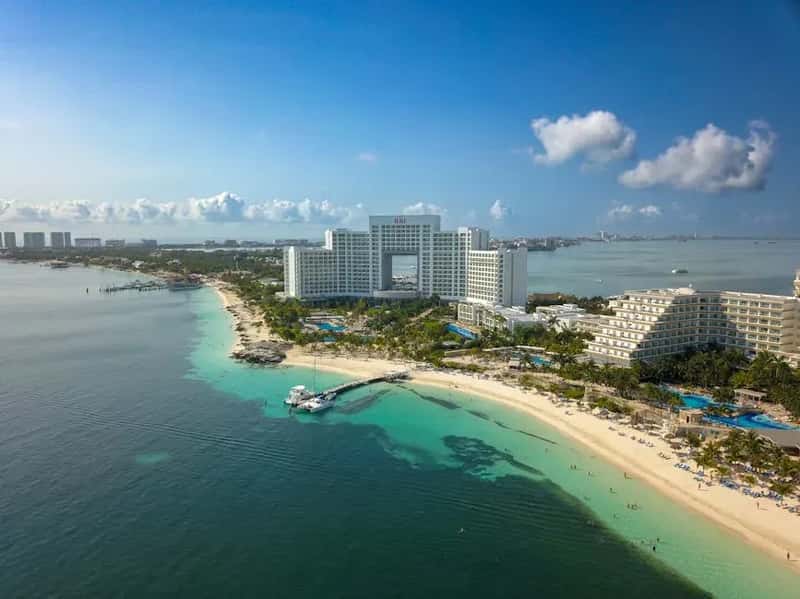
Let’s be real about Cancún. A study by Radical Storage puts Cancún at the top of the list of the most disappointing tourist cities of 2025. This is not a critic’s hot take. Radical Storage analyzed nearly 100,000 Google reviews of 100 of the world’s most-visited cities, and found that nearly one in seven of Cancún’s reviews were negative, the highest of all cities analyzed.
While its beaches, mega resorts, and convenient location win it some points, Cancún is also overbuilt, overpriced, and overrun. The hotel zone is largely disconnected from Mexican culture, and even downtown offers little of interest when compared to other cities in the Yucatán Peninsula.
The Hotel Zone is filled with American chain restaurants, shopping malls, and bars catering primarily to North American tourists. Many people here speak English, and prices are often listed in US dollars. Think about that for a second. You’ve flown all the way to Mexico, and you’re essentially in a sanitized American resort strip.
Large amounts of sargassum seaweed continue to arrive on the Mexican Caribbean beaches. Landings have mostly been south of Cancún and Playa del Carmen, but the unpredictability means you never know if your beach day will be ruined by massive mats of brown algae washing ashore. The most common charges against Cancún from reviewers were its marked-up prices, relentless souvenir hawkers, and a superficial, tourist-centric feel.
2. Tulum: From Bohemian Paradise to Overpriced Ghost Town
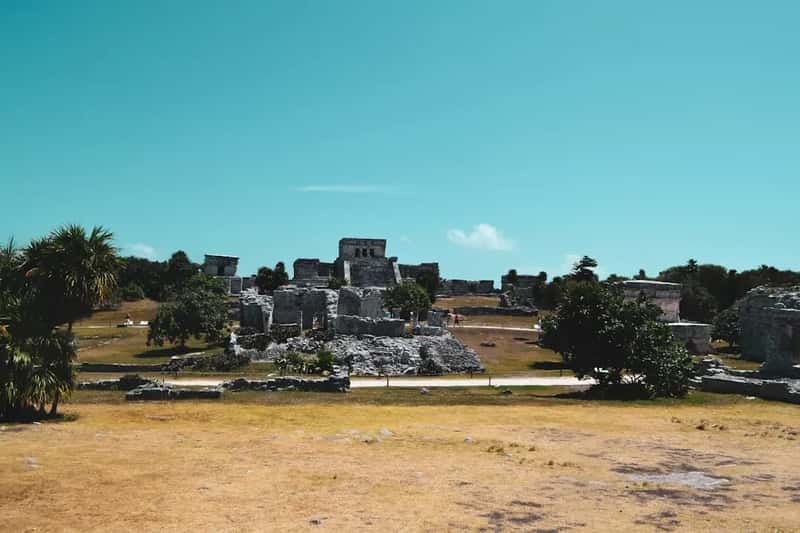
Tulum’s fall from grace is one of the most dramatic stories in modern travel. Summer 2025 marked one of the worst travel seasons in Tulum in the last decade. In some reports, the city averaged just roughly forty percent hotel occupancy, and in some cases, the downtown area reportedly reached around fifteen percent.
Average nightly hotel rates reached $450 in 2025, representing a roughly one-quarter increase from 2023. Some luxury properties have actually seen rates decline due to weakening demand. Visitors also face high taxi fares, minimum consumption requirements at beach clubs, and other hidden costs, leading many to feel the experience no longer justifies the price.
What was a global icon of alternative tourism and eco-luxury only a few years ago now faces an unprecedented drop in visitors, driven by soaring prices, record levels of sargassum, rising crime, and disputes over beach access. United, JetBlue, Air Canada, and other carriers cut flights, citing weak demand. By mid-year, at least two international carriers had canceled all Tulum routes entirely.
Locals are facing eviction as developers push them out to make room for more high-end hotels and rental properties. The poverty rate in Tulum increased from roughly a third in 2015 to nearly two-thirds in 2020, the highest increase in all of Mexico. I think that number says everything you need to know about who tourism here actually benefits.
3. Cabo San Lucas: Mexico’s Most Expensive City, Full Stop
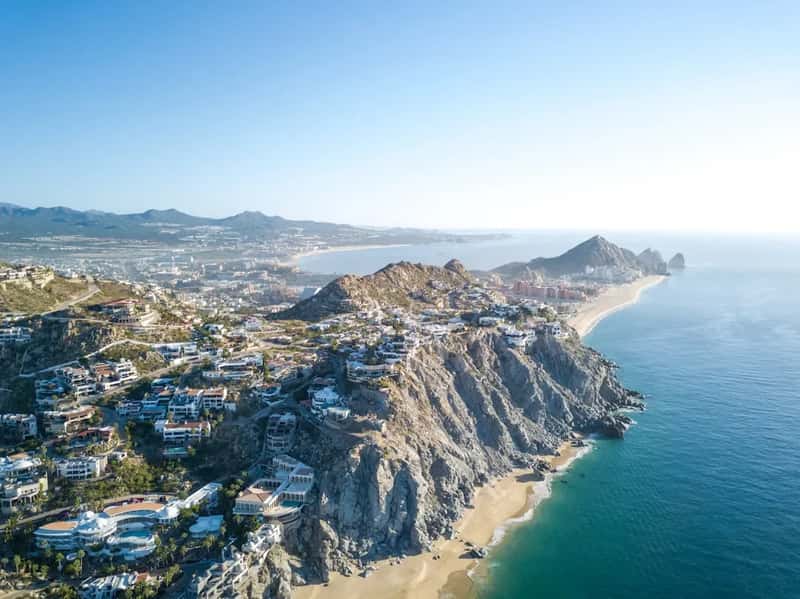
Los Cabos has the highest hotel rates in Mexico and it’s not particularly close. The average room rate in Los Cabos by the end of 2024 was five times higher than hotels in Mexico City and more than double the cost of popular resort destinations like Cancún and Puerto Vallarta. Let that sink in.
The cost of a trip to Cabo today is comparable to, or even higher than Hawaii. The average hotel price has jumped from $180 USD per night in 2015 to a staggering $525 USD in 2025. The rise of new high-end luxury resorts contributes to this, but the high cost of living extends to everyday things.
The real estate boom in Los Cabos has seen demand drive prices ever higher so that by 2024, the Federal Mortgage Corporation’s housing cost index reported prices in Baja California Sur as the highest among Mexican states, with those in Los Cabos topping all cities, besting even Cancún and doubling the national average.
It’s difficult to walk anywhere in Cabo without being approached to buy a timeshare, a tour, or a souvenir. In Cabo, this can feel relentless. The timeshare scams are widely known, often luring tourists with promises of free stays or tours in exchange for a high-pressure sales presentation.
4. Playa del Carmen: Quinta Avenida’s Glitter Fading Fast
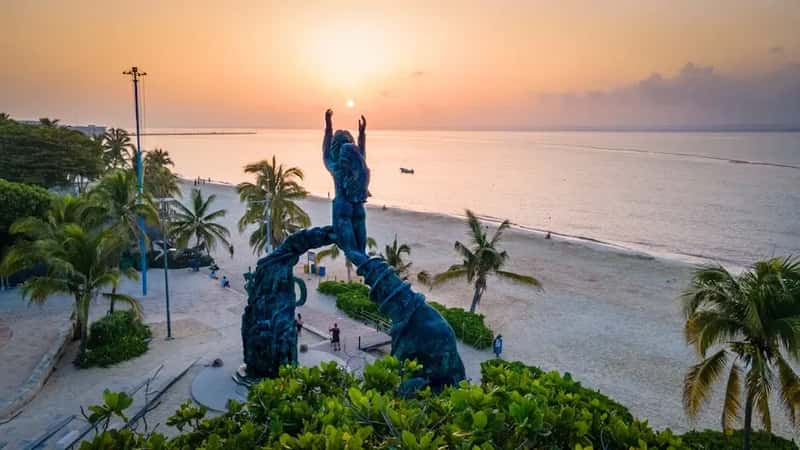
Along 5th Avenue in Playa del Carmen, there’s certainly a lot taking place at night. However, it’s not nearly as fun as it used to be. The loud noise and rowdy, inebriated crowds make it less family-oriented. The Quinta Avenida strip used to feel like something special. These days, it feels more like a theme park with overpriced cocktails.
Playa del Carmen has seen rising petty crime and scams targeting tourists. Overcrowding, especially during peak seasons, has also led to a less-than-relaxing environment. That’s a polite way of saying the party got a little out of control.
If you like a tourist destination where you can speak English all the time and plenty of foreigners to hang out with, Playa del Carmen works. Just don’t pick this one for affordable living: you’re competing with vacation renters when trying to find a place to stay, and if you want more space than a typical condo provides, you’ll pay dearly for it.
Living affordably is simply not possible in Playa del Carmen. The destination has gradually shed the charm that made it special in the first place, replaced by a formula that works for resellers, not genuine travelers.
5. San Miguel de Allende: The World’s “Best City” That Feels Like It’s Not Really Mexico
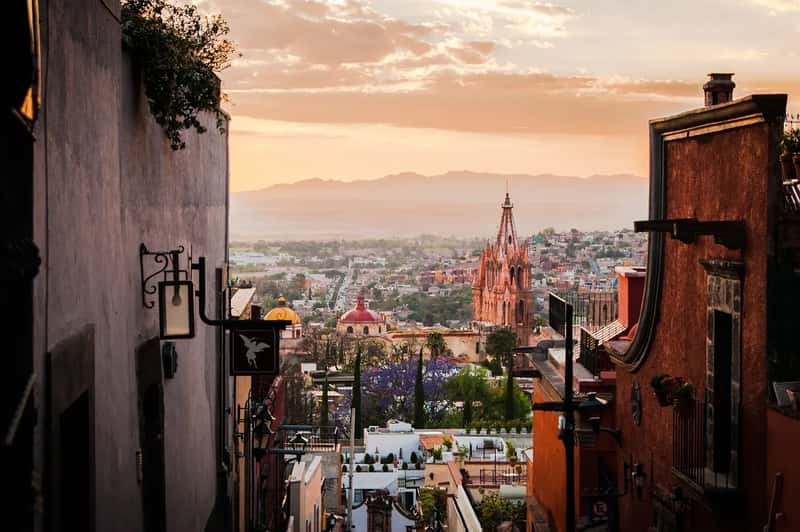
Voted by Travel and Leisure readers as the “World’s Best City” in 2025 for the second year in a row, and three times overall, there’s no denying that San Miguel de Allende is a beauty. Here’s the thing, though. Beauty alone does not justify what you pay here, or what you actually get.
San Miguel de Allende’s popularity among American tourists and expats has led to immense gentrification. It’s almost like a Mexico-lite: you’ll hear English spoken everywhere you go, many of the restaurants and tourist businesses are expensive, reflecting the demographic they target, and it can feel more like a curated bubble rather than an authentic experience.
Prices are high, and it’s a place where people like to see and be seen. If you want to live in a popular place that feels like a beautiful open-air retirement home for tens of thousands of foreign visitors, head straight to San Miguel de Allende. The historic center feels too perfect for some, the most manicured spot in Mexico.
Many of the buildings are owned by foreigners, and when visiting, you may hear far more English than Spanish around the main plaza. Is that the Mexico you were dreaming of? Worth asking yourself honestly before you book.
6. Mexico City’s Trendy Neighborhoods: When Gentrification Prices Out the Experience
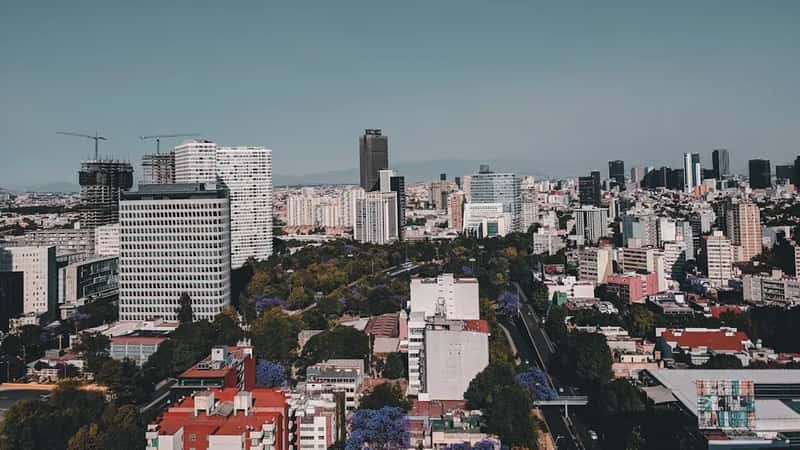
Mexico City itself is genuinely one of the world’s great capitals. It’s the largest city in North America, has more museums than any city in the world, and is home to some of the best street food on the planet. Nobody is questioning that. The problem is specific to certain neighborhoods that have been aggressively marketed to foreigners.
The trendy neighborhoods of Condesa, Roma, and Polanco are among the most expensive in the entire country. Yet CDMX also has dozens of affordable neighborhoods that tourists simply never visit. You can arrive in Mexico City and spend a week in a financial and cultural bubble that barely overlaps with the real city outside.
Trendy restaurant dinners in these neighborhoods can easily cost fifty dollars or more per person. That is not a local price. That is a digital nomad premium, stacked on top of another digital nomad premium. The neighborhoods featured in travel YouTube videos are popular for a reason, but that popularity comes with premium pricing. Living just one or two neighborhoods away from the action can cut housing costs by roughly half or more.
Souvenir shops at the Zona Rosa are overdone, expensive, and filled with stuff that you won’t have a place for at home. Honestly, the best of Mexico City rewards the curious visitor who wanders away from the influencer-approved map.
7. Puerto Vallarta: Charming, but the Wallet Pain Is Real
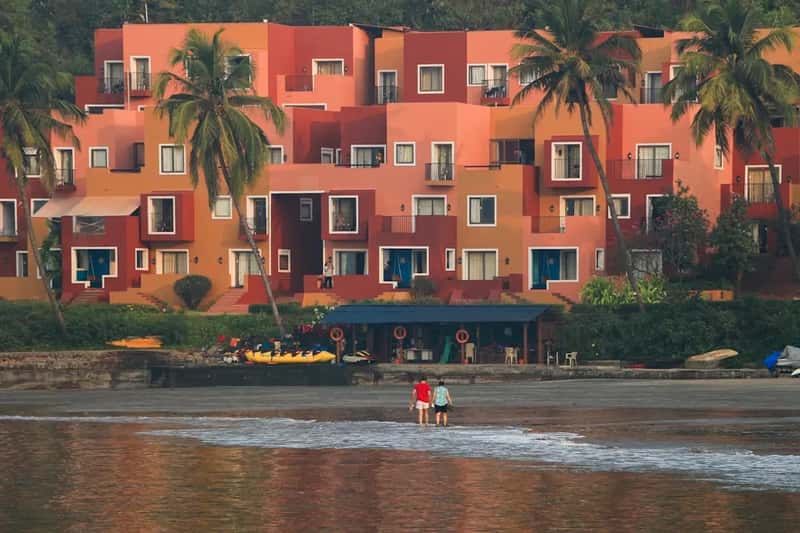
Puerto Vallarta has earned its reputation as one of Mexico’s most welcoming coastal cities. It genuinely has charm, great food, and a warm community. However, it is not the budget destination many travelers still imagine it to be, and that gap between expectation and reality stings.
Puerto Vallarta and surrounding communities are generally pricier than spots in Oaxaca, and perhaps on par with places like San Miguel de Allende. Puerto Vallarta is walkable, energetic, and full of nightlife, yoga studios, and gourmet dining. It’s pricier than nearby towns, though it does offer comfort and community.
Puerto Vallarta is a full-on tourist city with the same issues as Playa del Carmen in terms of competing with short-term visitors to find a place to stay. Many of the retirees here are homeowners instead, living above the center with terrific views, or in one of the many condo buildings that keep rising along the shores.
The Romantic Zone area, which every travel guide enthusiastically points you toward, is also where prices are highest and crowds are most intense. It’s like being told to go somewhere specifically because it’s authentic, and then finding out half the world received the same tip.
8. Oaxaca City: Beloved but Increasingly Commodified
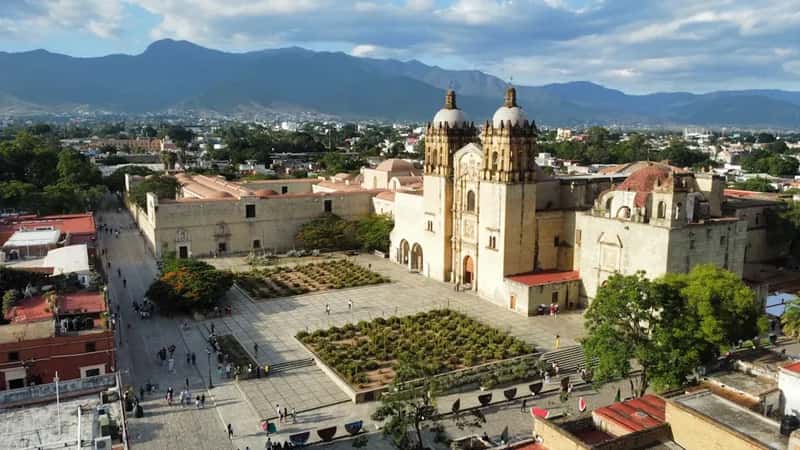
Oaxaca is a genuinely special place. Its food culture alone deserves a world heritage designation, and in many ways it has one. But over recent years, the city has experienced the exact gentrification pressure that hollows out the very authenticity tourists came searching for in the first place.
In Oaxaca City, the Day of the Dead attracts thousands to pay homage to lost loved ones in a time-honored tradition. It’s still sentimental but far more commercialized now, with more stuff to buy than memories shared. That commercialization is spreading beyond festivals into everyday tourism infrastructure.
The food scene, once refreshingly wallet-friendly for how extraordinary it was, now features Instagram-facing restaurants with prices aimed squarely at international visitors. Cities like Oaxaca offer a high quality of life at a lower cost, but there are also higher-end options now where you can easily spend considerably on rent alone. The budget Oaxaca of a decade ago has been significantly replaced by a boutique-hotel version of itself.
To be fair, many corners of Oaxaca still hold the magic. Stepping away from the crowds to one of the local neighborhoods is where you see a more authentic celebration and way of life. The key word there is “away.” You have to work for it now in a way you simply didn’t before.
9. Chichen Itza: A World Wonder That’s Become a Tourist Gauntlet
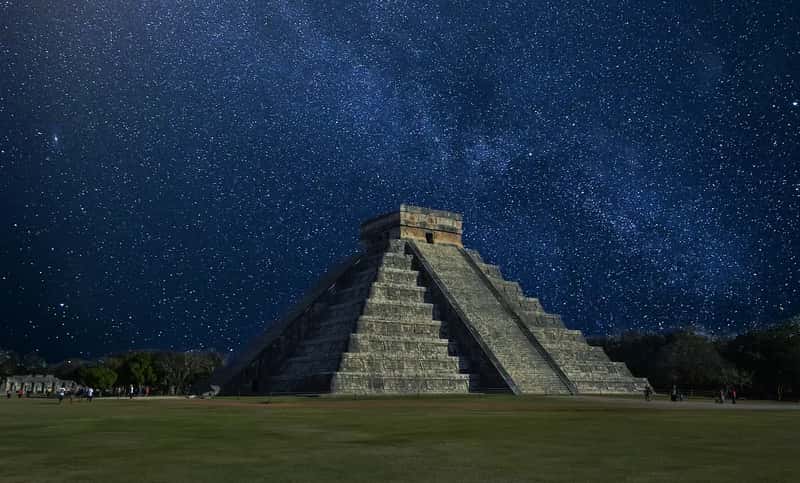
Few sites in the world carry the weight of Chichen Itza. One of the New Seven Wonders of the World, this ancient Mayan city is a UNESCO World Heritage Site and features the iconic El Castillo pyramid, also known as the Temple of Kukulcán, located about two and a half hours from Cancún. That history is real and undeniable.
Here’s the honest part of the story: the experience of actually visiting has become deeply frustrating for many travelers. The crowds during peak months are staggering. To beat the crowds and climb the pyramids, which you can no longer do at Chichen Itza or Teotihuacan, visiting earlier in the day is strongly recommended. Climbing, by the way, was permanently banned years ago.
The surrounding vendor gauntlet stretching from the parking area to the ruins is relentless. Prices for everything connected to the site, from organized tours to adjacent accommodations, reflect its world-famous status in the most commercial way possible. It’s hard to say for sure whether it’s worth it for everyone, but the gap between the postcard version and the sweaty, crowded reality is significant.
While many areas of Mexico offer a unique blend of historical and cultural charm, it’s easy for visitors to unknowingly find themselves in overpriced, crowded tourist traps that often lack the authentic Mexican vibe they came searching for. These places, while popular, can sometimes dilute the true essence of Mexican culture and heritage. Chichen Itza, as spectacular as it is in principle, has become one of the clearest examples of this tension.
The Bigger Picture: Mexico Is More Than Its Famous Names
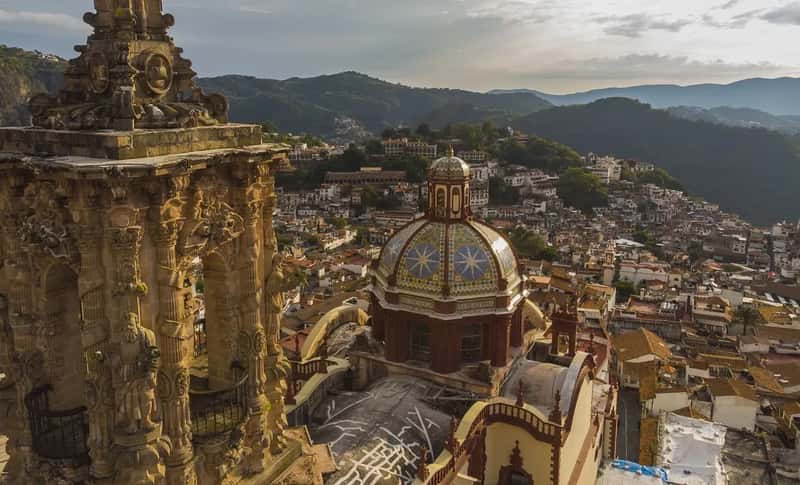
None of this means Mexico isn’t worth visiting. Quite the opposite. Mexico saw a record-breaking 45 million international visitors in 2024, finally surpassing pre-pandemic levels. People are clearly still coming. The question is whether they’re getting genuine value and genuine experience from the cities they’ve been told are unmissable.
Mexico is an incredibly diverse and complex country and its magic often lies beyond the obvious. While popular spots like Tulum, Cancún, and San Miguel de Allende might make for pretty Instagram shots, the real treasures are usually a little further afield. With a bit of curiosity and a willingness to go off the beaten path, you’ll be rewarded with richer experiences, better food, more authentic connections, and probably cheaper prices too.
The “anti-bucket list” is not about avoiding Mexico. It’s about avoiding the version of Mexico that was designed for your wallet, not your soul. The small, less-known cities, the hidden gem beaches a few miles from the larger establishments, and the well-respected small companies with passionate tour guides are where the real country lives. The famous names will always be there. The question is whether they deserve the top spot on your list.
What do you think? Have you visited any of these cities and felt the gap between the hype and reality? Tell us in the comments.