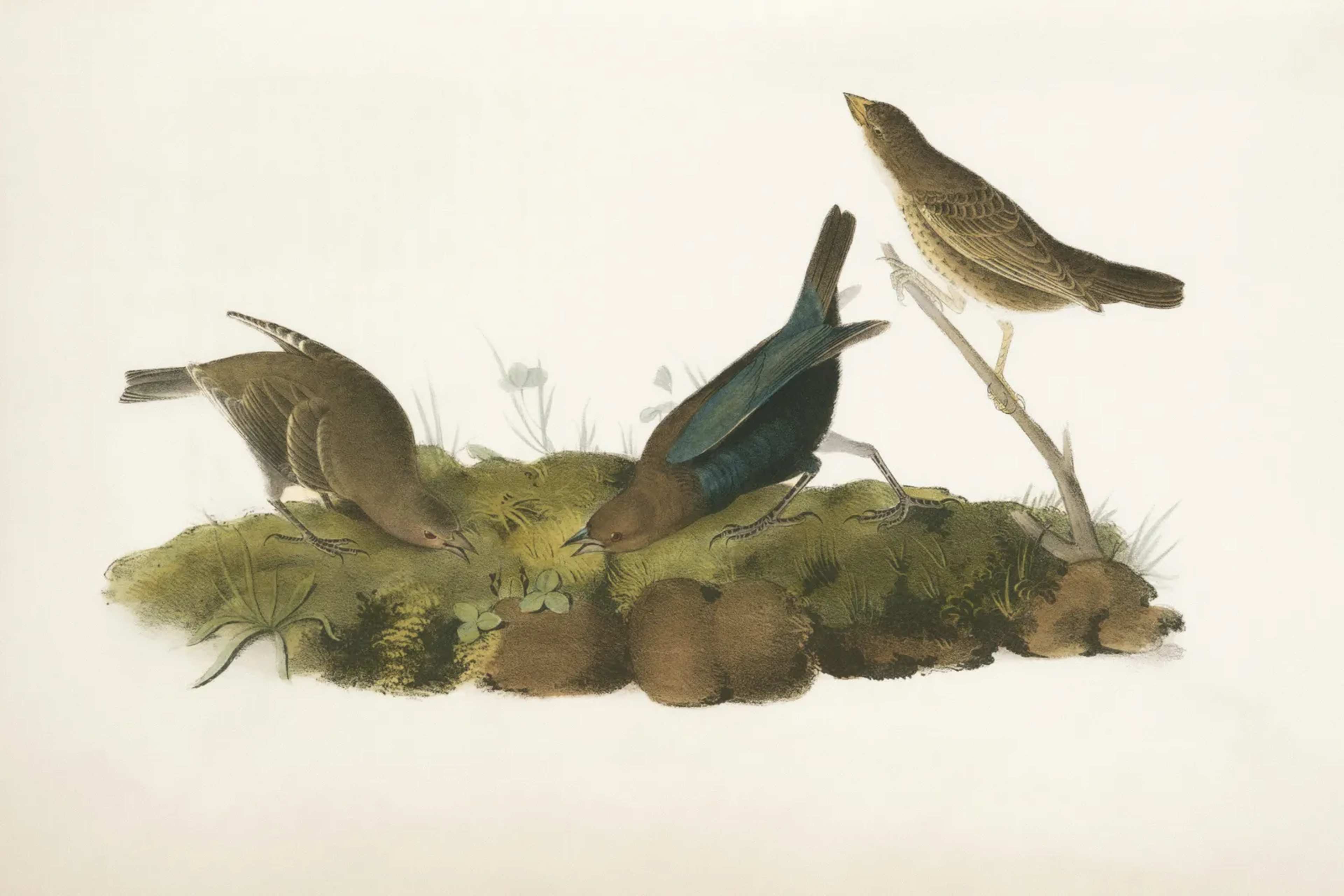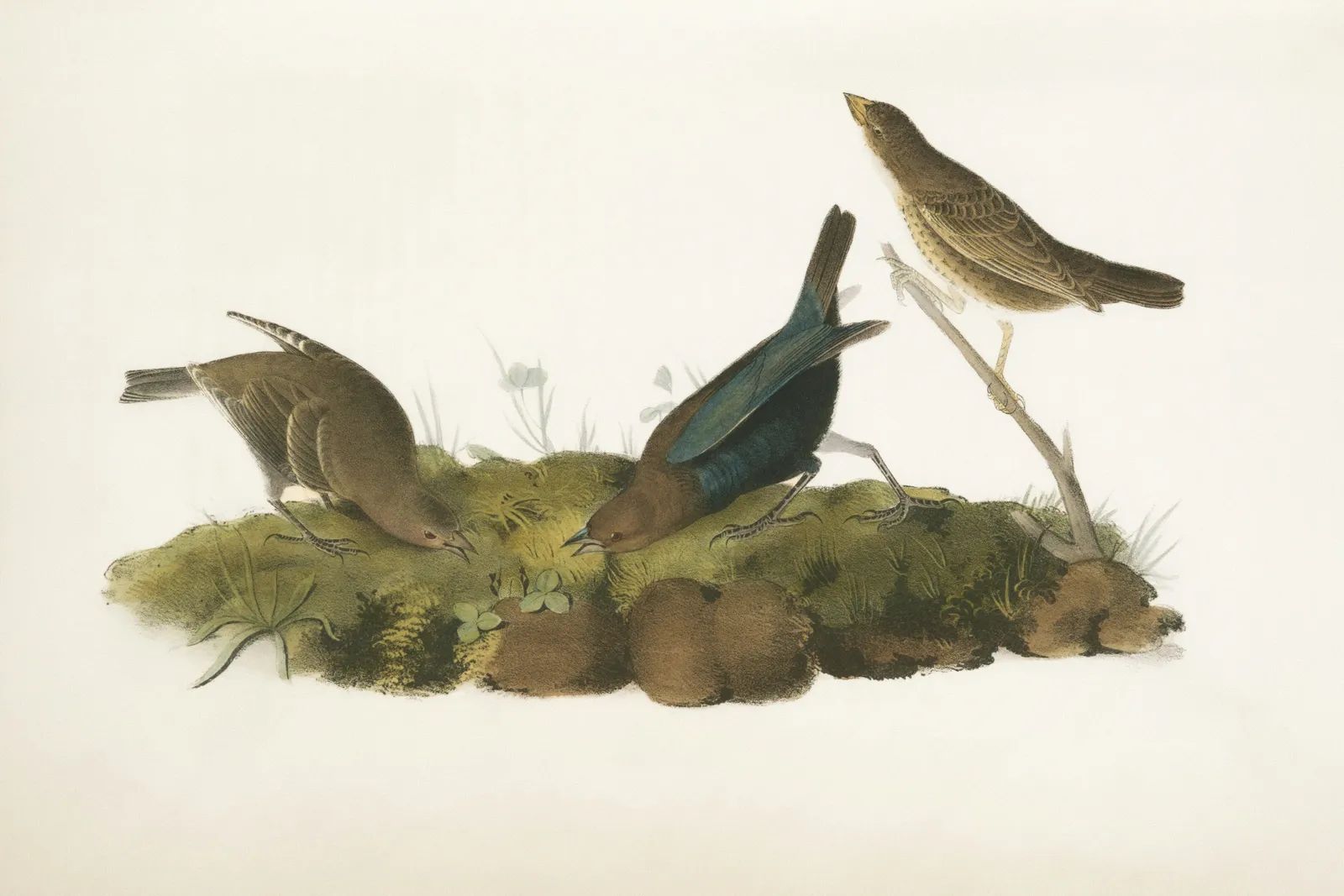
In the quiet hills of Kent, Connecticut, a remarkable body of work took shape over decades, yet its creator remained largely overlooked for generations. Rex Brasher set out as a boy to document every bird species across the continent through direct observation in the field. His determination produced an unmatched record of North American avian life that continues to surface in new ways today.
A Boyhood Promise Kept
Brasher announced at age eight that he would paint every bird species found in North America. He committed to working only from living subjects rather than specimens, traveling widely by foot, train, and boat to observe birds in their natural settings. Sketchbooks filled during those journeys formed the foundation for his later paintings. He rejected shortcuts that might compromise accuracy. When a finished piece fell short of his standards, he destroyed it, ultimately discarding around 700 works. This rigorous approach reflected a deep respect for the birds themselves and the ecosystems they inhabited.
Hand-Painting an Extraordinary Edition
Commercial color printing at the time could not reproduce the subtlety of his watercolors. Brasher therefore arranged for one hundred sets of his paintings to be printed in black and white, then personally hand-colored every plate. The effort required more than 87,000 individual paintings completed over four years. The resulting twelve-volume set, titled Birds and Trees of North America, contains 874 paintings. That total exceeds twice the number of species John James Audubon depicted in his own celebrated work. Brasher’s volumes stand as both scientific record and artistic achievement.
Why Recognition Proved Elusive
Brasher gained national attention during the 1930s and 1940s, with features in major publications and exhibitions at what later became the National Geographic Museum of Exploration. Yet his profile faded in later decades. Observers note that he focused intensely on the work itself and showed little interest in self-promotion. His nephew later documented the artist’s life in a biography, preserving details that might otherwise have been lost. Today the Rex Brasher Association works to catalog, scan, and share the full collection while advocating for bird habitat protection.
Fresh Attention Through Everyday Objects
A recent collaboration brought Brasher’s paintings to a wider audience in an unexpected format. Field Notes produced special-edition notebooks featuring reproductions of nine of his bird images. The line proved popular enough to move from limited release into the company’s regular catalog. The Wildlife Society plans to distribute similar notebooks to attendees at its annual conference, pairing the artist’s images with the event’s conservation theme. These small, tangible items have helped introduce Brasher’s name and story to new readers who might never have encountered his volumes otherwise. Brasher’s quiet persistence offers a lasting reminder that thorough observation and patient craft can create records of enduring value. His paintings continue to connect people with the natural world long after the artist himself stepped away from the easel.