Ask most travelers to name a cheap place to live in Southeast Asia, and you’ll hear the usual suspects: Chiang Mai, Bali, maybe Ho Chi Minh City. Rarely does anyone mention the tin-mining town in Malaysia that locals call the City of Millionaires, even though its own cost of living tells a very different story today. That contrast, a nickname built on old wealth and a present-day reputation for budget-friendly comfort, is exactly what makes this city worth a closer look.
The place in question is Ipoh, capital of the Malaysian state of Perak, and it has spent years sitting quietly between two more famous destinations without getting much credit of its own.
Where Ipoh Is and Why It Gets Skipped

Ipoh sits almost exactly between Kuala Lumpur and George Town, connected to both by a straightforward drive along the North-South Expressway. Ipoh is just a two-hour drive along the controlled-access North-South Expressway to the UNESCO World Heritage city of George Town or south to Malaysia’s capital, Kuala Lumpur. That convenient location, ironically, is part of why so many visitors treat it as a pit stop rather than a destination.
Most tourism itineraries funnel straight through to the bigger names, leaving Ipoh in a strange blind spot despite its size. Considering Ipoh is Malaysia’s third biggest city, it’s actually a bit of a hidden gem, often overlooked by urban giant Kuala Lumpur. It even earned outside recognition a few years back, when Ipoh was listed by CNN travel guide as one of the 18 most underrated cities in Asia in 2023.
The Real Numbers Behind the Low Cost of Living

Numbers tend to convince skeptics faster than adjectives, and Ipoh’s numbers are consistently on the low end for Malaysia. Ipoh boasts one of the lowest costs of living to be found in a Malaysian city. For digital nomads specifically, one detailed cost breakdown put the average living cost for digital nomads at 1,119 USD a month.
Compare that to the bigger cities and the gap becomes obvious. On average, digital nomads in Malaysia can live comfortably on RM 3,700 to 5,500 per month depending on the city, with Kuala Lumpur and Penang slightly higher while Ipoh is more affordable. Even within Malaysia, a country already known for stretching a dollar further than most of its neighbors, Ipoh manages to undercut the national average.
Renting Here Without the Sticker Shock

Housing is usually the biggest line item in anyone’s monthly budget, and this is where Ipoh really separates itself. One important reason the cost of living in Ipoh is so affordable is because of the cost of renting here, where you can rent a comfortable two-bedroom place for as little as US$200 or US$250 per month. That figure alone would barely cover a room share in Singapore or Sydney.
Slightly nicer or larger units still land well below what similar spaces cost in the capital. A nice one bedroom apartment in Ipoh can cost anywhere from $400 to $600 USD per month, while a nice two bedroom apartment can cost from $600 to $800 USD per month. And unlike in some rental markets, a property agent’s fees are paid by the property owner when a buyer or renter is secured, so using one comes at no cost to you, which means most agents are motivated to find properties that satisfy your requirements.
Eating Well Without Watching Every Ringgit
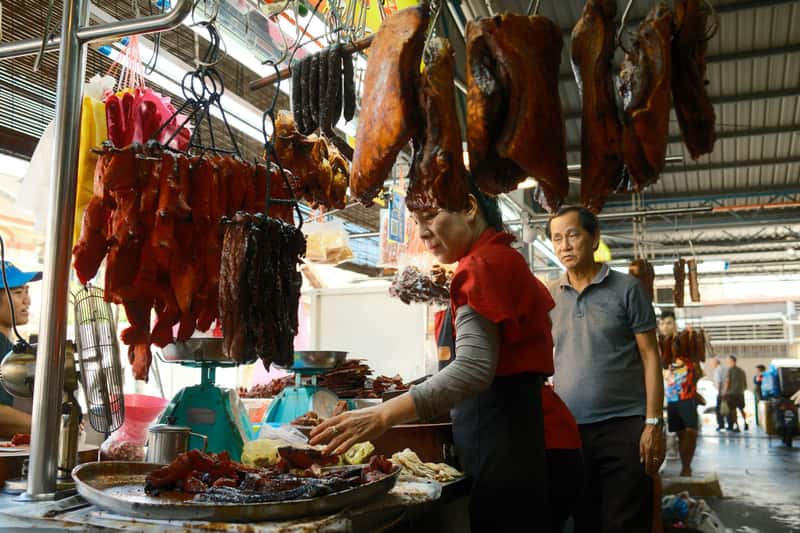
Food in Ipoh isn’t just cheap, it’s genuinely good, which is a rarer combination than people assume. Hawker-style meals dominate the everyday dining scene, and the key to keeping food prices low is hawker stalls, where a filling meal like Nasi Lemak, Char Koay Teow, or Curry Mee costs between RM8 and RM15, roughly $1.70 to $3.20 USD. Dining out with someone else costs about as much as one modest takeout order back home.
Even a proper sit-down dinner for two rarely strains the wallet. A dinner for two at a moderately priced restaurant in Ipoh can cost around $20 USD. On top of the affordability, the city has built something of a reputation around its coffee, since Ipoh white coffee comes from here, and if you love discovering authentic cafes and trying local coffee specialties, you are going to love Ipoh.
Getting Around Without Needing a Car
Ipoh isn’t sprawling in the way Kuala Lumpur is, so daily movement tends to be simpler and cheaper. Grab, the region’s dominant ride-hailing app, covers most trips around town, and fares stay modest compared to what similar distances cost in bigger Malaysian cities. Locals and visitors alike lean on this rather than owning a vehicle, which saves on insurance, fuel, and the general headache of parking in a growing town.
For anyone wanting to explore beyond the city limits, the location pays off again. A 90-minute drive takes you west to Lumut, the gateway to the beach resorts of Pangkor Island, or east to Malaysia’s central mountains, the town of Tanah Rata and the Cameron Highlands. Weekend trips become genuinely feasible without eating up a big chunk of a paycheck on transport.
Healthcare That Doesn’t Require a Backup Plan

Malaysia’s healthcare system is one of the country’s underrated strengths, and Ipoh benefits from the same national framework as bigger cities. A visit to a private GP is often under RM100 to RM150, while a private specialist visit is typically RM200 to RM400. For context, that’s a fraction of comparable out-of-pocket costs in the United States or much of Western Europe.
Malaysia also draws people specifically for medical treatment, a sign of how the system is regarded regionally. Malaysia is a renowned medical tourism destination due to its high standards and low prices. For retirees weighing where to settle long term, that combination of quality and affordability tends to matter more than almost anything else on the list.
Old Town Charm and a Growing Art Scene

Ipoh’s Old Town is where the city’s personality really shows up, full of restored colonial-era shophouses, mural-lined lanes, and a slower rhythm than you’d find in a capital city. Old Town provides the best insight into the city and its culture and is full of shops, restaurants, and activities to keep you entertained throughout your visit. Street art has become part of the identity too, with a flourishing street art community, much like Kuala Lumpur and George Town, capturing the creative spirit of the city.
None of this feels manufactured for tourists, which is part of the appeal. The city has picked up an informal reputation among Malaysians as something of a design and coffee hub, sometimes described as the country’s hipster capital, without losing the everyday texture of a working regional center. That balance between charm and authenticity is hard to fake and even harder to find once a place gets too popular.
Nature That’s Practically Next Door
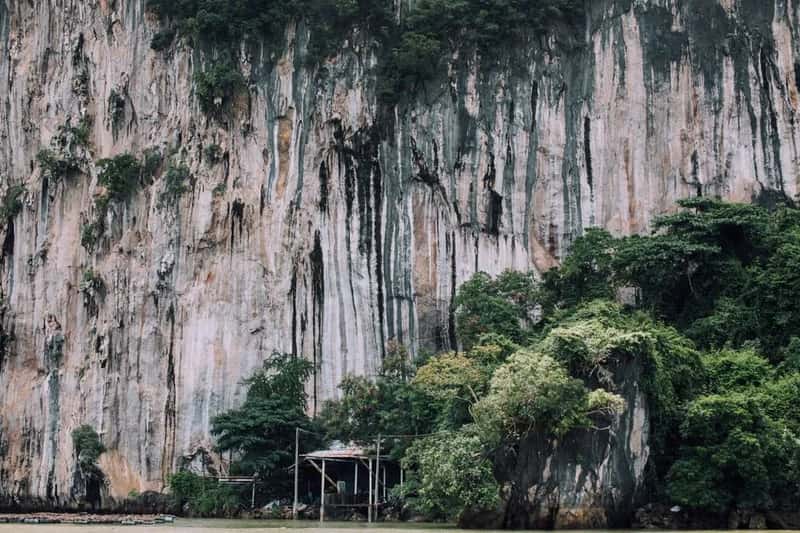
Few cities this size offer such quick access to genuine wilderness. Within an hour’s drive of Ipoh you’ll find caves, natural lakes, and wild rivers, making this one of Malaysia’s best locales for trekking, spelunking, and white-water rafting. The limestone cliffs that ring the city aren’t just scenery, they’re functional playgrounds for anyone who likes to get outdoors on a weekend.
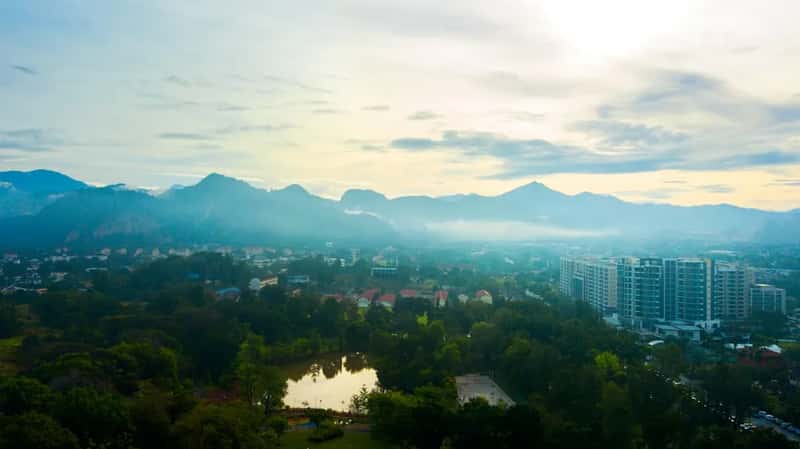
The surrounding geography also shapes the local mood in subtler ways. The Kinta River Valley is surrounded on three sides by picturesque limestone cliffs and hills, granite mountains, and dense tropical jungle, with the Kledang Mountains stretching from north of the city toward the east. Locals often point to the cleaner air and quieter pace as reasons they never felt the need to move to a bigger city in the first place.
Who’s Actually Choosing to Live There
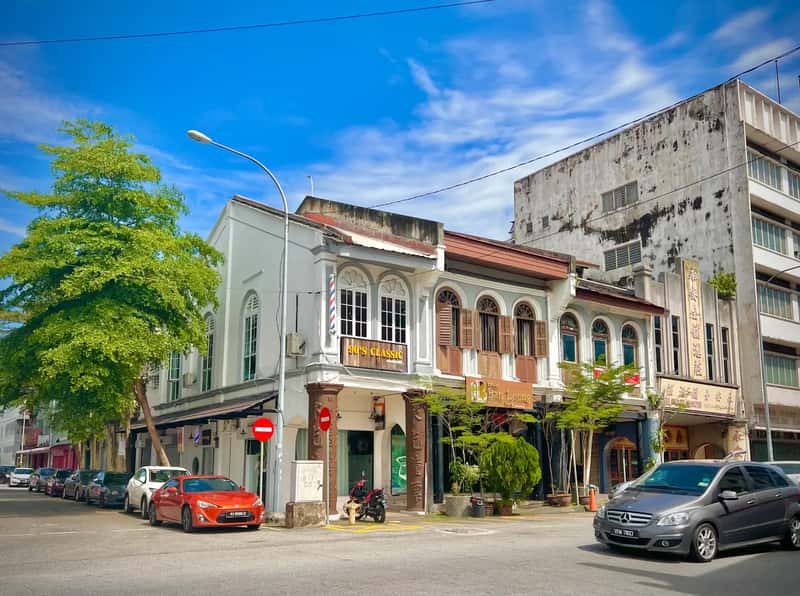
Retirees have been quietly drawn to Ipoh for years, largely because of how the numbers and the pace of life line up. Ipoh is a popular retirement haven for Malaysians, who claim that its fresh air, clean water, and relaxing lifestyle not only improves their quality of life but also promotes longevity and health. International retirees are catching on too, often through long-stay programs designed for exactly this kind of relocation.
Remote workers make up a smaller but growing group, drawn by the combination of low costs and decent infrastructure. Compared to bigger and more popular cities like Kuala Lumpur or George Town, Ipoh is one of the more budget-friendly digital nomad destinations in Southeast Asia, while still offering everything most digital nomads need. It’s not a bustling coworking hub in the way Bangkok or Chiang Mai has become, but for people who prioritize savings and quiet over networking events, that’s not really a downside.
The Honest Trade-offs Worth Knowing
No city is without its compromises, and Ipoh has a few worth mentioning plainly. Coworking infrastructure is thin, since the most popular coworking spaces are limited to a handful of options like WorkPoint Office Rentals, Incubator4y Sdn Bhd and EDM Space. Wifi in casual coffee shops can also be inconsistent for anyone handling large files or frequent video calls.
There’s also a genuine language gap to be aware of, since the language barrier can be a challenge, as English is not widely spoken in the area, at least outside tourist-facing businesses. None of these issues are dealbreakers for most people, but they’re the kind of practical details that separate a place that sounds ideal on paper from one that actually suits your daily habits.
Final Thoughts
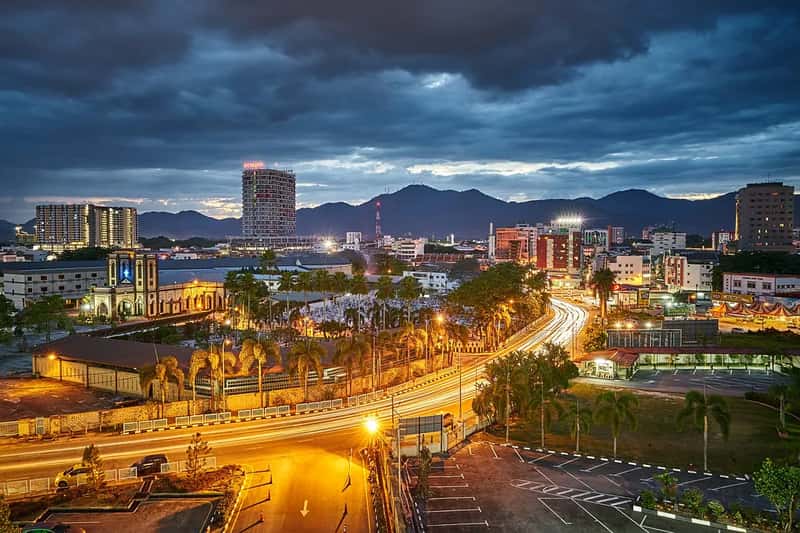
Ipoh isn’t trying to compete with Kuala Lumpur’s skyline or Penang’s UNESCO heritage listing, and that’s precisely why it works for people chasing lower costs without giving up comfort. The rent alone can free up more monthly income than most people save through years of careful budgeting elsewhere. For anyone tired of watching popular destinations get more expensive every year, a quieter city built on limestone hills and cheap white coffee might be worth a second look before it stops being a secret.