Ask five people who have relocated abroad when they’d do it again, and you’ll likely get five different answers. Some swear by the calm of an autumn arrival, others insist summer gave them the smoothest start. What almost none of them will tell you is that timing is often treated as an afterthought, something decided by a job offer or a lease date rather than a deliberate choice. That’s a mistake, because the calendar can shape everything from your moving costs to how quickly you settle into a new routine.
Why timing matters more than most people assume

Moving internationally involves far more moving parts than a domestic relocation, and the calendar touches almost all of them. One variable that many people overlook, or leave to chance, is the timing of the move itself, and the month you choose can mean the difference between a seamless transition and a chaotic scramble. Costs alone can swing wildly depending on when you book.
International moving costs fluctuate dramatically depending on the season, and a household goods shipment that might cost twelve thousand dollars in February could easily run eighteen thousand dollars or higher in July. That’s not a small difference for a family budget. Add in visa timelines, weather, and school calendars, and it becomes clear that picking a moving month is really an exercise in juggling several separate deadlines at once.
Spring: popular, pleasant, and pricier than it looks

Spring has a reputation as the friendliest season for an overseas move, and there’s some truth to that. Spring, from March to May, is one of the most popular times to move abroad from the UK, since milder weather makes packing, loading, and transport easier, and international shipping routes tend to run smoothly, avoiding winter backlogs at ports. The daylight hours are longer, which helps when you’re coordinating movers, flights, and paperwork all in the same week.
The catch is that popularity has a price tag. Spring can bring higher relocation costs, especially if you plan to relocate in April or later, since that marks the beginning of the relocation season. Weather can also be less predictable than it seems on paper. Spring weather is generally milder than other seasons but can also be unpredictable, and rain, wind, and sudden temperature drops can make moving abroad more difficult and increase the risk of damage to belongings.
Summer: the busiest, most expensive window on the calendar

If there’s one season that consistently tops the “avoid if you can” list among relocation specialists, it’s summer. Summer, from June to August, is the busiest period for international removals, as demand from families relocating after the school year, professionals on end of contract moves, and general relocation activity peaks sharply, pushing prices up while availability tightens and customs processing at busy destination ports can extend. Multiple moving companies point to the same three months as the global crunch point.
Peak moving seasons typically span June to September in the Northern Hemisphere, and demand surges for international relocations during this window, driving up costs by around thirty percent. Booking early helps, but it doesn’t eliminate the premium. If your move can wait a few weeks either side of summer, your wallet will likely thank you.
Autumn: the quiet favorite among relocation experts

Ask people who move households for a living, and autumn keeps coming up as the underrated choice. For most people, the best time to move abroad is either spring or early autumn, from September to October, which offer a practical balance of reasonable cost, good availability from removal companies, and manageable weather. The rush of summer has passed, but winter’s rougher edges haven’t arrived yet.
There’s also a logistical argument for autumn beyond comfort. Autumn, from September to November, is an excellent time for a more cost effective international relocation, since with peak moving season behind you, removal companies and shipping lines often have more availability and rates can be slightly lower. For destinations like Canada, the season brings a scenic bonus too, with the changing leaves, crisp air, and fewer tourists making for an enjoyable start.
Winter: the cheapest option, with real trade offs

Winter sits at the opposite extreme from summer, and that cuts both ways. The best time to move is during winter if your main focus is saving money, since it is cheaper to move then as rental prices and removal costs often drop due to fewer people relocating during the colder months. Flights tend to follow the same pattern. Flights are generally cheaper in winter as airlines often reduce prices to attract passengers.
Still, cheap isn’t the same as easy. Winter, from November to February, sits at the other end of the spectrum, with costs at their lowest and removal companies having strong availability, but weather conditions and a reduced operating window over Christmas introduce their own complications. Shorter days and unpredictable storms can slow down an already complex process, so winter savings often come with a bit more patience required.
The worst time to move: the holiday and peak overlap

If there’s a genuine “worst” window, it sits right at the intersection of high demand and disrupted schedules. Moving in the weeks around major holidays, whether that’s Christmas and New Year, Lunar New Year, or the height of summer school breaks, tends to combine the downsides of every season at once. Arranging your international move before, during, or after public holidays such as Lunar New Year in China and Thanksgiving in the USA can lead to increased costs and stress due to higher demand, so planning your move outside busy periods is essential to save money and enjoy a smooth moving experience.
Early January deserves a specific mention here too, since it’s often overlooked as a peak period. June, July, and August are the peak months for international removals, driven by families relocating after the school year and professionals on end of contract moves, and early January also sees elevated demand. Combine a holiday rush with a summer surge in your destination country, and you’ve found the calendar’s true low point for movers.
School calendars quietly control more than you’d think

For families, the academic year often overrides every other seasonal consideration. If you have school age children, your moving window is largely defined by academic schedules, with the Northern Hemisphere summer break usually running June to August and Southern Hemisphere breaks often occurring in December and January. International schools sometimes complicate this further, since international schools may have unique terms that don’t align with local calendars.
Timing the arrival itself matters just as much as the moving month. Whenever possible, aim to move one to two months before the new school year starts, which gives children time to settle in and for families to adjust to the new home and routines before school begins. One UK based mover puts it slightly differently, suggesting July to early August as the optimal window for families since it follows the end of the UK school year and, for most destination countries, precedes the start of the new academic year, with arrival two to four weeks before term starting recommended.
Visa timelines can override every other preference
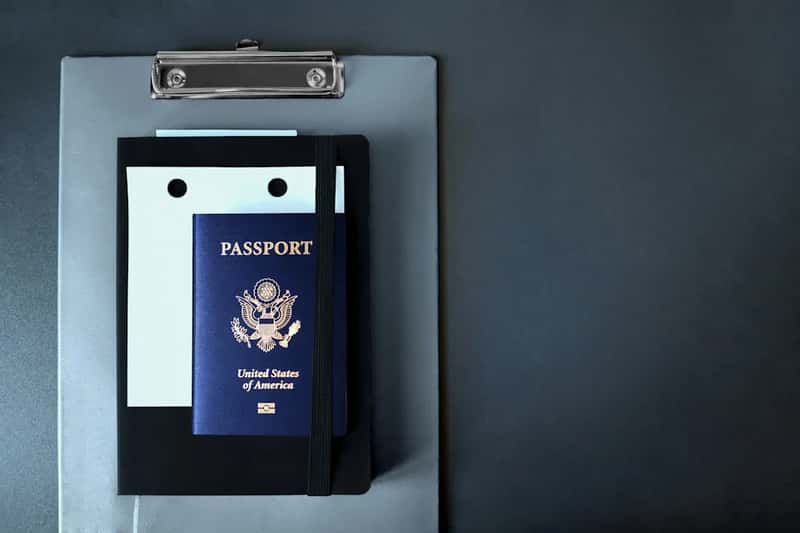
No amount of seasonal planning matters if your paperwork isn’t ready, and 2026 has made that painfully clear for many applicants. In 2026, the US immigration backlog stands at roughly 11.6 million cases, more than triple the number from a decade ago, impacting families nationwide. Processing categories vary enormously depending on the visa type and country of origin.
For anyone planning a move that depends on paperwork rather than just packing boxes, the lead time needs to stretch well beyond a typical shipping schedule. The visa application alone can take three to twelve months depending on the destination and visa type, and everything else needs to fit around it. Even outside the US system, visa application wait times can also impact your summer move, since many countries experience a surge of applications approaching the warmer months due to increased holidaymakers, relocations, and the run up to the academic year.
Weather at your destination matters more than weather at home

It’s easy to plan around the climate you’re leaving and forget entirely about the one you’re heading into. Seasons flip in the southern hemisphere, and a move that feels perfectly timed from a European or North American perspective can land you right in the middle of extreme heat or a monsoon season elsewhere. If you’re moving to Australia, spring in the UK means autumn in the southern hemisphere, which can be ideal for settling in before the Australian summer heat arrives.
Some regions carry sharper climate risks that are worth building into any schedule. Moves to the Middle East, such as Dubai, Qatar, or Saudi Arabia, can be challenging during summer when temperatures often exceed forty degrees Celsius, so it’s worth considering arrival dates that avoid the height of the heat and local holidays such as Eid. Southeast Asia brings its own seasonal hazard, since monsoon or typhoon seasons in regions like Southeast Asia are best avoided when possible.
Building a personal timeline instead of chasing a perfect month

After weighing costs, weather, visas, and school terms, the honest conclusion is that there’s no single calendar date that works for everyone. There is no single universally correct date, and the factors that determine the best time for an international relocation are personal, destination specific, and logistical, with the seasonal framework serving as a starting point rather than a rule. A fixed job start date or a specific visa appointment can override any seasonal preference entirely.
What experienced movers tend to agree on is the value of starting early, regardless of which month you eventually land on. For moves involving visa applications, school enrolment, property transactions, or complex customs requirements, beginning the process twelve months in advance is realistic rather than excessive. Some relocation specialists also point out that readiness matters as much as the calendar, noting that sometimes the best time to move is simply when you’re most mentally, emotionally, and financially ready.