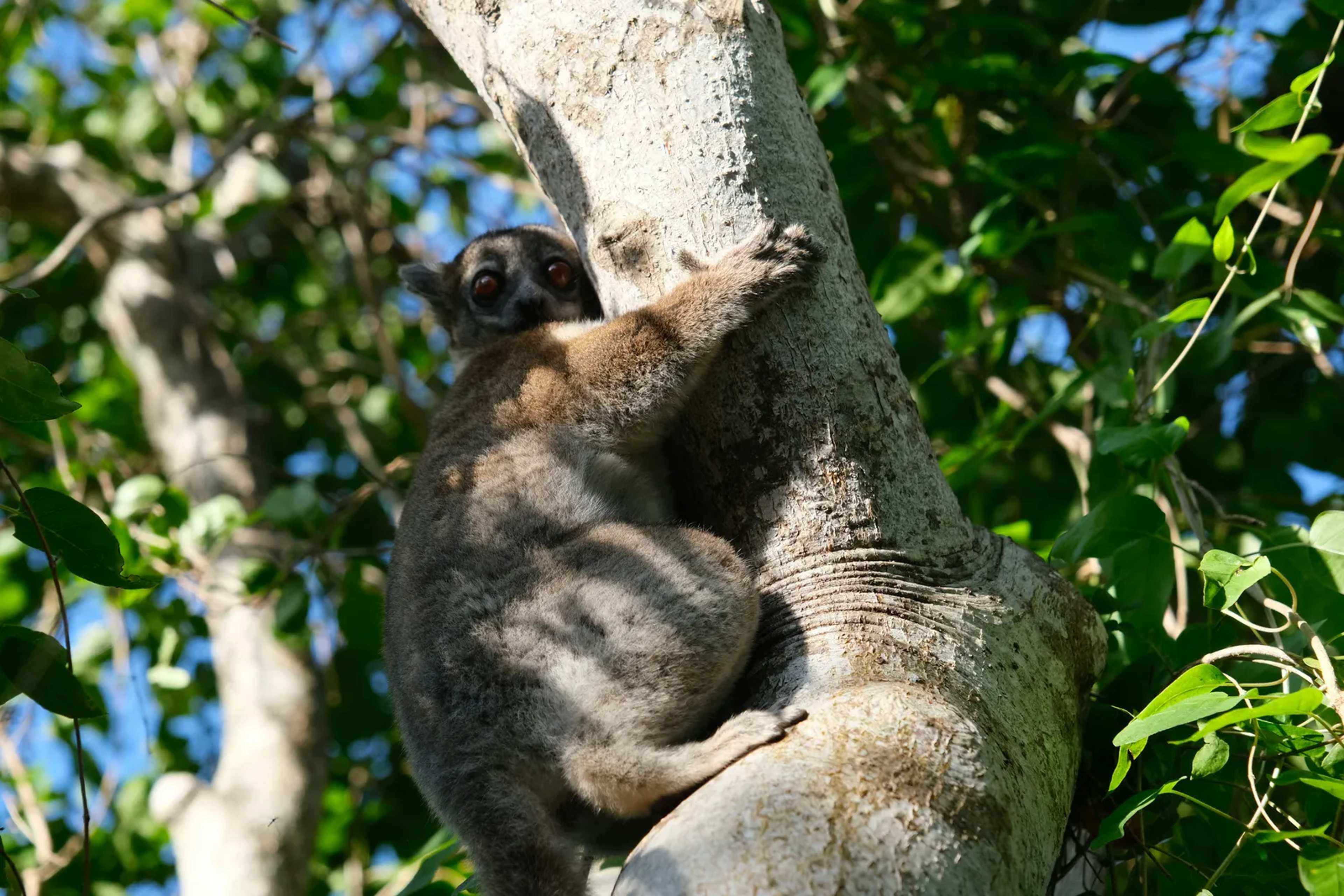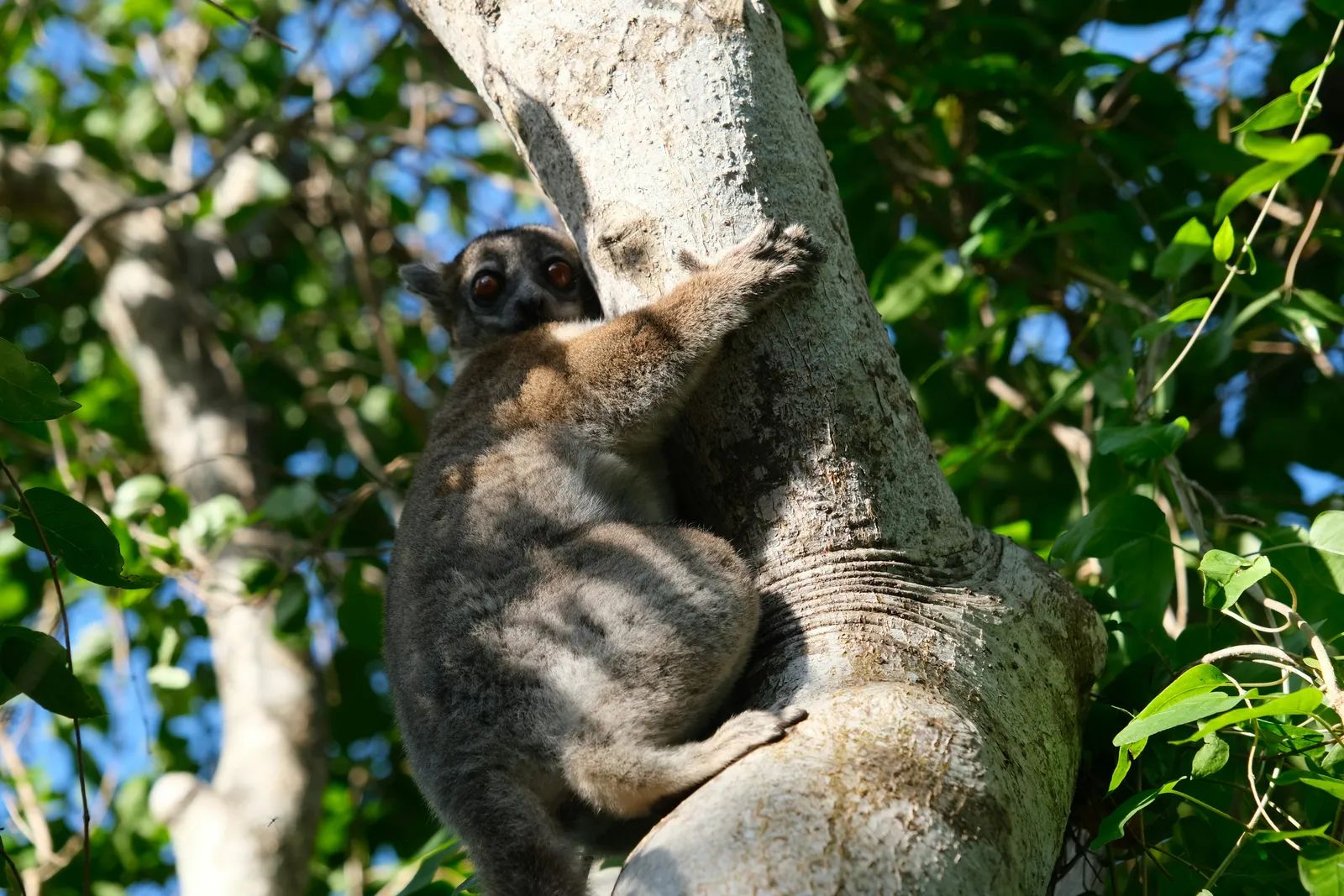
Madagascar – A recent study points to a striking possibility: the island’s biggest fruit bats are getting smaller, and selective hunting appears to be a contributing factor. The Malagasy flying fox (Pteropus rufus) has long served as a vital pollinator and seed disperser across the region’s forests and agricultural areas. Yet commercial and subsistence hunting, which targets these animals for meat, may now be shaping their physical traits in measurable ways. ([1])
The Bat’s Place in the Ecosystem
The Malagasy flying fox ranks as Madagascar’s largest fruit bat species. It feeds primarily on fruit and nectar, moving pollen between plants and spreading seeds across wide distances. These activities support forest regeneration and help sustain both wild plants and certain crops. Without such services, some ecosystems could face slower recovery after disturbance or reduced biodiversity over time. Local communities have long recognized the bat’s presence, though its numbers have fluctuated with habitat loss and other pressures. The animal’s size once made it a noticeable part of the nighttime landscape in many areas. Its ecological contributions remain important even as human activities intensify around its range.
Measuring a Gradual Shift
Researchers at the Field Museum of Natural History in Chicago examined physical changes by comparing specimens collected over 150 years. They focused on 121 skulls and teeth from the Malagasy flying fox. The analysis revealed that skulls had become significantly smaller after 1980, while tooth size stayed largely consistent. This pattern suggests the overall body size of the bats may have declined rather than just changes in feeding structures. The timing aligns with a period when commercial hunting reportedly increased. Earlier museum specimens, by contrast, showed larger average dimensions from previous decades.
Why Size Might Matter to Hunters
Hunting of the species remains legal between May and September each year. Some hunters use nets to capture bats for personal use, while others rely on shotguns to supply markets and restaurants with larger volumes of meat. Bigger individuals naturally provide more meat per animal, creating a possible incentive to target them first. Emily Cornelius Ruhs, the study’s lead author, initially considered several explanations for the size trend, including temperature shifts or habitat changes. Co-author Steve Goodman instead highlighted the potential role of intensified commercial hunting since the 1980s. The selective removal of larger bats could leave smaller ones to reproduce more successfully, gradually altering average body size in the population.
The researchers suggest this could indicate that hunters are selectively shooting larger bats because they yield more meat.
Questions That Remain Open
The study establishes a correlation between the timing of size changes and increased hunting activity, yet it stops short of proving direct causation. Other environmental factors could still play a role, and more data on current population genetics would help clarify the picture. Long-term monitoring of living bats could reveal whether the trend continues or stabilizes. Conservation efforts in Madagascar already address habitat protection and hunting regulations. Any future management steps would need to weigh the species’ ecological value against local food needs. The findings add one more layer to ongoing discussions about how human choices influence wildlife traits over generations.