There’s a particular kind of disappointment that comes from planning a national park trip for months, only to arrive and find every parking lot full before nine in the morning. It happened to more travelers than usual last year, and it’s shaping up to happen again. Timing a national park visit used to be a matter of avoiding obvious extremes like winter blizzards or July heat waves. These days it’s a much more layered calculation involving staffing shortages, shifting reservation rules, and a visitor count that keeps climbing even when common sense says it shouldn’t.
A record breaking era for park visitation
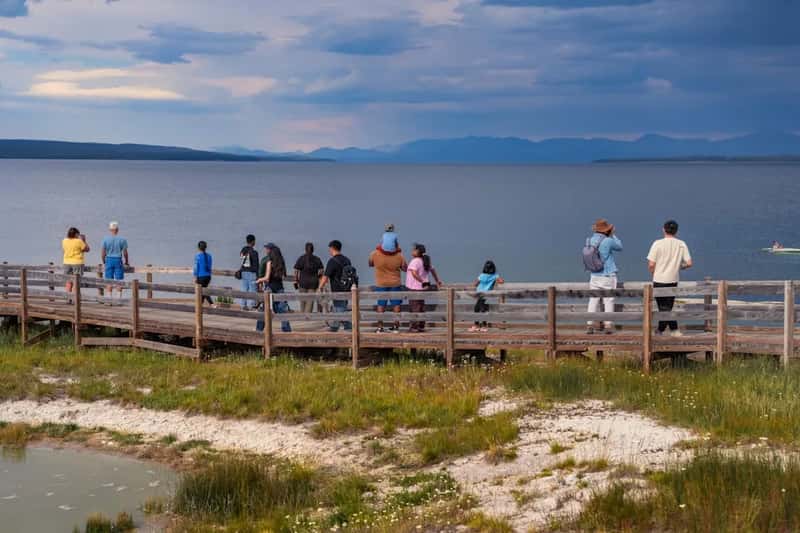
The numbers alone tell a story worth paying attention to. The National Park Service recorded more than 323 million recreation visits in 2025, including over 13 million overnight stays, with 26 parks setting new visitation records. That figure came in just below the prior year, since the 323 million total visits represent just a 2.7% dip from 2024’s all-time record of 331.9 million visits.
What makes 2025’s numbers particularly striking is the context surrounding them. Despite a 43-day partial government shutdown, the longest ever, the National Park Service worked to keep parks open and accessible whenever possible. Meanwhile staffing has been quietly gutted behind the scenes, as national parks lost nearly 25% of their permanent staff in 2025, according to an analysis of Department of the Interior workforce data by the National Parks Conservation Association. Fewer rangers managing the same, or bigger, crowds is the defining tension of the current moment.
Summer remains the busiest and most chaotic season
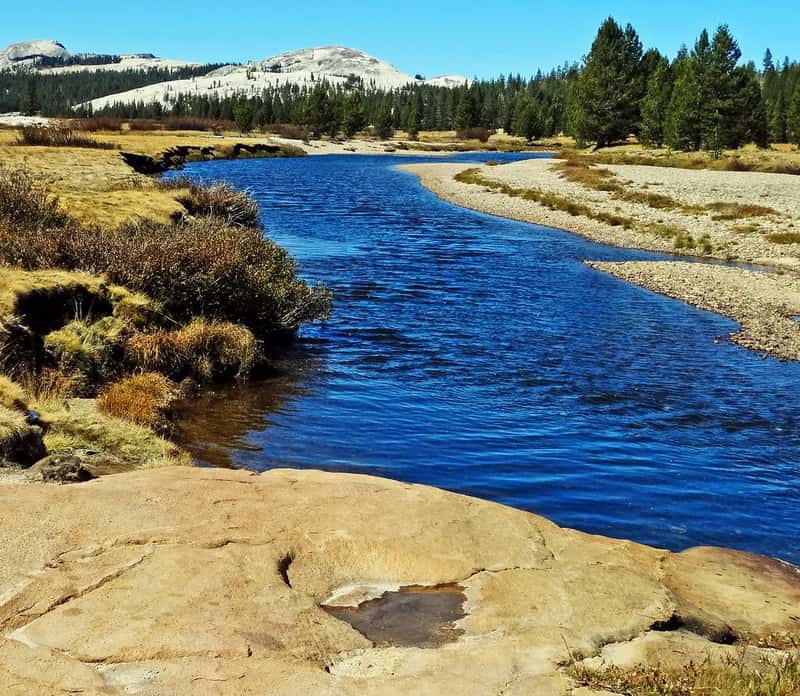
If there’s one takeaway that hasn’t changed in decades, it’s this: summer is still summer. School breaks, warm weather, and long daylight hours funnel the vast majority of visitors into a tight three month window. The strain has become visible in ways that go beyond mere inconvenience.
One visitor described the experience at Yosemite in blunt terms, with a Sacramento traveler comparing the traffic to “L.A. at rush hour” after discovering every trailhead parking lot he tried was already full during a late April visit. If April already looked like that, midsummer is worse by a wide margin. A park employee reportedly told him something close to a warning about what was coming, since he met a frazzled gift shop employee overwhelmed by the surge, who told him “If it’s this bad now, I can’t imagine what July will be like.” That kind of anecdote lines up with the broader data showing summer as the undisputed peak everywhere from the Rockies to the desert Southwest.
Yellowstone’s crowded reality without a permit system
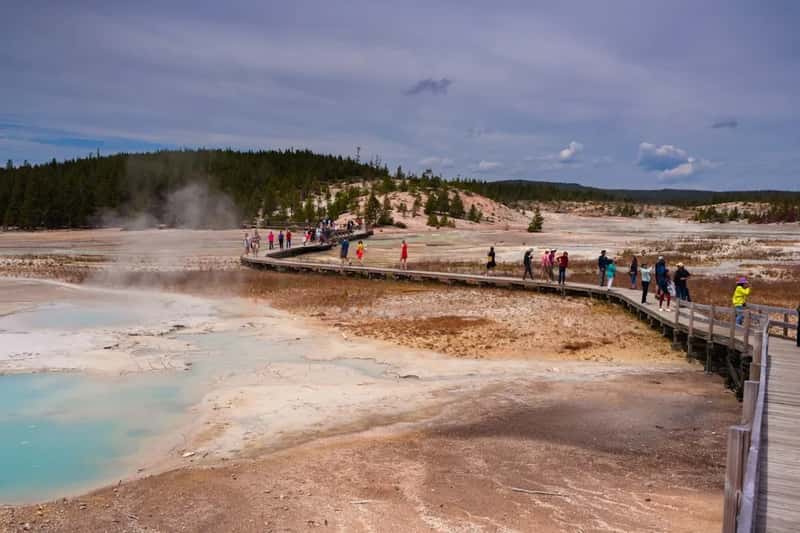
Yellowstone enters 2026 without any timed entry requirement, which sounds like good news until you look at the actual volume moving through the gates. Yellowstone in 2026 requires no timed-entry reservation, unlike Arches or Glacier, so visitors can drive in with a valid pass whenever they want. That freedom comes with a catch, because July daily visitor counts routinely hit 30,000 or more, and parking at major thermal areas fills completely by 9am.
Construction is adding another layer of friction this year. Multiple bridge construction projects are causing delays at both the North Entrance near Gardiner and along the Northeast Entrance Road near Tower Junction. The absence of a reservation system does not mean the absence of crowding, it simply changes the shape of it, since as one guide put it, the lack of a permit system doesn’t mean the absence of crowds, it just means the crowds are self organizing chaos rather than managed chaos. Early risers who hit the geyser basins before mid morning and late afternoon visitors chasing the Lamar Valley wildlife still have the best shot at breathing room.
Yosemite faces gridlock without its old safety net
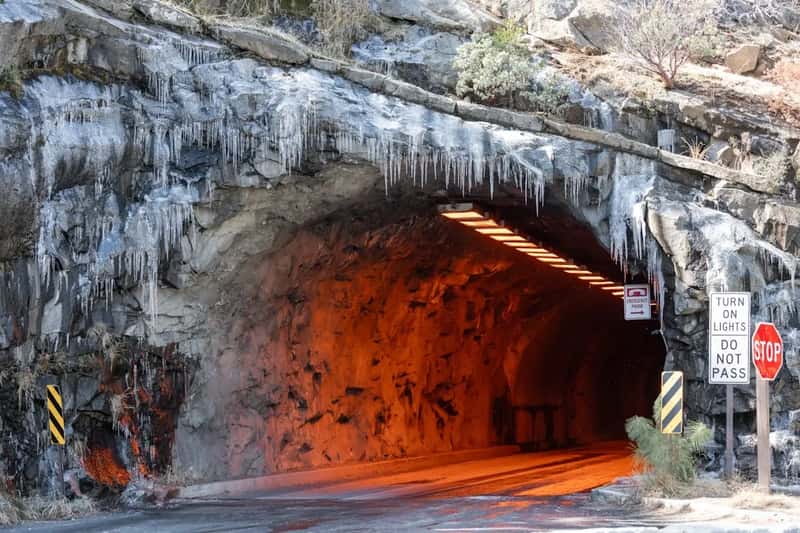
Yosemite pulled in a genuinely enormous crowd last year despite everything working against it. More than 4.2 million people visited the California park in 2025, an increase of 156,000 visitors from the previous year. That made it the fifth most popular park in the country, after Great Smoky Mountains, Zion, Yellowstone, and Grand Canyon national parks.
The bigger concern heading into this year is the removal of crowd control tools that had been working. Earlier this year, Yosemite and other popular parks announced they would no longer use a timed entry reservation system previously implemented to address overcrowding and congestion. In its place, NPS staff will manage parking, add personnel at key intersections during peak periods, and conduct real time traffic monitoring to respond to congestion. Whether that improvised approach holds up during the June through August rush, which remains the park’s busiest season between June and August, is something that will only become clear once the crowds actually arrive.size restriction rather than a full reservation system.
Glacier’s new shuttle only approach to Going to the Sun Road
Glacier National Park took the opposite route from Arches this year, tightening access rather than loosening it. Northern Montana’s Glacier National Park is piloting a ticketed only shuttle system in 2026, and those planning to spend more than three hours in the park are required to book a shuttle to the alpine area of Going to the Sun Road from either the west or east entrance. The logistics are fairly specific, with a portion of the shuttle tickets made available on a rolling basis starting May 2, and reservations bookable 60 days prior to the reservation date.
There is a workaround for travelers who miss the booking window or simply prefer flexibility. The east entrance at St. Mary doesn’t require a reservation, and visitors can drive the entire Going to the Sun Road from that side with no permit needed. The trade off is predictable, since parking fills by mid morning, but it remains a legitimate option for those who strike out on reservations or want to skip the system entirely.
Rocky Mountain still holds onto its timed entry system
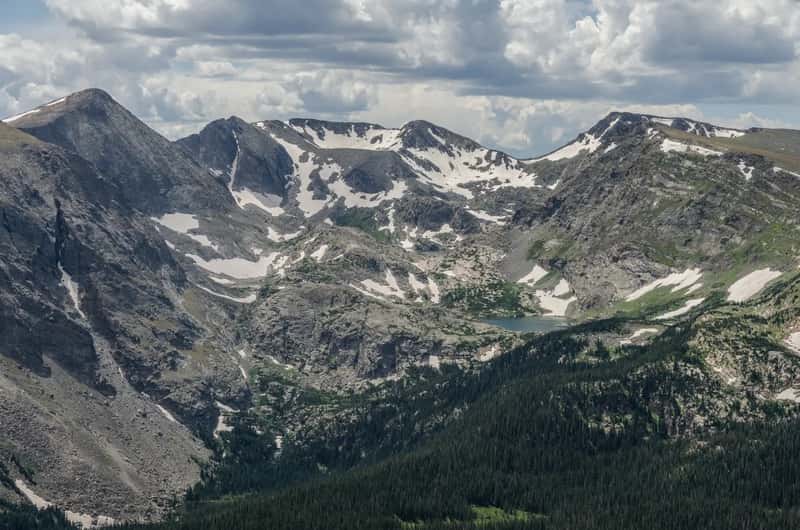
Not every park is dropping its reservation requirements, and Rocky Mountain National Park is one of the holdouts. Trail Ridge Road climbs above 12,000 feet where elk herds wander through meadows, and to see any of it between late May and mid October, visitors need a timed entry permit. Two separate permit types govern access, since there are two types, Timed Entry which gets you into most of the park, and Timed Entry plus Bear Lake Road, the most popular option because everyone wants to hike to Emerald Lake.
Fall brings a genuine reward for those willing to wait out the crowded months. Visitors who time a trip for late September into early October get to see the elk rut alongside changing foliage, all while the reservation pressure from summer eases considerably. It’s one of the clearer examples in the park system of shoulder season timing paying off almost immediately in comfort and access.
Shoulder seasons deliver the clearest payoff
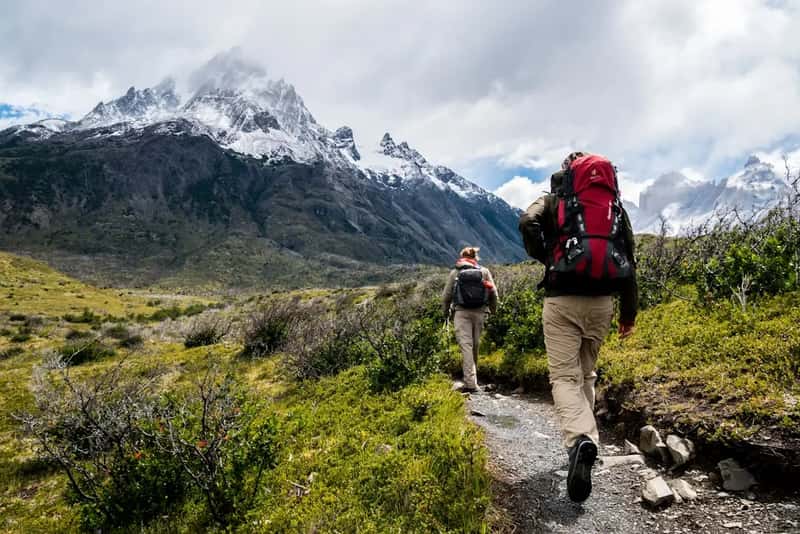
Spring and fall consistently emerge as the smartest windows across nearly every major park, and the reasoning holds up under scrutiny. Temperatures are manageable, wildlife tends to be more active during cooler parts of the day, and the crowds that clog parking lots in July simply haven’t arrived yet, or have already gone home. At Arches specifically, fall from September through October is the most underrated season, with temperatures dropping back to a comfortable range, the monsoon rains ending by mid September, and the crowds thinning significantly compared to spring.
Yosemite’s own visitor data points the same direction. Guides recommend visiting during the off season or during windows when demand naturally dips, since the best experience comes from visiting in the off season, meaning avoiding peak summer by going in spring or fall. The same logic applies broadly across the system, wherever a park’s peak season lines up with school vacation calendars, the surrounding months tend to offer a noticeably calmer experience without sacrificing much in terms of weather or accessibility.
Winter is the quiet season most travelers overlook
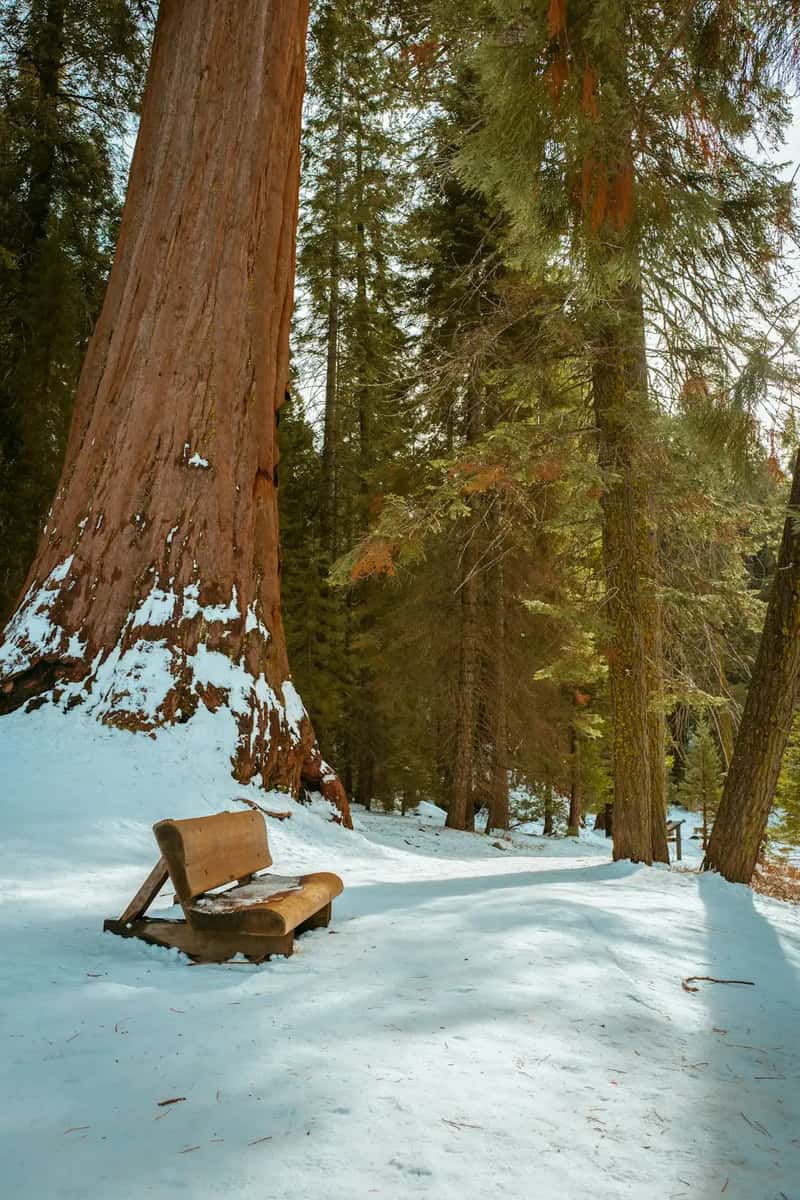
Winter rarely gets serious consideration from first time national park visitors, and that’s precisely why it deserves more attention. Snow closes certain roads and limits access to high elevation areas, but it also thins crowds dramatically at parks that remain open year round. Yellowstone’s snow coach tours through the geyser basins, Zion’s quieter canyon trails, and Joshua Tree’s mild desert days in December and January all offer a version of these landscapes that summer visitors rarely see.
The tradeoff is real, since some facilities operate on reduced hours and certain roads close entirely, requiring more upfront research than a typical summer trip. Still, for travelers willing to pack extra layers and check road conditions carefully, winter access often means empty overlooks and short waits at spots that would otherwise require arriving before sunrise. It’s a genuinely different way to experience terrain that most people only ever see packed with other visitors.
Skipping the crowds entirely at lesser visited parks
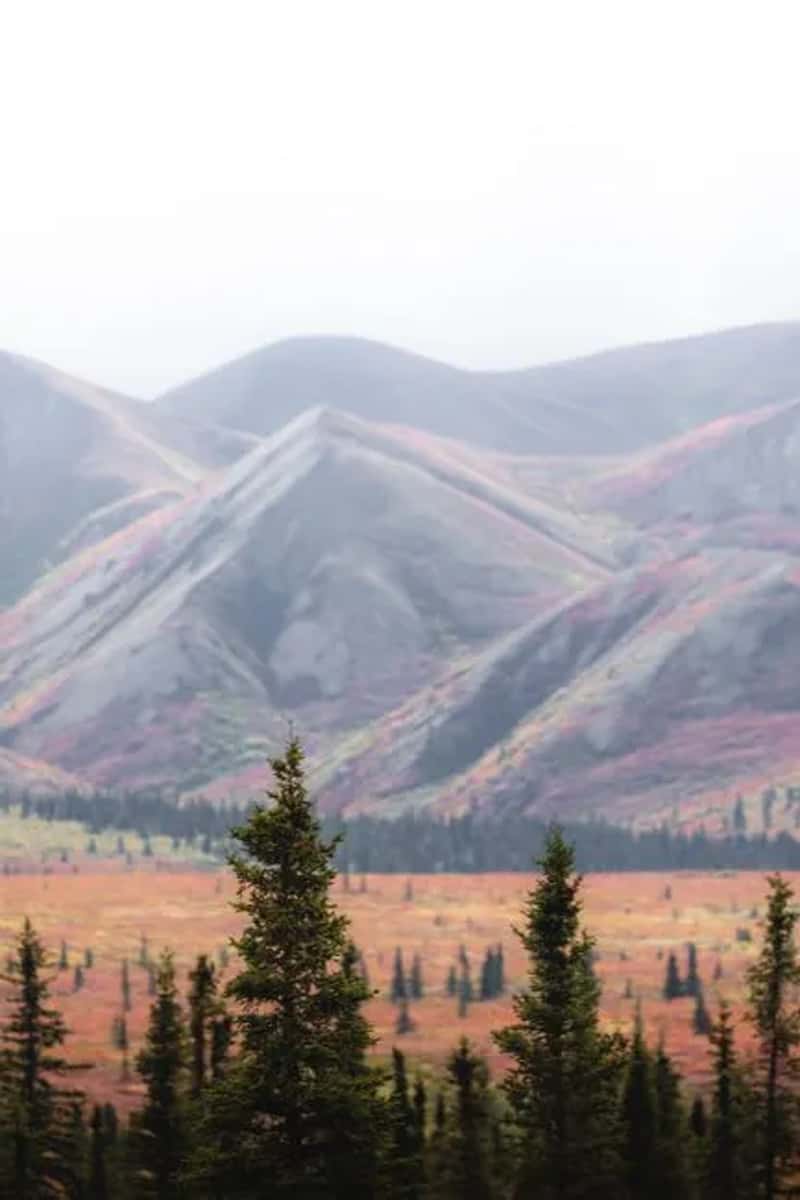
Perhaps the simplest strategy of all is choosing a different park altogether. The visitation data makes clear how lopsided the system really is, since in 2025, the busiest 10 national parks fielded more than half of all national park visits. Meanwhile places like Kobuk Valley barely register any traffic at all, with just 7,786 people making it to Alaska’s Kobuk Valley National Park last year, the least visited national park in the system.
A tour company executive framed this imbalance as an opportunity rather than a problem, noting that “there are incredible parks and monuments across the country where visitors can still find that sense of discovery.” Congaree’s boardwalk trails, North Cascades’ ferry accessible wilderness, and Great Basin’s dark night skies all offer landscapes on par with the marquee names, minus the parking lot standoffs. For travelers exhausted by permit systems and sunrise alarms, these overlooked corners might be the most refreshing option on the map.
Final thoughts
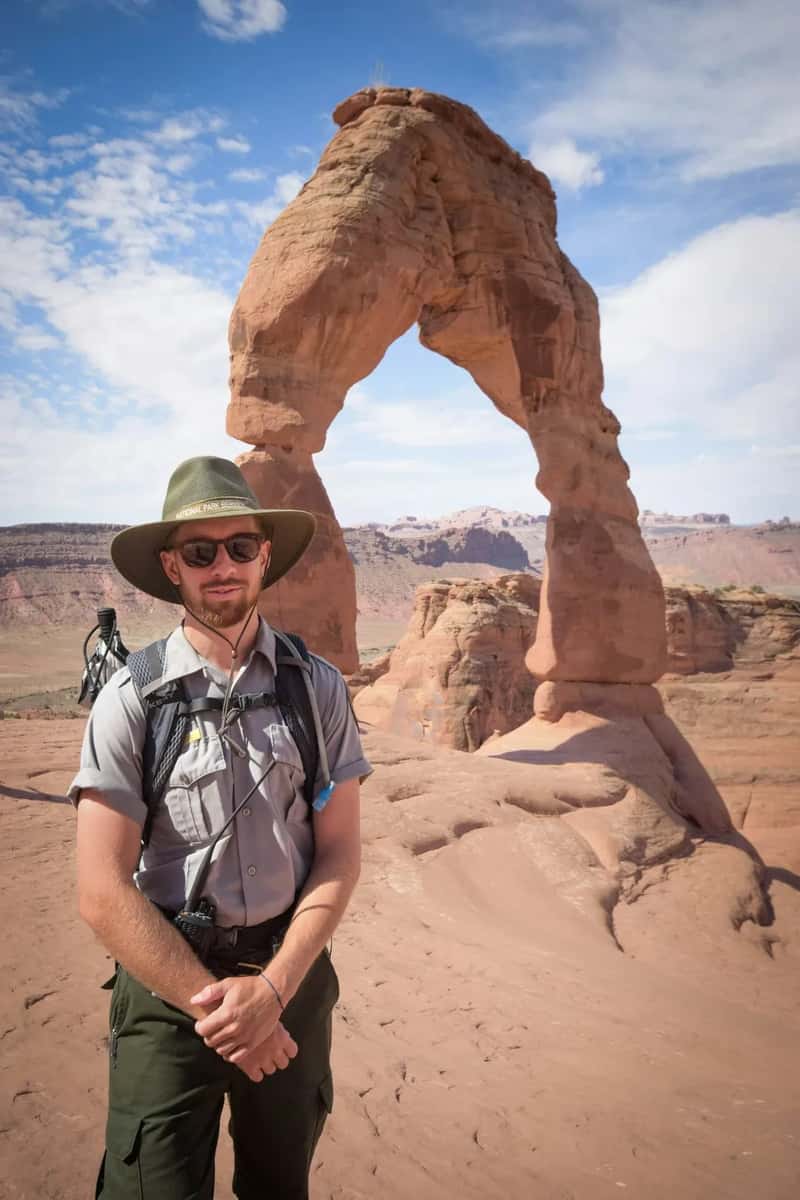
There isn’t a single universal answer for when to visit a national park, because the honest response depends on which park, which activity, and how much company a traveler can tolerate. What’s changed is the margin for error. With staffing thinner than it used to be and reservation systems shifting from year to year, the old advice to simply arrive early and stay flexible matters more now than it ever did. Anyone willing to check the current rules, aim for the shoulder months, or consider a park that doesn’t make the top ten list will likely walk away with a far better trip than the one waiting in a mile long line at nine in the morning.