Ask most people to name a Central American country worth moving to, and you’ll hear the usual suspects: Costa Rica, Panama, maybe Belize if they’re feeling adventurous. El Salvador rarely comes up, and for a long time that made sense. The country spent decades associated with gang violence and instability, a reputation that stuck long after the reasons for it started to change.
What’s happening there now tells a different story, one that’s still catching up to public perception. Between a dramatic security shift, a currency that’s already the US dollar, and a brand-new visa built specifically for remote workers, El Salvador has quietly become one of the more interesting places in the region to actually consider living.
A safety transformation that reshaped everything
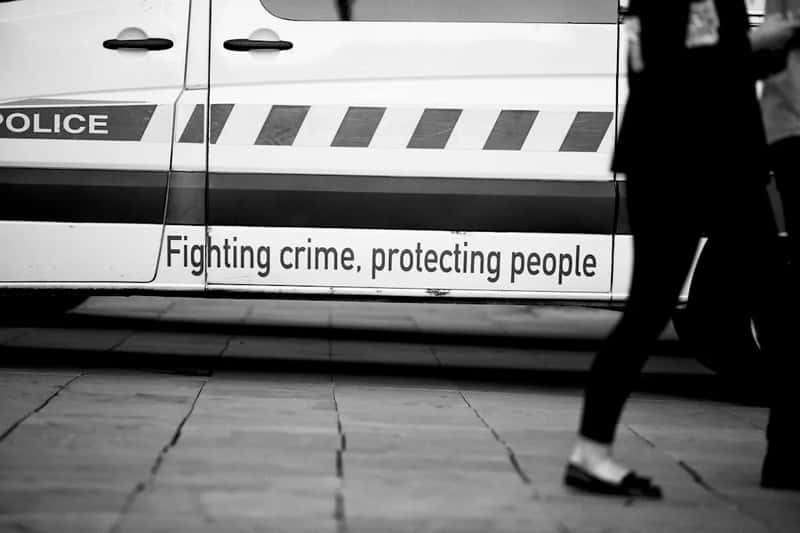
The single biggest reason El Salvador stayed off expat radars for so long was crime, and the numbers used to back that up. Under President Nayib Bukele’s security crackdown beginning in 2022, homicide rates plummeted from among the world’s highest to approximately 2.4 per 100,000 in 2023 according to InSight Crime. That’s not a marginal improvement. It’s one of the sharpest crime declines any country has recorded in recent memory.
Other sources back this up from a different angle. The murder rate in El Salvador dropped by more than 80% in a matter of years, and currently, it is safer than most countries in Latin America. Naturally, caution still matters. The US State Department maintains a Level 2 ‘Exercise Increased Caution’ advisory as of July 2024, which is the same tier assigned to plenty of popular travel destinations. It’s not a green light to be careless, but it’s a far cry from where the country stood just a few years back.
Living on the dollar without the currency headache

One practical detail expats appreciate almost immediately: there’s no exchange rate to think about. El Salvador dollarized its economy years ago, and El Salvador uses the US dollar as legal tender, eliminating currency exchange friction. For anyone who’s dealt with fluctuating exchange rates in Mexico or Costa Rica, that alone removes a layer of financial stress.
It also makes budgeting simpler for anyone earning in dollars already, which describes a large share of the remote workers now eyeing the country. There’s no need to track a peso-to-dollar conversion or worry about a currency crash eating into savings. Prices are quoted in the same currency you’re likely already paid in, which sounds small until you’ve lived somewhere it isn’t true.
What it really costs to live there day to day

Cost of living figures vary depending on the source, but they consistently land in the same general range. A moderate lifestyle costs $1,225/month, according to CostLiving cost data, covering a one-bedroom apartment in a mid-range neighborhood, groceries and dining, utilities and internet, local transport, and personal care and entertainment. That’s roughly what a single studio apartment might run in parts of the United States, minus everything else.
Budget-conscious expats can go lower. On the budget end, disciplined expats live on $735/month by choosing cheaper housing, cooking at home, and using public transit exclusively. On the other end, a comfortable lifestyle targeting better neighborhoods, regular restaurant meals, and more leisure runs $1,899/month. Rent alone shows the range clearly, since singles typically spend $700 to $1,200 depending on housing and lifestyle, while couples spend around $1,200 to $2,000 monthly.
A digital nomad visa built for the moment
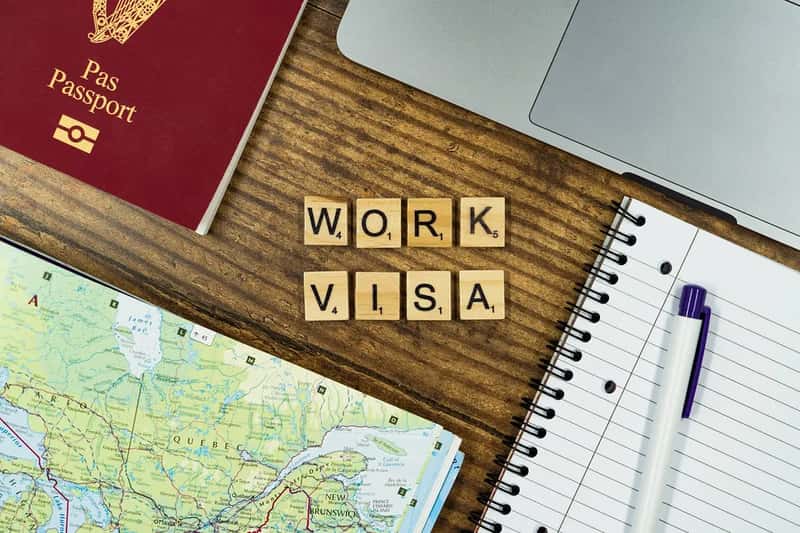
This is where El Salvador’s pitch to remote workers gets concrete. The El Salvador Digital Nomad Visa is a newly-launched residence permit aimed at remote workers who wish to live in El Salvador while working for a company or clients outside the country, and according to multiple sources, the program officially came into effect in April 2025. It’s still young as far as immigration programs go, which means the process is evolving, but the framework is already functional.
The financial bar isn’t sky high either. You must earn $1,460 USD per month, with the amount increasing with additional family members, present a clean criminal background check, and have international health insurance coverage for the duration of your stay. Once approved, it gives approved applicants the legal right to reside in El Salvador for 12 months initially, with renewals available that could extend the stay up to four years. There’s also a tax perk worth noting: foreign-earned income is generally exempt from Salvadoran income tax.
The Bitcoin angle that still surprises people

El Salvador made global headlines in 2021 for a reason that had nothing to do with tourism. The country adopted Bitcoin as legal tender in 2021, positioning itself as a crypto-friendly jurisdiction. That decision drew a specific kind of expat: crypto entrepreneurs, remote finance workers, and people who wanted to live somewhere aligned with their financial worldview.
The policy has since expanded into something more ambitious. The Freedom Visa is El Salvador’s citizenship-by-investment program, launched in 2025, often referred to as the country’s “Golden Visa,” offering eligible investors a streamlined way to obtain Salvadoran citizenship through a government-approved contribution. The entry price is steep, since the main requirement is a government-approved contribution of USD 1,000,000, or the equivalent in BTC or USDT, payable after conditional approval. It’s a niche path for most people, but it shows how far the country has leaned into its crypto identity.
Where expats are actually settling
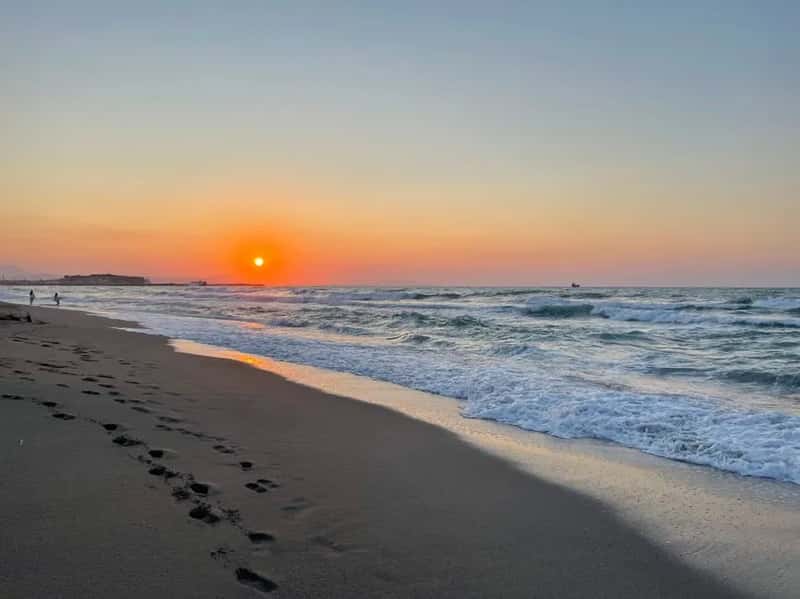
El Salvador is small, and that geography shapes where foreigners end up. The expat community is smaller than Costa Rica or Panama but growing, concentrated in San Salvador, Santa Tecla, and surf towns like El Tunco and El Zonte (known as ‘Bitcoin Beach’). That last nickname isn’t just marketing; it reflects a real cluster of crypto-focused residents who moved there specifically because of the currency experiment.
The capital offers the most infrastructure, unsurprisingly. The capital offers the best infrastructure, with neighborhoods like Escalón, Colonia San Benito, and Santa Elena drawing professionals who want city conveniences. Coastal towns like La Libertad pull a different crowd entirely, since La Libertad is famous for its beaches, surf spots, and seafood culture, and is popular among expatriates and digital nomads who enjoy outdoor activities and a warm climate.
Healthcare that’s better than the reputation suggests

Healthcare is often the deciding factor for anyone weighing a long-term move, and El Salvador’s system has a clear split. Healthcare is bifurcated between an underfunded public system (ISSS) and private hospitals in San Salvador that offer reasonable quality at low cost. Most expats skip the public option entirely and go private, which is standard practice across the region.
Prices reflect that lower overhead. A general medical consultation typically costs between $40 and $70 depending on the specialist and clinic, while basic lab tests usually range from $25 to $80. Quality holds up too, since private clinics provide outstanding care and are equipped with modern technology, with doctors highly trained in all disciplines who speak English. It’s not a substitute for comprehensive international insurance, but as a baseline it’s more capable than many assume.
The trade-offs nobody should ignore
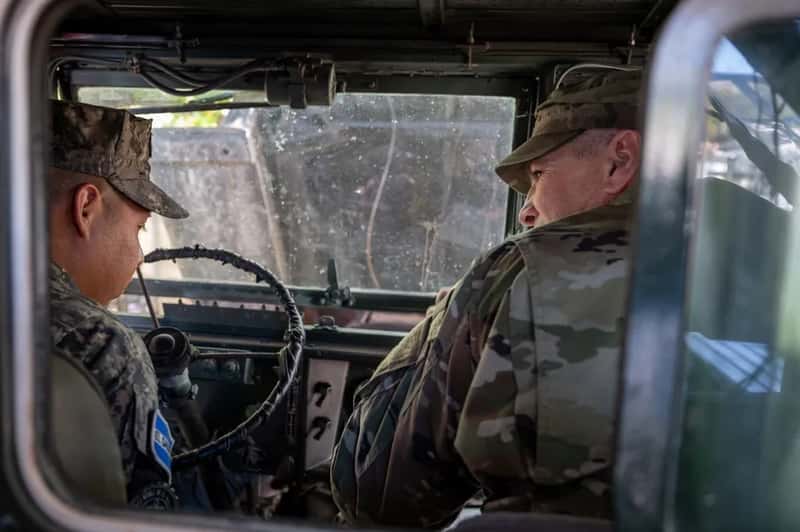
None of this means El Salvador is a flawless choice, and it’s worth being honest about that. The country’s past isn’t erased just because the crime statistics have improved dramatically; it shapes daily awareness in ways that longtime residents mention often. Despite these ongoing issues, expats are generally isolated from these problems, though life in El Salvador requires an awareness of its past and having your wits about you at all times.
The digital nomad visa program is also new enough that processes may shift as the government works through early applications. Anyone applying should expect some friction and be prepared for evolving requirements rather than a fully polished system. That’s a normal growing pain for a visa program still in its first couple of years, not a dealbreaker, but it’s a realistic expectation to carry into the process.
Final thoughts

El Salvador isn’t trying to be the next Costa Rica, and that’s probably its biggest advantage. It’s cheaper, it’s dollarized, it’s betting heavily on remote workers and crypto residents, and it’s doing all of this while still shedding a reputation that took decades to earn and only a few years to start losing. For anyone willing to look past outdated headlines, there’s a genuinely different opportunity taking shape here, one that rewards people who do their homework rather than those chasing the obvious choice.