Costa Rica has long been Central America’s poster child for stability, sustainability, and smart economic policy. Tourists flock there for eco-lodges and ziplines, investors praise its educated workforce, and environmentalists celebrate its renewable energy achievements. Yet while everyone’s been watching Costa Rica, another country in the region has been quietly rewriting its own story with remarkable results. This nation shares a border with Costa Rica but has somehow managed to fly under the radar despite posting some of the most impressive economic numbers in Latin America over the past few years.
Panama doesn’t get the same headlines or the glowing reputation that its neighbor enjoys, but the data tells a fascinating tale. From tourism revenues that rival established Caribbean destinations to infrastructure projects that are reshaping trade routes, this narrow strip of land connecting two continents is experiencing a transformation that few outsiders have noticed. The country’s approach borrows heavily from Costa Rica’s playbook while adding its own unique advantages into the mix. Let’s dive into how Panama is carving out its own path to prosperity.
Panama’s Quiet Economic Transformation
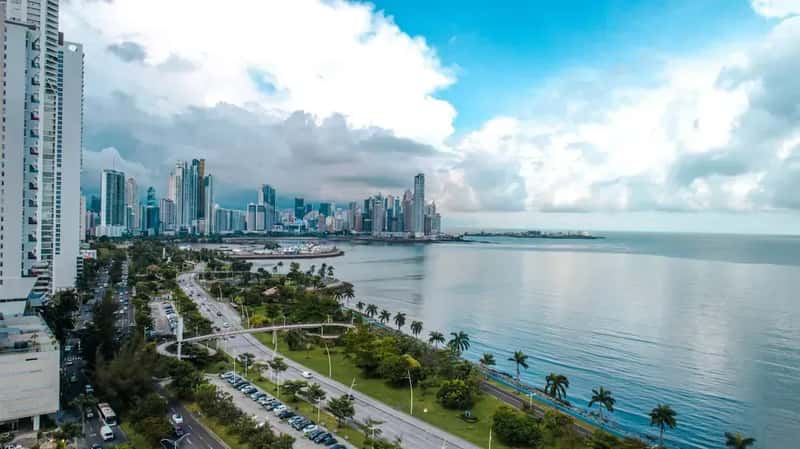
Panama has achieved income convergence at rates similar to East Asia and Eastern Europe alongside Costa Rica and the Dominican Republic, while most of its Central American neighbors have struggled with slower development. The country has become something of a stealth success story in the region. With GDP growth reaching 10.8 percent in 2022 and 7.3 percent in 2023, Panama has positioned itself as one of the region’s fastest-growing economies.
Still, this prosperity doesn’t generate headlines the way Costa Rica’s eco tourism model does. Panama’s economic role has been compared to that of Singapore, with commentators describing the country as “the Singapore of Central America”. The comparison makes sense when you look at the numbers. The logistics sector accounts for over 13 percent of GDP, driven largely by the Panama Canal and supporting infrastructure.
Tourism’s Rising Economic Contribution

Tourism generated an economic impact of 973 million dollars during the first half of 2024, representing almost 10 percent of Panama’s GDP. That’s a substantial figure for a country whose economy totals roughly 76 billion dollars. What’s particularly striking is how quickly this sector recovered after the 2020 pandemic disruptions.
As of September 2024, Panama experienced 16 percent growth in international arrivals compared to 2019 levels, demonstrating that the country has bounced back stronger than before. Tourism has proven remarkably resilient. Tourism surpassed pre-pandemic levels in 2024, with destinations like Bocas del Toro, Boquete, and Panama City seeing new investments in hospitality and health services.
Foreign Investment Surge and Infrastructure Priorities
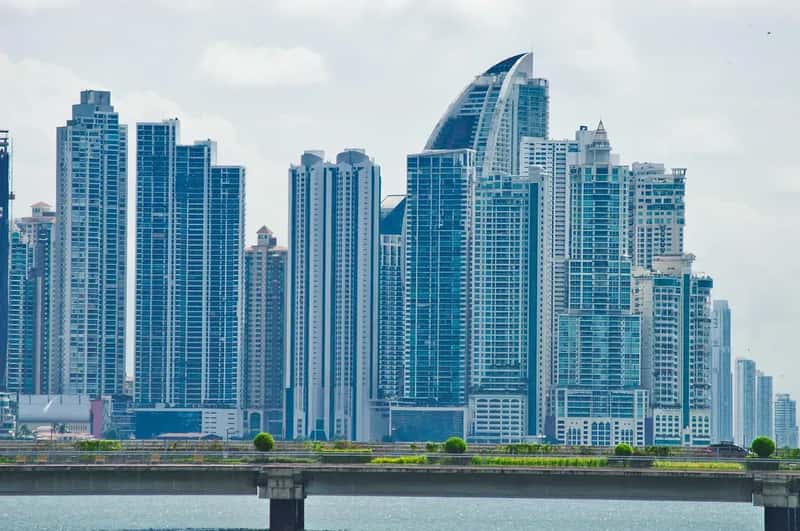
Between January and September 2024, Panama attracted 2.337 billion dollars in Foreign Direct Investment, a remarkable 69.7 percent increase compared to the same period in 2023. Let’s be real, that’s impressive growth by any standard. In the first half of 2024 alone, Panama attracted 1.61 billion dollars in FDI, representing an increase of 23 percent, according to separate measurements focusing on tourism investments.
However, these figures remain well below pre-pandemic levels. In 2019, FDI reached 4.735 billion dollars during the same period, nearly double the current amount. The government recognizes this gap and has responded with an ambitious plan. The Strategic Government Plan 2025-2029 includes major infrastructure projects such as the fourth bridge over the Canal, the San Miguelito cable car, new hospitals, and expanded potable water systems.
Following Costa Rica’s Sustainability Model

Tourism has contributed most to Panama’s economic growth, with corporate tourism and conferences continuing as essential pillars of the industry, generating significant revenue and attracting thousands of visitors each year. Honestly, Panama seems to be taking notes from Costa Rica’s playbook while adapting it to fit their own strengths.
The focus on sustainable tourism and ecotourism is growing rapidly worldwide, creating opportunities that Panama has started embracing. The Strategic Government Plan emphasizes strengthening logistics, tourism, agriculture, and financial services while promoting environmental sustainability through responsible natural resource management and climate resilience. This mirrors Costa Rica’s successful balance between development and conservation.
Financial Services and Dollarization Advantage
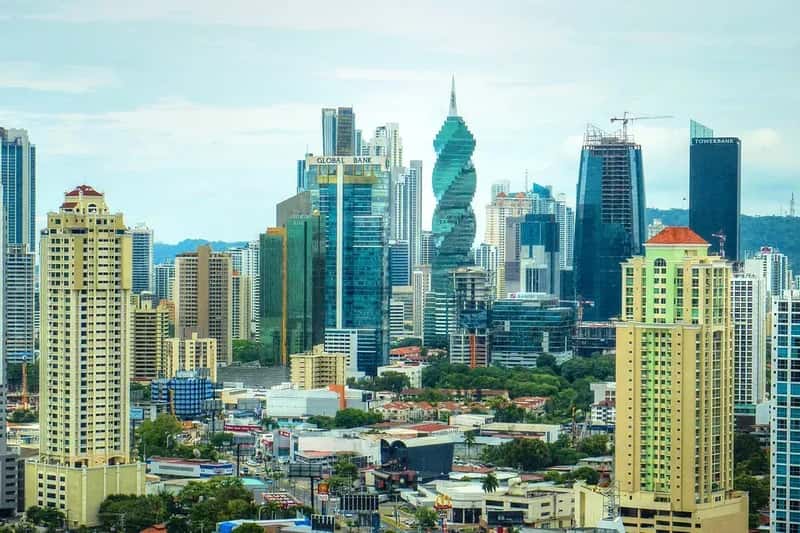
Panama’s banking system is among the most sophisticated in Latin America, with over 70 international banks and full dollarization acting as a financial bridge between North and South America. This creates stability that many neighboring countries lack. Inflation remains low at around 2.1 percent, thanks to Panama’s use of the U.S. dollar and conservative fiscal policy.
The dollarized economy offers predictability for investors and tourists alike. Economic growth is projected to range between 2 and 5 percent in 2025, with institutions like Moody’s, JP Morgan, and the International Monetary Fund offering varied forecasts. That range reflects cautious optimism about maintaining momentum despite global uncertainties.
Strategic Geographic Position Drives Growth
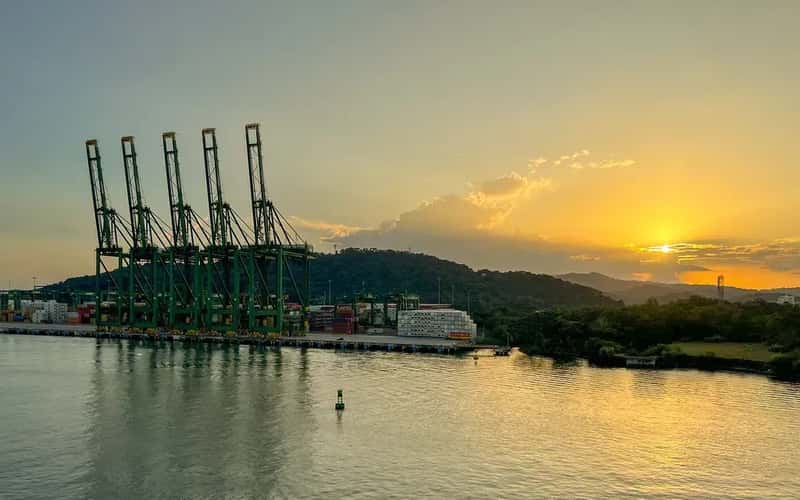
Panama has a strategic geographic position that facilitates the connection of travelers between North America, South America, and the Caribbean, being a key point for holding international conferences and events. This geographic advantage has been the country’s ace in the hole for over a century, ever since the canal opened.
Tourism is expected to grow 8 to 12 percent annually by 2025, boosting the economy and creating jobs. These projections suggest Panama is building sustainable momentum rather than experiencing a temporary boom. Technological innovation has played a crucial role in Panama’s economic development, as the country has positioned itself as a major financial and logistical hub thanks to its digital and physical connectivity infrastructure.
Labor Market and Social Development

The unemployment rate improved to 7.4 percent in 2024 and is expected to fall below 6.5 percent in 2025 as investment resumes in services, tourism, and construction. Job creation has been steady across multiple sectors. Panama’s service-based economy, driven by logistics, construction and tourism, has stimulated job creation and a substantial reduction in income poverty, which fell from 42.1 percent in 1991 to 21.7 percent in 2023.
Yet challenges remain. Panama’s position solidifies as one of the most unequal nations in Latin America and the Caribbean, with the Gini index standing at 0.49 in 2023, surpassed only by Colombia and Brazil in the region. Economic growth hasn’t automatically translated to equitable distribution of wealth, a problem Costa Rica has also struggled with despite its development success.
The Path Forward

Participants underscored the need for policies that attract more foreign direct investment, including reforms to boost productivity and labor force participation, to proactively expand overseas markets and diversify exports, and to strengthen governance and the business climate, as highlighted at a 2024 regional conference. Panama appears committed to this path.
In 2025, the World Bank reclassified Costa Rica as a World Bank high-income economy, setting a benchmark Panama aims to reach. The parallels between their development trajectories are becoming increasingly clear. While Costa Rica built its reputation on environmental conservation and stable democracy, Panama leverages its canal, financial services, and geographic position to achieve similar economic outcomes through different means. Whether Panama can address inequality while maintaining growth remains the crucial question for the coming years.