You planned that perfect Caribbean getaway months ago. Crystal waters, white sand beaches, maybe a fruity cocktail with an umbrella. Simple, right? Well, turns out your tropical paradise just got a lot more complicated. The recent military operation between the United States and Venezuela has thrown the entire Caribbean travel scene into chaos, leaving thousands of travelers stranded and countless others wondering if their February beach trip is still a good idea.
Here’s the thing. The conflict isn’t happening on your resort island, yet it’s affecting nearly every flight path, cruise route, and travel plan in the region. Let’s be real, nobody wants to spend their vacation budget on sleeping at an airport terminal or scrambling for last-minute hotel rooms they can’t afford.
So what’s really going on down there, and more importantly, should you hit that cancel button on your reservation?
What Actually Happened on January 3rd
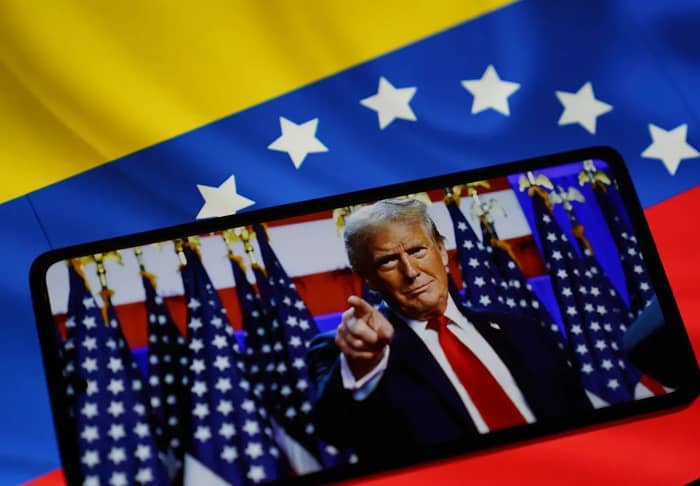
On January 3, 2026, the United States military invaded Venezuela, capturing and extrajudicially rending president Nicolás Maduro and his wife Cilia Flores. This wasn’t just some minor diplomatic spat. Codenamed Absolute Resolve, the operation began before 02:00 local time, when more than 150 United States Armed Forces airplanes took off to conduct airstrikes across northern Venezuela and otherwise support the helicopters of an apprehension force that landed in the capital city of Caracas.
According to Venezuelan and Cuban officials, more than 80 people were killed in the attack, including 32 Cuban military and intelligence members. The scale of this operation caught the world off guard. It wasn’t a surgical strike. This was a full military assault on a sovereign nation’s capital, and the ripple effects hit Caribbean tourism immediately.
The Immediate Travel Chaos Nobody Saw Coming
Picture this. You’re sipping your last piña colada in Puerto Rico, ready to head home, and suddenly every flight is cancelled. The FAA issued a so-called notice to airmen (NOTAM) to airlines early Saturday that it was banning flights from entering the Eastern Caribbean airspace “due to safety-of-flight risk associated with ongoing military activity.”
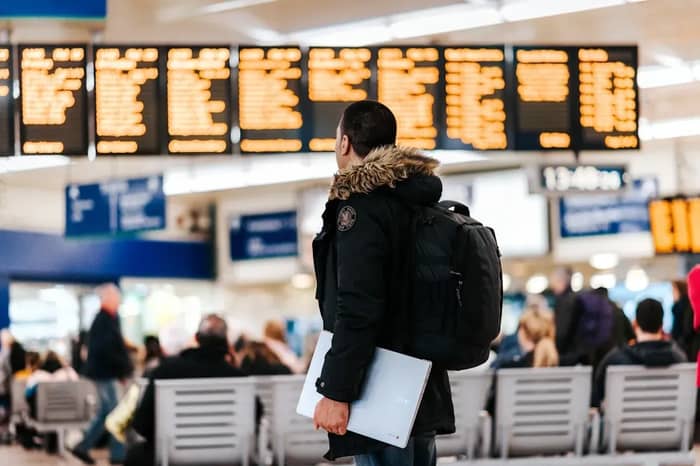
Airlines scrambled to add dozens of extra flights for tens of thousands of stranded travelers throughout the Eastern Caribbean on Sunday after the Federal Aviation Administration’s flight restrictions in the area, though some customers found no seats available for days. Some travelers reported they couldn’t find available seats back to the United States until the end of the week. Some said they didn’t have places to stay or couldn’t afford additional nights at Caribbean hotels.
The panic was real. Honestly, airports turned into makeshift campgrounds overnight.
Which Caribbean Destinations Got Hit the Hardest
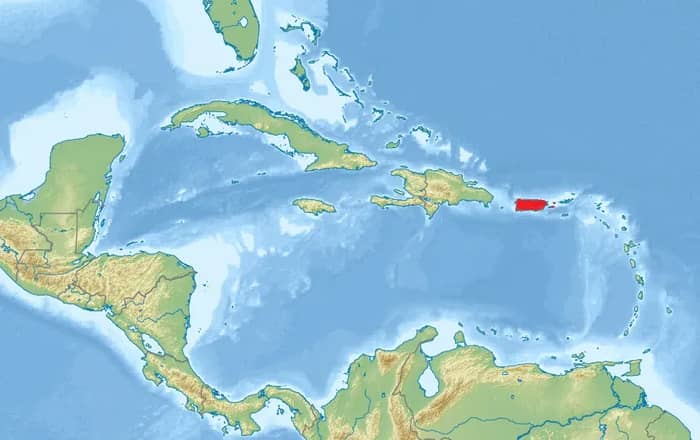
Not all Caribbean islands felt the same impact. In San Juan’s Luis Muñoz Marín International Airport — the main gateway to Puerto Rico — more than 300 flights were canceled today, leaving more than 48,000 passengers stranded, according to local media reports. Puerto Rico took the biggest hit because it serves as the region’s main hub for connecting flights.
Flights throughout the Caribbean — including other popular destinations such as Aruba, Bonaire, Curacao, St. Martin, and St. Thomas in the U.S. Virgin Islands — were also canceled during the airspace ban, but some airports are getting back to normal. Islands closest to Venezuela, particularly Aruba and Curaçao, experienced the most dramatic disruptions because they sit just miles off the Venezuelan coast.
The travel restriction has affected other airports in the region, including cruise-heavy destinations like Aruba, Curacao, St. Maarten, St. Thomas, St. Lucia and Barbados.
How Airlines Responded and What It Means for Future Flights
Airlines went into overdrive mode to fix the mess. American Airlines has added a total of 7,000 more seats with 43 extra flights. That sounds impressive until you realize how many people were actually stranded. Delta Air Lines, for its part, said Sunday evening that it planned to add some 2,600 extra seats on flights across its Caribbean network for Monday. The Atlanta-based carrier pledged to accommodate all stranded passengers by Tuesday.
Multiple carriers waived change fees, which was the least they could do. Many affected carriers — including American Airlines, JetBlue, United Airlines, Southwest Airlines, Frontier Airlines and Spirit Airlines — are waiving change and cancellation fees for passengers traveling between Jan. 3-4 to and from impacted airports in the region.
Here’s the kicker, though. Even with airspace restrictions lifted, getting a seat proved nearly impossible because flights were already packed with holiday travelers. The backlog created a domino effect that lasted days.
What About Cruise Ships and Port Operations
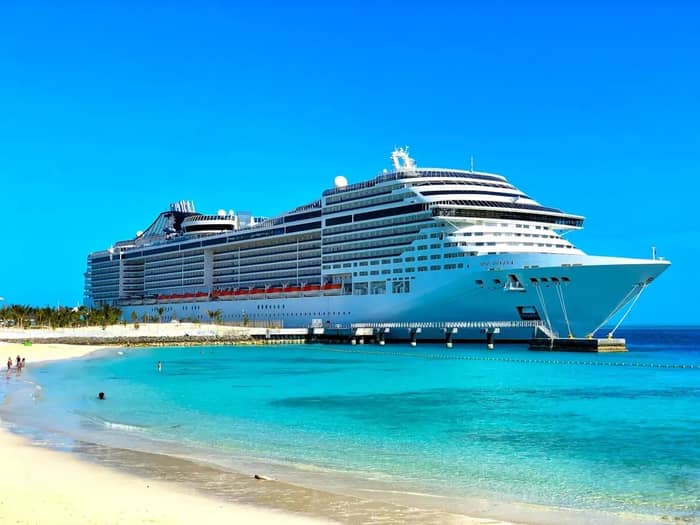
Cruise passengers didn’t escape the chaos either. While the FAA’s temporary ban only applies to flights and affects airports, cruise ships and their passengers have been inevitably impacted by the measure, as some Caribbean cruise itineraries depart and conclude from local ports like San Juan or Bridgetown, Barbados.
Windstar Cruises confirms that, due to the temporary closure of St. Maarten and Bridgetown airports, guest turnaround operations for Wind Surf and Wind Spirit are being impacted. We have secured a berth to delay departure, allowing flexibility for guests experiencing flight delays. The cruise line added that both affected ships will sail on January 5th.
Cruise lines operating in the southern Caribbean have also been affected by the escalating U.S.-Venezuela conflict. Although most cruise ships do not dock in Venezuelan ports, the proximity of Venezuela’s coastline to popular destinations like Aruba, Curaçao, and Bonaire has led many cruise operators to rework their itineraries to avoid Venezuelan waters. Some cruise lines even offered full credits for missed sailings. That’s how serious the situation became.
The Ongoing Airspace Restrictions and Rerouting Issues
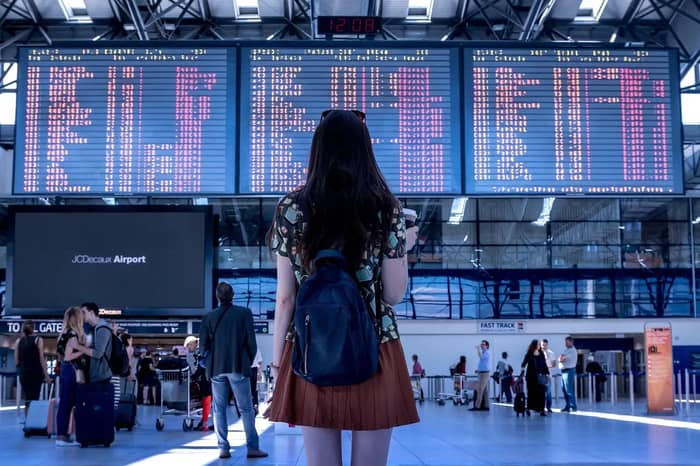
Even after the initial airspace ban was lifted, the problems didn’t magically disappear. Copa Airlines has officially extended its suspension of flights to and from Caracas, Venezuela, until January 15, 2026, citing ongoing operational and safety concerns at Simón Bolívar International Airport, with the extension due to serious navigational issues and airspace safety concerns.
Several carriers are already rerouting flights around Venezuela, reducing access to destinations such as Aruba, Trinidad and Tobago, and the eastern Caribbean islands. Longer routes mean higher fuel costs, potential delays, and frankly, more headaches when you’re just trying to get to your beach resort.
Airlines now avoid Venezuelan airspace entirely, which adds significant flight time to many Caribbean routes. For instance, airlines flying to destinations such as Panama City, Colombia, and the Caribbean have had to find alternate routes that bypass Venezuelan airspace, which in many cases has added several hours to flight durations and raised operational costs due to longer fuel consumption. Those extra hours translate to higher ticket prices and more connection delays for travelers.
Is It Actually Safe to Visit the Caribbean Right Now

Let’s cut through the panic. The islands themselves remain safe for tourists. At present, there is no credible threat to the ABC islands. The U.S. Consulate in Curaçao confirmed no military activity has been reported in Aruba, Bonaire, or Curaçao.
According to the latest 2026 travel advisories and security reports from the U.S. Department of State, the Government of Canada, and the UK Foreign, Commonwealth & Development Office (FCDO), several Caribbean destinations have earned the coveted Level 1 (Exercise Normal Precautions) status, marking them as the safest travel options in the region. This top-tier safety classification is issued to countries and territories with minimal security risks, making them ideal for travelers seeking peace of mind in their holiday destinations.
The safest Caribbean destinations in 2026 include Aruba, Anguilla, Cayman Islands, British Virgin Islands, Curaçao, and Grenada. These islands continue to maintain their safety ratings despite the regional turmoil. The conflict is centered in Venezuela, not on your vacation island.
Travel Advisories You Need to Know About
Government advisories tell an important story, but you need to read them carefully. The U.S. State Department maintains a Level 4 advisory for Venezuela, warning not to travel to or remain in Venezuela due to the high risk of wrongful detention, torture in detention, terrorism, kidnapping, arbitrary enforcement of local laws, crime, civil unrest, and poor health infrastructure.
That Level 4 warning applies specifically to Venezuela itself. However, these warnings do not apply broadly to the Caribbean region. Most Caribbean islands continue to carry low travel risk levels and remain popular, well-regulated tourist destinations.
Most countries in the Caribbean are assigned a “Level 1: Exercise normal precautions” travel advisory, making Caribbean tourism generally safe for travelers. The distinction matters enormously. Venezuela is not the Caribbean islands where you’re planning to vacation.
What Travelers Planning February and March Trips Should Do
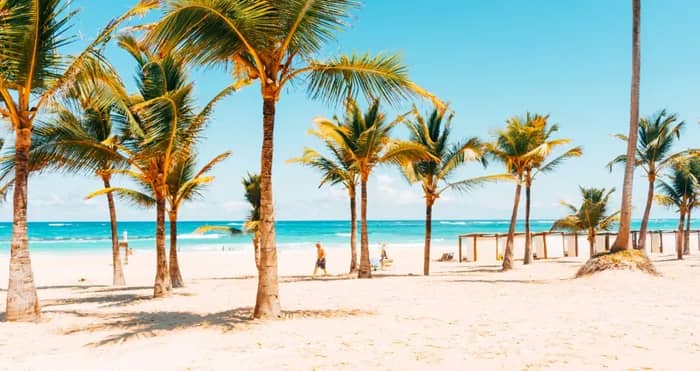
If you’ve got a trip booked soon, don’t panic yet. For most travelers, Caribbean vacations can proceed as planned. Beach resorts, cultural attractions, and cruise ports remain fully operational across the region.
Islands across the eastern and western Caribbean continue to welcome travelers without interruption. Popular destinations such as Jamaica, the Dominican Republic, the Bahamas, and several Central American cruise ports remain unaffected by the situation. For travelers seeking added reassurance, itineraries focusing on these regions offer smooth operations and high levels of visitor confidence.
Smart planning makes all the difference. Check flight statuses frequently because airlines are updating routes daily. Build buffer days into your itinerary, especially if you’re connecting through San Juan or other major hubs. Purchase travel insurance that covers political instability and flight disruptions. Keep alternative routing options in mind.
Will This Escalate Further? Understanding the Bigger Picture
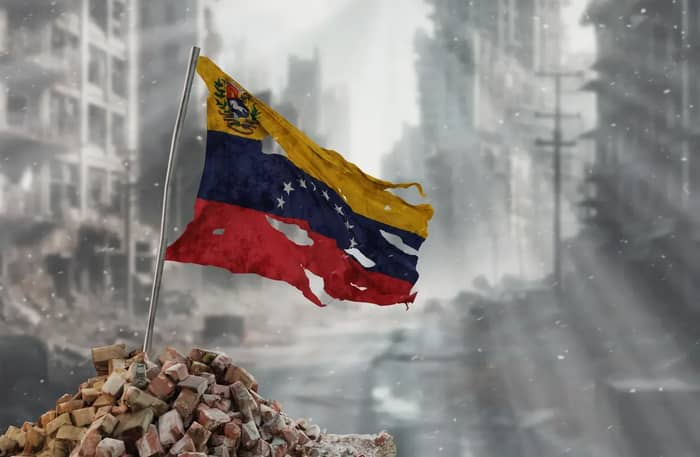
The million-dollar question everyone’s asking. While full-scale war in the Caribbean remains unlikely in the near term, the probability of increased tensions and regional instability – driven by Trump’s aggressive posture, Maduro’s fixation on remaining in power, and Europe’s distracted focus – appears increasingly high.
Approximately fifteen thousand U.S. military personnel have reportedly been deployed in 2025, making it one of the largest U.S. military buildups in the region since the Cold War. This isn’t a temporary situation that’ll blow over in a week. The U.S. has positioned significant military assets in the Caribbean, and Venezuela’s new acting government remains in a state of uncertainty.
Independent of the situation in Venezuela, these developments constitute a dangerous precedent. The Secretary-General continues to emphasize the importance of full respect by all of international law, including the UN Charter. The international community is watching closely, but predicting what happens next feels like reading tea leaves.
Practical Tips for Travelers Who Decide to Go

Alright, you’ve decided your vacation is still on. Smart move, honestly, if you follow some basic precautions. Enroll in the Smart Traveler Enrollment Program, so your government can reach you in emergencies. Download airline apps and enable notifications for real-time flight updates. Save offline maps of your destination in case internet connectivity becomes spotty.
Keep physical copies of important documents separate from originals. Have backup payment methods because you never know when electronic systems might go down. Book refundable accommodations when possible, or at least flexible cancellation policies. Connect with your travel agent or booking platform about protection plans.
Arrive earlier at the airport. Rerouted flights may involve additional security checks or altered boarding times. Keep travel documents accessible. Unexpected changes may require rebooking at the airport. Monitor official government travel advisories from your home country, not just social media rumors that tend to blow things out of proportion.
The Insurance Question Everyone’s Asking
Travel insurance suddenly became everyone’s favorite topic. Standard policies might not cover military conflicts or government-imposed travel restrictions. Read the fine print carefully because coverage varies wildly between providers.
Look for policies that specifically include “cancel for any reason” coverage, which costs more but gives maximum flexibility. Political evacuation coverage matters if you’re visiting destinations near Venezuela. Trip interruption insurance helps if you get stuck somewhere longer than planned. Medical coverage is essential because Caribbean healthcare costs can drain your savings fast without proper insurance.
Travel insurance isn’t a strict requirement to travel to most Caribbean countries; however, it is a travel addition that is strongly recommended for visitors to the Caribbean due to potentially high out-of-pocket medical expenses, the limited infrastructure of the Caribbean healthcare system, especially in remote areas, and the possibility of trip disruptions due to hurricanes and other natural disasters. Now you can add military conflicts to that list of potential disruptions.
Alternative Caribbean Destinations to Consider
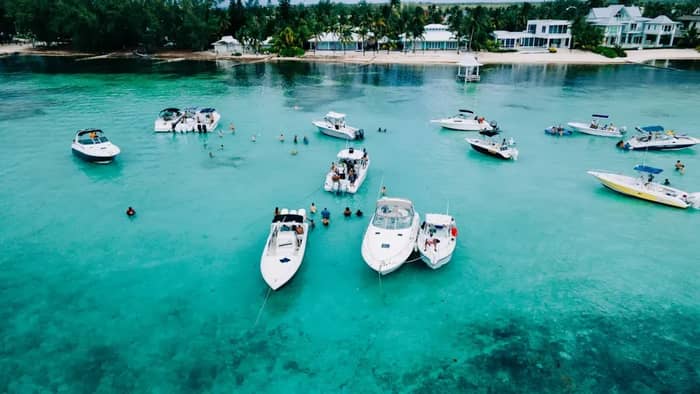
If your original destination makes you nervous, plenty of alternatives exist far from the conflict zone. The western Caribbean islands like Jamaica, Grand Cayman, and the Bahamas, sit hundreds of miles from Venezuela with zero flight path issues. These destinations experienced minimal disruptions and continue normal operations.
The Dominican Republic offers gorgeous beaches without any proximity concerns. Turks and Caicos remains completely unaffected by airspace restrictions. Mexico’s Caribbean coast provides another solid option that’s geographically removed from the situation. Bermuda, while technically Atlantic rather than Caribbean, gives you that island vibe without any Venezuela-related complications.
Grenada, known as the Spice Isle, stands out as one of the safest islands in the Caribbean. With a low crime rate and welcoming locals, visitors can enjoy the island’s beautiful beaches like Grand Anse, lush rainforests, and historical landmarks. Barbados is a consistently safe destination for travelers, with low violent crime rates and a stable government. Whether enjoying the beautiful beaches of the Platinum Coast or exploring the vibrant culture in St. Lawrence Gap, visitors can walk around with ease.
The Long-Term Outlook for Caribbean Tourism
Nobody has a crystal ball, but certain patterns emerge. Caribbean travel disruption was short-lived and precautionary in nature. There is no indication of sustained risk to mainstream tourism across the region. That’s the optimistic view, and there’s evidence supporting it.
However, airlines might permanently adjust flight routes to avoid Venezuelan airspace, meaning longer flights and potentially higher prices become the new normal. Some smaller islands that relied heavily on connections through affected hubs may see reduced service frequency. Cruise lines could permanently alter itineraries to stay farther from Venezuelan territorial waters.
Many airlines are being forced to find alternative flight paths, while tourism-dependent countries in the region are bracing for a drop in visitors. The overall economic impact on tourism is expected to be significant, especially in places that rely heavily on visitors from the U.S. and Europe.
The situation creates winners and losers in Caribbean tourism. Islands far from Venezuela might actually see increased bookings as nervous travelers seek safer alternatives. Destinations closest to Venezuela will need time to rebuild confidence even after the immediate crisis passes.
Final Verdict: To Cancel or Not to Cancel
So should you cancel that Caribbean vacation? It depends entirely on where you’re going and your personal risk tolerance. Destinations in the western and northern Caribbean, like Jamaica, the Bahamas, Grand Cayman, and Turks and Caicos, show virtually no cause for concern. Go ahead and book with confidence.
Islands in the southern Caribbean near Venezuela require more careful consideration. Aruba, Curaçao, and Trinidad might experience ongoing flight disruptions even though the islands themselves remain safe. If you’ve already booked these destinations, proceed with caution and good insurance rather than automatic cancellation.
Puerto Rico sits in the middle ground. The massive hub airport means more flight options once things stabilize, but also more vulnerability to cascading delays when problems occur. Build extra buffer days into Puerto Rico itineraries.
Travelers are encouraged to stay informed, remain flexible, and rely on official guidance rather than speculation. The conflict affects travel logistics more than physical safety at tourist destinations. Most travelers will reach their Caribbean vacation safely, though perhaps with more flight delays and rerouting than originally planned. That fruity cocktail with an umbrella still awaits you. The journey there just got a bit more complicated.