Ask any Tico where they actually spend their Sunday afternoons, and the answer is rarely Manuel Antonio or Tamarindo. Those names dominate travel blogs and Instagram feeds, but the beaches Costa Ricans return to again and again tend to sit down a dirt road, past a river crossing, or behind a headland that most rental car GPS systems quietly ignore.
These are working beaches in the best sense: places where families still bring coolers and soccer balls, where a shower costs a few hundred colones, and where the crowd speaks more Spanish than English. None of this is secret in Costa Rica itself. It is just rarely translated for the average American traveler flipping through a guidebook.
Playa Ventanas, Puntarenas – the locals’ cave beach near Uvita
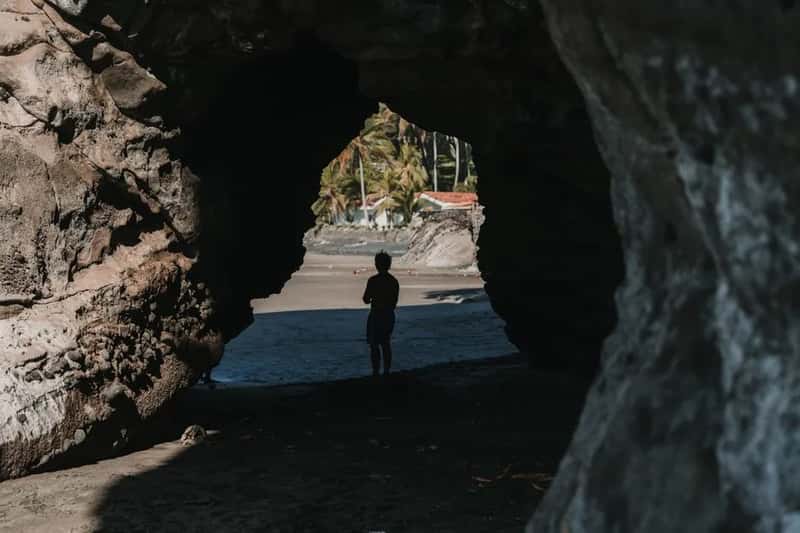
Tucked into the Costa Ballena about twelve kilometers south of Uvita, Playa Ventanas sits in the Puntarenas province, 235 kilometers from San Jose and 12 kilometers from Uvita, in the South Pacific of Costa Rica[1]. The beach gets its name from a pair of sea caves that punch through the rock like windows, and there are two caves on the north end formed from the surrounding mountain, and during low tide you can actually walk through the first one[1]. It is a compact stretch of sand, and from end to end it measures less than 500 meters, backed by a wide row of palm trees that provide ample shade[2].
What makes it a genuine local favorite rather than a hidden gem in the marketing sense is the crowd on weekends. Because it’s easy to get to, has an ample parking lot, and fun waves, it’s a popular beach for locals on the weekends, with families playing futbol, picnicking, and exploring the caves[1]. Getting there does not require a serious off-road vehicle either, since no 4×4 is required unless there have been recent heavy rains, as there is a river crossing[2], and parking runs a modest few dollars.
Playa San Miguel – six kilometers of near-empty sand
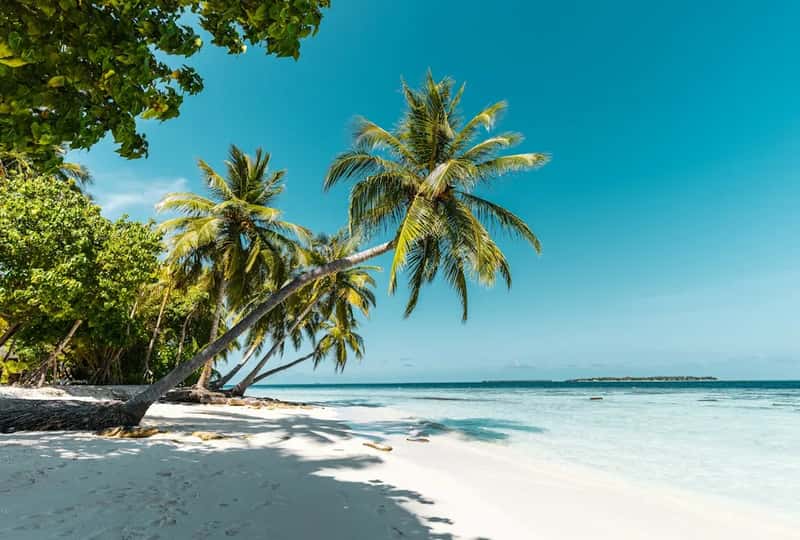
On the Central Pacific coast of the Nicoya Peninsula, Playa San Miguel is one of those beaches where time slows down, a quiet stretch where the sand runs for nearly six kilometers and most days you’ll share it with just a few fishermen or a stray dog napping in the shade[3]. There are no beach clubs lining the shore, no rows of lounge chairs for rent, just open coastline and the sound of surf.
It sits far enough from the resort corridors of Nosara and Tamarindo that it rarely appears on first-time-visitor itineraries. That distance is exactly why locals treat it as a reliable retreat rather than a destination that requires advance planning around crowds. Anyone road-tripping the southern Nicoya coast will likely pass signs for it without realizing what they are skipping.
Playa Manzanillo, Nicoya – the Pacific side locals claim as their own
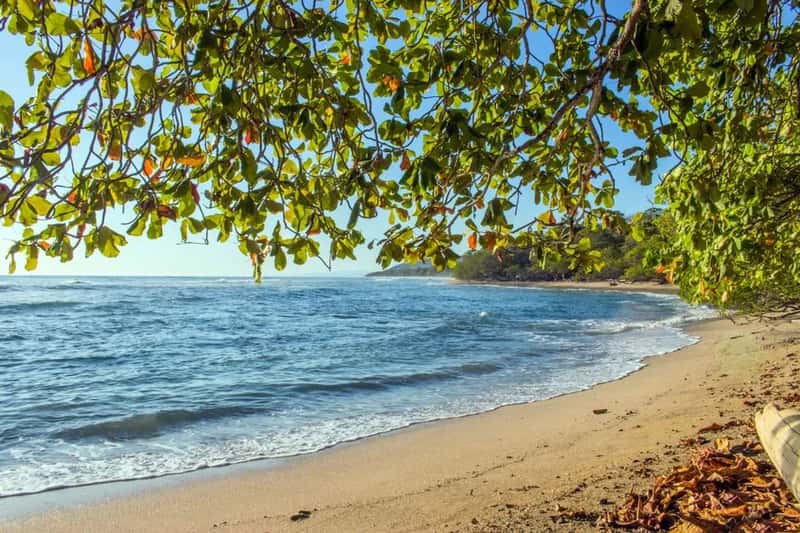
Confusingly, Costa Rica has two beaches named Manzanillo, and the one that matters here sits on the opposite coast from the famous Caribbean fishing village of the same name. Located in Puntarenas on the southern tip of the Nicoya peninsula, the Manzanillo on the Pacific side is not well known to tourists but is a hotspot for locals[4]. It is a case study in how two beaches sharing a name can have entirely different reputations abroad.
While the Caribbean Manzanillo draws its own crowd of snorkelers and Afro-Caribbean culture seekers, the Pacific version stays comparatively under the radar for international visitors. That gap between local recognition and foreign awareness is common throughout Costa Rica’s smaller coastal towns, where name overlap and limited signage keep certain beaches off the beaten path almost by accident.
Playa Arco – the low-tide secret inside Marino Ballena National Park
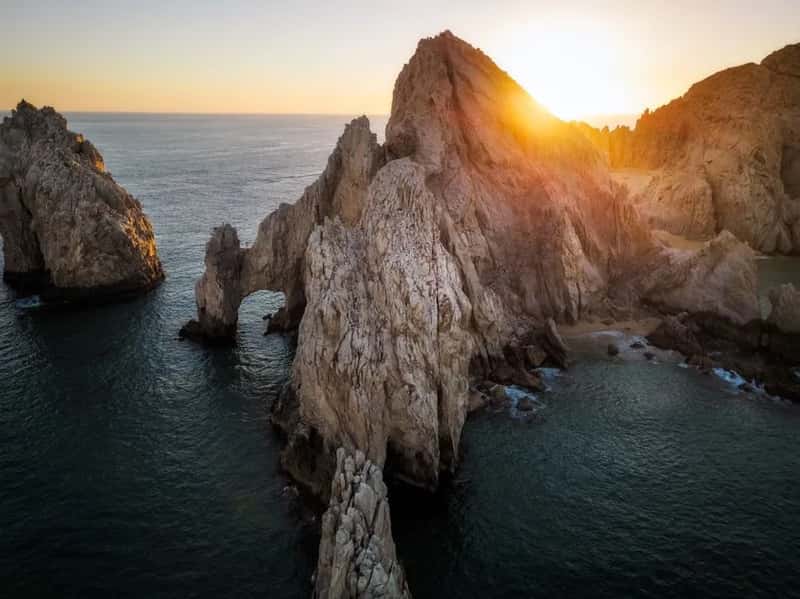
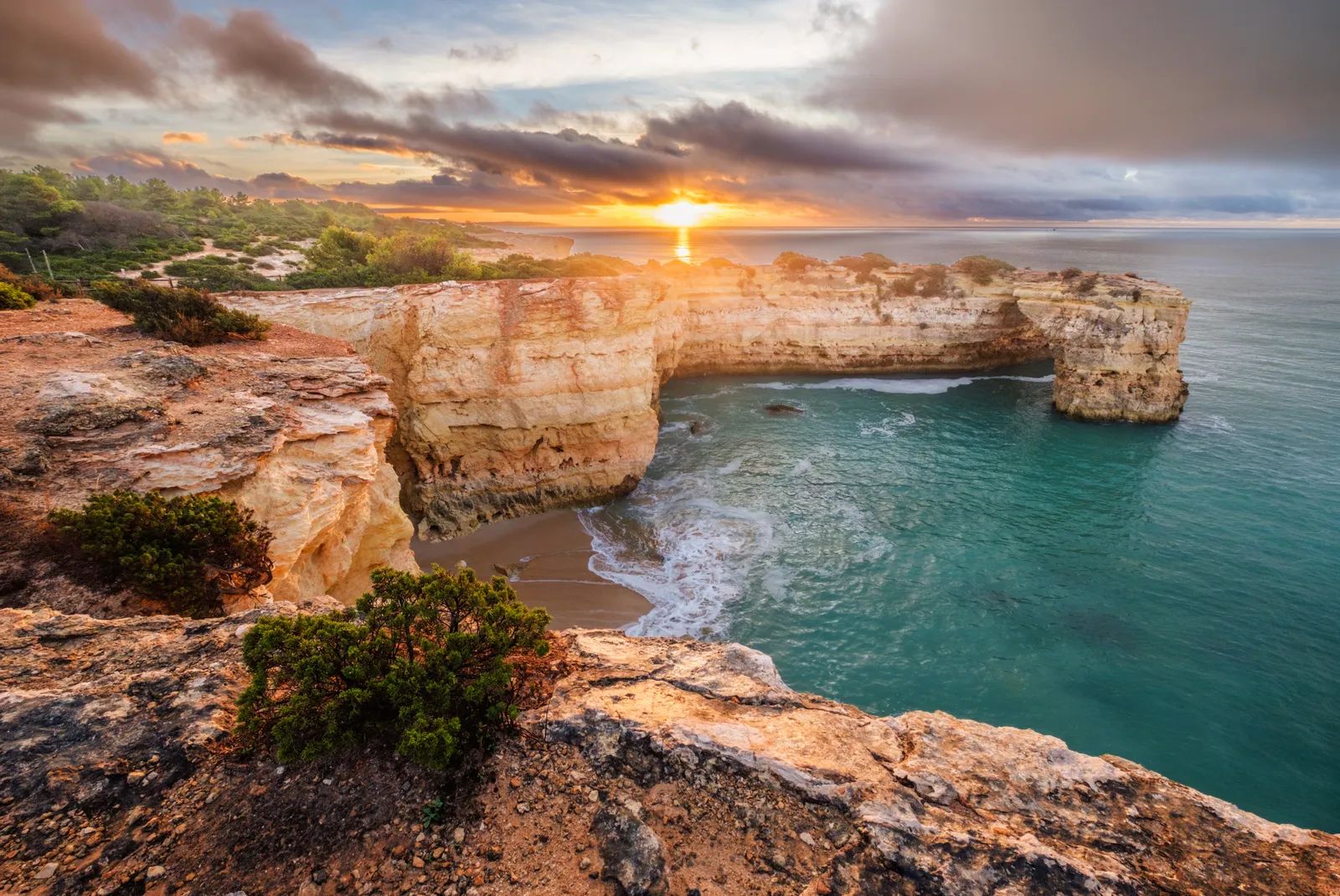
Just a short distance from Playa Ventanas, inside Marino Ballena National Park, sits a beach that rewards patience with tide charts. Playa Arco requires a short hike through lush jungle and a careful eye on the tides, since it’s only accessible at low tide, and once you step out onto the sand it feels like walking into a dream[5]. Its rock arch and sea caves give the beach its name and its main draw.
Because access depends entirely on timing, it’s much more of an adventure to access than Playa Ventanas, and for that reason sees a lot less foot traffic[2]. That self-selecting difficulty is precisely why it stays quiet even as neighboring beaches fill up on weekends. Anyone willing to check tide tables before showing up gets rewarded with a beach that often feels entirely private.
San Juanillo – a double beach with a view few tourists chase
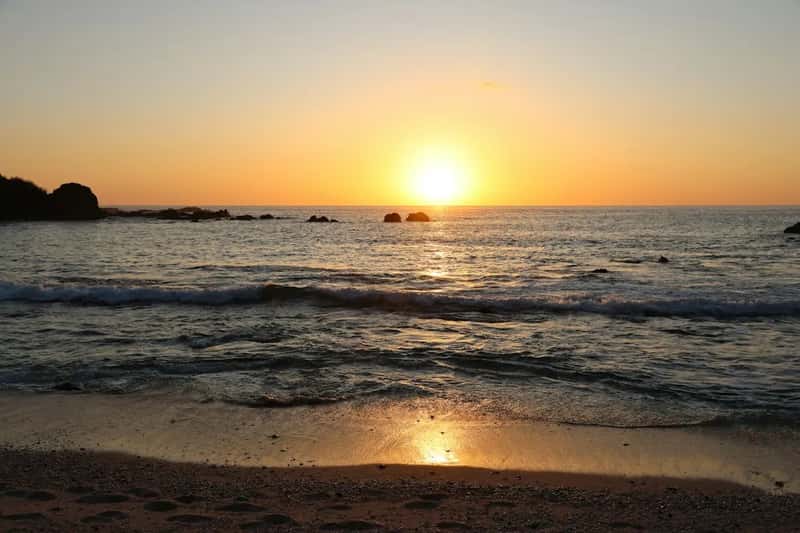
In Guanacaste province, not far from the surf towns everyone has heard of, San Juanillo offers something unusual: two connected beaches divided by a rocky point, with a lookout trail at the end. San Juanillo provides tourists with two beaches, and is a great example of nature’s design[6]. At the end of the beach, a path leads to the Mirador Playa San Juanillo, where visitors discover a spectacular view of the point at which the two beaches intersect[6].
It sits close enough to Nosara and Ostional that day-trippers could easily add it to an itinerary, yet it rarely gets the attention those two towns receive. The lack of major hotel development nearby keeps foot traffic light, which suits the fishing families and weekend visitors who already know the spot. For a traveler tired of shoulder-to-shoulder sand, the short detour tends to pay off.
Playa Negra, Los Pargos – Guanacaste’s quiet surf town
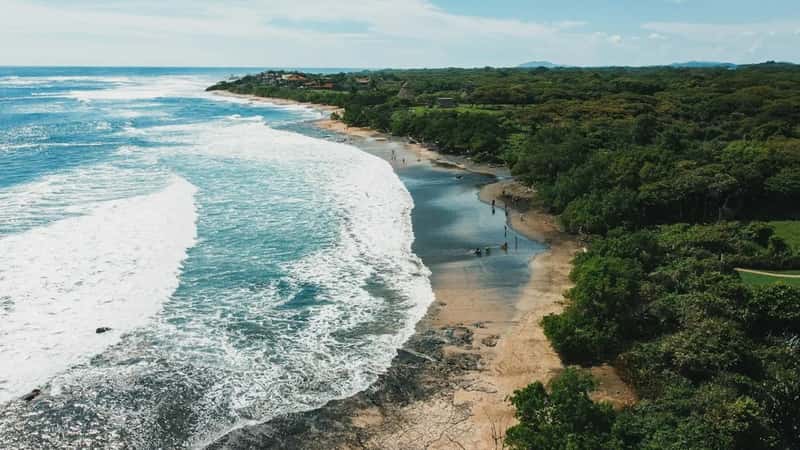
South of Tamarindo, past a string of better-known breaks, sits Playa Negra in the small town of Los Pargos. The beach lies in Guanacaste Province, south of Tamarindo, San José de Pinilla, Avellanas, and Junquillal[7], tucked into a stretch of coast that surfers know well but general tourists often skip entirely. Los Pargos, meaning “the snapper,” is the name of the town where Playa Negra is located[7].
The town itself has grown a small but devoted following among longboard surfers and expats who prize the slower pace over Tamarindo’s nightlife. It lacks the chain hotels and beach bars that define its northern neighbor, and that absence is the whole appeal. Travelers who make the drive tend to come back describing it as the version of Guanacaste they wish they had found first.
Playa Pelada, Nosara – Guiones’ calmer, more local sister
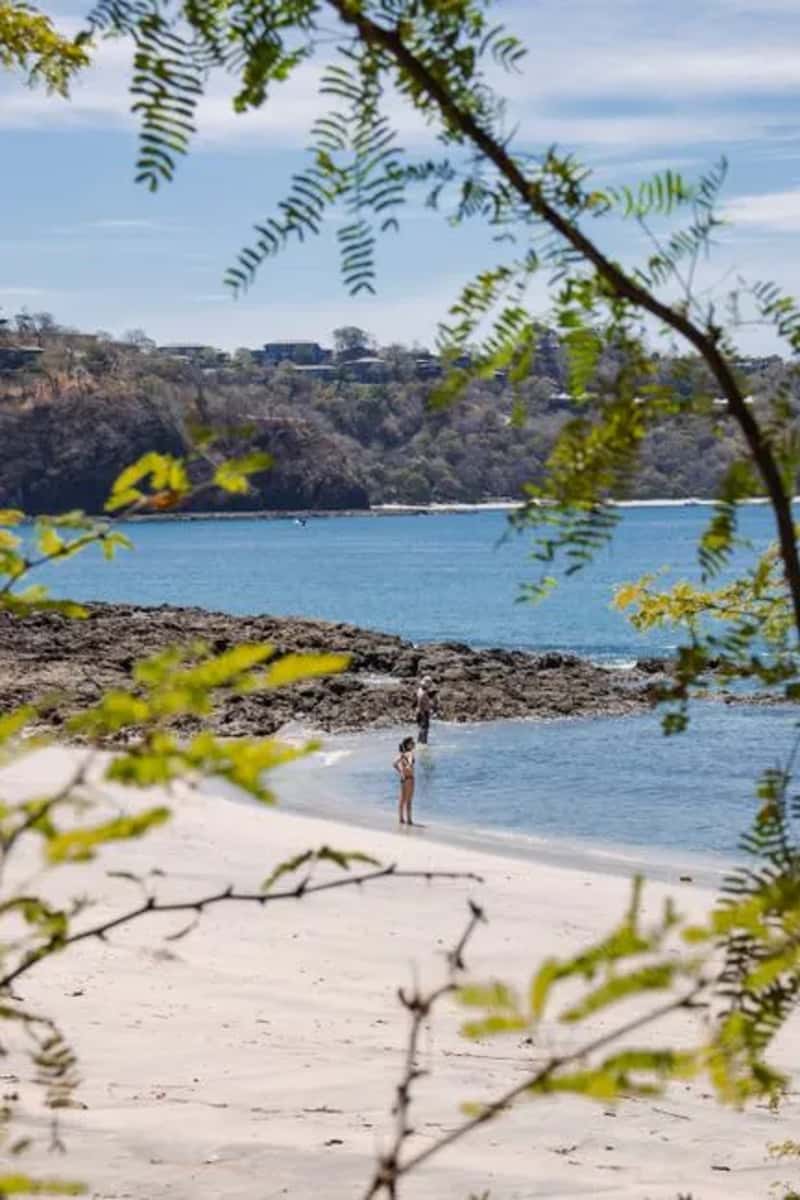
Every guidebook mentions Playa Guiones, Nosara’s famous surf beach. Far fewer mention the crescent-shaped cove just around the point. Tucked into the center of the Nosara beaches, Playa Pelada sits between the untouched sands of Playa Nosara to the north and the world-famous surf scene of Playa Guiones to the south, a favorite with locals featuring a white sand, crescent-shaped beach with dramatic exposed reefs[8].
The difference in atmosphere is immediate. Playa Pelada is a quieter stretch of sand where you’ll find more locals, fewer surfboards, and a slower pace, the kind of place where you can grab dinner with your feet in the sand without booking two weeks in advance[9]. At sunset especially, the crowd shifts from tourists to neighbors, and the bar stools fill with regulars rather than day-trippers passing through.
Playa Bejuco and Playa Junquillal – surf towns still off the radar
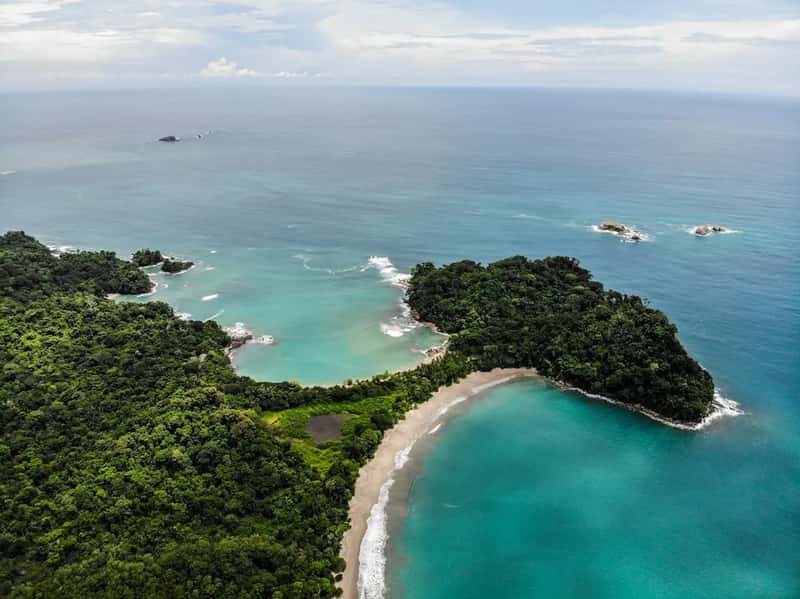
Further south along the central Pacific, Playa Bejuco has built a quiet reputation among surfers without ever becoming a household name for American travelers. Famous among surfers, Playa Bejuco offers perfect waves and a laid-back atmosphere, a place where the thundering surf meets quiet sands, ideal for both adventure seekers and those in search of peace[10]. Beyond surfing, it functions as a community hub where locals share tales of the sea, adding a rich narrative to its natural beauty[10].
Nearby, Playa Junquillal offers a similar story of understated appeal. With its pristine beauty, Playa Junquillal is a sanctuary for those seeking solitude, where gentle waves and soft sands create a perfect setting for relaxation and contemplation[10]. Neither beach has the infrastructure of a major resort town, which is exactly why both remain places where locals outnumber visitors most days of the week.
Punta Uva – the Caribbean’s protected, uncrowded gem
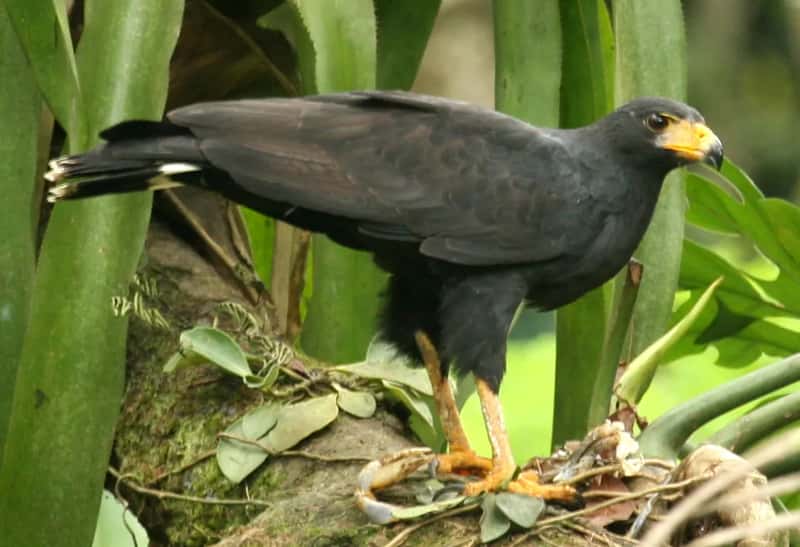
On the opposite coast, in Costa Rica’s less-visited Caribbean region, Punta Uva stands out for staying deliberately undeveloped. The beach itself has been kept pristine due to development laws, as all buildings have to stay 50 meters from high tide[11]. That regulation has done more to protect its character than any marketing campaign could.
The result is a beach that locals treat as a reliable escape rather than a tourist checkpoint. The lush jungle backdrop, part of the Gandoca-Manzanillo Refuge, teems with sloths, monkeys, and toucans, while the beach remains uncrowded, hosting only a handful of visitors daily[12]. Unlike busier beach towns, Punta Uva remains quiet and uncrowded, with an atmosphere relaxed enough to enjoy nature without distractions[13].