The world has always been a complicated place for travelers carrying an American passport. Sometimes it is cultural friction, the stereotype of the loud tourist demanding a cheeseburger in Florence. Other times it runs much deeper, driven by geopolitics, tariffs, military history, and shifting global sentiment toward the United States as a nation. Honestly, the picture in 2025 and into 2026 has gotten more complicated than ever before.
According to a Global Rescue Snap Survey of more than 1,400 current and former members conducted in March 2025, the vast majority of the world’s most experienced travelers expect U.S. tourists will be less welcome and perceived more negatively while traveling internationally. Seven out of ten surveyed said Americans will be perceived more negatively and feel less welcome abroad. That is not a minor opinion poll. That is a loud alarm bell. So which countries top the list? Let’s dive in.
France: The Undisputed Champion of Chilly Receptions
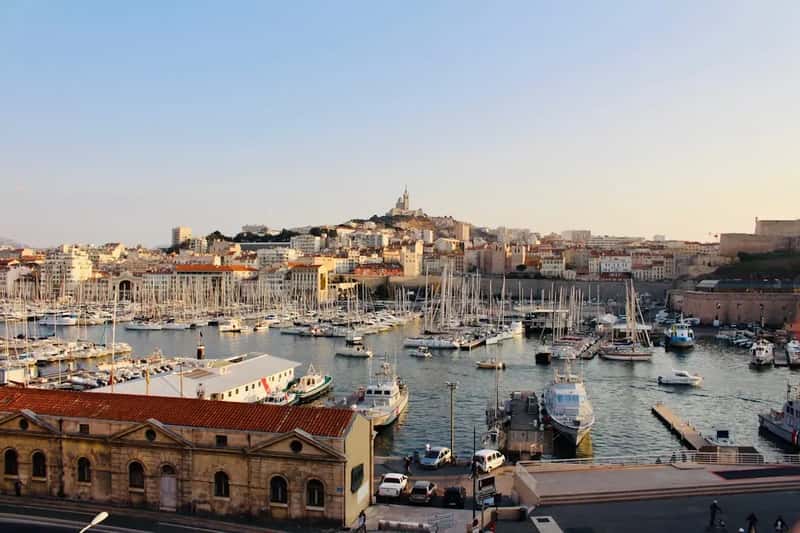
France led the way in a major European survey at 15%, making it the country most likely to call itself unwelcoming to Americans. That is not a close competition, either. No other European nation even comes close to that level of self-declared coolness toward U.S. visitors.
France’s disapproval rating for the United States currently sits at 67%, and this level of animosity can make it hard for Americans to feel welcomed in the country, regardless of how hard they try. Think about that number for a moment. Nearly two-thirds of French people view America unfavorably.
Among global consumers, those in France experienced a drop of 33 points in U.S. favorability compared to January levels, according to Morning Consult data from March 2025. That is a dramatic shift in a very short window of time. When Americans themselves were asked which countries viewed them least favorably, nearly half picked France, and they were right.
Canada: America’s Neighbor Has Had Enough
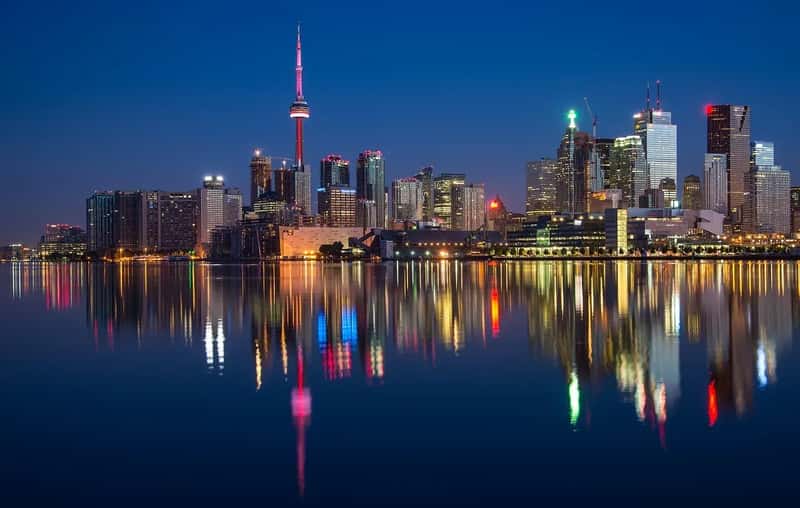
If France feels predictable on this list, Canada absolutely does not. This is America’s closest neighbor, historically its warmest ally, practically sharing a culture. Yet 2025 turned the relationship on its head in a way that few could have predicted.
In the context of the 2025 United States trade war with Canada and Mexico, a full-scale boycott of the United States began in Canada, targeting both American consumer products and travel to the U.S. This boycott occurred alongside polling showing that 91% of Canadians want Canada to rely less on the U.S., and the shift in attitude has been described as unprecedented by many.
Travel bookings from Canada to the United States for the April through September 2025 period decreased by more than 70% compared to the previous year. That is not a dip. That is a collapse. Since the onset of the boycott in early 2025, Canada’s decision to restrict travel to the U.S. has led to an economic loss of over $4.5 billion for the U.S. economy, and the downturn has been felt most strongly in sectors like national parks, where Canadian bookings plummeted by a staggering 93%.
Germany: A Tourism Freefall Like No Other

Germany’s relationship with the United States has always carried historical weight. For decades, that translated into admiration and strong tourist ties. Now the data tells a very different story.
Statistics from 2025 tell a sobering story. Germany ranks number one with a steep 61% drop in interest in visiting America, followed by Canada with a staggering 40% drop since the previous year. More than half of German interest in traveling to the U.S. has simply evaporated.
The current U.S. political environment has introduced a more isolationist and nationalistic tone to immigration and foreign policy. Actions such as reintroducing strict immigration vetting and publicly discussing the acquisition of foreign territories like Canada and Greenland have added layers of discomfort for European travelers, reinforcing the perception that the U.S. is becoming unwelcoming. The introduction of sweeping tariffs on European goods has only exacerbated the strain.
Here’s the thing though. This goes both ways. When Germans feel unwelcome in America, American tourists in Germany face a reciprocal coldness. The relationship is no longer one of natural warmth.
Denmark: Greenland Changed Everything

Denmark might seem like an unlikely entry on this list. It is a small, peaceful Scandinavian nation with a high standard of living and a generally open culture. Yet the events of 2025 made Denmark one of the most charged destinations for American travelers.
According to recent data from YouGov, European favorability of the USA across seven major European countries experienced a notable drop since Trump took office again, falling between 6 and 28 percentage points. Opinion toward the U.S. is lowest in Denmark, not surprising since Greenland, which Trump has vowed to annex, is an autonomous territory of the country.
Scandinavian countries stood out most in surveys about political impact on tourism: Norway topped the list at 44% saying the 2024 U.S. presidential election impacted how they view American travelers, followed by Estonia at 35%, Sweden at 31%, Denmark at 30%, and Finland at 29%.
In Denmark, approximately half of consumers reported deliberately refraining from buying United States products since Trump’s inauguration. That kind of cultural hostility does not stay confined to grocery stores. It follows American visitors into coffee shops, restaurants, and conversations on the street.
Norway: Quiet Resentment, Loud Statistics

Norway is not a country known for dramatic outbursts. It is famously reserved, civil, and measured. Which is exactly why the data here is so striking. When even polite, diplomatic Norwegians are expressing discomfort with American tourists, something meaningful has shifted.
In a major 2025 European survey, Norway ranked among the least welcoming countries to American tourists, with 8% of respondents saying their country was unwelcoming. That may sound small, but it placed Norway firmly in the top five least welcoming European nations. For context, in previous years Norway would never have appeared on any such list.
European tourism to the United States declined by 17% overall, with countries such as Ireland, Germany, and Norway experiencing decreases exceeding 20%. The reverse sentiment, that Americans may receive a frosty welcome in Norway, is clearly part of the same shift. Norway’s Haltbakk Bunkers, an oil and fuel provider, even announced it would no longer supply fuel to U.S. Navy ships, illustrating just how far the political chill has spread into everyday Norwegian attitudes toward America.
Hungary: A Different Kind of Unwelcoming

Hungary is a fascinating case, and I think it often gets overlooked in these conversations. The country’s relationship with the U.S. is complicated for reasons that differ sharply from France or Denmark. It is not about tariffs or annexation threats. It is about something much older and politically layered.
Hungary ranked second in Europe for locals describing their country as unwelcoming to Americans, with 8.7% of respondents identifying it as such. That placed it just behind France, ahead of Norway, Denmark, and Spain in the European rankings.
Numerous nations provided the U.S. with historically low favorable ratings during the administration of former President Donald Trump and the initial phase of the coronavirus pandemic. However, there was a noticeable improvement after Biden assumed office. While a 2023 Pew Research Center report indicated generally positive views of the U.S. across surveyed countries, specific nations where Americans are not perceived favorably remain. Hungary occupies a uniquely tense position in that dynamic. Americans visiting Budapest often find the political atmosphere uncomfortable regardless of their personal politics.
The Netherlands: Annoyance Backed by Numbers
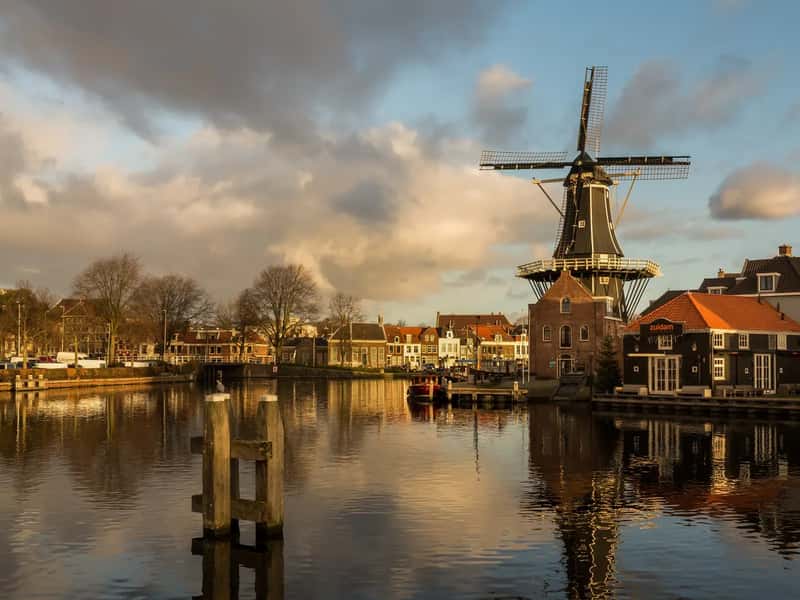
Here is a country that offers a slightly different angle on the unwelcome feeling. The Dutch are not outwardly hostile. They are famously direct, though. And what they say about American tourists is quite candid.
Nearly 40% of respondents in the Netherlands said they have a negative view of American tourists, one of the highest rates in all of Europe. That is not a fringe opinion. That is close to a mainstream one among Dutch locals.
When it comes to the behaviors hurting U.S. travelers’ reputations overseas, noise is number one, with 64% of European respondents saying Americans are far too loud. In a culture that prizes restraint and social awareness, that trait lands particularly badly. The Netherlands is also a country with very high English proficiency, meaning there is no language barrier to soften the friction. Americans encounter Dutch directness head-on, and the directness often includes opinions about American culture and politics that can feel deeply unwelcoming.
Jordan: Decades of Political Grievance

Moving outside Europe, Jordan represents a country where the unwelcoming feeling runs far deeper than a survey about tourist behavior. This is about history, foreign policy, and regional wounds that have never fully healed.
American favorability ratings have dropped 13 points in Jordan since 2009, leaving 85% with an unfavorable view of the United States. That number is staggering. It means the vast majority of Jordanians view America negatively, and that does not disappear when an American tourist walks into Petra or Amman.
Jordan’s disapproval of U.S. foreign policies, especially military interventions in the Middle East, has led to longstanding anti-American sentiments, and these feelings are exacerbated by the country’s proximity to regional conflicts. It is worth noting that Jordanians are generally known for their hospitality as a cultural value. The tension between that natural warmth and deep political grievance creates a complicated experience for American visitors, one that can shift very quickly depending on the conversation topic.
Iran: Decades of Hostility Baked Into Policy

Iran is perhaps the most extreme case on this list, where the unwelcome feeling is not just social but institutional and sometimes dangerous.
Historical conflicts and political differences have led to widespread negative perceptions of Americans in Iran. A 2019 survey revealed that the vast majority of Iranians, roughly 86%, held an unfavorable view of the U.S., reflecting deep-seated animosity.
Relations between the U.S. and Iran have been strained for decades and worsened during the Trump administration. This resulted in Iran outright banning any U.S. citizens from entering the country. The ban has since been lifted, but travelers still need to go through several processes to be allowed to visit. Even once inside, American travelers cannot move freely. Tourists need to work with a government-approved guide at all times to acquire their visa number and spend any time within the country’s borders. That is less a travel experience and more a supervised visit.
Spain: Overtourism Protests and a Growing Edge

Spain rounds out this list with a story that blends political resentment with something more visceral. Mass tourism frustration. The country welcomed a near-record number of visitors in recent years, and the backlash has been fierce.
Across 2024 and 2025, protests against overtourism drew international attention, especially in Barcelona and parts of the Balearics. Reuters described coordinated actions in Barcelona and other cities, and AP reported incidents where demonstrators used water guns to make a point about crowding and housing strain.
Spain welcomed 94 million tourists in recent years, nearly double its own population of 49 million. When a country is so overrun that locals feel like strangers in their own cities, the resentment that builds is not neatly targeted. Americans, as highly visible and often stereotypically loud tourists, absorb a disproportionate share of it. Locals in multiple European countries report frustration with loud voices, lack of cultural awareness, and the expectation that everyone should speak English, a complaint that fits the Spanish experience with American visitors particularly well.
A World That Has Quietly Changed
The broader picture behind all of these individual country stories is one of real, measurable global shift. The World Travel and Tourism Council reported that the U.S. was the only country expected to experience a decrease in international visitor spending in 2025 among the 184 nations analyzed. Out of 184 countries, America is the only one losing international tourism dollars.
Rising anti-U.S. sentiment could cost the American economy as much as $90 billion in 2025, or roughly 0.3% of GDP, according to an analysis from Goldman Sachs, as consumers abroad boycott American products and travel in response to tariffs and other diplomatic moves.
In populations across the globe, those who perceive America as a positive influence now number only around 46%. That is not a majority. For American travelers, the world has not become an impossibly hostile place. Most encounters are still warm and curious. But the data is clear: the days of the American passport opening every door effortlessly are over, and knowing which countries to approach with extra humility, cultural awareness, and political sensitivity could make all the difference between a great trip and a genuinely uncomfortable one.
What do you think? Has your own experience traveling with an American passport changed in recent years? Share your thoughts in the comments.