

Most people assume that buying property abroad involves a mountain of red tape, residency requirements, government approvals, and legal structures so convoluted they’d need a team of lawyers just to get started. That assumption is understandable, but it’s often wrong.
Some destinations make property ownership genuinely straightforward for foreigners, offering streamlined processes, minimal bureaucracy, and even residency or citizenship perks. The countries covered here have made it a deliberate policy to welcome international buyers, and several of them treat foreign purchasers with rights almost identical to their own citizens. Here’s where the process is far simpler than the myths suggest.
Portugal: A Tax Number and You’re In
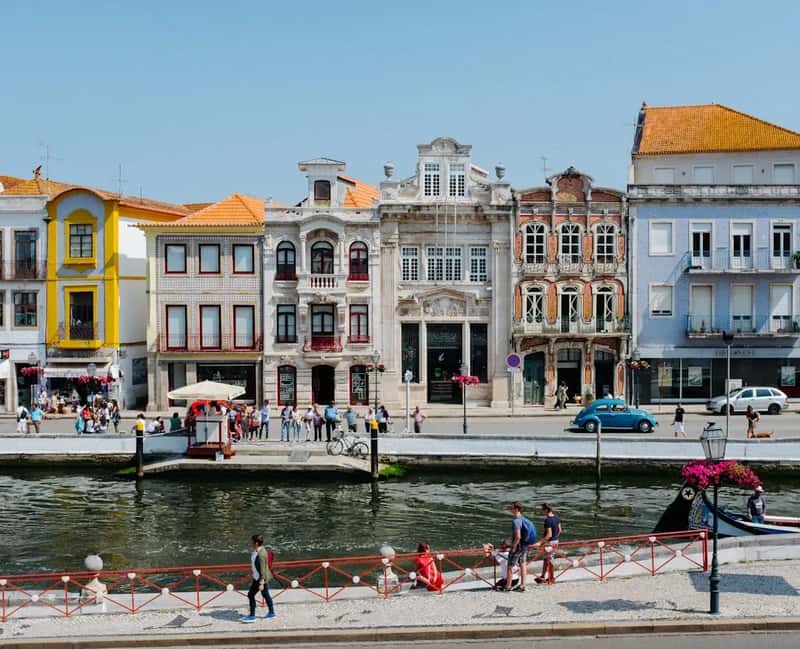
Portugal frequently appears on lists of the easiest countries to buy property as a foreigner, thanks to its welcoming attitude and transparent property laws. Beyond favourable investment incentives, Portugal offers a diverse real estate market, ranging from stylish urban apartments in historic cities such as Lisbon and Porto to beautiful coastal villas in the picturesque Algarve region. The legal process is refreshingly minimal for a European country.
Portugal leads with its accessible system: get a tax number (NIF) and you can buy property with rights almost identical to citizens. There are no legal restrictions for foreigners buying properties in Portugal or minimum purchase price requirements. The buying process is generally straightforward, making Portugal one of the easiest countries to buy property as a foreigner. Portugal’s stable economy, high quality of life, and strong rental market make it a reliable and rewarding destination for property investors. Property transactions in Portugal are typically quick, transparent, and straightforward, with clear processes for foreign buyers.
Panama: The Same Rights as a Citizen, Without the Passport
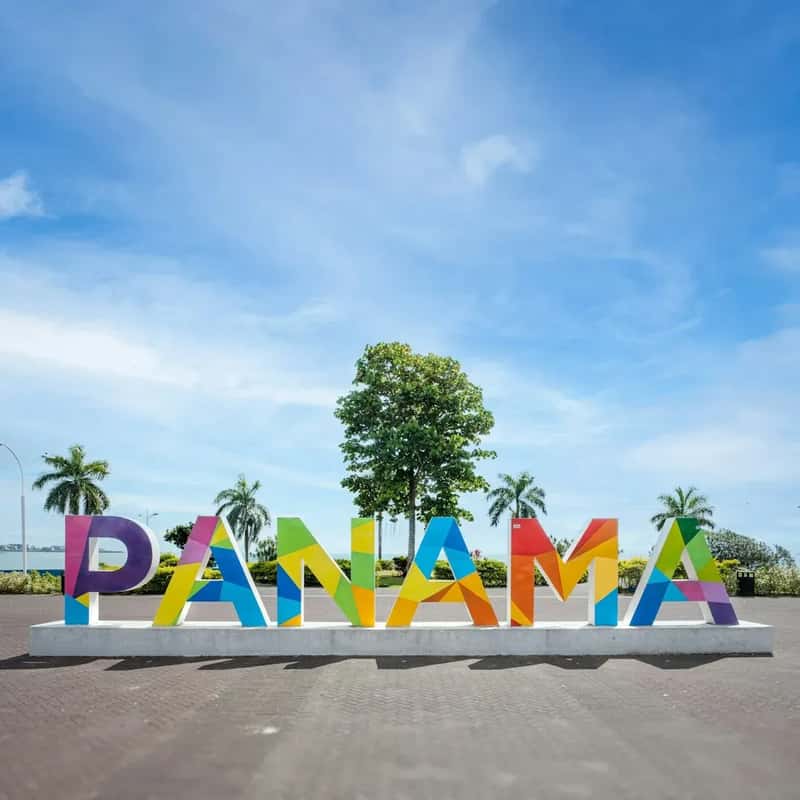
Panama is one of the most foreigner-friendly countries in the world when it comes to property ownership. With strong legal protections, a U.S. dollar economy, and a real estate market open to non-citizens, it’s no surprise that Panama has become a top destination for international buyers. What most people don’t know is just how equal the playing field actually is.
As of early 2026, foreigners in Panama can hold titled residential property 100% under their own personal name, with no requirement to partner with a local citizen or use a corporate structure. This applies to titled houses, titled land lots, and condominium units, all of which can be registered directly in the foreigner’s name at Panama’s Registro Publico. Owning property valued at $200,000 or more can support a Friendly Nations application for provisional residency, while $300,000 or more is the key threshold for the Qualified Investor Visa, which grants immediate permanent residency. Property ownership and a path to long-term residency come as a practical package deal.
Greece: Golden Visas and No Real Barriers for Most Buyers
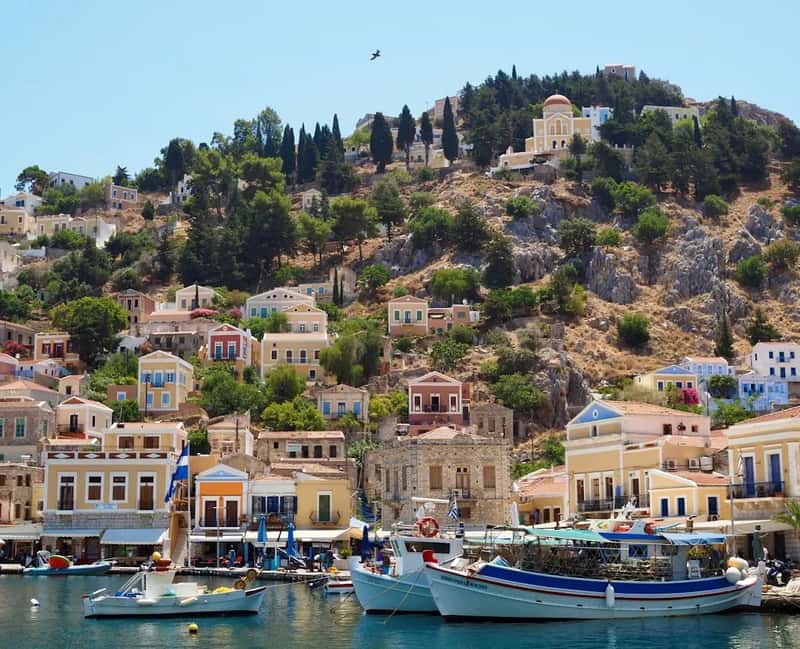
Foreigners can buy property in Greece without restrictions, except in a few border and military zones. The process is simple and transparent when using a local lawyer. Greece’s position on lists of the best countries to buy property is testament to the country finally achieving a full recovery from the 2007 to 2008 financial crisis. That recovery has reshaped a market that now combines affordability with genuine momentum.
Greece grants residency permits to non-EU citizens who invest at least €250,000 in real estate for renovation or conversion into residential space. For new properties, the minimum threshold is €400,000. The investor and their family members receive a five-year residency permit, which is renewable as long as the investment is maintained. After seven years of continuous residency, foreigners can apply for Greek citizenship, and the country does allow dual citizenship.
Turkey: Fast, Open, and a Direct Route to Citizenship

Turkey bridges two continents, offering a unique cultural blend alongside a vibrant property market. The country has become a magnet for foreign investors, especially in hotspots like Istanbul and Antalya, where property prices can be significantly lower than in many European capitals. Foreigners can buy freely, with some restrictions in military zones. Fast processing time means a property purchase can be completed in one to two weeks.
Turkey grants the investor and their family immediate citizenship for real estate investment. The minimum threshold is $400,000, and the acquired asset must be kept for at least three years. Foreign investment is flooding into Turkey, which caused property prices to surge in 2024, and the sector is expected to grow considerably by 2028, with investment reaching as high as US$150 billion. With many new beachfront villas and apartments coming onto the market and the promise of fast capital growth, Turkey is a top option for expats looking to purchase property abroad. Buyers should note that Turkey has been experiencing significant inflation, so real price gains require careful analysis.
The Dominican Republic: Equal Rights, No Red Tape, No Residency Required
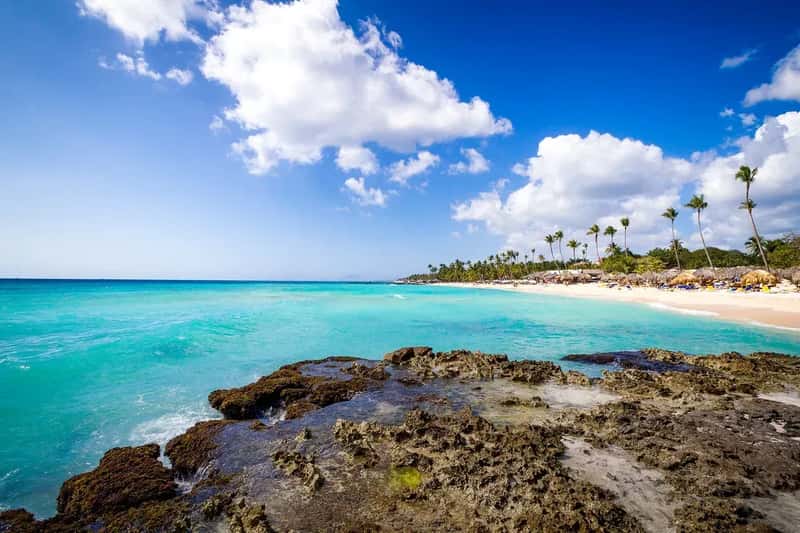
As of early 2026, foreigners enjoy virtually identical property ownership rights as Dominican citizens, including the right to buy, sell, rent, inherit, and mortgage real estate without restrictions based on nationality. There are no restrictions on foreign individuals or entities owning or leasing real estate in the Dominican Republic. The process for purchasing or leasing real estate for foreigners is the same as for Dominicans, with no national defence or security limitations.
Non-residents and tourist-visa holders can legally purchase property in the Dominican Republic without any residency requirement, and many foreign buyers complete their entire purchase while visiting on a tourist visa. The Dominican Republic charges a flat three percent transfer tax on property purchases, which is lower than many Caribbean neighbors and makes closing costs more predictable for foreign buyers. The average time to finalize a real estate transaction is approximately 45 to 60 days.
Montenegro: Low Entry Barriers, Fast Transactions
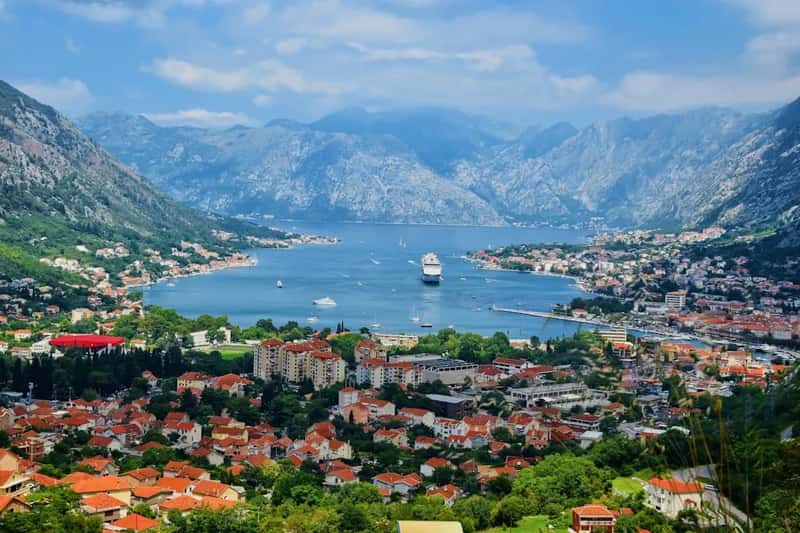
For many international buyers, especially those prioritising legal simplicity and transactional ease, Montenegro is regarded as one of the easiest places to buy property abroad. With its spectacular Adriatic coastline, pleasant Mediterranean climate, and thriving property market, Montenegro offers excellent opportunities for coastal property investment. It’s a destination that still flies under the radar for many Western buyers, which is precisely part of its appeal.
Foreigners only need to obtain a Montenegrin tax identification number, which is a simple procedure required for property registration, bank account setup, and paying taxes. Non-citizens can freely buy residential and commercial properties and have the same rights as locals. The property purchasing process typically involves a straightforward procedure of contract preparation, notarisation, and registration, taking as little as a few weeks. Montenegro offers fast transactions and low entry barriers, boosting its reputation among property investors.
The UAE: No Property Tax, Full Freehold Ownership in Designated Zones
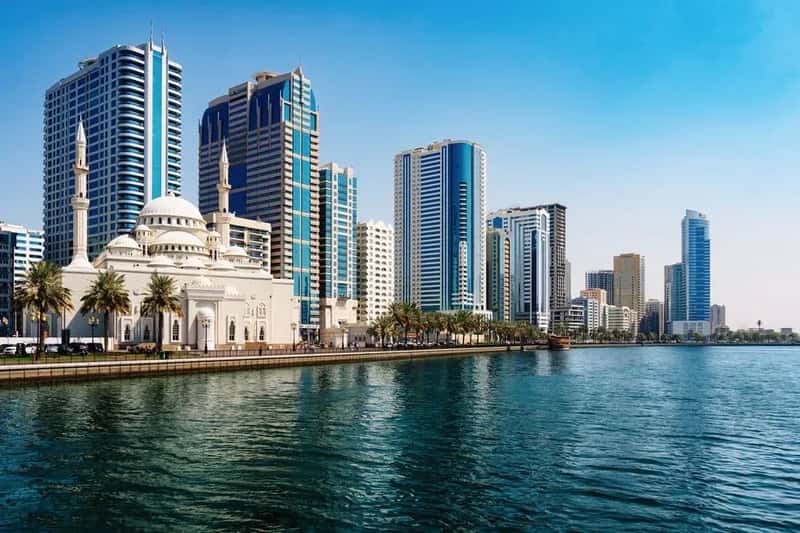
Real estate investment in the UAE is compelling, with expats in places like Dubai enjoying not having to pay income tax. Foreign nationals outnumber locals in Dubai, although Abu Dhabi is another place attracting global attention from American buyers and corporate customers. The absence of property tax is a meaningful advantage that rarely gets enough attention in the international conversation.
Foreigners can buy and possess freehold ownership on properties in the UAE’s designated freehold zones. Outside those zones, non-UAE citizens can only apply for tenancy to own properties for a period, not including the land on which these properties are built. Investors can maximise profits from rental income and property appreciation, as the UAE’s tax-free environment includes no income or capital gains tax. The UAE also offers a long-term visa of five years for retired foreigners, with the purchase process taking roughly 30 to 60 days depending on the financing used.
Costa Rica: Identical Rights, Transparent Registry, No Visa Needed
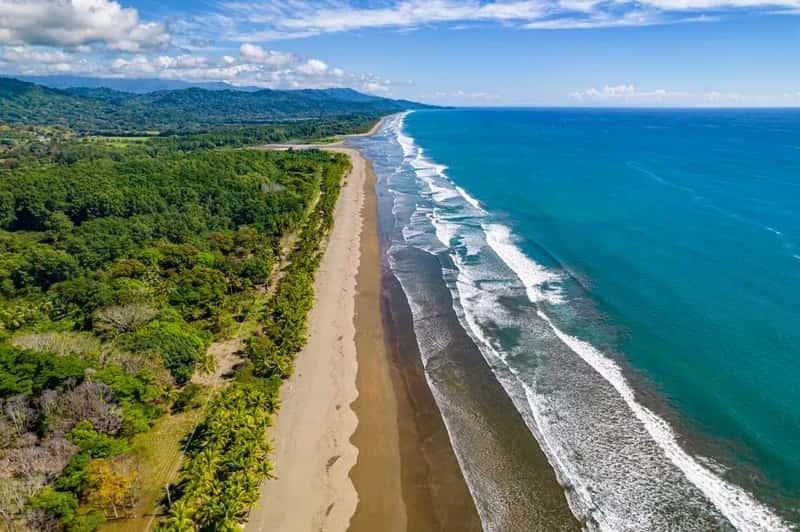
One of the biggest draws is the fact that foreigners enjoy the same property ownership rights as Costa Rican citizens, making the buying process more accessible and transparent compared to many other countries. The only notable exception is land located within the Maritime Zone, which refers to the first 200 meters inland from the high tide line. Outside that coastal strip, the process is genuinely open.
Neither Costa Rica nor Panama requires you to be a resident to buy land or a home, and property deeds can be held outright in your name or in the name of a corporation or trust that you control. Secure title insurance is available, and both countries have reliable public property registries to record ownership. Foreign property ownership in Costa Rica is treated the same as for residents, and you need three main things: an agent registered with SUGEF, a lawyer, and an escrow service. The lawyer will act as the notary.
Poland: Open Market, EU Framework, Investor-Friendly Momentum
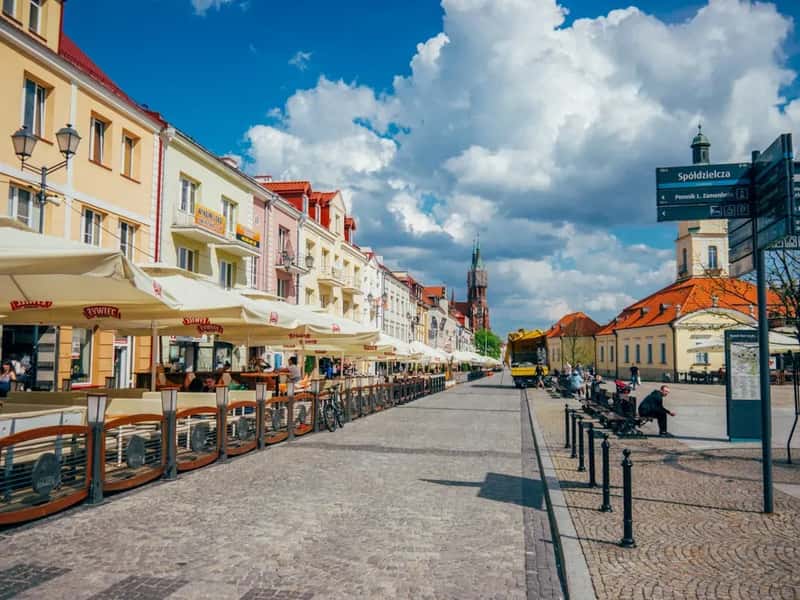
Poland has recently emerged as a hard-hitter in the European technology economy. The country boasts a young population, membership of the European Union, and low property prices that are attracting foreign buyers looking for a more intrepid place to live, work, or retire. Property price growth came in at just under 14.5% in 2024, one of the higher rates recorded in Europe that year.
Realising the value of foreign investment, Poland has gone to great lengths to make it as easy as possible for foreign buyers to invest in the country. EU citizens will experience no hurdles at all, while non-EU citizens will still find the process streamlined. A number of real estate agents in Poland have started to focus entirely on the foreign buyers’ market, and will handle the whole process from start to finish. Germany has an open real estate market, allowing foreigners to purchase any property, including land, houses, apartments, and condos – and Poland mirrors that openness while offering far more competitive entry prices.
Spain: An NIE Number and the Market Is Yours
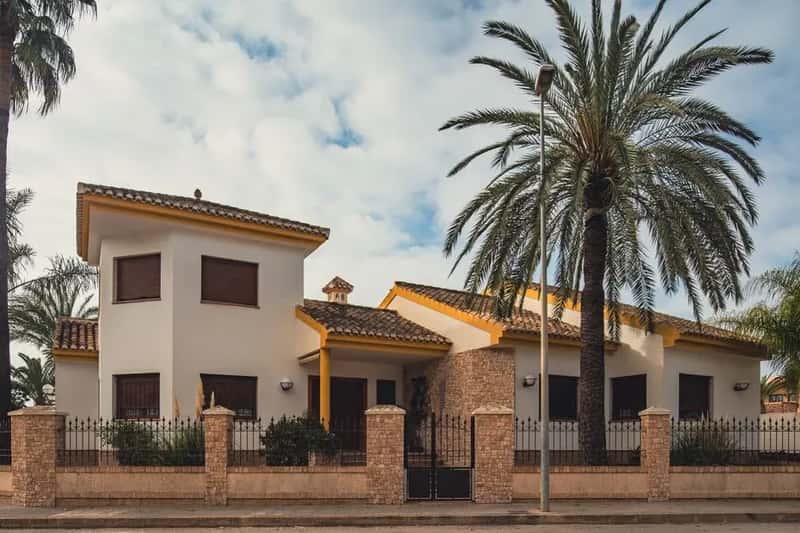
Spain offers a smooth process: apply for an NIE number, and you’re free to purchase. Despite the end of its Golden Visa, alternative residency-by-investment options remain. Spain’s attractiveness stems from its pleasant weather, beautiful architecture, and the possibility of rental income. The country’s top-performing tourist industry is a major draw, but prospective buyers should be aware that licence requirements changed in 2024, so they should research well before making a purchase.
Freehold ownership is fully legal for foreigners in Spain. A Golden Visa was available for purchases over €500,000, though rental rules vary by region, with some cities like Barcelona having introduced short-term rental restrictions. From the sun-drenched coasts of Spain, a timeless favourite of British investors for its European culture, to the dynamic, forward-looking markets of the United Arab Emirates, each locale offers its own distinct set of benefits. Spain rewards buyers who do their homework on local rental licensing before signing anything.