You’ve seen those Instagram shots of clifftop villages tumbling into turquoise waters. Pastel houses stacked like wedding cakes. Lemon groves glowing in the sun. It looks dreamy, doesn’t it? The Amalfi Coast has earned its reputation as one of the world’s most breathtaking stretches of coastline. Yet there’s a catch that those influencers conveniently crop out.
The Amalfi Coast saw 564,981 visitors in 2023, marking a 9% increase from 2019. That might not sound overwhelming until you consider that ten years ago, the number was 400,000. In 2024, the number of overnight stays on the Amalfi Coast exceeded 2.3 million, the highest figure reported to date. The once serene paradise is bursting at the seams. Even in shoulder season, the crowds heaved around the town’s cathedral, lines snaked out of every gelato shop and packed-out tour buses wheezed along the roads. Honestly, fighting for space to snap a photo isn’t exactly my idea of bliss.
Let’s be real. The Mediterranean is enormous, and there are countless stunning coastal destinations that rival the Amalfi Coast’s beauty without the hassle. So why squeeze onto a bus with dozens of sweaty tourists when you could have a more authentic experience elsewhere? Here are five spectacular alternatives that deliver jaw-dropping scenery, cultural richness, and genuine tranquility.
1. Albanian Riviera: Europe’s Best-Kept Secret (For Now)
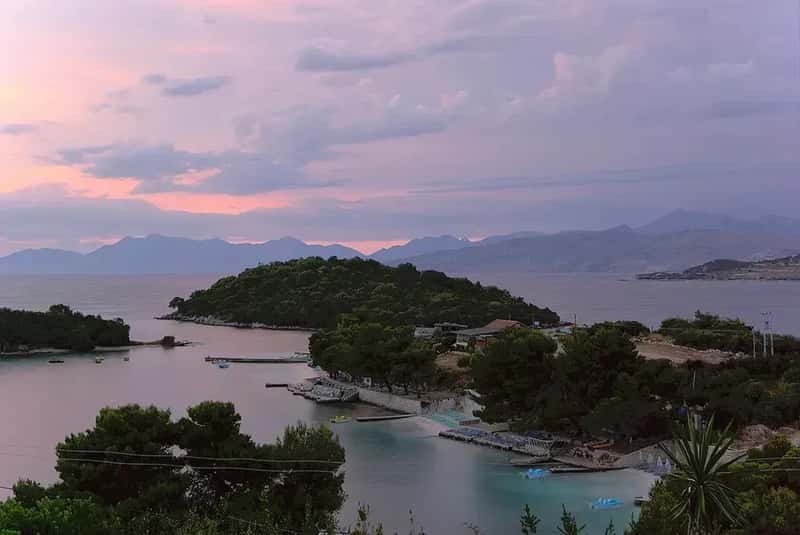
Picture crystal-clear waters rivaling the Greek islands, dramatic mountains plunging into the sea, and prices that won’t make your wallet weep. The Albanian Riviera stretches along roughly eighty miles of Ionian coastline, yet it remains shockingly undiscovered compared to its overcrowded neighbors. Albania welcomed 11.7 million foreign visitors in 2024, experiencing an extraordinary 86% growth rate compared to pre-pandemic levels.
Albania ranks number one worldwide among large destinations receiving at least 5 million visitors, with an 80% growth over 2019 levels. This growth is impressive, but here’s the thing: it’s still manageable. Towns like Himara and Dhermi offer stunning beaches without the overwhelming tourist infrastructure that plagues more famous destinations. The Albanian Riviera stretches over 80 miles of coastline from the districts of Vlorë in the north to Sarandë in the south.
I know it sounds crazy, but you can still find secluded coves where you won’t bump elbows with cruise ship crowds. The beaches here are pristine, the seafood fresh and affordable, and the locals genuinely welcoming rather than tourism-weary. The Albanian Riviera, particularly towns like Ksamil, Saranda, and Dhërmi, is now often compared to Greek and Croatian resorts, but with much more affordable prices. Think of it as what the Amalfi Coast felt like thirty years ago.
2. Puglia: Italy’s Underrated Heel
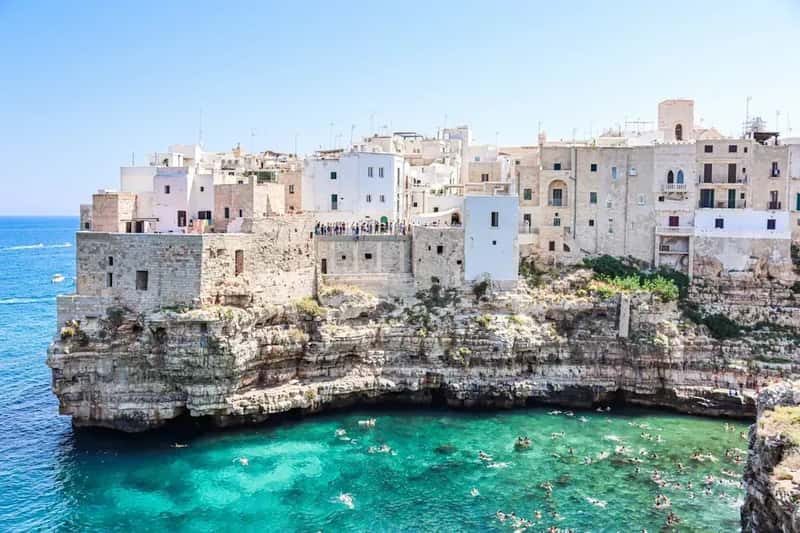
Why leave Italy entirely when you can simply shift your focus? Puglia sits on the heel of Italy’s boot, offering whitewashed towns, azure waters, and culinary experiences that rival anywhere in the country. Puglia has seen overnight stays increase from 13.4 million in 2013 to 20.8 million in 2024, representing just over 55% growth in only ten years. While those numbers sound substantial, the region’s size and dispersed attractions mean you won’t face the bottlenecks common on the Amalfi Coast.
Towns like Polignano a Mare perch dramatically on limestone cliffs, their restaurants literally carved into rock overlooking the Adriatic. Lecce dazzles with Baroque architecture earning it the nickname “the Florence of the South.” Over 20 million people visited Puglia in 2024, with more than 800,000 Italians holidaying there in August alone, making it the country’s top staycation choice. Yet the coastline stretches for hundreds of miles, offering endless opportunities to escape the masses.
Puglia has been one of the fastest-growing tourist destinations in Europe, with Scott Dunn reporting a steady increase of approximately 16 per cent year-on-year in enquiries for the region. The infrastructure is improving rapidly without sacrificing authenticity. This is a place where grandmothers still make orecchiette pasta by hand in doorways, where trulli houses dot the countryside like something from a fairy tale, and where the wine flows as freely as the warm Mediterranean sunshine.
3. Costa Viola (Calabria): Italy’s Violet Coast
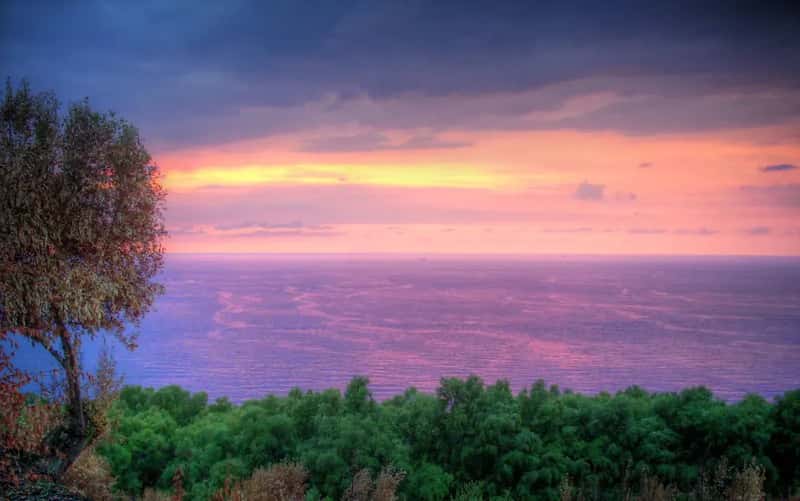
Costa Viola in Calabria gets its name from the glittering waters that fade from turquoise to a dreamy indigo as the sun sets. Located on Italy’s toe, this rugged stretch of coastline delivers everything you’d want from the Amalfi Coast minus the suffocating crowds. With pristine coves, high cliffs, and the occasional glut of colourful houses, it bears a pleasing resemblance to the Cinque Terre, yet without the crowds.
The town of Scilla is particularly enchanting, with its medieval castle watching over a charming fishing village where rainbow-colored houses cascade toward the sea. Scilla is a quaint fishing village with sublime seafood, Amalfi-esque rainbow architecture and an impressive medieval castle. The beaches here remain blissfully uncrowded, and you can actually have a conversation in a restaurant without shouting over hordes of tourists.
Honestly, Calabria has been overlooked for so long that it feels like stepping back in time. The region maintains an authenticity that’s been polished away in more famous destinations. Here, tourism supports local communities rather than overwhelming them. On the toe of Italy’s boot, you’ll find a coastline that’s every bit as dramatic as Amalfi. The ‘Violet Coast’ runs north from Reggio Calabria up to the Capo Vaticano peninsula.
4. Monte Argentario: Tuscany’s Coastal Gem
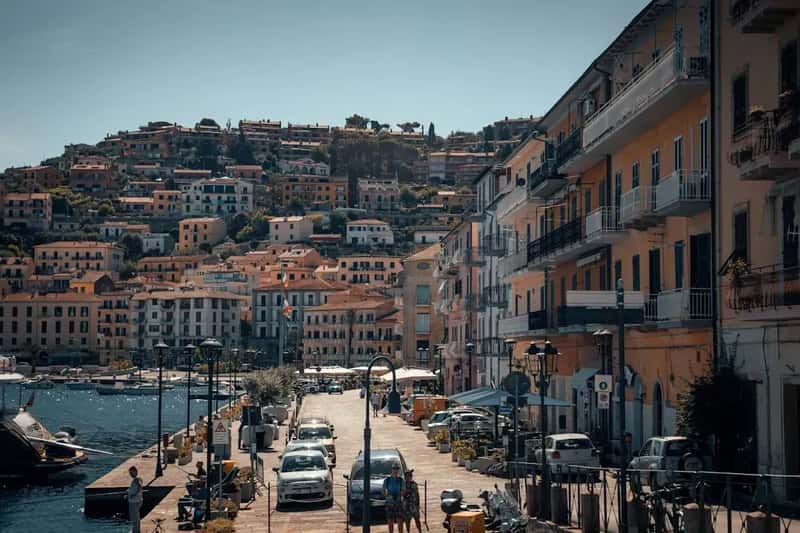
When you think of Tuscany, rolling hills and Renaissance cities probably spring to mind. Yet this famous region also hides a spectacular coastal promontory that rivals the Amalfi Coast’s glamour without the chaos. Monte Argentario has sweeping corniches over the Tyrrhenian Sea, glamorous world-class hotels and sun-drenched coves, adding another precious ingredient: sand.
Monte Argentario provides a wonderful alternative to the Amalfi Coast with fewer tourists, more affordable accommodations, and dining options that won’t break the bank, while still providing high-end exclusivity for those in search of luxury. The two port towns of Porto Santo Stefano and Porto Ercole have long been weekend retreats for wealthy Romans seeking understated elegance. Think boutique hotels, fresh seafood restaurants, and hidden coves accessible by scenic coastal roads.
The beaches here actually have sand, which makes them more comfortable than many rocky Amalfi alternatives. Sunloungers line up along the shore at dune-rippled Feniglia beach, street food stalls at elegant Porto Santo Stefano dole out cones of delicately fried fish. The peninsula connects to mainland Tuscany by two sandbars, creating a unique geography that feels almost like an island. It’s hard to say for sure, but this might be one of the Mediterranean’s most underrated destinations.
5. Tropea: Calabria’s Clifftop Wonder
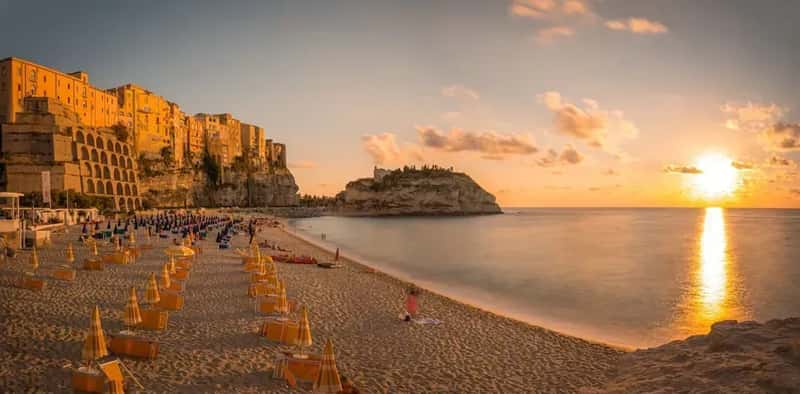
Tropea in Calabria is perched on dramatic cliffs above the sparkling Tyrrhenian Sea, offering panoramic views of the turquoise waters below. This medieval town delivers postcard-perfect scenery that easily matches the Amalfi Coast’s famous vistas. Centuries-old buildings are carved into the face of a seaside hill, the sapphire-colored Tyrrhenian Sea glimmers under the sun, and Tropea’s nostalgic charms resemble the Amalfi Coast’s, only with almost no crowds and more wallet-friendly prices.
The town’s historic center perches atop cliffs, with a stunning sanctuary seemingly floating on a rocky outcrop overlooking the sea. The beaches, like the beautiful Spiaggia della Rotonda, are blissfully uncrowded, allowing you to relax in peace while soaking up the Mediterranean sun. The red onions grown here are so famous they’ve earned protected designation status, and the local cuisine celebrates simple, authentic flavors.
Tropea maintains a lived-in quality that many famous destinations have lost. Wander through Tropea’s medieval old town, indulge in fresh seafood at a local trattoria, and take in the serene vibe that makes this coastal gem a must-visit. Families gather in piazzas, shopkeepers chat with regular customers, and tourism feels like a welcome addition rather than an invasive force. This is what coastal Italian life should feel like.
Conclusion: Choose Serenity Over Status
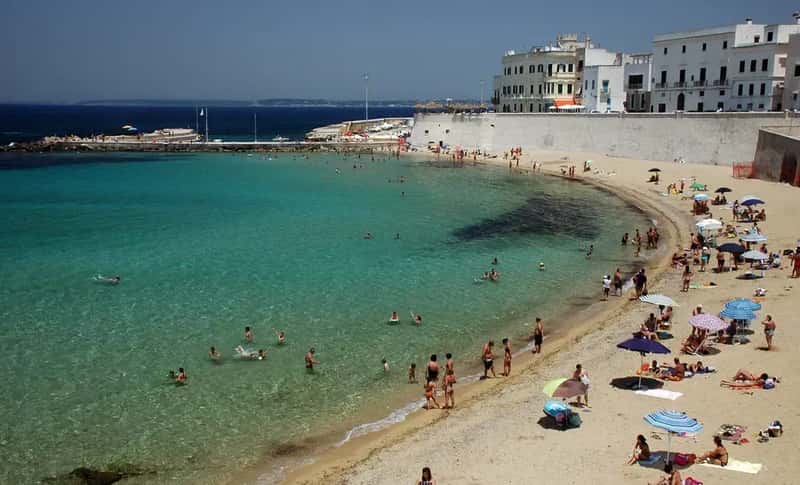
Look, I get it. The Amalfi Coast is iconic for good reason. Those dramatic cliffs and pastel villages genuinely take your breath away. Yet beauty loses some of its luster when you’re jostling for space with thousands of other visitors, paying inflated prices, and spending more time in traffic than enjoying the views. Hotel prices have risen on average by almost 40% compared to pre-pandemic levels, forcing many middle-income travelers to either stretch their finances or seek accommodation in less expensive towns.
These five alternatives offer something increasingly rare: the chance to experience Mediterranean magic without the crushing crowds. Whether you choose Albania’s emerging coastline, Puglia’s authentic Italian charm, Calabria’s rugged beauty, or Tuscany’s understated elegance, you’ll find stunning scenery, rich culture, and genuine tranquility. The Mediterranean is vast and magnificent, with countless treasures waiting beyond the overcrowded hotspots.
The future of travel isn’t about checking off famous destinations from a list. It’s about finding places where you can breathe, connect with locals, and create memories that aren’t overshadowed by tourist chaos. These alternatives deliver everything the Amalfi Coast promises, with one crucial difference: you’ll actually enjoy them. What do you think? Would you skip the famous coast for one of these hidden gems?