You’ve packed your bags, studied the itinerary, and you’re ready to board your very first cruise. You’re imagining yourself lounging by the pool with a tropical drink in hand. Sounds perfect, right? Yet there’s something you might not be prepared for: the unwritten rulebook that seasoned cruisers follow religiously.
First-time passengers often stumble into common etiquette mistakes without even realizing they’re driving crew members absolutely crazy. During your cruise vacation, it may seem obvious to show respect and consideration for other passengers and crew members. There are, however, some other rules of cruise ship etiquette that are good to know prior to getting on the ship.
Hogging Pool Chairs Like They’re Prime Real Estate

Picture this: it’s early morning, and someone sneaks out to the pool deck to toss a towel on a lounge chair. Then they vanish for hours. Maybe they go back to bed, breakfast, or hit the gym. Meanwhile, you arrive mid-morning hoping to soak up some sun, only to find every chair claimed by phantom occupants. Some folks get up at 6 or 7 a.m. to reserve a chair.
Then, they go back to bed, have breakfast, head to the gym, or sit elsewhere until they feel like returning to the reserved lounger. This chair-hogging behavior is arguably the most complained-about cruise ship faux pas. Both Celebrity and Carnival cruises have been known to enforce a no-chair hog policy that will eventually result in your personal effects getting sent to the lost and found. The stickers, which are headlined “Sharing is caring,” have a space to fill in a time to inform people that they can’t leave chairs unattended.
In February 2024, Carnival introduced a system where crew members place warning stickers on unattended chairs, giving passengers roughly forty minutes before belongings are moved to the towel station. Yet enforcement remains inconsistent across different ships and sailings, leaving frustrated passengers without seats while empty chairs sit reserved all day.
Reusing Your Plate at the Buffet Station
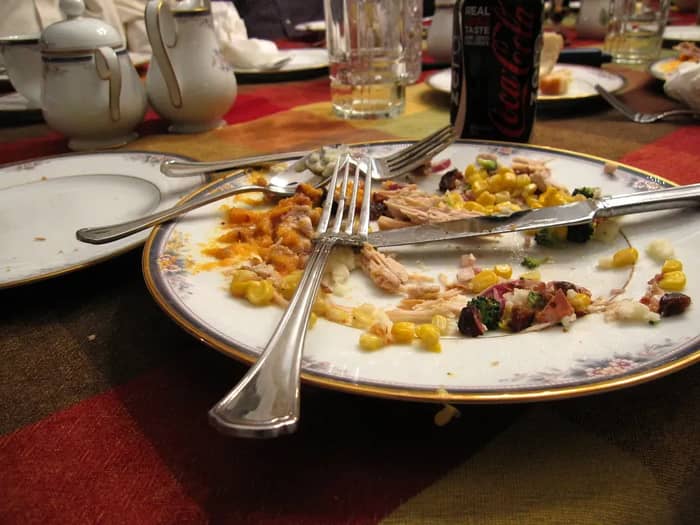
Let’s be honest, grabbing a fresh plate every time you go back for seconds might seem wasteful. You’re trying to be environmentally conscious, right? Wrong move. One of the most common mistakes passengers make at a cruise ship buffet is reusing their plate when they go back for seconds. For sanitary reasons, cruise lines ask guests to take a new plate each time they return to the buffet.
This isn’t about creating extra work for the dishwashers. It’s actually about preventing the spread of norovirus and other nasty illnesses that can sweep through a ship faster than you can say “quarantine.” Health laws mean cruise lines have to require a clean plate for each refill. This helps to reduce the chance that germs will spread from your plate or utensils, contributing to the spread of food poisoning, which is unfortunately all too common on cruise ships.
Crew members cringe every time they see someone waltz back to the buffet line with their used plate because they know the potential consequences. One contaminated plate touching a serving spoon could trigger an outbreak affecting hundreds of passengers. That’s why the rule exists, even if it feels counterintuitive to those of us raised to reduce waste.
Skipping the Hand Sanitizer Station
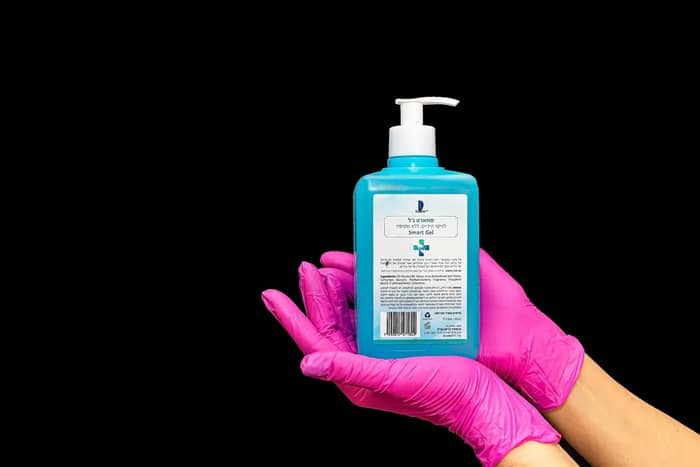
There’s always that person who breezes right past the hand sanitizer station at the buffet entrance, confident their hands are clean enough. Maybe they just washed up in their cabin five minutes ago.
All cruise lines offer hand sanitizer at the entrance to the buffet, either in a wall-mounted pump or distributed by a staff member. Use them every time you enter the buffet area. While public restrooms are typically nearby, this isn’t the moment to declare that you just came from the bathroom and already washed your hands. According to cruise industry sources, this simple step is one of the most crucial health measures on ships. Crew members notice when passengers skip this station, and it frustrates them because they understand the domino effect one person’s germs can have in a confined environment.
When you are browsing options in the ship’s buffet, you will notice that there are utensils at each station for a reason, whether it’s a spoon, salad tongs, etc. Using your hands puts the health of others at risk when it comes to cross-contamination, as germs can easily be spread. Some passengers even touch food directly with their bare hands or use the wrong utensils for different dishes, creating cross-contamination risks for people with serious food allergies.
Barging Into Elevators Without Letting People Exit First
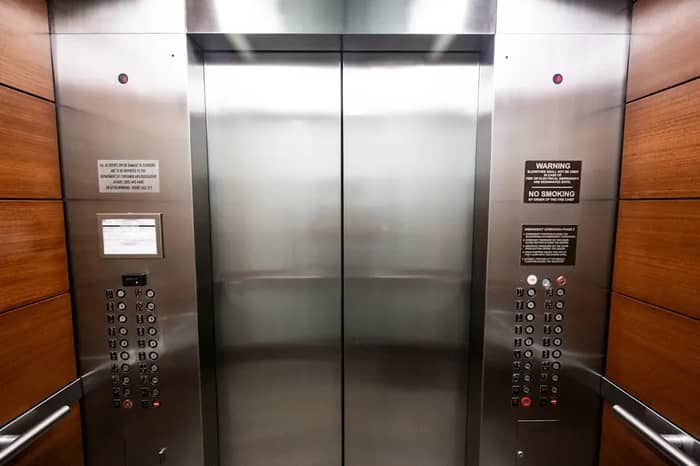
Cruise ship elevators are notorious bottlenecks, especially during embarkation day or when everyone’s rushing to dinner. Cruise ship elevators tend to be pretty crowded, especially during the initial embarkation and disembarkation or in ports of call. It is important to let people who are in the elevator out before trying to cram in.
Letting people out first is not only courteous, but it will speed up the process, helping you get to your destination much quicker! Yet somehow, first-time cruisers frequently forget this basic courtesy and try to push their way in before anyone has a chance to exit. Even worse is when able-bodied passengers crowd into elevators ahead of those using wheelchairs or mobility scooters. If there’s someone waiting on an elevator with a mobility issue, you should let them in first. Sometimes, it is quicker to take the stairs, and it will free up space in the elevator for those who really need it.
Recent reports from 2024 and 2025 highlight ongoing tensions around elevator etiquette, with some passengers in wheelchairs reporting being left in tears after confrontations. Crew members witness these interactions constantly and find themselves torn between maintaining service with a smile and wanting to intervene when passengers behave poorly toward those with mobility challenges.
Complaining About Things Nobody Can Control
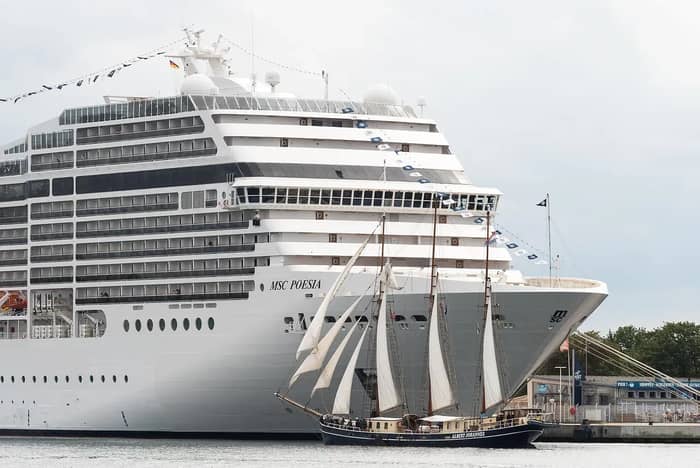
Here’s something that genuinely baffles crew members: guests who march up to Guest Services to complain about the weather. I really don’t know what someone thinks a crew member can do about it, but some people go to Guest Services to complain about the weather.
No matter what the weather, no crew member can do anything about it, so don’t bother complaining to them. It sounds absurd, yet it happens frequently enough that it’s become a running joke among cruise staff. Complaining to Guest Services is perfectly fine when there’s a real issue. However, complaints about uncontrollable factors, like the weather, are unproductive. Crew members do many things. However, one thing they can’t change is the weather, so save your energy and let them focus on issues they can resolve.
Crew members would much rather hear about legitimate problems they can actually fix, like issues with your cabin shower pressure or a malfunctioning safe. Those complaints give them a chance to improve your experience. Grousing about rain or rough seas just wastes everyone’s time and creates unnecessary frustration for staff who genuinely want to help but are powerless against Mother Nature.
Ignoring the Rules and Then Asking Crew to Bend Them

Some first-time cruisers seem to think rules are merely suggestions open to negotiation. They’ll read the clear guidelines about suite lounge access or height requirements for water slides, then ask crew members to make exceptions. I’ve witnessed guests being told about a rule, and then asking for the rule to be bent or broken.
Every suite guest receives a letter in their stateroom informing them in bold letters that this practice is not allowed. Similarly, some passengers ask crew members to allow their kids who are too short to go on water slides, sneak people into reserved seating, or serve their underage kids alcohol. This puts crew members in an incredibly awkward position. They’re following policies designed for safety and fairness, yet they’re being pressured to violate those rules by guests who believe their vacation entitles them to special treatment.
What passengers don’t realize is that crew members can face serious consequences, including termination, for bending rules. When you ask them to make an exception, you’re essentially asking them to risk their job for your convenience. That’s why crew members hate these requests with a passion, even if they maintain their professional demeanor.