

Summer used to mean simple things in the Mediterranean: sunburned tourists, plates of seafood, and postcard views. These days it also means water pistols aimed at diners, cruise ships turned away at the dock, and hotel workers quietly grumbling that foreigners get a better deal than locals. Three of Europe’s most beloved destinations, Spain, Greece, and Turkey, are each wrestling with their own version of a tourism problem that has gone from background noise to front-page news.
What makes 2026 different is not that crowds exist. Crowds have always existed. What has changed is the scale, the speed of the pushback, and the sense that patience among residents is finally running out.
Spain’s protest movement moves from grumbling to the streets

Spain has become the poster child for anti-overtourism sentiment in Europe, and the numbers explain why. Spain broke records with 94 million international arrivals, a 10 percent increase over the prior year, pushing the country ahead of Italy as the world’s second most visited nation after France. That kind of growth, layered onto cities that were never built for it, has produced friction that is hard to ignore.
The protests are not fringe events anymore. On 15 June 2025, large demonstrations were reported in Barcelona, where thousands of residents marched through central neighbourhoods chanting slogans such as “Your holidays, my misery.” Similar demonstrations occurred in other Spanish destinations, including Palma de Mallorca, Ibiza, San Sebastián and Granada, where residents voiced concerns that excessive tourism was driving up the cost of housing and straining public services. A year earlier, the tone had already turned sharper, with visitors caught in the crossfire of frustration that had been building for years.
Barcelona’s water guns and the fight over short-term rentals

Barcelona has become something of a symbol for how far frustration can travel. In July of 2024, protesters in Barcelona threw items, sprayed travelers with water guns and canned drinks, and used police-style tape to block hotel entrances and sidewalks. Video of diners ducking under a spray of water while trying to eat outdoors circulated widely, turning a local housing dispute into an international talking point.
City authorities have responded with policy rather than just apologies. In June 2024, Barcelona’s mayor said he would end short-term rentals in the city by 2028, aiming to reduce the impact on the housing market of landlords renting properties at inflated rates intended for tourists. On a national level, the response has been even more direct: the Spanish government took action by removing 65,000 Airbnb listings and introducing a tax on foreign buyers.
The Canary Islands and Balearics say enough is enough
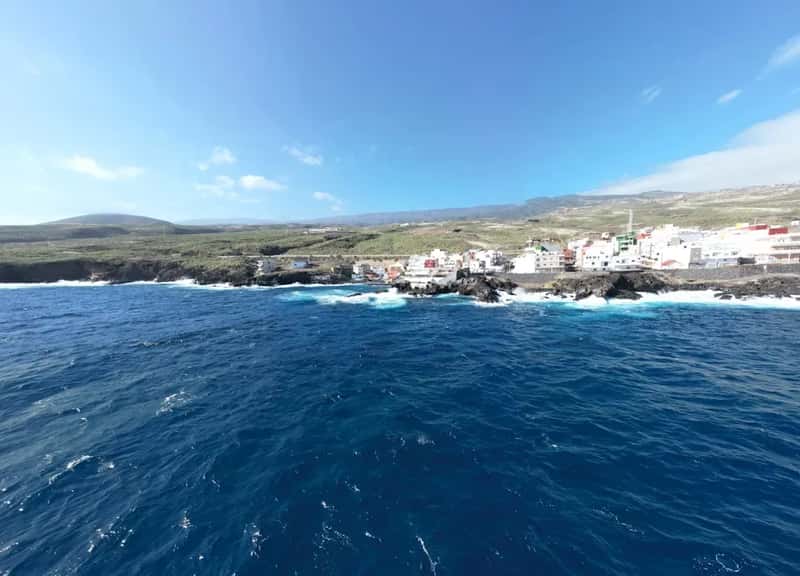
Nowhere has the anger been more visible than in Spain’s island regions, where geography makes the strain on land, water, and housing impossible to hide. In April 2024, mass protests began in the Canary Islands, with residents calling for a temporary limit on tourism, and between 20,000 and 50,000 people across the islands took part in coordinated demonstrations against the excess tourism. Environmental groups joined the cause rather than standing on the sidelines, with the protests backed by environmental organisations including Greenpeace and the WWF.
Some activists have gone further than marching. Eleven members of a protest group went on hunger strike over large luxury accommodation developments on Tenerife, which they also said were illegal. In Mallorca, the pushback has organized into something more structured, with a grassroots group vowing to keep training locals to actively resist unchecked tourism growth heading into future summers.
Greece’s cruise ships collide with island life
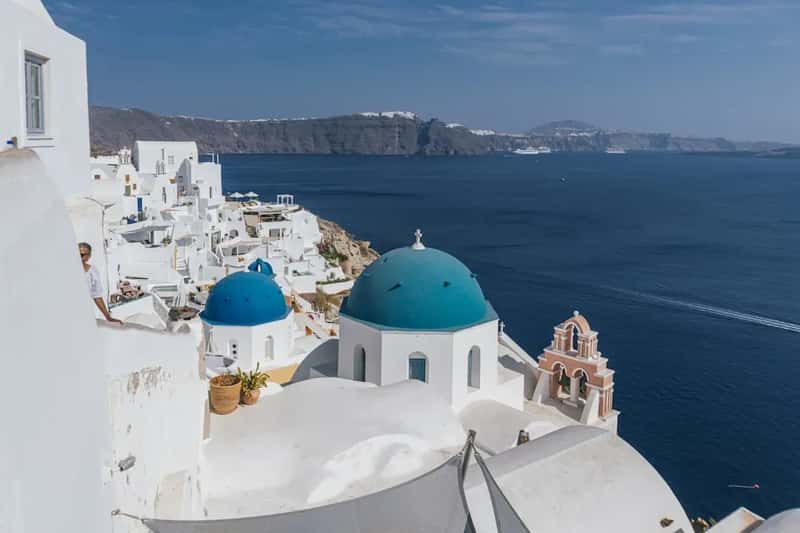
While Spain has grabbed headlines for street protests, Greece’s battle has played out more in ports than in plazas, and the numbers are staggering for such small islands. In 2023, Santorini received 800 cruise ships and 1.3 million passengers, almost 40 percent of its total tourist arrivals. On busy days, up to seven ships can dock simultaneously, flooding the narrow streets of Fira and Oia.
Mykonos tells a similar story of a small place absorbing an outsized crowd. It is the most popular cruise destination in Greece, and during the summer months hosts over 17,000 cruise ship visitors a day, for a small island with a population of just 15,500. That mismatch between infrastructure and demand is exactly what has pushed Athens to intervene with new rules rather than simply hoping the problem resolves itself.
Greece answers with taxes, caps, and a new kind of gatekeeping
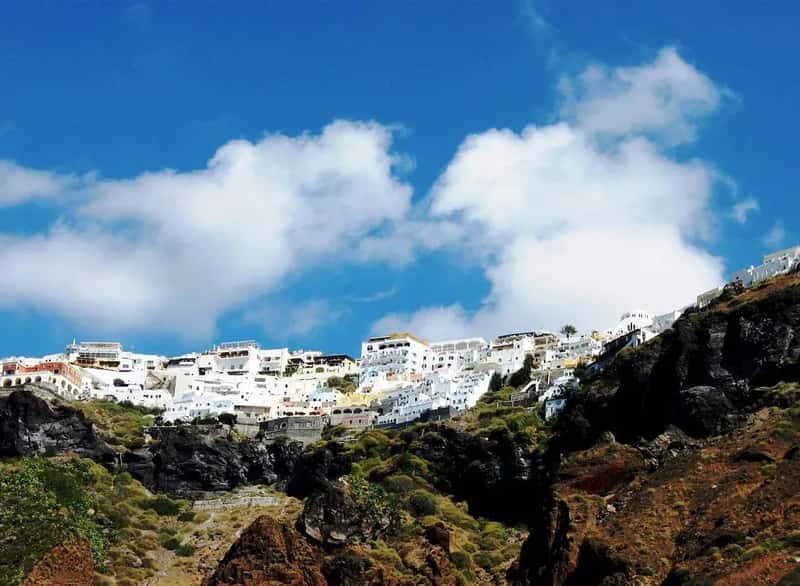
Greece’s response arrived with unusual precision. Under a government decision that went into effect on 21 July 2025, cruise ship passengers disembarking on Greek islands began paying an extra charge, dubbed the sustainable tourism fee, higher for Mykonos and Santorini where it aims to curb overtourism. During peak season from June to September, that fee reaches 20 euros per passenger in Santorini and Mykonos, and 5 euros elsewhere, dropping further in the shoulder and low seasons.
Santorini has gone a step beyond pricing, imposing an actual ceiling on visitor numbers. The island enforces a daily cap of 8,000 cruise visitors for the 2026 season, run by the Municipal Port Fund of Thira through a berth-allocation system that ranks and schedules ship calls long in advance. A technical but meaningful change for 2026 is that passenger loads are now counted at full ship capacity rather than the 80 percent assumption used previously, so a 3,000-berth ship counts fully against the limit.
Turkey’s affordability collapse turns tourists away
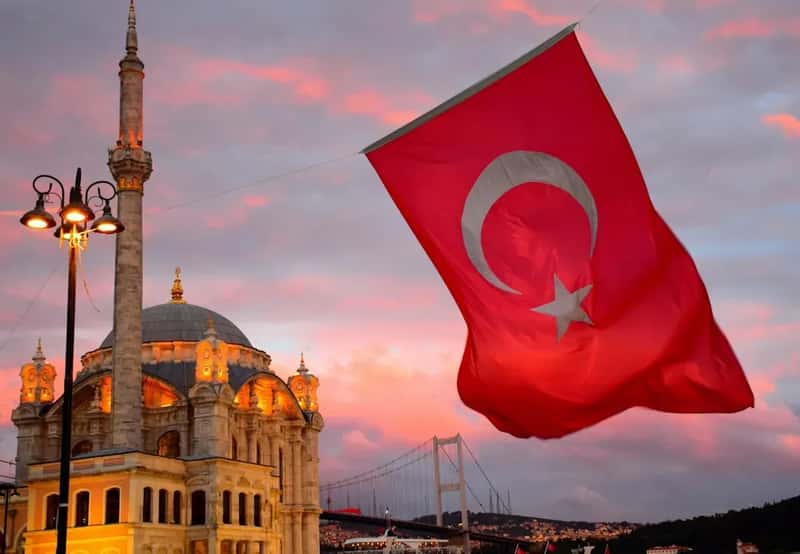
Turkey’s backlash looks different from its neighbors. Instead of angry crowds with placards, the pushback has come mostly from tourists themselves, reacting to prices that no longer match the country’s old reputation as a bargain. Inflation, reportedly at 33.5 percent in 2025, has bumped up prices for everything from hotels to food and activities, outpacing wage growth in important visitor markets.
The effect on bookings has been measurable rather than anecdotal. July 2025, normally a busy month, actually saw a 5 percent decrease in overall visitor numbers compared to the year before, with German arrivals down by 8 percent and British visitors dropping by 10 percent, as many opted for cheaper destinations such as Spain. Industry figures have not been shy about naming the problem, with one hotel manager in Bodrum candidly noting that “people truly love Turkey, but the prices are really starting to push them away.”
The dual-pricing controversy that angered Turkish citizens
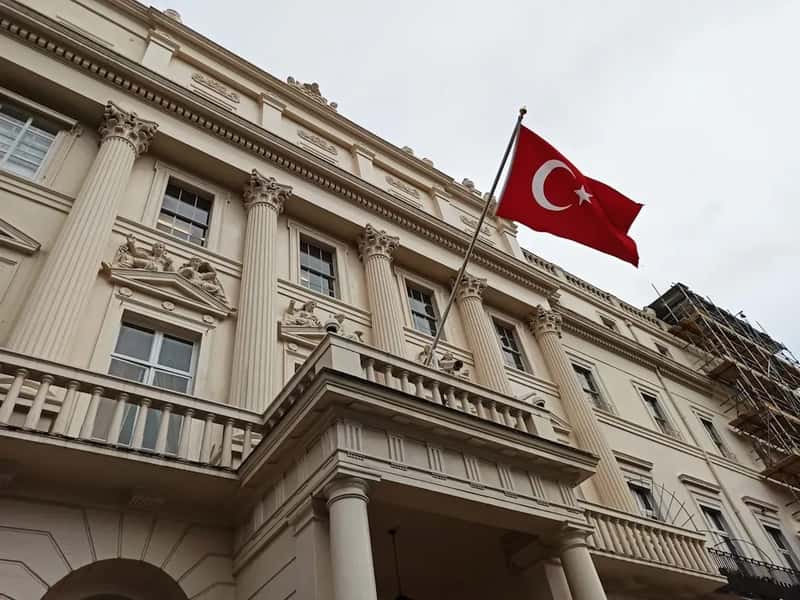
Perhaps the most striking backlash in Turkey has come not from tourists but from Turks themselves, furious over a pricing gap that seemed to favor foreign visitors over locals. Turkish hotels were reportedly charging Turks up to three times more than German tourists for the same all-inclusive resort vacations, with Germans booking beachfront stays in Alanya for as little as 115 dollars a night while the same room cost Turkish citizens 309 dollars per night. The disparity struck a nerve precisely because it flipped the usual overtourism complaint on its head.
The reaction was swift and public. The disparity sparked a backlash on social media and fueled criticism of the government for not enforcing equal pricing, as Turks saw themselves sidelined in their own country. Tourism operators have defended the practice as a way to secure stable foreign currency rather than the volatile lira, but for many ordinary Turkish families, the message landed as a simple insult: their own coastline had become something they could no longer afford to enjoy.
Political unrest adds another layer of unease

Turkey’s tourism troubles have not been purely economic. Unrest tied to domestic politics has occasionally spilled into the travel conversation in ways that make headlines abroad. A March 2025 advisory came in response to violent protests and unrest, particularly about the jailing of Istanbul’s mayor, which had fueled violence in over 55 provinces.
The combination of rising prices and political noise has pushed some travelers toward calmer alternatives. Stiffer prices, together with safety concerns, have seen the choice of destination shift for tourists, with many now turning to spots such as Greece and Cyprus. It is a reminder that backlash against a destination does not always come from residents protesting outside; sometimes it comes quietly, in the form of travelers simply booking somewhere else.
A common villain emerges: big business and privatized coastlines
Across all three countries, a pattern has started to take shape that goes beyond simple crowd complaints. Locals are increasingly pointing fingers not at individual tourists but at the companies profiting from the crush. All across Europe, locals are now fighting what The Guardian calls “the real villain of overtourism,” big business, in a bid to stop the privatization of large stretches of the European coastline.
This shift in target matters because it reframes the entire debate. Critics argue that overtourism is beginning to impede locals’ access to local infrastructure, with deregulated housing markets attracting tourists and investors with deep pockets at the expense of efforts to build better roads, schools and hospitals. The complaint is no longer just about crowded beaches; it is about who actually benefits when a coastline gets sold as a product.
Governments race to regulate before the backlash spreads further

Policymakers in all three countries have moved, though at different speeds and with different tools. Spain has focused heavily on housing and rentals, with plans already in motion to phase them out in key cities. Greece has leaned on pricing and hard caps at its most fragile island ports, an approach officials describe using the same language of balance and sustainability that shows up in almost every government statement on the subject.
Turkey’s response has been more reactive, aimed at repairing its price advantage and reputation rather than limiting visitor numbers, since its problem is arguably too few tourists in some markets rather than too many. Protests don’t repel travelers in the long term, but they can pressure governments to act, and that pressure is exactly what has produced the current wave of taxes, caps, and rental restrictions across the region. Whether these measures are enough, or merely symbolic gestures bought to quiet the loudest critics, remains an open question that another few summers of arrivals data will likely answer.
What this means for the future of Mediterranean travel
The backlash in Spain, Greece, and Turkey does not signal the end of Mediterranean tourism. It signals a renegotiation of its terms. Residents are not asking visitors to disappear; they are asking for a system where housing stays livable, water supplies hold up in August, and locals are not priced out of their own hometowns.
For travelers, the practical upshot is straightforward: expect more fees, more caps, and more visible reminders that a destination’s charm depends on people actually being able to live there. The countries that figure out how to balance those competing pressures will likely remain fixtures on every traveler’s list. The ones that do not may find that the crowds, eventually, start choosing somewhere else on their own.