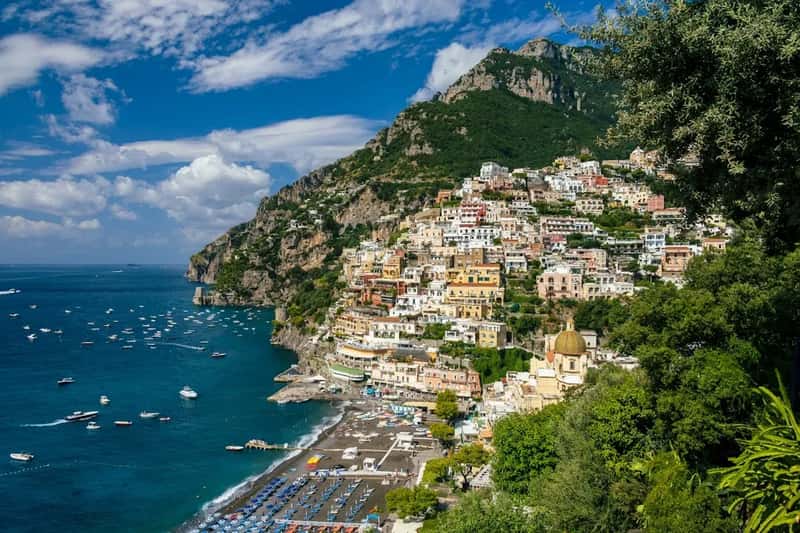
There was a time when the Amalfi Coast was genuinely magical. Pastel-coloured villages cascading down cliffsides into a shimmering blue sea, the scent of lemon groves drifting across terraces carved over centuries. People came here and were changed by it. Honestly, I understand why the legend grew so large.
The problem is the legend kept growing, and growing, and growing. Until it ate itself alive.
A Record-Breaking Crowd Nobody Actually Wanted
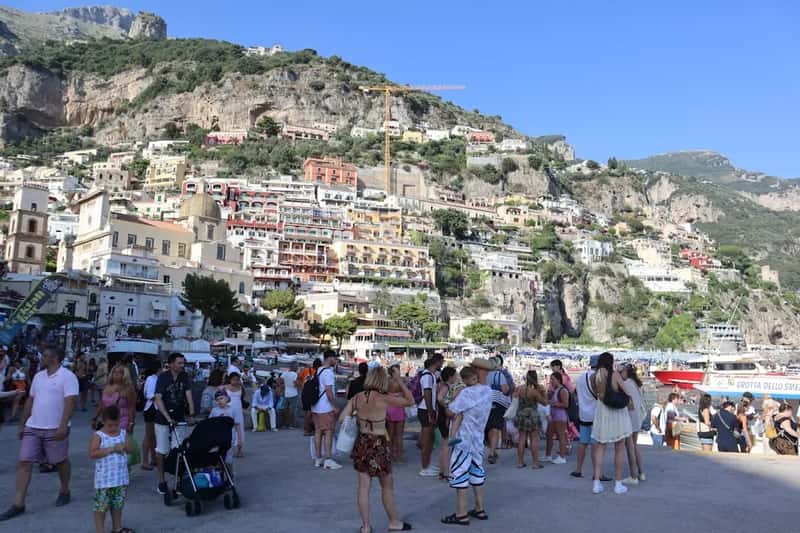
In 2024, the number of overnight stays on the Amalfi Coast exceeded 2.3 million, the highest figure ever reported. Let that number sink in for a moment. We’re talking about a coastline that stretches just 50 kilometres. This compact region is one that is very susceptible to overtourism, erosion, and climate change. It’s like trying to squeeze a music festival crowd into your backyard and wondering why the lawn is dead. That year, inbound tourists accounted for over three-quarters of overnight stays at this destination. The coast is no longer Italian in any meaningful sense during peak season.
The Road That Was Never Built for This
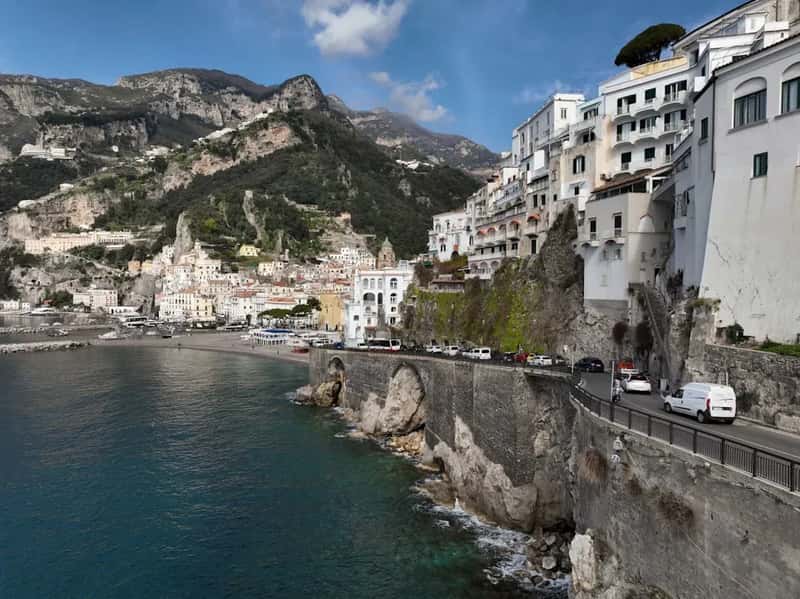
Amalfi’s roads get seriously busy in summer, and these are far from modern roads. It was Giuseppe Bonaparte, brother of Napoleon, who built the road between Naples and Amalfi in 1806. That’s right. The main road serving one of the world’s most visited coastlines was designed more than two centuries ago, for horses. Traffic from April to October is a nightmare. The SS163, the winding scenic route of the Divine Coast, is often gridlocked with a constant stream of cars, scooters, and buses. Imagine being a local trying to get your child to school through that. Every single morning. Tourists coming here can wait hours to reach their hotels in Positano when arriving from Naples.
Social Media Created This Monster

The Washington Post’s article pinpoints social media’s glittering veil as a major factor in the phenomenon. Instagram and TikTok overflow with idyllic images, golden beaches, al fresco cafés, and breathtaking sunsets. Here’s the thing: those images aren’t lies exactly, but they are absolutely incomplete. Search “Amalfi Coast” on TikTok and you will be bombarded with serene videos of pastel villages perched on cliffs. The fashionable people cruising around in vintage Fiats are not showing the harrowing crawl along SS163 or their futile attempts at finding a parking spot. Nobody posts a video of themselves waiting two and a half hours for a bus, though that is precisely what awaits you. Tourism is on the rise, up nearly nine per cent since 2019, and social media deserves no small part of the credit.
The Price Tag Is Now Legitimately Obscene
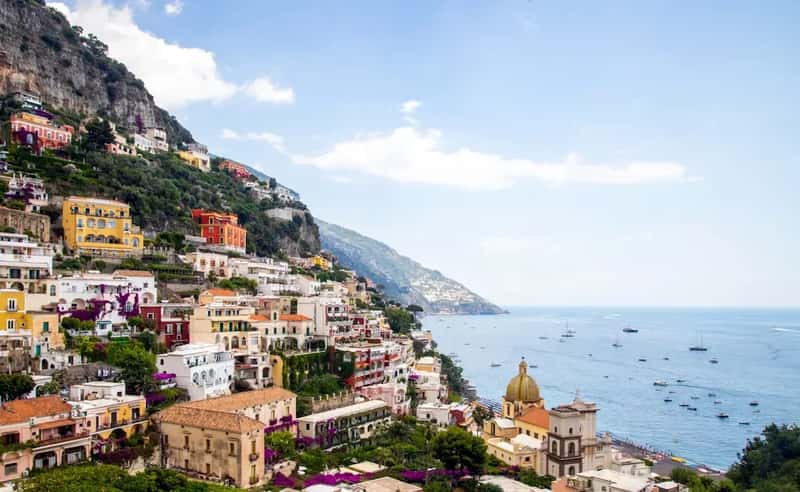
Let’s be real about the money side of this. Researcher Francesca Coppola, who works on overtourism at the University of Venice, notes that people arrive dreaming of crystalline beaches, but are instead met with endless traffic, accommodation in Positano that costs on average €500 a day, porters who charge €15 to climb 100 stairs with your luggage, and meals that can cost €150 per person. That’s not a holiday. That’s a hostage situation with better views. Meals in the Amalfi region run 20 to 50 euros per person or more, while equivalent coastal towns elsewhere in southern Italy cost a fraction of that. The coast has priced out not just budget travellers, but the actual definition of middle-class tourism entirely.
Locals Are Being Pushed Out of Their Own Homes
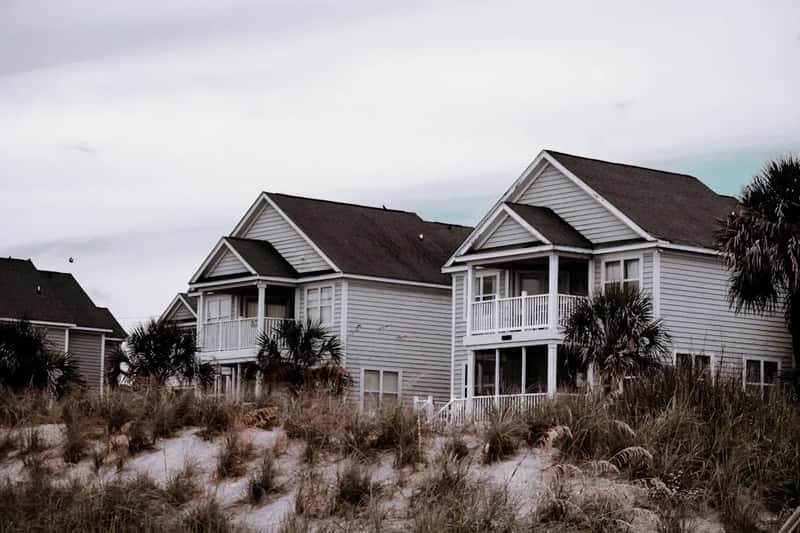
This one genuinely upsets me. Like many places suffering from overtourism, rents for residents on the Amalfi Coast have increased so dramatically that many people cannot afford to live in, or close to, places where they work or go to school. A very large part of this is due to the demand for holiday accommodation, which has a higher profit margin for owners. The Airbnb effect here mirrors what is happening across the entire Mediterranean. Local young people working in their family’s businesses note that it’s not possible for them to rent a house because they’re all Airbnbs. Locals complain that in their own home towns and cities, they can’t even go out for a morning coffee and hear Italian at their local coffee shop. It’s all English, and American English at that.
The Hiking Trails Have Become Dangerous Obstacle Courses
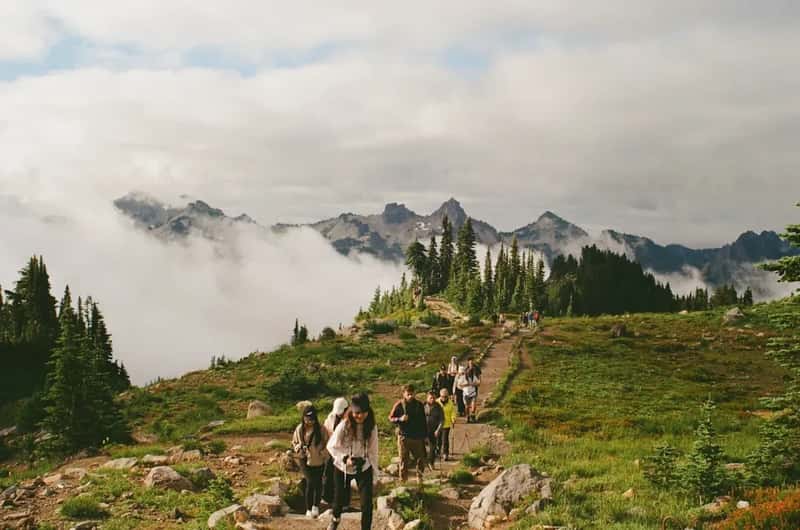
In summer, popular trails like the Path of the Gods and the Amalfi Lemon Trail have too many people on them. It can take hours to complete just a short distance, and tourists are not careful. Every year there are people falling from the cliffs while trying to take the perfect picture. That last sentence should be on every influencer’s caption, not a filter of the sunset. The shops lining Amalfi’s main street are becoming increasingly overcrowded, while Disney-like “Amalfi Lemon Experience” tours, offered on sites like Get Your Guide, present a manufactured stroll through the lemon groves that includes a set of posed photos next to giant citrus fruit. The authenticity that people came looking for has been replaced by a theme park version of itself. As one local guide put it: “Everything on the coast is geared to tourists these days. Locals can’t afford to spend time here any more.”
The Environmental Clock Is Ticking
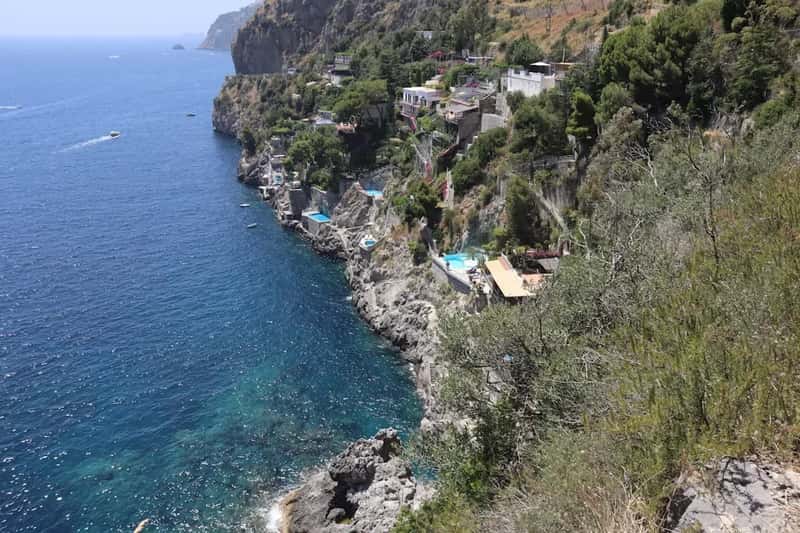
Many residents of the Amalfi Coast, 80 per cent of which is on mid to high level alert for landslides, simply trust they’ll be all right in case of a disaster. That is a staggering statistic that barely gets mentioned in travel guides. Geologists gave alarming assessments of the risk of landslides along the 30-mile stretch of coastline: 88 per cent for the village of Amalfi, 77 per cent for nearby Minori and 88 per cent for neighbouring Maiori. Italy’s most celebrated coastal destinations, including the Amalfi Coast, are facing a deepening environmental crisis as coastal erosion accelerates. These destinations, known for their pristine beaches and dramatic cliffs, are now under pressure from changing sea conditions and environmental stress. Tourism is literally walking over a landscape that is, in places, actively falling apart.
The Low Season Doesn’t Exist Anymore
Even in shoulder season, in October 2024, the crowds heaved around the town’s cathedral, lines snaked out of every gelato shop, and packed-out tour buses wheezed along the roads. Even at that time of year, local guides describe it as chaotically busy. The old advice to simply “go in September” no longer applies. At this point, the concept of “low season” no longer exists in Europe. Many towns, especially those with the highest concentration of tourism like Positano or Amalfi, effectively slow to a crawl from October to March, so visiting during the off-season isn’t much of a solution either. You’re either fighting the crowds or finding a ghost town. There is no sweet spot left.
The Infrastructure Was Never Designed to Cope
Overtourism isn’t just a problem of unmet expectations or expensive disappointments for travellers. In overtouristed places, local resources and infrastructure can’t meet the needs of people living there. As a result, the quality of life for local residents declines substantially. Basic needs like water, housing, and medical care are often difficult to access. It’s hard to say this any more plainly. Water scarcity, especially during the summer months, and the impact of over-tourism are pressing issues that require careful management. Italian bureaucracy has failed to come up with any real sustainable change, except for a bus system. Millions of visitors a year, and the grand solution is a bus. Think about that.
Where Do We Go From Here?
The Amalfi Coast is becoming a symbol of all that is wrong with travel. That is a brutal verdict from Lonely Planet, not exactly known for hot takes. Sustainable tourism expert Jonathon Day, associate professor at Purdue University’s School of Hospitality and Tourism Management, argues that the fault doesn’t lie with tourists. It should be the responsibility of local and national politics to develop a tourism management plan. The Amalfi Coast has the chance to reimagine its approach to tourism, focusing on attracting fewer but higher-spending visitors who can contribute to the local economy without overwhelming the region’s resources. Whether Italy’s political system can actually deliver that kind of change is, honestly, doubtful. The coast is still beautiful. It always will be. The question is whether the experience of being there will ever feel beautiful again.
What do you think? Is there still a way to save the Amalfi Coast, or has the damage already gone too far? Drop your thoughts in the comments below.