You check into your Airbnb, drop your bags on the floor, and take a deep breath of “fresh” air. Everything looks tidy. The beds are made, the counters are wiped, and there’s a nice little welcome note on the table. Feels great, right?
Here’s the thing, though. What your eyes see and what a microbiologist’s swab reveals are two very different stories. There’s a whole list of surfaces and items in short-term rentals that almost never get a proper clean, no matter how shiny the place looks or how steep the cleaning fee was.
So before you settle in and make yourself at home, let’s talk about the nine items you should absolutely think twice about touching. Let’s dive in.
1. The TV Remote Control
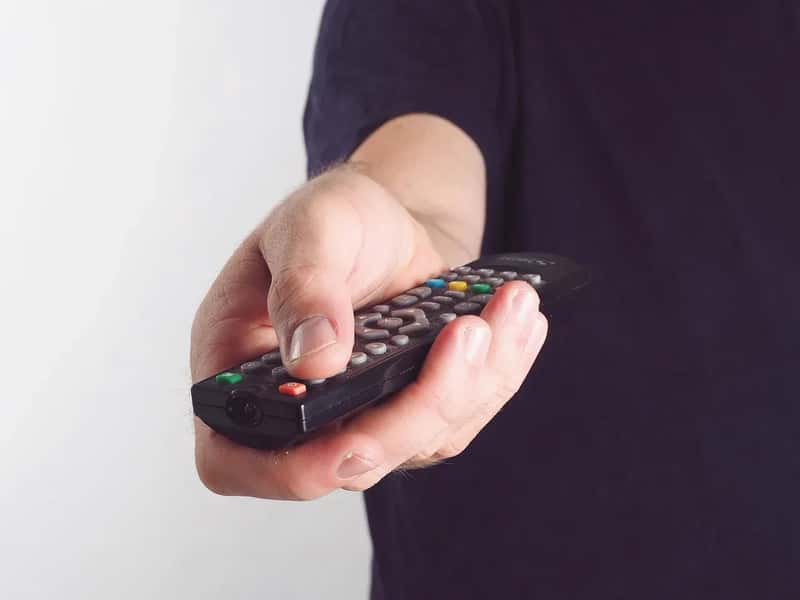
Honestly, this one should surprise nobody at this point, yet here we are. Studies examining surfaces in rental accommodations have found television remotes to be among the most heavily contaminated objects with bacteria, alongside toilet seats and bathroom sinks. Think about it: every single guest who stays at an Airbnb reaches for that remote within minutes of arrival, usually before washing their hands after a flight.
TV remotes have racked up a mean of 67.6 colony-forming units of bacteria per cubic centimeter squared, while one study of environmental cleanliness in hospitals recommended a top limit of just 5 CFU per cubic centimeter squared. That’s a staggering difference. By examining separate bacterial strains, researchers distinguished that bacillus spp, a pathogen associated with respiratory and gastrointestinal infections, is commonly found on remote controls. Your best move? Wipe it down with an antibacterial wipe before use, or slip it inside a clear plastic bag. It sounds extreme until you think about the numbers.
2. The Comforter or Duvet Insert
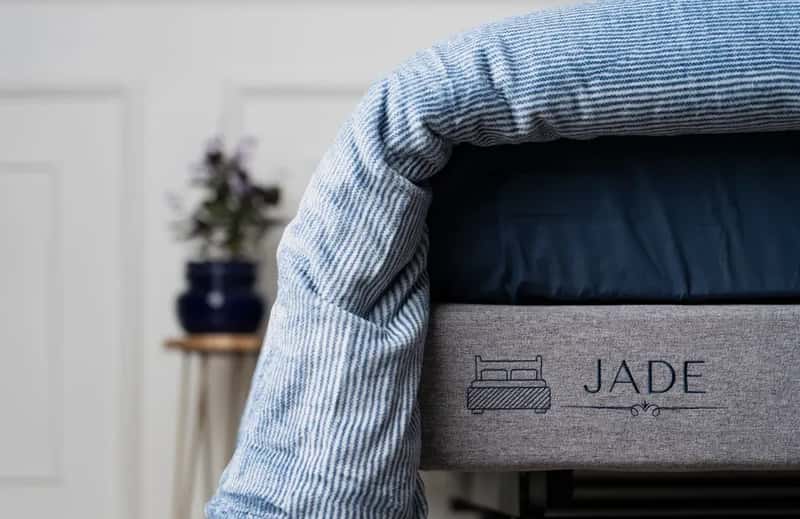
That cozy, fluffy comforter on the bed might look inviting, but it carries a surprisingly murky cleaning history. Among 252 hotel and Airbnb employees surveyed in one study, 40% of housekeepers believed guest rooms are not cleaned satisfactorily, and more than one in four admitted bedspreads aren’t always washed between guest stays. That figure is remarkably candid and more than a little unsettling.
Washing comforters and blankets as often as possible is considered good practice, but it can be time-consuming when turning over a unit with limited time between guests. The tight window between one guest checking out and another checking in is often only a few hours. Many hosts wash blankets, comforters, and duvet covers every two to three weeks or after a long stay, while others wash them after every guest. So statistically, there’s a real chance that comforter has covered multiple strangers before it covered you. Tuck it at the foot of the bed and use the sheets instead.
3. The Nightstand
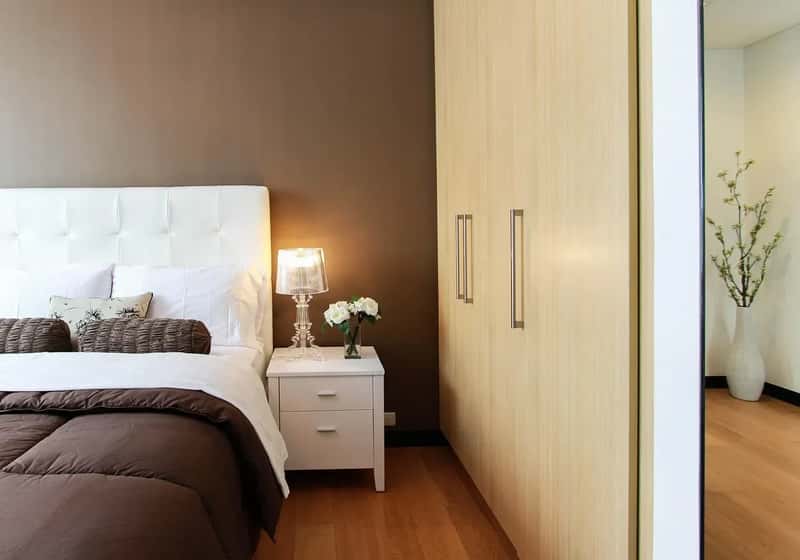
The nightstand is one of those objects that gets a surface wipe if you’re lucky, but rarely receives any serious disinfecting attention. Nightstands at both Airbnbs and hotels tested in one study were the dirtiest items on the list, even dirtier than a school water fountain spigot and a kitchen sink. Even mattresses in Airbnbs, which were by far some of the cleanest items tested, were still twice as dirty as a household toilet seat.
All of the headboards tested positive for strains of bacteria harmful to humans, including gram-negative rods and gram-positive cocci. Gram-negative bacteria are one of the most troubling types because they can cause pneumonia and are resistant to multiple drugs. All but one nightstand also contained bacteria harmful to humans. People put their phones on the nightstand, their glasses, their snacks, their medications. It becomes a catch-all surface that almost nobody thinks to actually clean. Wipe it down before you set anything personal on it.
4. The Coffee Maker
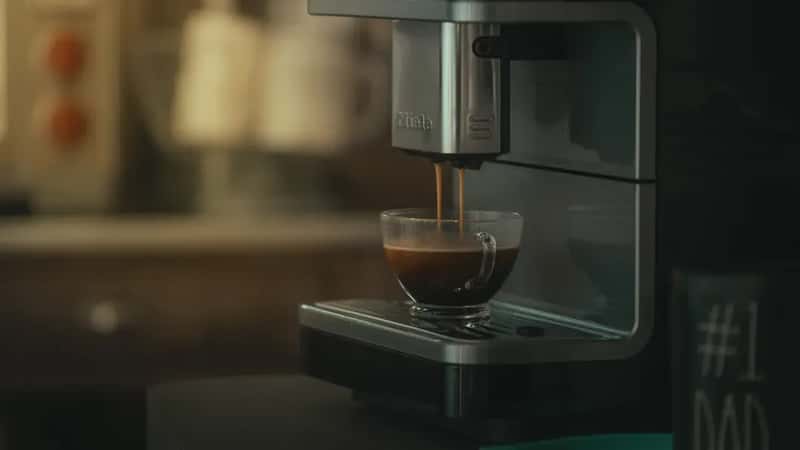
That cute little coffee machine in the kitchen corner of your Airbnb looks like a morning gift. It is, in a sense, just not the kind of gift you want. Even if the coffee machine looks clean to the naked eye, microscopic germs and bacteria are likely lurking inside, because bacteria thrives in dark, moist environments, making the coffee machine a highly hospitable environment for growth.
A 2011 study published by independent public health organization NSF International found that coliform bacteria, the family that E. coli belongs to, was more present in a coffee maker reservoir than on a toilet seat, microwave handle, or a cell phone. Let that sink in for a second. Research has shown that communal coffee machines can contain dozens of individual strains of potentially harmful bacteria, some of which have been linked to medical conditions such as pneumonia and urinary tract infections. They can also contain mold, yeast, and staph. Running the machine a few times with plain water before brewing is the bare minimum. Honestly, the local café down the street sounds better every time.
5. The Kitchen Sponge and Dish Cloths
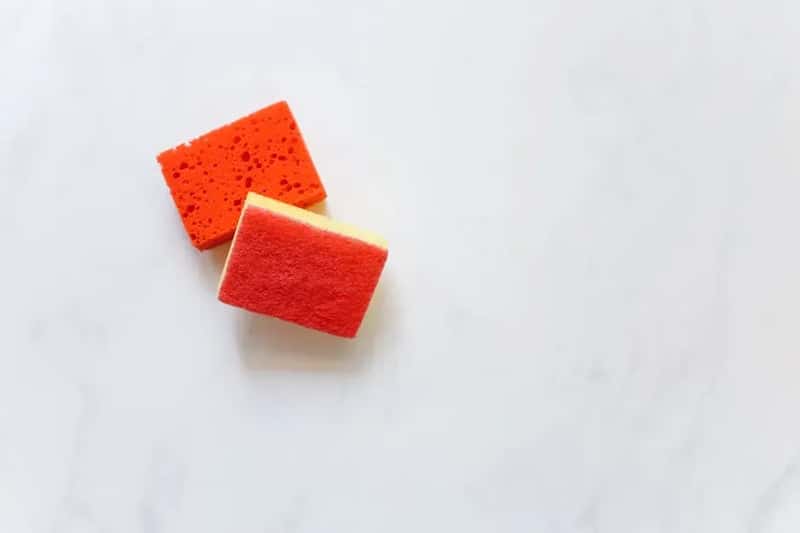
Walk into most Airbnb kitchens and you’ll find a sponge sitting by the sink, looking like it’s been there through several presidential elections. It probably has. A study by NSF International found that dish sponges and rags were among the germiest items in a kitchen environment, even outranking coffee makers and kitchen sinks. And unlike at a hotel, there’s no daily housekeeping team cycling these items out.
The problem is that hosts usually replace sponges only when they’re obviously falling apart, not when they’re biologically compromised. The warm, damp environment of a kitchen sponge is essentially a five-star resort for bacteria. Think of it this way: a sponge is basically a tiny porous city where billions of microorganisms live and multiply between every single use. NSF analyses look for four types of microorganisms linked to foodborne illness: E. coli, salmonella, yeast and mold, and listeria, and the presence of these items in the kitchen is considered a genuine health risk. Bringing your own small travel sponge or using paper towels is a smart move for any stay longer than a night or two.
6. The Light Switches
Light switches are touched dozens of times a day, often in the dark, often with hands that haven’t been washed yet. Nobody ever thinks to wipe them down. Top hotspots for aerobic bacteria in rental accommodations turned out to include the main light switches prominently, right alongside TV remotes and bathroom sinks. It’s one of those surfaces that visually never looks dirty, so it’s almost never cleaned.
The main light switches in hotel and rental rooms were found to carry a mean of 112.7 colony-forming units of aerobic bacteria per cubic centimeter squared. That’s actually higher than the infamous TV remote. Nobody is talking enough about light switches, and that’s exactly the problem. Sanitizing, which uses chemicals to reduce bacteria on surfaces such as doorknobs and TV remotes, is a recommended part of proper Airbnb cleaning protocol, but in practice, quick turnovers mean these smaller touch points get skipped. Grab a disinfectant wipe and hit every switch in the place when you first arrive.
7. The Throw Pillows and Decorative Cushions
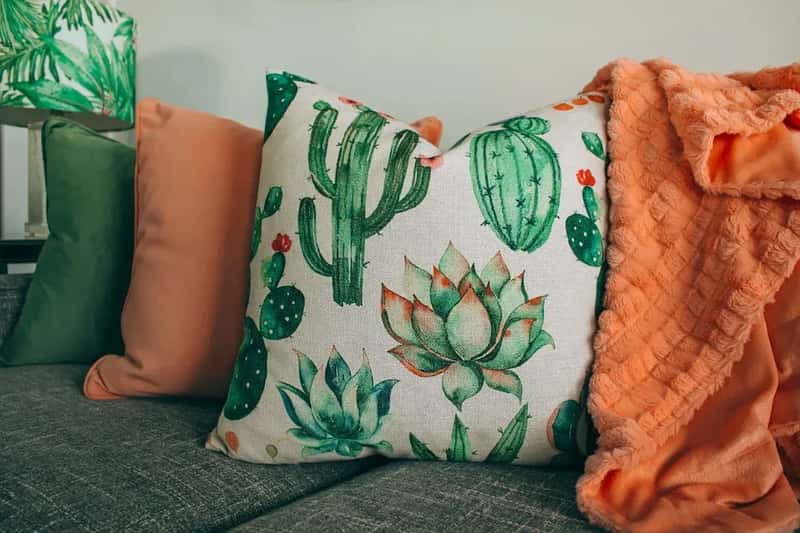
Those perfectly arranged throw pillows on the couch or bed look adorable in the listing photos. They’re also among the least-cleaned objects in the entire property. Decorative cushions rarely have removable, washable covers, which means the actual fabric is absorbing everything from skin oils to pet dander to the breath of dozens of previous guests. I know it sounds dramatic, but it really isn’t.
Whoever has stayed in your room prior to you will have deposited bacteria, fungi, and viruses all over the furniture, carpets, curtains, and surfaces. Throw pillows sit in that exact category. As one experienced Airbnb host community discussion acknowledged, couch shams and throw pillows are the items it’s probably hardest to keep on top of between guest stays. They get fluffed and repositioned during the cleaning turnover, but rarely actually washed. Moving them off the bed entirely before sleep is a small act of hygiene that costs you nothing.
8. The Shower Curtain and Liner
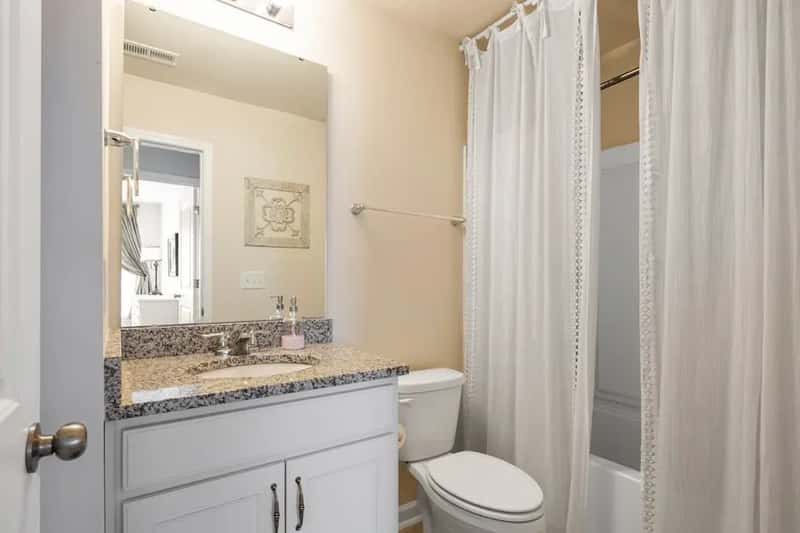
The shower gets scrubbed. The tiles get wiped. The faucet gets a polish. The shower curtain? It just hangs there, collecting moisture and growing mold in every fold, quietly ignored during virtually every cleaning session. Hosts and guests alike have noted the surprising buildup of dirty soap suds and grime in shower areas, particularly around hard-to-reach zones, prompting some to urge closer inspection during cleaning.
Shower curtain liners in particular are notorious breeding grounds for mold, mildew, and soap scum. They’re bulky, awkward to clean, and typically aren’t on any quick-turnover checklist. Bathroom door handles and surfaces near the shower may also be colonized by pathogens from unwashed hands or dirty washcloths. The problem compounds with every new guest who takes a steamy shower and then bunches the curtain to one side, trapping moisture inside. A visual check before using the bathroom is always worth it. If the liner looks pink or spotted, that’s mold, and it’s better to know upfront.
9. The Mattress Itself
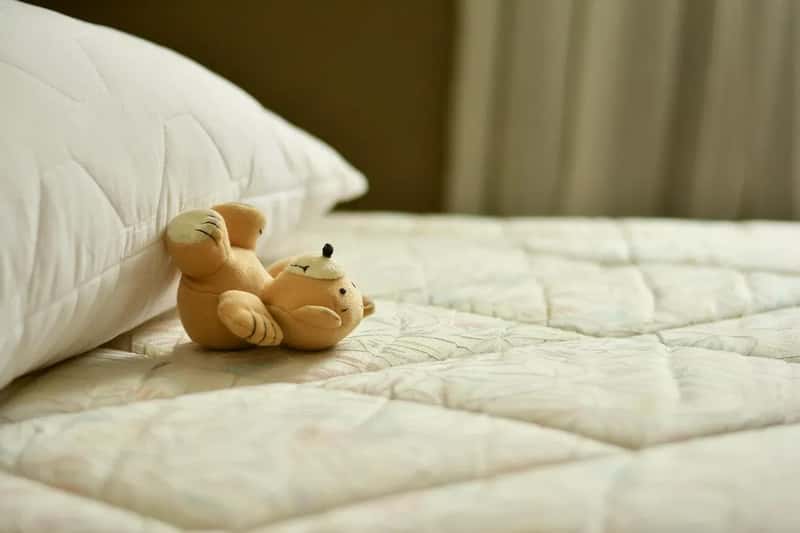
The sheets get changed. The mattress underneath, however, is usually just left as-is between guest stays. No flipping, no deep sanitizing, no treatment for potential allergens or pests. The bed, sheets, and pillows can be home to unwanted visitors, and a 2020 study found that after a pre-symptomatic patient occupied a room there was significant contamination of many surfaces, with bedspreads and mattresses becoming invisible reservoirs for pathogens. It’s easy to forget how much happens on a mattress during even a short stay.
Beyond bacteria and viruses, there are also bedbugs to consider, which are expert at hiding in narrow, small spaces and can remain dormant without feeding for months. These spaces include the cracks and crevices of luggage, mattresses, and bedding. A mattress typically lasts about six to eight years, and it’s important to regularly check the condition of any Airbnb mattress. That means one mattress may have hosted hundreds of guests before you. Pulling back the fitted sheet to check for stains or signs of pests takes thirty seconds and could save you a very unpleasant week. It’s a small habit with a big payoff.
A Final Thought Before Your Next Stay
None of this is meant to send you into a spiral of travel anxiety. Most Airbnb stays are perfectly fine, and plenty of hosts are genuinely meticulous about cleanliness. In the world of Airbnb, cleanliness is more than just a chore. It’s a pivotal factor that can make or break the hosting experience. The best hosts know this deeply.
Still, the gap between “visually clean” and “microbiologically clean” is real and well-documented. The current validation method for rental room cleanliness is largely a visual assessment, which has been shown to be ineffective in measuring actual levels of sanitation. A few antibacterial wipes in your travel bag, a quick check of the mattress and curtains on arrival, and a personal rule about the remote control will take you far. The goal isn’t paranoia. It’s just smart traveling.
What do you think – did any of these surprise you, or were you already quietly suspicious of that couch cushion? Tell us in the comments.