Spain welcomed an all-time high of 96.8 million international tourists in 2025.[1] With that many visitors, you’d expect every waiter, shop assistant and taxi driver to have English ready. Often they do, especially in big resorts and city centers. Still, plenty of everyday moments happen in Spanish.
The good news is that you don’t need fluency. A small handful of phrases, said with a smile, tends to change how a trip feels. Here are eight worth practicing on the flight.
Buenos Días, Buenas Tardes, and the Friendly Short Version

Greetings matter more in Spain than many visitors expect. Walk into a small shop, a bakery or a hotel lobby, and a quick buenos días (good morning) sets the tone. After lunch, switch to buenas tardes, and later in the evening it becomes buenas noches.
Locals often shorten all of these to a simple buenas, which works at almost any hour. It’s casual but polite, and you’ll hear it in cafés and corner stores constantly. Copy it once and it starts to feel natural.
Por Favor and Gracias, Your Two Workhorses
Por favor (please) and gracias (thank you) are the easiest words to learn and the hardest to overuse. They soften every request, from asking for a menu to asking for directions. If you learn nothing else, these two carry a surprising amount of goodwill.
For extra warmth, try muchas gracias (thank you very much). The reply you’ll hear most often is de nada, meaning you’re welcome. Spanish is also a huge language, and the Instituto Cervantes counts more than 500 million native speakers in 2025, about 520 million in total.[2] These basic courtesies work in most of those places, not just Spain.
Perdón and Disculpe for Crowded Places
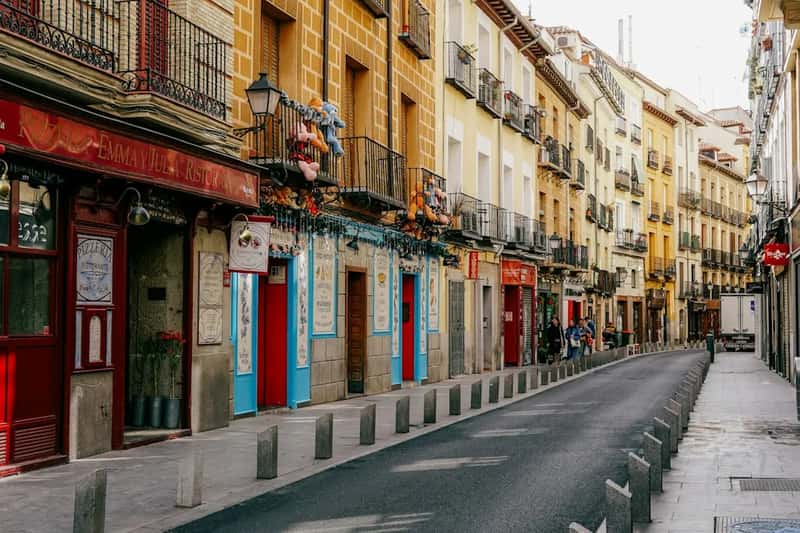
Spain’s popular streets, markets and metro cars fill up fast, especially in summer. Perdón works when you bump into someone or need to squeeze past. Disculpe is slightly more formal and suits getting a stranger’s or a server’s attention.
Both are useful, and neither takes practice. Use perdón for small collisions and disculpe when you’re starting a question. Say either one with a light tone and people usually respond kindly.
¿Habla Inglés? Asking Before You Assume
This question, meaning “do you speak English?”, is more gracious than launching straight into English. It signals that you know you’re a guest. Most people answer with a smile, and many will happily switch languages or find a colleague who can.
The reality varies by place. Tourist heavy areas are usually easier for English speakers, and the numbers show how concentrated visitors are. Catalonia led all regions in 2025 with nearly 20.1 million tourists, followed by the Balearic Islands and the Canary Islands at about 15.7 million each.[1] Smaller towns and rural areas are a different story, so this phrase earns its keep there.
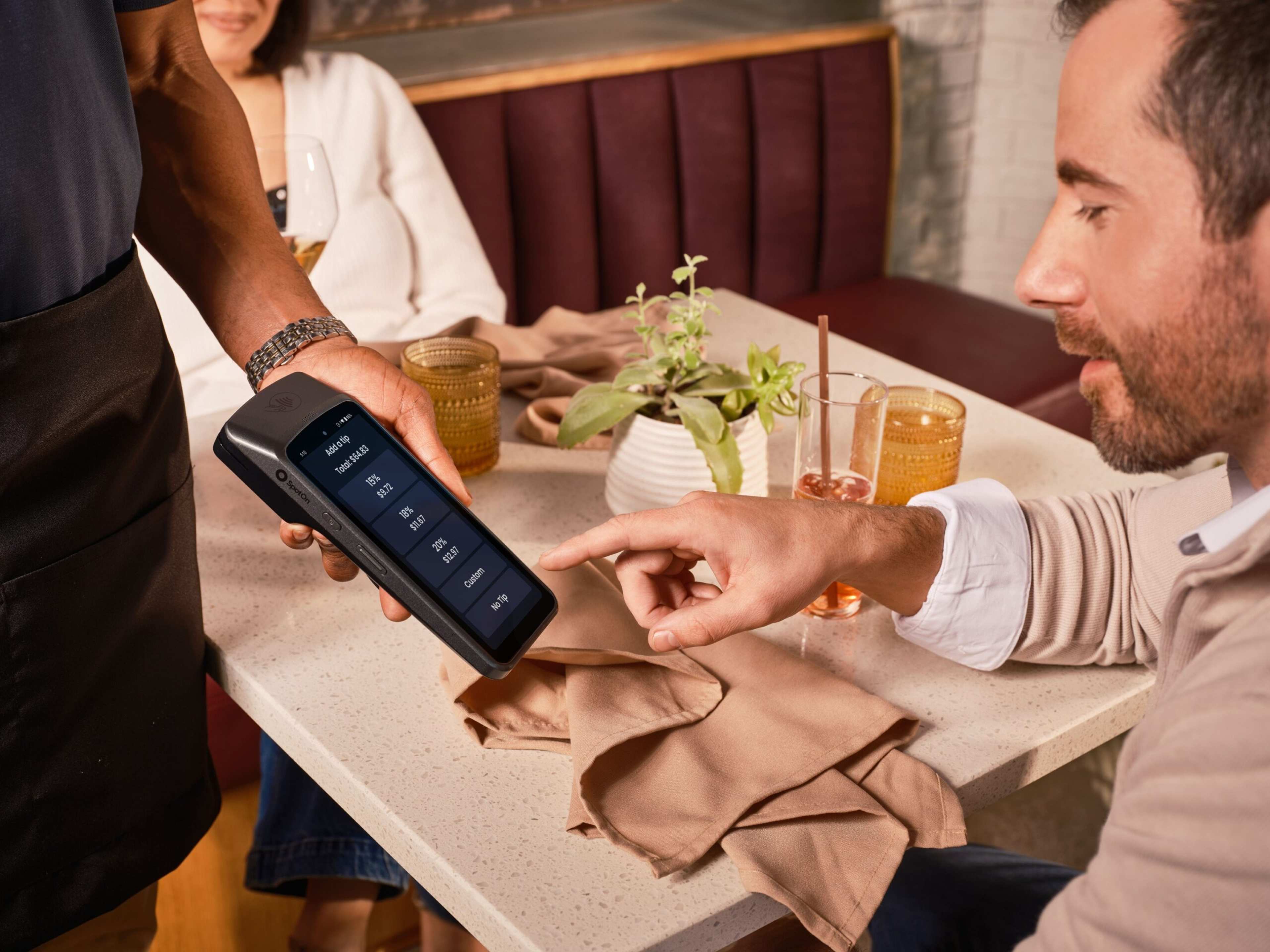
La Cuenta, Por Favor for Settling Up
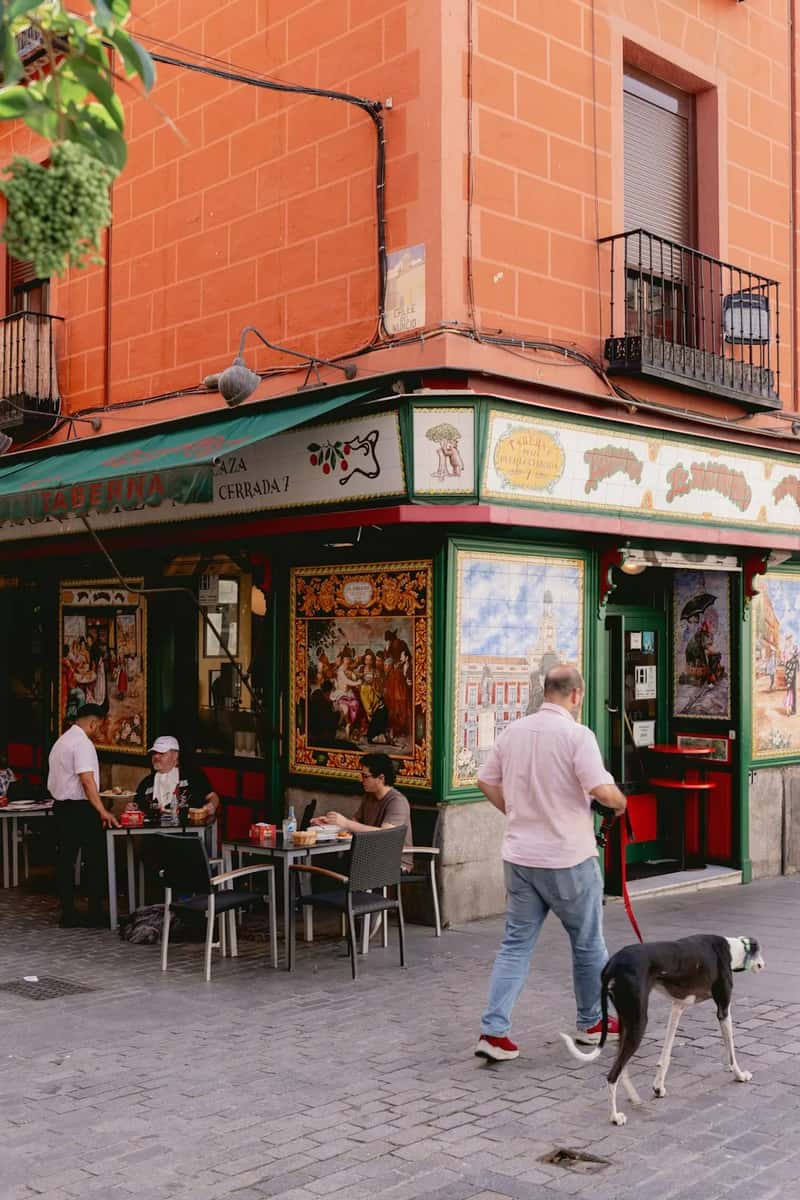
In many Spanish restaurants, the check doesn’t arrive until you ask for it. Waiters generally don’t rush you, and bringing the bill early can be seen as hurrying you out. So when you’re ready to go, catch someone’s eye and say la cuenta, por favor (the check, please).
Once you know it, meals feel more relaxed. You can linger over coffee without wondering if you’ve been forgotten. It’s a small phrase that fits Spain’s slower dining rhythm.
¿Dónde Está…? for Finding Your Way
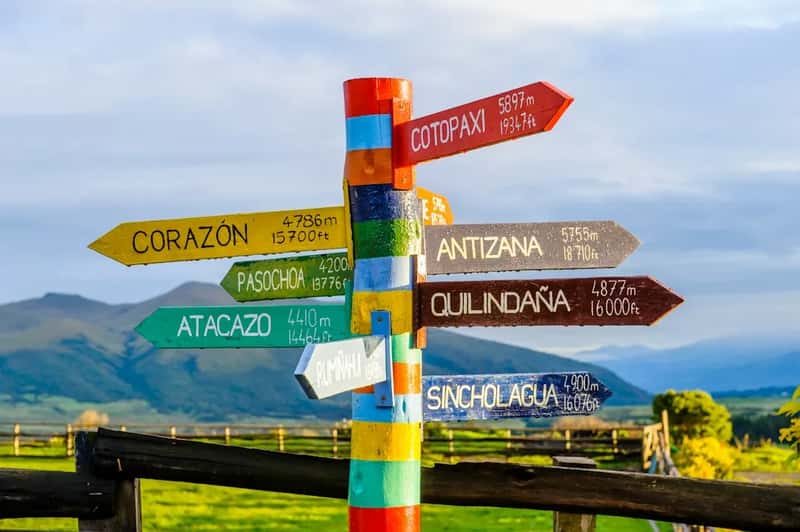
¿Dónde está…? means “where is…?”, and you finish it with whatever you’re hunting for. Try ¿Dónde está el baño? for the restroom, ¿Dónde está la estación? for the station, or ¿Dónde está el museo? for the museum. Add a disculpe at the front and you sound polite too.
Phone maps are great, but batteries die and signals drop in old, narrow streets. Asking a person often gets you a quicker answer and a useful tip about the neighborhood. Listen for derecha (right), izquierda (left) and todo recto (straight ahead).
No Entiendo and Más Despacio, Por Favor
Sooner or later, someone will answer you in fast, fluent Spanish. No entiendo (I don’t understand) is honest and perfectly acceptable. Pair it with más despacio, por favor (more slowly, please) and most people will adjust their pace.
Don’t be embarrassed about needing this. Spanish is spoken widely and quickly, and the language keeps growing. Potential speakers rose by 30 million in 2025 to roughly 635 million, according to the Instituto Cervantes.[3] Plenty of those people are learners too, so you’re in good company.
Me Pone… for Ordering Like a Local
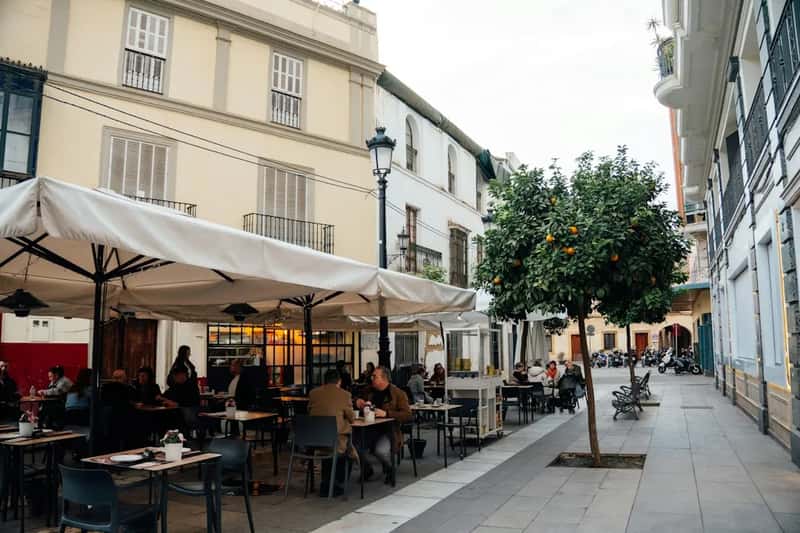
In bars and cafés across Spain, me pone… or ¿me pones…? is a natural way to order, roughly “could you give me…”. For example, me pone un café con leche, por favor gets you a coffee with milk. A more careful alternative is quisiera… (I would like…), which sounds a little more formal.
Both work, so pick whichever feels comfortable. Point at what you want if you get stuck, then finish with gracias. Menus in tourist areas are often translated, though a bit of Spanish helps at places with a chalkboard or a handwritten list.
Saying It Right: Quick Pronunciation Notes
Spanish is more phonetic than English, which helps. The letter h is silent, so hola sounds like “OH-la”. The j is a breathy sound from the throat, and the double ll is usually pronounced like a “y”.
Vowels stay short and steady: a, e, i, o and u. In much of northern and central Spain, c before e or i, and z, sound like the “th” in “think”. Catalonia and the Balearic Islands also have Catalan as an official language, so you may see signs and hear greetings that differ from standard Spanish. Locals appreciate the effort in either case, and Spain received 11.5 million international tourists in July 2026 alone,[4] so they’ve heard every accent.