There’s a quiet strategy spreading through the travel community, and it has nothing to do with loyalty programs or flight hacks. It’s called the “empty suitcase” rule – the deliberate choice to pack as light as humanly possible before passing through certain airports. The reasoning is surprisingly practical. In 2024, U.S. airlines alone amassed a staggering $7.27 billion in baggage fees, and that number keeps climbing. Add complex security enforcement, a global mishandled luggage crisis, and increasingly strict weight rules, and the case for carrying less becomes almost impossible to ignore. These five airports make that case louder than anywhere else on earth.
1. Los Angeles International Airport (LAX) – Where Overweight Bags Cost a Fortune
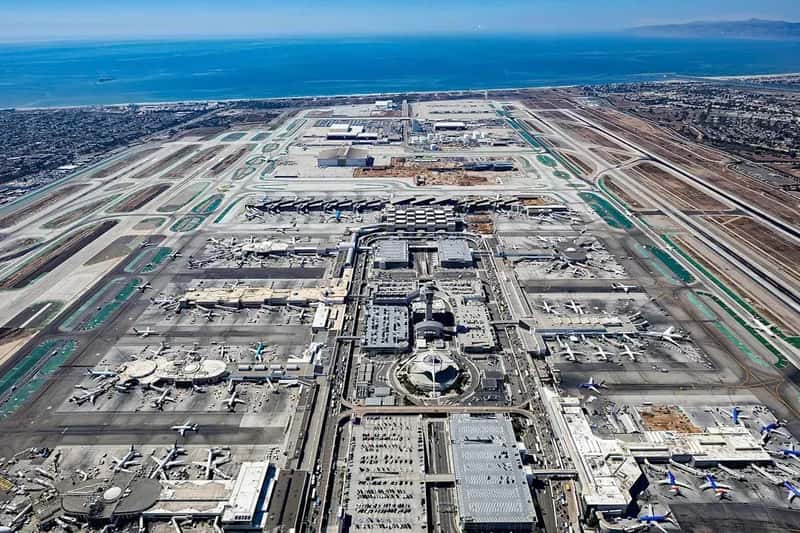
LAX handles approximately 65,000 bags daily, with peak days exceeding 85,000 bags during holiday seasons. The airport reports that roughly 15% of travelers experience baggage-related issues, primarily due to non-compliance with size and weight restrictions. That statistic alone should give any traveler pause before loading up a suitcase. For overweight bags, passengers pay an extra $100 if the bag weighs 51 to 70 pounds, and between $200 and $400 for bags weighing 71 to 100 pounds on domestic or select international routes.
LAX enforces strict carry-on luggage regulations in line with TSA guidelines to ensure efficient security screening, and airport staff are particularly strict about the “one bag plus one personal item” rule. During December, LAX experiences roughly 40% higher carry-on volume, making efficient packing and bag-checking a meaningful way to speed up security. Frequent flyers who’ve passed through LAX during peak season know the chaos at checkpoints firsthand – a half-empty bag moves you through the terminal far faster than a stuffed one.
2. New York JFK – Unpredictable Enforcement and High Stakes Security
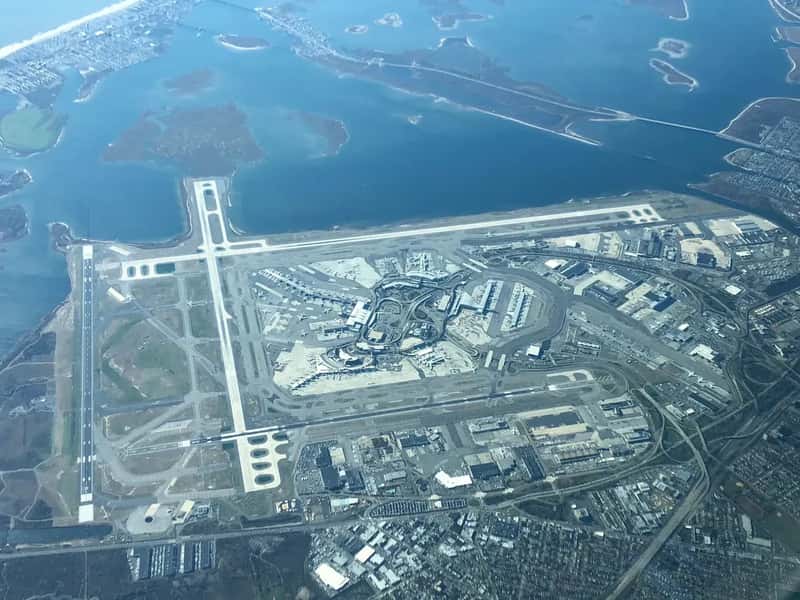
Millions of travelers still strip laptops and liquids out daily at airports like New York JFK, with security officers enforcing the TSA’s 3-1-1 rule – 3.4 ounces per container, packed into a quart-sized bag. What makes JFK particularly challenging is the inconsistency across its many terminals. At JFK, some travelers report passing through Terminal 4 with full-size toiletries with no questions asked, while two weeks later at the same airport in Terminal 1, everything was confiscated – because only certain checkpoints have newer CT scanner exemptions, and there’s no way for passengers to know which ones in advance.
For years, travelers used oversized backpacks and totes as “personal items” to avoid baggage fees, but in 2026, airlines are cracking down on this practice. A personal item that is obviously oversized will get flagged, and gate fees ranging from $35 to $65 are actually higher than checking bags at the ticket counter. JFK’s heavy international traffic, multi-terminal structure, and active enforcement culture make it one of the airports where smart packing pays off most directly – both at the gate and at the check-in counter.
3. London Heathrow (LHR) – Europe’s Strictest and Most Scrutinized Hub
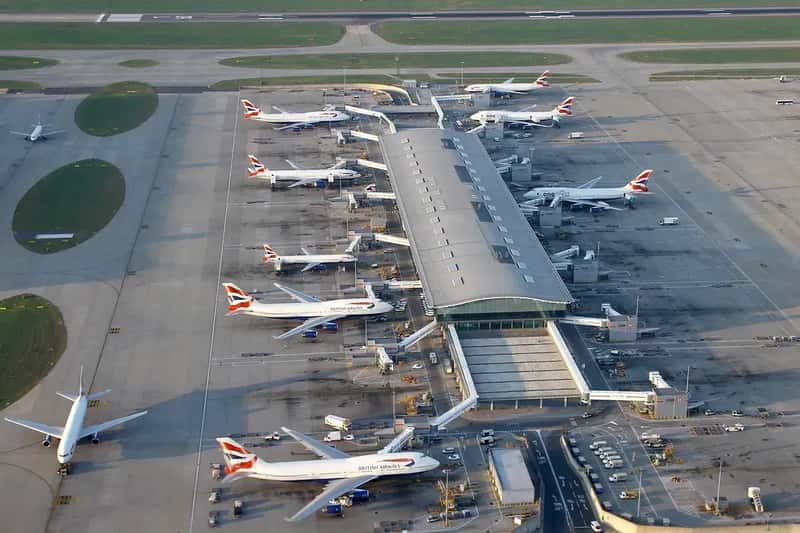
The usual suspects for strict enforcement in Europe are in Britain, namely London Heathrow. In mainland Europe, enforcement varies, but Frankfurt and Paris are also known for firm application of the rules. Heathrow made headlines recently for an update to its liquids rules, but the situation for travelers connecting onward is more nuanced than the headlines suggest. If departing from Heathrow, you can carry larger liquids through security there – but if you’re returning to the U.S. or connecting through airports that still enforce the 100ml limit, you should pack as if the stricter rule applies.
Such high travel standards necessitate stringent and total compliance with rules on the part of travelers. From the type of baggage you carry, to electronic equipment rules, to medicines – everything has to be double-checked before entering the airport, or you may face delays, penalties, confiscation, or detention. British Airways, as one of the country’s largest carriers, has faced challenges with luggage handling, particularly during peak travel seasons and at congested hubs like Heathrow. With that in mind, keeping bags light and carry-on compliant isn’t just about saving money – it’s about keeping full control of your belongings throughout the journey.
4. Frankfurt Airport (FRA) – The Airport That Reversed Its Own Relaxed Rules
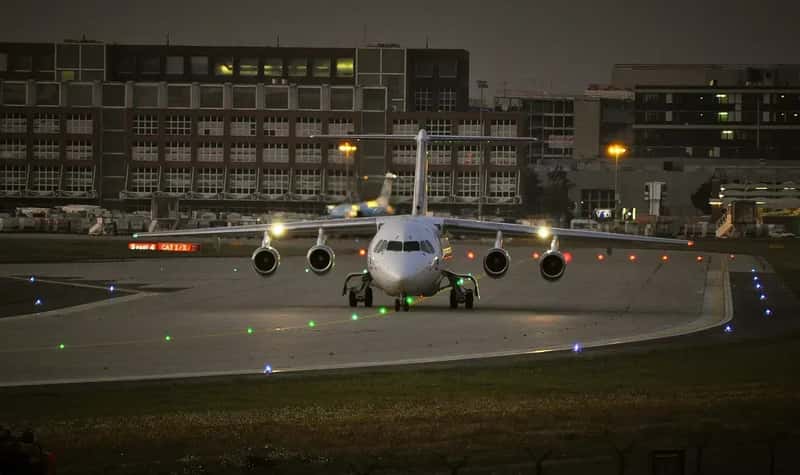
Starting September 1, 2024, restrictions on the amounts of liquids that may be transported in carry-on luggage were reapplied at all passenger security checkpoints at Frankfurt Airport. Only liquids in containers no larger than 100 milliliters may be taken through, placed inside a re-closable plastic bag with a maximum capacity of one liter. The reason for this return to previous restrictions is a change in European law that also affects already-installed CT scanners at the airport. That’s a remarkable development – Frankfurt had invested in advanced scanning technology, yet still had to roll back its more passenger-friendly policy.
The checkpoints equipped with CT technology will continue to benefit passengers because electronic devices and allowed amounts of liquids, aerosols, and gels do not have to be removed from the carry-on luggage – but only at those specific lanes. Excess or overweight baggage fees generally range from $30 to $200 per bag, and it is important to review policies for the airline and route before travel to avoid unexpected fees. Frankfurt is a major transfer hub for intercontinental routes, meaning many passengers face back-to-back security checks under different rules – yet another reason why a lighter bag simply removes the stress.
5. Dubai International Airport (DXB) – Strict Rules, Steep Penalties, Zero Tolerance
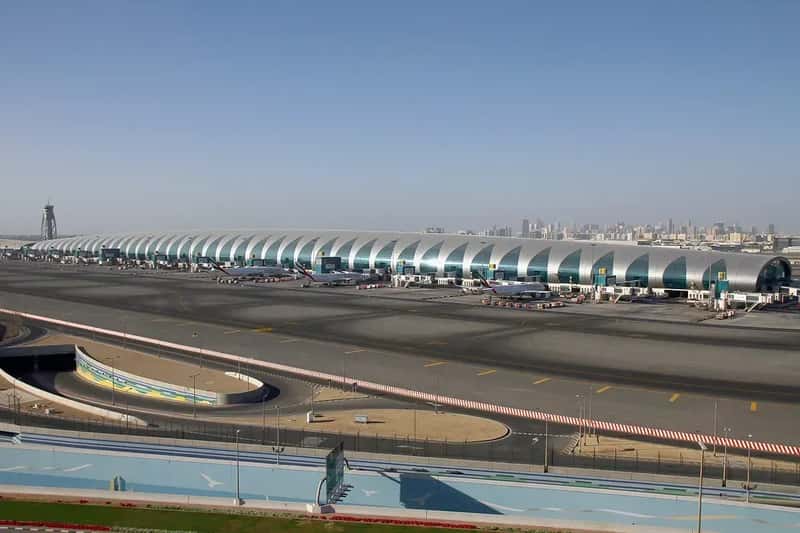
When traveling to the UAE, knowing baggage policies in advance is going to save you trouble. The UAE has strict rules for carry-on bags and checked bags, with objectives covering both flight security and expedited security checks. Cabin bags should not exceed 7 kg in weight, while checked bags should not exceed 20 to 30 kg in most cases, and extra baggage is charged very heavily. Dubai is a dream destination and one of the world’s busiest aviation hubs – but it runs on precision, and that extends fully to what you bring through its terminals.
UAE airport customs maintain public health and security standards that must be obeyed by all travelers. Only limited amounts such as 400 cigarettes, perfumes, and souvenirs can be brought in without declaration, and commercial goods or quantities beyond these thresholds must be declared through customs. The financial consequences of overpacking at Dubai are compounded by the fact that baggage mishandling cost the global aviation industry an estimated $5 billion in 2024, and transfer-heavy hubs like DXB are where the majority of those incidents concentrate. Transfer bags have historically accounted for the majority of mishandled baggage in the air travel industry, and most of the luggage is displaced during transfers – with international transfers representing the biggest risk. Packing light at Dubai isn’t paranoia. It’s arithmetic.
The Bigger Picture: Why Baggage Fees and Mishandling Are Getting Worse
U.S. airlines earned a record $7.27 billion from baggage fees in 2024, with American at $1.5 billion, United at $1.33 billion, and Delta at $1.06 billion leading the revenue rankings. Most major U.S. airlines raised their checked baggage fees in 2025 and planned to increase them again in 2026. The pressure on passengers is real and measurable. If you’re flying with family or need to check more than one bag, these costs can add up quickly – for example, a family of four checking one bag each could pay $140 just for luggage on a round-trip flight.
According to SITA’s 2024 Baggage IT Insights report, the rate of mishandled baggage fell to 6.3 per 1,000 passengers in 2024, an improvement from 2023 – marking a 67% drop compared to 2007, when rates were more than three times higher. Progress is real, but the volume tells a different story. SITA’s annual report identified 33.4 million mishandled bags across 2024, down from 36.7 million the year before. Delayed bags remain the most common issue, accounting for 74% of mishandled baggage, while lost or stolen bags made up 8%, and damaged or pilfered bags increased to 18%, up from 15% in 2023. In a landscape where fees are climbing and bags are still going missing by the tens of millions, the travelers boarding with a single well-packed carry-on are quietly winning the airport game.