Remember when your dollar could actually get you somewhere? When a hundred-dollar bill felt like it had real weight in your wallet, and you could book a trip abroad without calculating exchange rates like a Wall Street trader? Those days might feel like ancient history, especially if you’ve been watching European prices climb faster than a mountain goat. Here’s the thing, though. While traditional hotspots have gotten pricier, there’s a quiet revolution happening in travel right now. Some destinations have become unexpectedly affordable for American travelers, places where your dollar stretches in ways that’ll remind you of the good old days before everything got so expensive.
Let’s be real about this. The euro has been doing a wild dance against the dollar lately, and it’s not always in our favor. In 2025, the euro strengthened significantly against the U.S. dollar, up roughly 8.49% since the start of the year, which means those dreamy European vacations just got a bit more painful for the wallet. The travel landscape has shifted beneath our feet. Yet if you know where to look, there are still places that deliver that magical combination of culture, adventure, and affordability that used to define international travel.
So let’s dive in and explore five remarkable countries where your American dollars still pack the purchasing power they had back in 2019, giving you more bang for your buck than you might expect.
Turkey: Where East Meets West and Your Wallet Breathes Easy

Turkey stands out as perhaps the most dramatic bargain on this list. Over the past month, the Turkish Lira has weakened 1.28%, and is down by 21.11% over the last 12 months, creating an environment where American travelers can experience genuine luxury without the luxury price tag. Think about it. You’re getting world-class hospitality in a country that straddles two continents, where Byzantine mosaics meet Ottoman palaces, and where the food scene rivals anywhere in the Mediterranean.
Turkey offers rich history, coastal beauty, and incredible cuisine. The Turkish lira remains weak against the dollar, making travel highly economical. A meal that would cost you forty dollars in Rome might run you fifteen in Istanbul. And the country outdoes many of them – especially on the European side – when it comes to affordability.
Tourism continues to be a bright spot for Turkey’s economy. Record visitor numbers in 2024 and projections for 2025 are expected to generate significant foreign currency inflows, which means the infrastructure keeps improving even as prices stay reasonable. The irony isn’t lost on anyone: as more people discover this gem, it somehow manages to remain accessible. Hotels that would be three hundred a night in Western Europe? You’re looking at roughly half that, sometimes less.
Argentina: The Peso Puzzle That Pays Off for Travelers
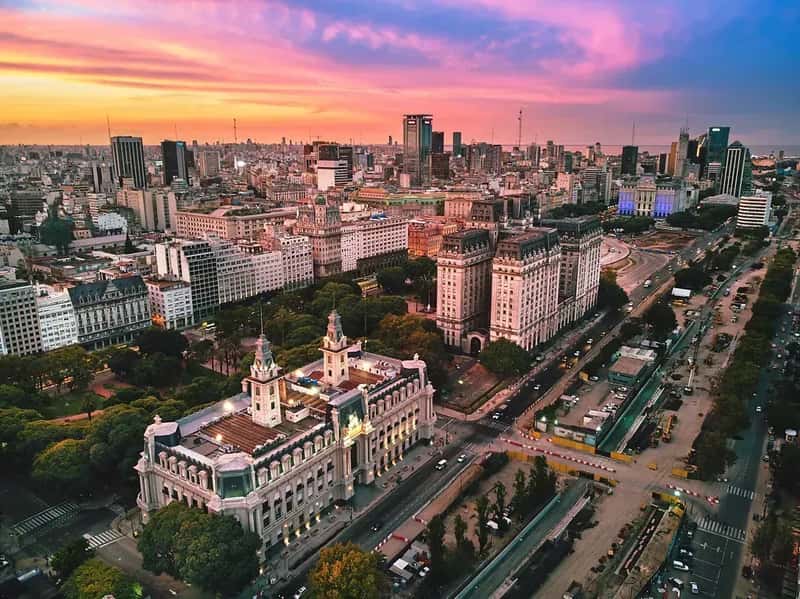
Argentina presents one of the most fascinating currency situations in the world right now. The country has gone through economic turbulence that would make most nations dizzy, creating multiple exchange rates that sound confusing until you understand the opportunity they present. A steak dinner costs $15-20 USD per person for the beef ($30-40 for the whole meal) at your mid-range parrilla. This is Argentina we’re talking about, where the beef is legendary and the wine flows like water. Yes, prices have climbed from the absolute bargain basement days of 2023, but compared to dining in major American or European cities, you’re still winning.
The Blue Dollar still gives you top value for cash, but the MEP rate makes using credit cards almost equally profitable and far more convenient. For most travelers, paying by card at the MEP rate is the stress-free middle ground. The tango capital of Buenos Aires, the otherworldly landscapes of Patagonia, the wine regions of Mendoza, all accessible at prices that would have been unthinkable a decade ago in such a culturally rich destination.
Japan: The Yen’s Weakness Is Your Travel Strength

Japan always carried this reputation as prohibitively expensive. That fancy sushi, those bullet trains, the immaculate hotels, surely it costs a fortune, right? Not anymore. The Japanese economy is struggling due to some delayed inflation after the pandemic. This has caused the Japanese yen to drop against the American dollar, with $1 USD converting to 155 JPY.
That purchasing power goes an extra-long way in Japan where transit and food are shockingly affordable. We’re talking about a country where you can get restaurant-quality ramen for less than ten dollars, where convenience stores serve better food than many American restaurants, and where a visit to the Shinjuku Gyoen National Garden, where you can see Japan’s iconic cherry blossoms, costs just around $3.50.
The exchange rate situation has flipped the script entirely. Japan may be known for its high costs, but the yen’s recent downturn has made travel a steal for US travelers. Now is the perfect time to enjoy budget-friendly stays, scrumptious meals, and fabulous attractions. Those high-speed trains you’ve dreamed about riding? More accessible than ever. The capsule hotels, the traditional ryokans, the endless shrines and temples, they’re all within reach of travelers who might have crossed Japan off their list years ago as too expensive.
Poland: Eastern Europe’s Best-Kept Value Secret
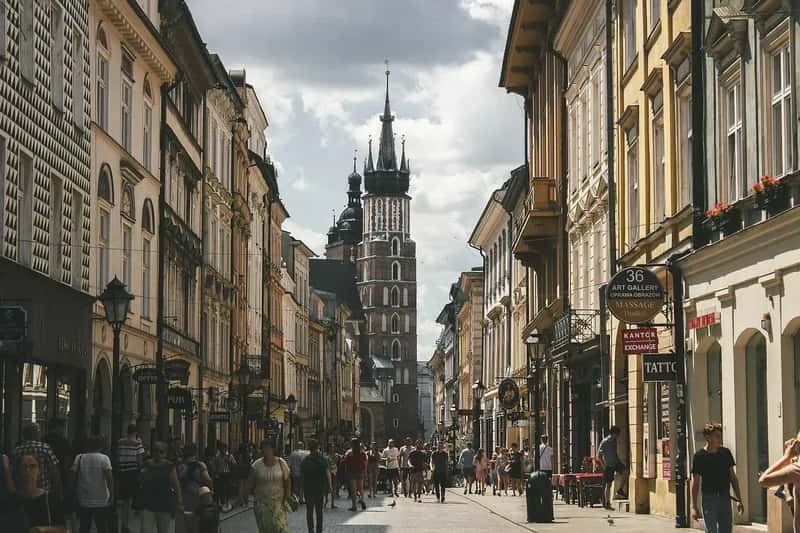
While Western Europe has become increasingly expensive, Poland offers something refreshing: genuine European culture and history without the heart-stopping price tags of Paris or London. In Poland, three cities ranked in the top 10 among Europe’s most affordable places on the 2025 City Costs Barometer compiled by the U.K.’s Post Office: Warsaw in third, Gdansk in seventh, and Krakow in eighth. All three places make compelling cases for visitors interested in castles, historic squares, and wide-ranging cultural experiences.
Think medieval town squares where your coffee costs three dollars instead of eight. Think pierogis and craft beer that don’t require a small loan. The costs of dining out, transportation and entertainment in this eastern European country are all significantly lower than their counterparts in the west. Hungary’s rich culture adds immense value to its affordability (though this applies equally to Poland’s vibrant cultural scene).
The World War II history alone makes Poland essential for anyone interested in understanding modern Europe. From Auschwitz to the reconstructed Old Town of Warsaw, from the salt mines of Wieliczka to the beaches of the Baltic coast, Poland delivers depth and substance. You get the European experience, cobblestones and cathedrals and all, without the sticker shock that comes with more famous destinations.
Brazil: Samba, Beaches, and Surprising Bargains

Brazil rounds out this list with a compelling mix of natural wonders, cultural vibrancy, and favorable exchange dynamics. Though Brazil’s real continues to rebound from its plunge in late 2024, the currency remains weaker than the dollar. That gives U.S. travelers more spending power while visiting South America’s largest country.
We’re talking about a country with Amazon rainforests, Iguazu Falls that make Niagara look like a garden fountain, Rio’s legendary beaches, and São Paulo’s world-class food scene. Public transportation and dining across Brazil are typically affordable, with the majority of rides in Rio De Janeiro costing less than a dollar and dinners less than $20. Plus, plenty of popular attractions have low or no entrance fees, like the famous Copacabana and Ipanema beaches.
Honestly, this one surprises people. Brazil doesn’t have the reputation of being budget-friendly, probably because flights from North America can be pricey. Once you’re on the ground though, your dollars multiply. Street food that’s actually incredible, not just cheap. Accommodations that range from budget hostels to boutique hotels, all more affordable than comparable options in the US or Europe. Carnival might break the bank, but traveling outside peak season gives you Brazil’s magic without the madness or the inflated prices.
Making Your Money Work Harder in 2026
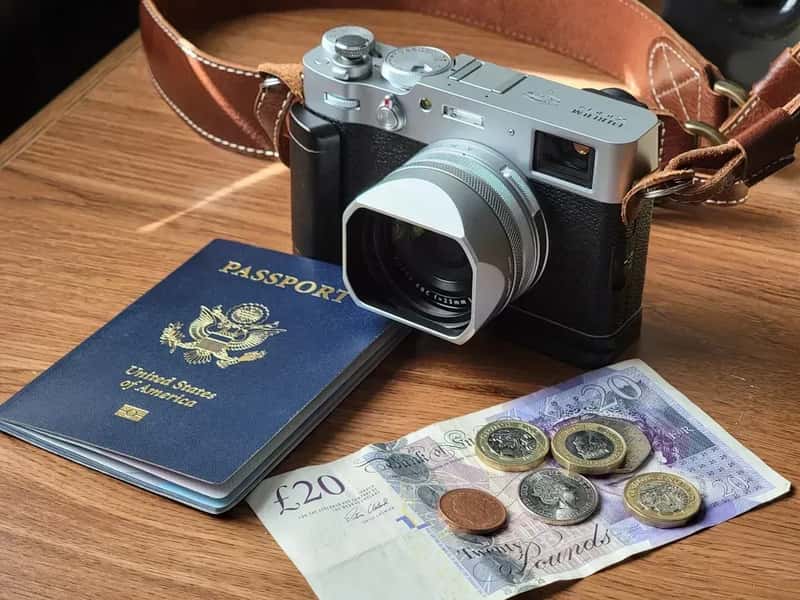
The common thread through all these destinations? Across 2026, the US dollar stays strong wherever local currencies struggle with inflation, weak reserves, or political pressure. This creates opportunities that didn’t exist five years ago and might not last forever. Currency markets shift like sand dunes in wind.
Smart travelers recognize these windows when they appear. Several global factors have contributed to the continued strength of the US dollar in 2026. Stable interest rates, strong demand for US assets, and inflation differentials across economies have all played a role. For American travelers, this means increased purchasing power in many parts of the world.
The trick is acting on these opportunities while they exist. Exchange rates won’t stay favorable forever. Political situations change. Economies recover. These five countries represent the sweet spot right now, where quality of experience meets value for money in ways that transport you back to when travel felt accessible rather than exclusive. Your dollar still has power out there. You just need to know where to use it. What’s stopping you from booking that ticket?