There’s something deeply unsettling about a place that used to buzz with life going completely quiet. Resorts that once teemed with sunburned tourists, cities where every hotel was booked solid, beaches where you could barely find a patch of sand – all of it, just… gone. Replaced by silence, crumbling facades, and the occasional tumbleweed moment of a lone visitor wondering what happened here.
The truth is, at a time when other destinations are sinking under the weight of overtourism, a growing list of places worldwide has seen the stream of visitors slow to a trickle. Some faded gradually. Others collapsed almost overnight. Here are eight of the most striking examples – each one a cautionary tale with a story worth telling. Let’s dive in.
1. Varosha, Cyprus – The Mediterranean Riviera Frozen in Time
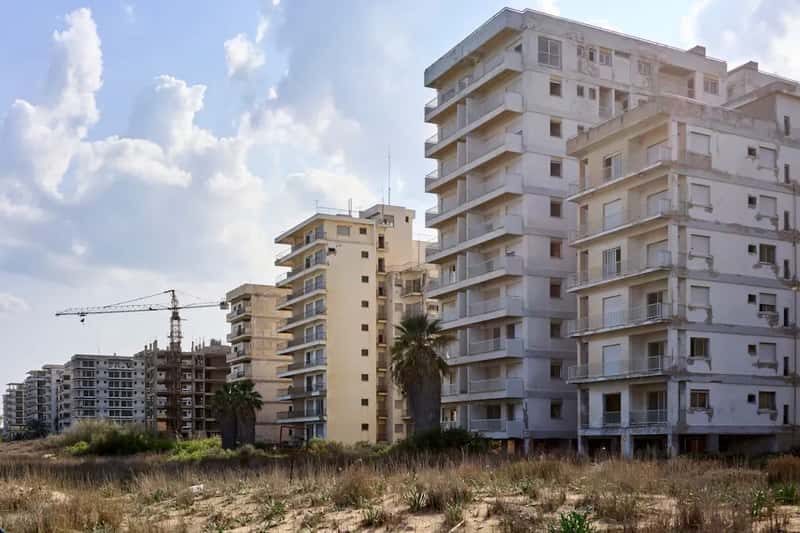
If you want to understand how fast a tourist hotspot can fall, look no further than Varosha, Cyprus. During its heyday, between 1970 and 1974, Varosha was one of the most popular tourist destinations in the world and a favorite of celebrities such as Elizabeth Taylor, Richard Burton, Raquel Welch, and Brigitte Bardot. That is not a myth – it was genuinely that glamorous.
Once the crown jewel of Cyprus’ tourism scene, Varosha attracted up to 700,000 visitors annually in the 1960s and 1970s and became a hotspot for celebrities and socialites, with its pristine beaches and luxurious hotels. By 1970, tourism accounted for a staggering share of the local economy. Then, in a single summer, everything stopped.
In July 1974, Turkey invaded northern Cyprus, including Varosha. The town was subsequently declared a military zone with no trespassing – for over 45 years. Within days, Varosha’s 39,000 Greek Cypriot residents fled, abandoning homes, businesses, and personal belongings. The UN Buffer Zone was established, and Varosha was fenced off by the Turkish military, rendering it completely inaccessible to civilians for decades.
Wandering around the city today one can see a fast-growing coastal town halted while it was still under construction. Neon signs hang from facades, the furniture of the inhabitants forced to flee is still visible in beachfront condos, and a 10-story tower crane rusts away. It’s like someone hit pause on a civilization. The United Nations Peacekeeping Force in Cyprus estimates that, as of 2024, over 17,000 original property claims remain unresolved.
2. Las Vegas, Nevada – Sin City Loses Its Sinner Base
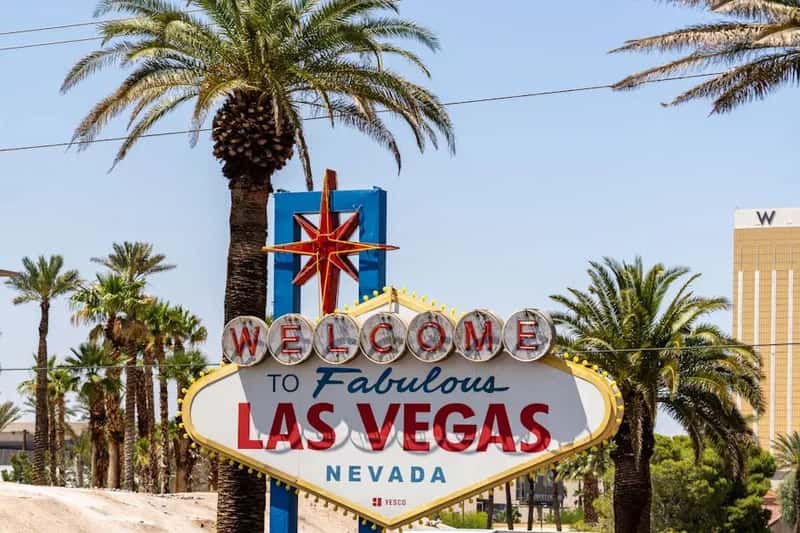
This one is honestly shocking. Las Vegas, arguably the world’s most resilient tourist machine, has hit a serious wall. Las Vegas just recorded its worst decline in annual visitation since the pandemic began, recording a 7.5 percent annual drop in 2025, and the biggest non-pandemic drop in visitors in over 55 years. That is not a minor blip.
According to data from the Las Vegas Convention and Visitors Authority, only 38.5 million people visited Sin City in 2025, down from 41.6 million in 2024. The year marked the sharpest drop in tourism for Las Vegas since the COVID-19 pandemic. The streets are quieter, the casino floors less packed, and some iconic properties are already feeling the pinch.
Data from November 2025 cited the city’s recent high prices as one reason for the drop, but a drop in international visitation is also making itself felt – Las Vegas Mayor Shelley Berkley told reporters that Canadian visitation, which comprised the city’s biggest international market, had “slowed to a drip.” Reuters noted that MGM Resorts and Caesars Entertainment’s Las Vegas profit and revenue fell in 2025, with Caesars reporting a 20 percent drop in profit.
About 38.5 million visited Las Vegas in 2025, down 7.5 percent from 2024. Hotel room occupancy was 80.3 percent, down 3.3 points from 2024, and the average daily room rate was $183.52, down 5 percent from 2024. The Strip still glitters, but it’s clearly lost some of its pull – at least for now.
3. Tallinn’s Old Town, Estonia – Too Quiet for Its Own Good
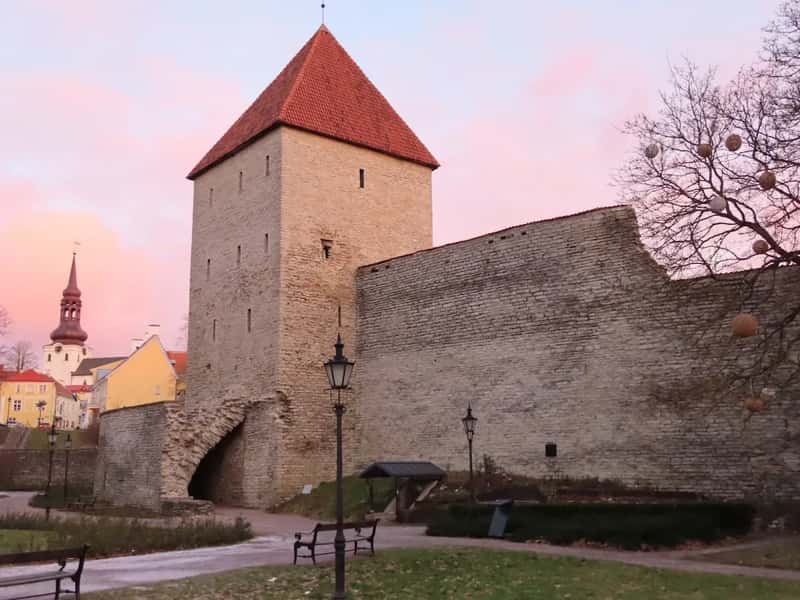
Estonia represents perhaps the most dramatic example of abandoned tourist destinations in terms of visitor expectations versus reality. Despite its rich medieval heritage and pristine natural beauty, the Baltic nation struggles to attract substantial tourist numbers. Tallinn’s old town, while architecturally magnificent, often surprises visitors with its sparse crowds – a phenomenon that would be welcome in overtouristed destinations but creates economic challenges for local businesses.
Here’s the thing – on paper, Tallinn should be thriving. Medieval towers, cobblestone streets, dramatic Baltic Sea views. It’s genuinely beautiful. Yet the footfall just isn’t there. The proximity to ongoing regional conflicts and restricted Russian visitor access have significantly impacted traditional tourism flows. Russia used to be one of the primary source markets for Estonian tourism, and that tap has been largely turned off.
The contrast is striking: as millions of tourists flood popular European cities, creating overtourism concerns, other locations struggle to attract even basic visitor numbers. These empty resorts in Europe represent a troubling trend that deserves careful examination from both industry professionals and conscious travelers. Tallinn’s silence is less haunting than Varosha’s but no less economically painful for the people who call it home.
4. Blackpool, England – From Victorian Playground to Struggling Seaside Town
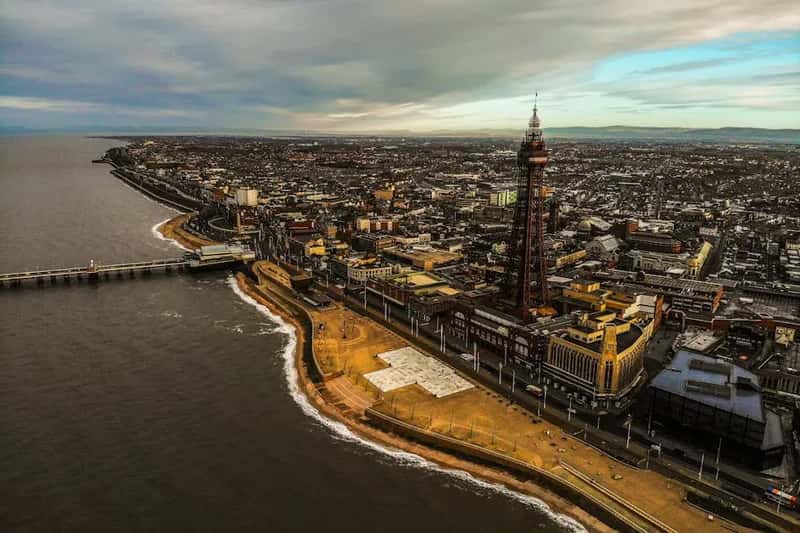
Once upon a time, Blackpool was the beating heart of British summer holidays. Workers from Manchester and Liverpool piled onto trains and headed for the illuminated seafront, the rides, the candy floss, and the arcades. It was a genuine cultural institution. Blackpool, England was a popular holiday destination for the English in the Victorian era – now it’s seen as fairly grim.
The number of people who came to London last year was 27 percent lower than before the start of the COVID-19 pandemic, according to the tourism agency VisitEngland – and smaller British seaside destinations like Blackpool have faced their own steep declines. The cheap package holiday to Spain effectively killed the domestic British seaside resort scene starting in the 1970s and the trend never reversed.
Honestly, it’s a bit sad. The infrastructure is there – the tower, the promenades, the ballrooms – but the golden age audience has moved on. America has Las Vegas, and England has Blackpool: in Vegas there are bright flashing light shows, casinos, and sunshine; in Blackpool it is rainy skies, a tired 1950s ambiance, and crumbling infrastructure. That comparison might be brutal, but it captures the spirit of the decline pretty well.
5. The Salton Sea, California – From Hollywood Oasis to Toxic Desert
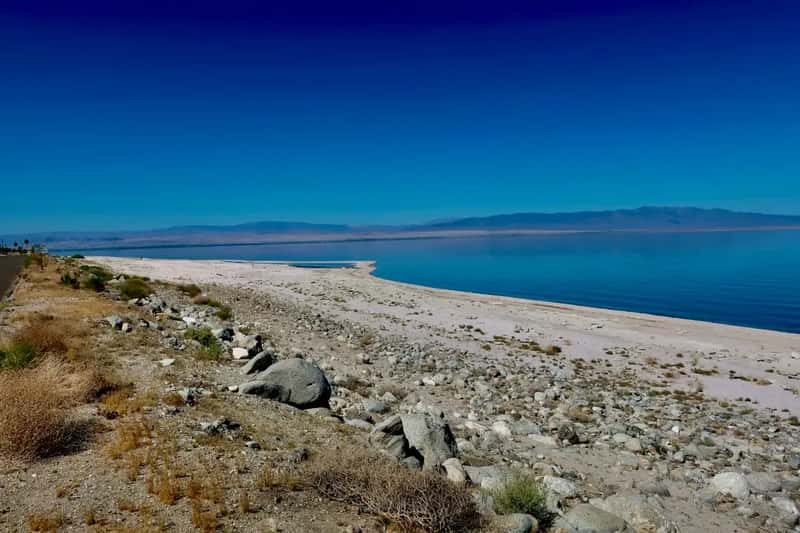
This might be the most dramatic rise-and-fall story on the entire list. In the mid-20th century, Colorado River overflow flooded the Salton Sink, creating the Salton Sea in the middle of the California desert, near Los Angeles. The “Salton Riviera” became a thriving resort destination deemed the next Palm Springs. Hollywood celebrities and politicians flocked to the chic desert oasis, making it one of the most popular recreation retreats in the state in the 1950s and 1960s.
Think about that. A desert sea. Speedboat races, yacht clubs, beachside hotels. It was genuinely glamorous for about two decades. Then the water began to change. Salinity increased dramatically, fish died by the millions, and the odor became, let’s say, memorable. The saline body of water became an ecological disaster. A rising sea level and extremely salty and polluted water led to the area’s abandonment by 1980.
Today, many structures are still there to explore – if the smell of rotten eggs doesn’t get to you first. The Salton Sea is now seen as a potential source of the scarce element lithium, a key component in rechargeable batteries. So, in a strange twist of fate, the very disaster that emptied the resorts may give the region a second life through industrial mining rather than sunbathers and motorboats.
6. Goa, India – The Backpacker Paradise That Lost Half Its Visitors
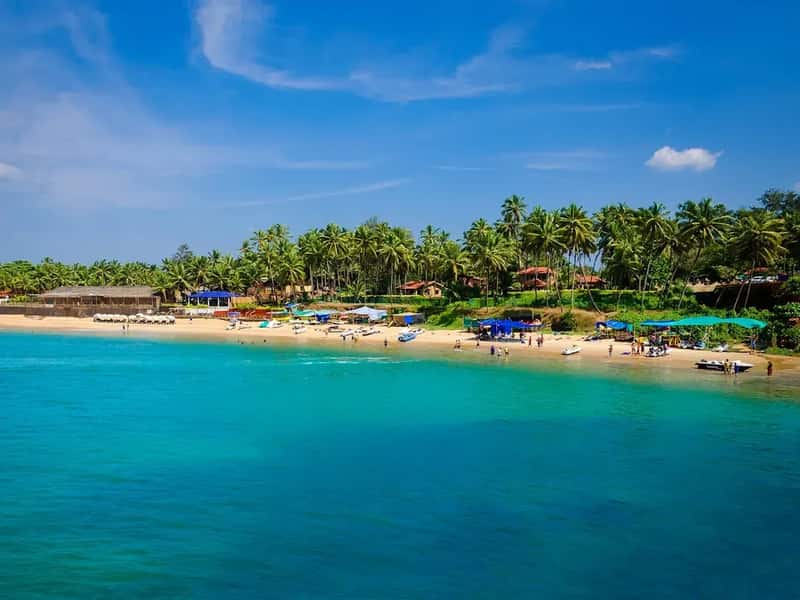
Goa was once the definition of carefree travel. Beach shacks, cheap beer, hammocks between palm trees, sunsets that went on forever. For decades it was the destination of choice for a particular type of freedom-seeking traveler. Goa, a celebrated coastal region in India, once thrived as a top destination for international tourists. With its blend of chilled-out vibes, cheap booze, and a distinctive backpacker culture, Goa was an iconic hotspot for those seeking relaxation and excitement, recording over 937,000 foreign tourists in 2019 – nearly double the number from 2013, when it recorded 513,000 arrivals.
In a rapid downturn, the number of tourists visiting Goa dropped dramatically to about 452,000 by 2023, marking a 50 percent decrease in less than four years. That is a staggering collapse by any measure. The pandemic obviously played a role, but the recovery never came close to the pre-2020 highs, suggesting the shift is deeper than a temporary blip.
Part of the problem is that Goa’s identity became muddled. Apart from the usual side effects of overtourism – threatening the quality of life for locals and accelerating issues of traffic, pollution, and crime – the region grapples with a unique set of tourism problems related to disorderly visitors. What was once a paradise of authenticity gradually became a cautionary tale about commercialization destroying the very thing that made a place special in the first place.
7. Maya Beach, Thailand – Loved Nearly to Death
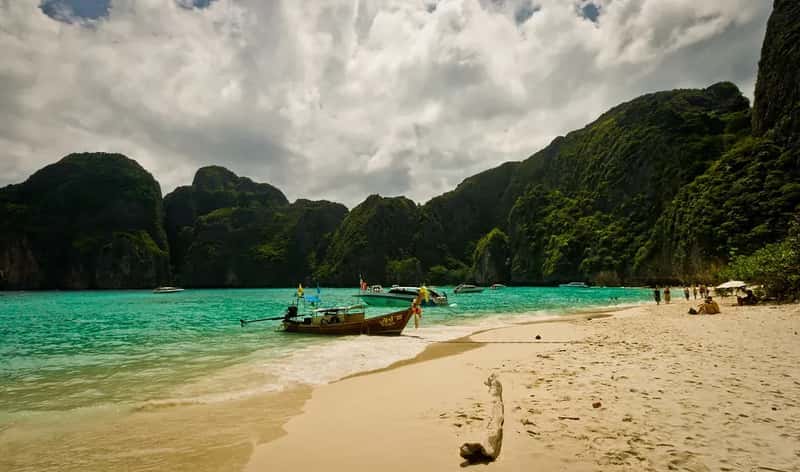
There’s a certain irony to Maya Beach’s story. A film made to celebrate a remote, untouched paradise ended up destroying it. The cult classic Leonardo DiCaprio movie “The Beach” turned this remote location in Thailand into a major tourist trap, and it’s not hard to see why. The secluded cove features glittering, translucent water, white sands, and limestone cliffs. As more and more tourists flocked to the sandy shores, Maya Beach became nearly impossible to enjoy – visitors could hardly walk, never mind lie down and get some rays.
Thailand was forced to close the beach in 2018, but after a massive rehabilitation and conservation program, the beloved beach reopened to tourists in January 2022. The closure was not a temporary measure – it was an emergency intervention after marine biologists reported severe coral bleaching and ecosystem collapse. Think of it like a tourist-inflicted wound so deep it required years of enforced rest.
Today, access remains tightly controlled. Visitor numbers are capped and timed to allow nature to keep recovering. It’s a rare genuine success story among this list – but the scars from years of unchecked mass tourism are still visible. Maya Beach is a perfect metaphor for what happens when the world collectively falls in love with a place and expresses that love in the most destructive way imaginable.
8. London, England – A Global Icon Experiencing an Unexpected Quiet
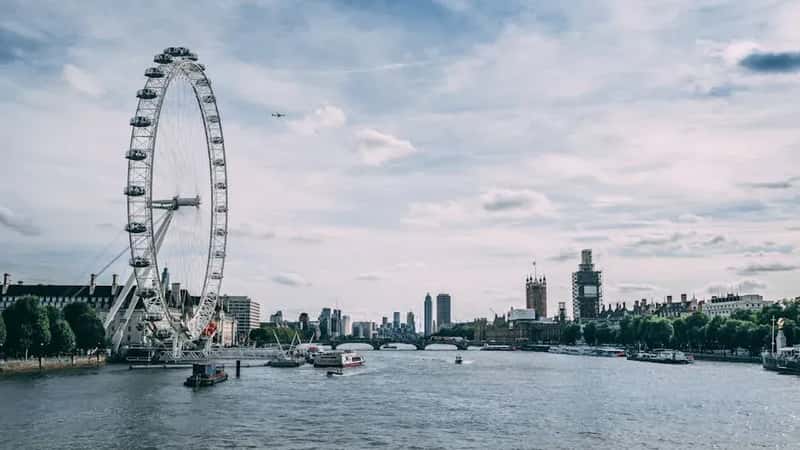
This one will genuinely surprise most people. London is perhaps the world’s most enduring tourist superstar – the Tower of London, Buckingham Palace, the West End, the museums, the pubs. It seems immune to decline. Yet something unexpected is happening. At a time when other destinations are sinking under the weight of overtourism, London is among a growing list of places worldwide where the stream of visitors has slowed – and the number of people who came last year was 27 percent lower than before the start of the COVID-19 pandemic, according to VisitEngland.
The signs are subtle but real. Early morning sunlight catches landmarks like the London Eye, but the crowds that come to see the changing of the guard are slightly thinner, there are occasional empty seats in theaters at Saturday night performances of even the most popular shows, and there’s room to rest an elbow on a counter at the busiest pubs in Soho. For a city this size, those details tell a story.
Among the reasons this is happening, according to travel adviser Jonathan Alder: a consumer backlash against overcrowding and high prices. While global tourism has rebounded dramatically since the pandemic, the resulting crush of visitors to some of the most popular destinations has caused a “real shift in mind-set.” People have “started gravitating toward the lesser known,” and away from gridlocked hotspots. London is, in a strange way, a victim of its own overwhelming fame.
Conclusion
What connects all eight of these places is a simple truth: tourism is extraordinarily fragile. Politics, prices, pandemics, ecology, or just the shifting moods of a traveling public – any one of these forces can empty a destination almost overnight. The transformation of these abandoned tourist destinations reminds us that tourism is inherently dynamic. Today’s ghost towns might become tomorrow’s sought-after destinations, especially as travelers increasingly seek authentic, uncrowded experiences away from overtouristed hotspots.
Some of these places will recover. Others, like Varosha or the Salton Sea, carry wounds too deep to simply heal with a marketing campaign. The “ghost town effect” is real, and it’s spreading – not just to obscure corners of the world, but to cities you’d have bet your last dollar would always be packed. As one travel forecasting expert put it: people “talk about the places that are too full, but the real story right now is the places that have fallen quiet.”
Which of these surprised you the most? Drop your thoughts in the comments – and if you’ve visited any of these places in their quieter years, we’d genuinely love to hear what it felt like.