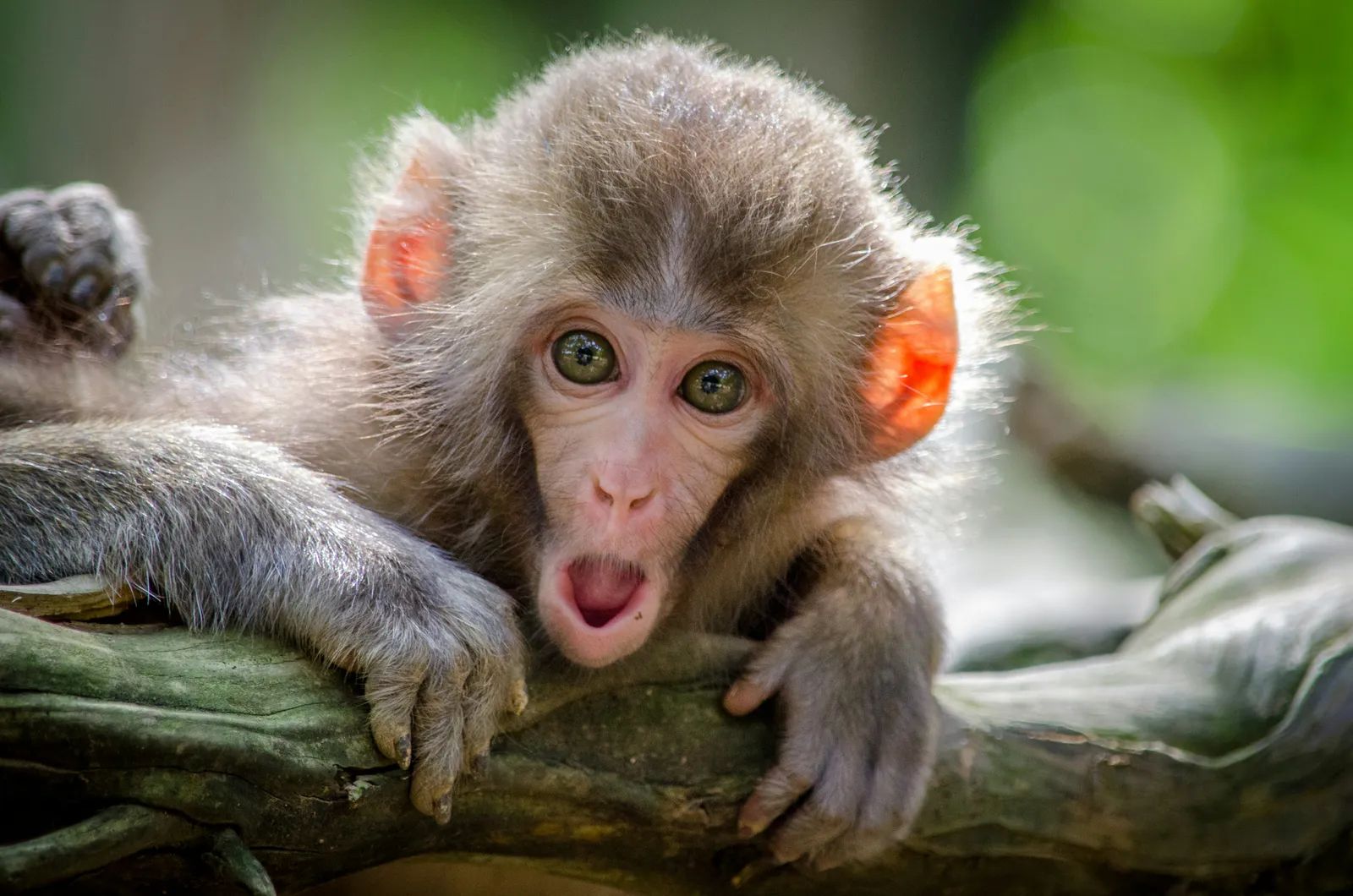
Global wildlife regulators have concluded that Cambodia has shown only limited progress in addressing long-standing problems in its trade of long-tailed macaques for biomedical research. The assessment, released earlier this month by the CITES secretariat, comes one year after the convention issued formal recommendations for improvements in how the country manages the capture, breeding, and export of the endangered primates. ([1])The findings will be reviewed at an upcoming meeting in Geneva that could determine whether further international measures are needed.
Background on the Trade and Earlier Concerns
Cambodia’s monkey export industry supplies animals primarily for laboratory research. Long-tailed macaques have been a key species in this trade for years. Concerns grew after a multi-year investigation by the United States Fish and Wildlife Service uncovered evidence that some farms were laundering wild-caught monkeys by labeling them as captive-bred.
Those practices raised alarms about both the sustainability of wild populations and the potential for disease transmission. Long-tailed macaque numbers in Cambodia have fallen sharply over recent decades, with estimates indicating a decline of 50 to 70 percent in the past thirty years. Poaching pressure has eased somewhat as remaining populations and suitable habitats have become scarcer.
Latest CITES Assessment
In a document dated October 5, CITES stated that governance improvements at Cambodian monkey farms remain insufficient. Officials noted they still “cannot confirm or rule out the occurrence of fraud or corruption” in the trade. The secretariat’s review follows recommendations issued in November 2025 that called for stronger oversight of breeding facilities and export procedures.
The assessment highlights persistent gaps in documentation and verification processes. Without clearer evidence of reform, regulators cannot be certain that exported animals originate from legitimate captive sources. This uncertainty continues to affect how other CITES parties view Cambodia’s compliance with international wildlife trade rules.
Potential Consequences for Cambodia and the Species
Failure to demonstrate meaningful progress could lead to stricter trade measures. The CITES Standing Committee, meeting November 2-6 in Geneva, will evaluate the situation and decide whether additional restrictions or even a suspension of trade in the species are warranted. Such outcomes have affected other countries in the past when compliance issues persisted.
For Cambodia, any tightening of export rules would directly affect facilities that rely on the primate trade. For the species itself, continued uncertainty around sourcing increases the risk that wild populations could face further pressure if laundering practices are not fully eliminated. Health authorities also note that mixing wild and captive animals heightens the chance of zoonotic pathogen spillover.
Next Steps and Broader Context
Cambodian authorities have been given time to respond to the latest findings before the Geneva meeting. The CITES process allows countries under review to provide additional information and demonstrate corrective actions. Observers expect the Standing Committee to weigh any new evidence carefully when determining next steps.
The case illustrates the challenges of regulating wildlife trade that supports global biomedical research. Long-tailed macaques remain in demand for scientific purposes, yet international rules require clear proof that supply chains do not harm protected populations. How Cambodia addresses the remaining concerns will shape both its standing within CITES and the future of this particular trade route.