7 Grilling Rules That Every Summer Cook Should Know – Image for illustrative purposes only (Image credits: Unsplash)
Summer draws people outdoors for longer evenings and shared meals, whether at a campsite, along a road trip route, or in a backyard setting. Yet many cooks still encounter dry meat, stuck food, or uneven results because a handful of basic habits get overlooked. Adjusting those habits turns the grill into a reliable tool for better flavor and easier cleanup during warm-weather travel and leisure.
Skipping the Rest Period for Meat
Pulling steaks, chicken, or pork straight from the refrigerator and onto a hot grate often leads to charred exteriors and undercooked centers. Allowing the meat to sit at room temperature for roughly half an hour before cooking helps it heat more evenly and develop a consistent texture throughout. The same principle applies once the food leaves the grill. Placing it on a plate tented loosely with foil for five to ten minutes lets the juices settle instead of spilling out at the first cut. Travelers and campers who adopt this step notice noticeably juicier results, especially after a day of packing and setup.
Neglecting Grill Preparation and Heat Zones
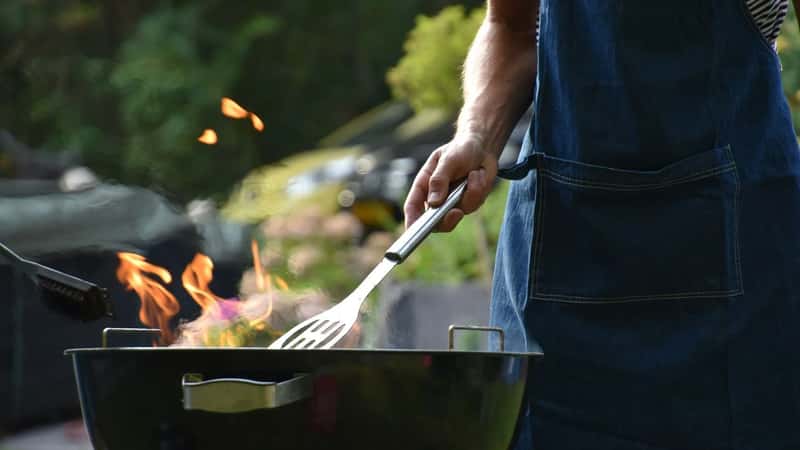
A cold or dirty grate makes sticking and poor searing far more likely. Preheating the grill with the lid closed for at least fifteen minutes brings the surface to the proper temperature, while a quick brush removes residue from previous use. Clean grates produce cleaner marks and more predictable cooking times, which matters when space and time are limited on the road. Direct heat works best for quick-cooking items such as burgers, shrimp, or thin vegetables placed right over the flame. Indirect heat suits larger or bone-in pieces that need gentler, longer exposure to avoid drying out. Moving food between zones gives cooks control when flare-ups occur or when thicker cuts require extra time without burning the outside.
Mishandling Vegetables and Over-Flipping Food
Vegetables gain appealing char on the grill, yet many pieces fall through the grates or cook at uneven rates because of inconsistent sizing. Larger cuts such as zucchini spears, halved peppers, or whole asparagus hold up better, while heartier items like carrots benefit from brief pre-cooking. A light coat of oil and salt is usually enough to bring out their flavor. Constant turning prevents the surface from developing the caramelized crust that defines good grilled food. Food generally releases on its own once it has formed that crust; forcing it earlier often tears the surface. One deliberate flip at the right moment delivers better color and texture across steaks, vegetables, and seafood alike.
Grilling with the Lid Open and Ignoring Dessert Options
An open lid lets heat escape and reduces the smoky depth that comes from vaporized juices. Keeping it closed traps warmth, promotes even cooking, and infuses food with the flavor most people associate with outdoor meals. The habit proves especially useful for maintaining steady temperatures during variable weather on camping trips. The grill also handles more than savory dishes. Stone fruit such as peaches softens and sweetens over the flame, pairing well with ice cream for a simple finish. Pound cake slices or foil-wrapped treats can follow the same approach, extending the usefulness of the equipment without extra gear. These adjustments keep summer cooking straightforward and satisfying whether travelers are far from home or simply enjoying an evening outside.