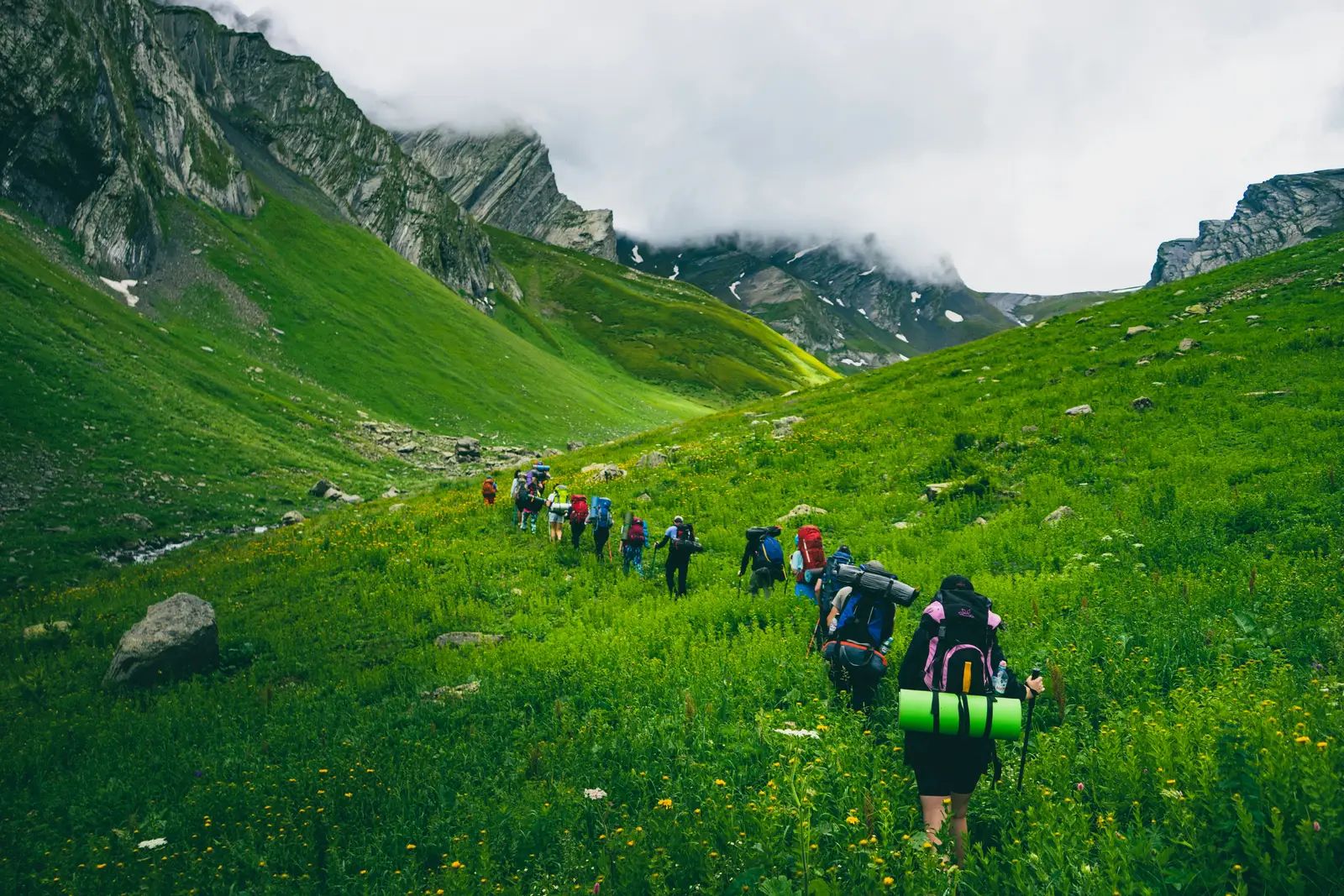
Many people head into the outdoors on weekends expecting the uphill climb to be the real test. Yet physical therapists point out that the descent often places greater demands on the knees and surrounding joints. The same pattern appears in other popular weekend pursuits. Gardening and pickleball also create sudden spikes in physical load after a week of mostly sitting or light movement. The result is familiar Monday stiffness that can sideline plans if left unaddressed. Understanding where each activity places stress helps weekend enthusiasts stay active longer.
Why a Quiet Week Sets Up Weekend Aches
The body adapts to its regular routine. Muscles, tendons, and joints become accustomed to the modest demands of desk work or short commutes. When Saturday suddenly requires hours of bending, quick stops and starts, or steep downhill steps, tissues face a sharp increase in stress. This mismatch, sometimes described as a load spike, explains why aches appear more often after occasional big outings than after steady daily activity. Someone who gardens for an hour most evenings tends to handle a longer session better than someone who saves all the work for one day a month. The same principle applies across activities.
How Gardening, Pickleball, and Hiking Stress Specific Areas
Each pursuit loads the body differently. Gardening keeps the spine flexed for long periods while hands grip tools or pull weeds. Knees bear weight during extended kneeling, and wrists handle repetitive twisting in tougher soil. Pickleball brings rapid directional changes and repeated paddle swings. The calf and Achilles tendon absorb the quick lunges and stops, while the elbow and shoulder manage the gripping and overhead motions. Many new players increase time on court faster than their tissues can adapt. Hiking surprises many participants on the way down. Controlling body weight with each step downhill heavily taxes the front of the thighs and the area around the kneecap. People who feel strong on the ascent often notice knee discomfort only after the return leg. A compact comparison shows the pattern clearly:
| Activity | Primary Load Areas | Common Complaint |
|---|---|---|
| Gardening | Lower back, knees, wrists | Stiff back the next morning |
| Pickleball | Shoulder, elbow, calf, Achilles | Elbow pain or calf strain |
| Hiking | Knees, ankles, hips | Knee pain on descents |
Practical Steps That Reduce Strain
Small changes during the activity itself make a noticeable difference. Gardeners benefit from switching tasks frequently, using a kneeling pad, and standing to walk around every twenty minutes. Raised beds or containers also bring work to a more comfortable height. Pickleball players gain from a short warm-up of easy movement before games begin. Court shoes with good side-to-side support outperform running shoes, and early attention to elbow soreness prevents longer problems. Hikers find trekking poles helpful on downhill sections because they share some of the load with the arms. Shorter steps and stronger thigh and hip muscles built during the week also ease pressure on the knees. Good traction on footwear reduces jarring slips, and carrying only essentials keeps overall weight lower.
When Soreness Is Expected and When It Is Not
Mild muscle ache that eases within a day or two and improves with gentle movement is usually normal after increased activity. Stiffness that loosens as the day progresses also tends to resolve on its own. Persistent pain that lasts beyond a couple of weeks, sharp discomfort in one spot, swelling, or sensations that worsen with each outing deserve professional attention. Numbness, tingling, or a joint that locks or gives way are additional signals that an assessment may be useful. Physical therapists evaluate the specific movements involved in each activity and design plans that match a person’s goals, whether that means returning to regular gardening or competitive play. Paying attention to how the body feels the morning after an outing often reveals patterns earlier than discomfort felt during the activity itself. Weekend outings remain valuable for both physical health and enjoyment. Gradual increases in time and intensity, combined with simple weekday preparation such as brief strength drills, help close the gap between weekday routines and weekend demands. The result is more consistent participation without the recurring Monday reminders.