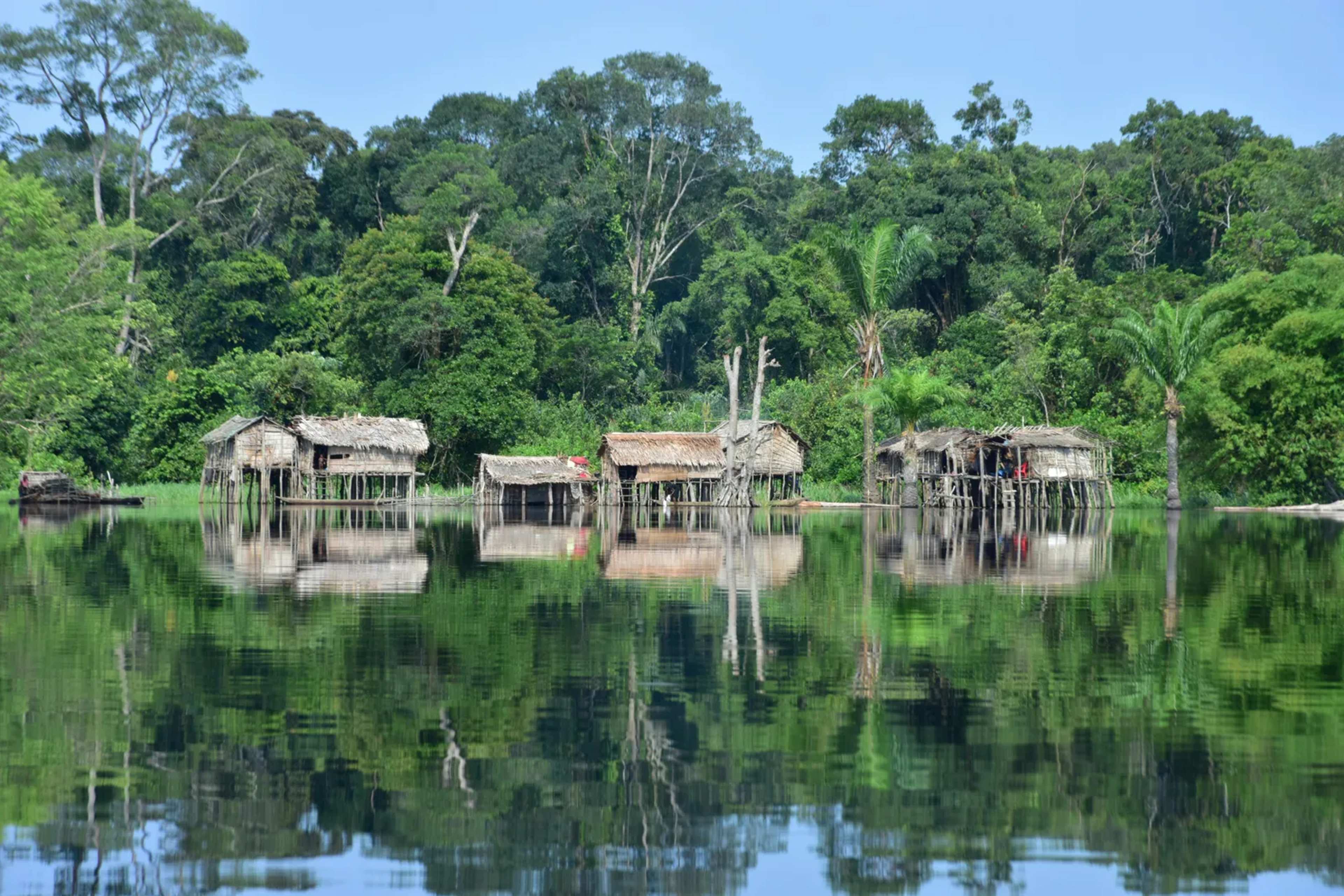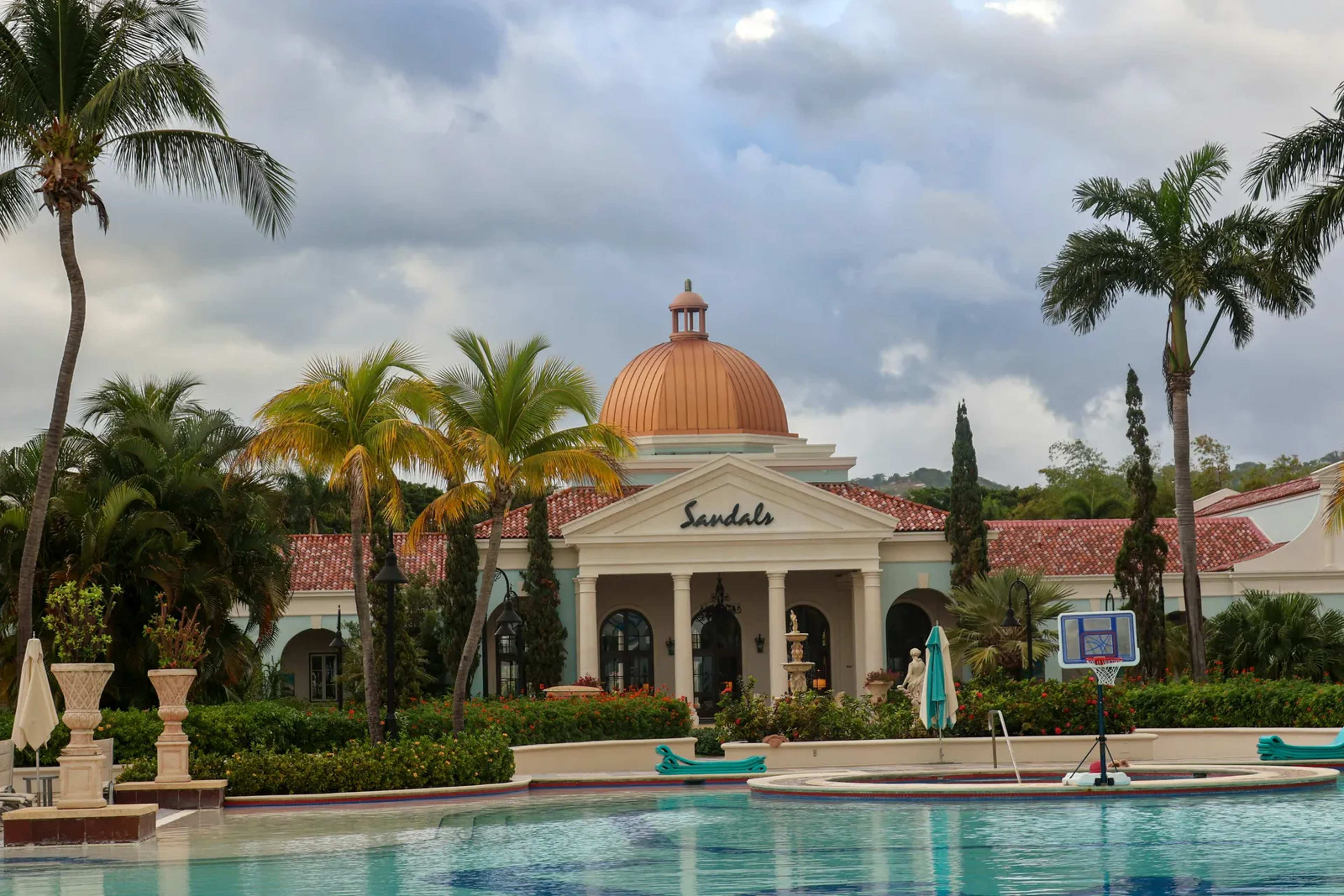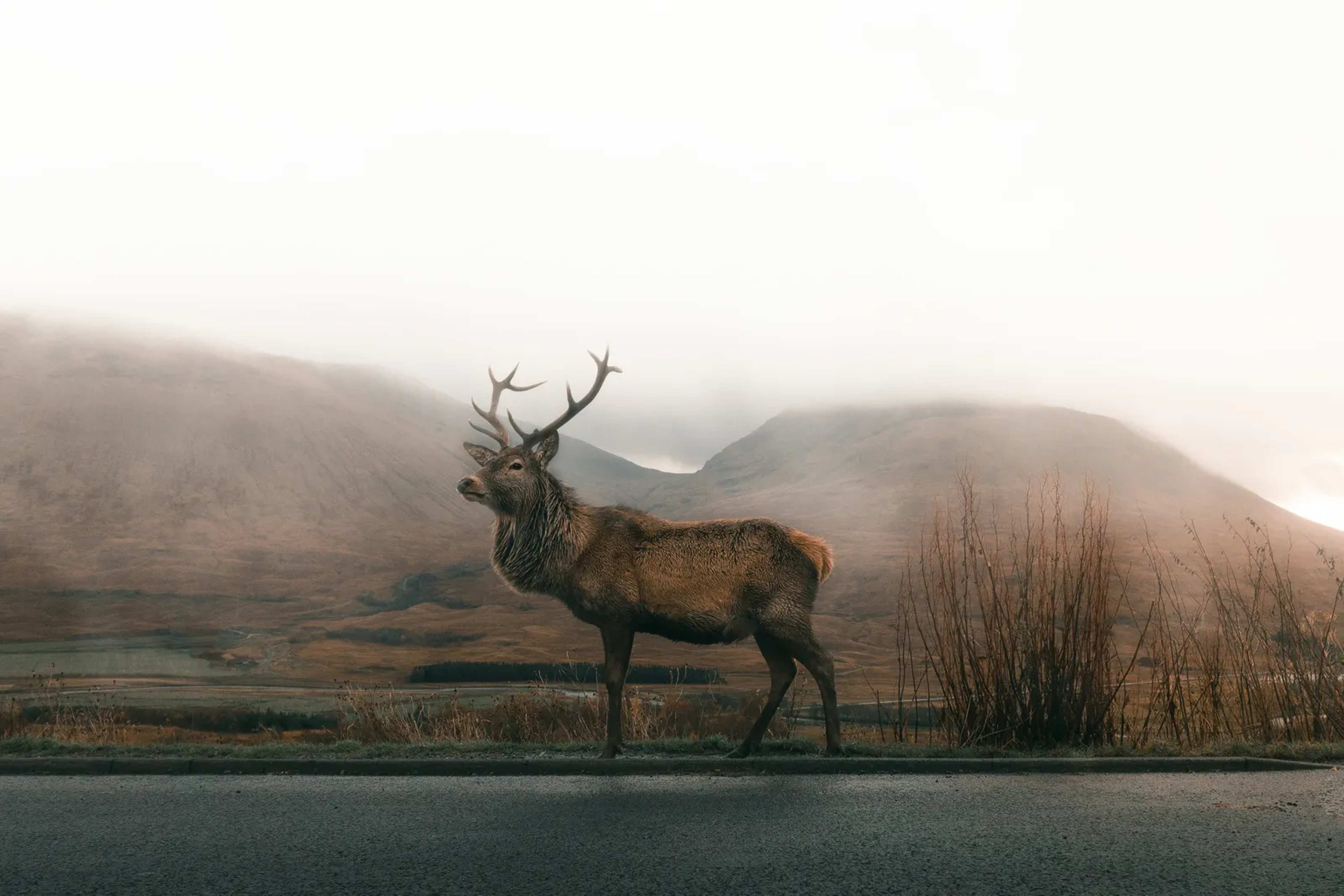
As Halloween draws near, many travelers seek out destinations where history and folklore blend into unsettling atmospheres that linger well beyond October. These sites offer more than seasonal thrills. They provide year-round access to stories of restless spirits, ancient curses, and tragic events that continue to shape local lore. A recent roundup from the Tauck travel blog spotlights several such places that draw visitors curious about the supernatural side of their journeys. ([1])
American Cities Where the Past Refuses to Rest
Savannah, Georgia, stands out for its Victorian mansions and moss-draped cemeteries that evoke a sense of unease even in daylight. The city has inspired countless accounts of unexplained encounters, making it a frequent stop for those drawn to Southern ghost stories. New Orleans adds its own layer with above-ground tombs known as Cities of the Dead, where centuries of tragedy sit just below sea level and contribute to an atmosphere many find disquieting. These locations share a common thread of visible history that feels close at hand. Visitors often report that the combination of architecture and documented past events creates an environment where folklore feels plausible rather than contrived. Travel operators note that guests frequently extend their stays to explore related sites after initial tours.
European Landmarks Steeped in Royal Intrigue and Ancient Warnings
Edinburgh Castle rises above Scotland’s capital with tales of the Headless Drummer and phantom dogs said to patrol its grounds. The Tower of London carries its own weight from centuries of imprisonment and execution, including persistent stories of Anne Boleyn’s ghost. Pompeii, meanwhile, carries a different kind of warning: local legend claims that removing artifacts from the ruins can bring misfortune, a belief reinforced by reported misfortunes among some who have tried. Paris Catacombs extend the theme underground, where the remains of millions line narrow passageways beneath the city. One recurring story involves a former resident who still searches for an exit on a specific November date. These sites attract visitors who want to experience the weight of European history in settings that feel deliberately preserved rather than commercialized.
Remote Regions and Folklore That Endure
Transylvania in Romania remains closely tied to the Dracula legend popularized by Bram Stoker, with its medieval castles and mist-covered mountains providing a backdrop that feels timeless. In Mexico, the Island of the Dolls along the Xochimilco Canals near Mexico City features weathered dolls hung from trees, rooted in a local tale of loss and remembrance that continues to draw curious travelers by boat. Farther north, the Fairmont Banff Springs Hotel in Alberta and the historic streets of Niagara-on-the-Lake in Ontario carry their own accounts of resident spirits and unexplained events tied to past conflicts. These places illustrate how remote or smaller destinations can sustain strong reputations for the supernatural without relying on large-scale tourism infrastructure.
Travel That Balances Mystery with Care
Operators like Tauck emphasize that exploring these locations benefits from thoughtful guidance, especially when weather or logistics shift plans unexpectedly. Directors have turned detours into memorable moments, such as impromptu gatherings along historic routes or small gestures that preserve guest experiences during river cruises and regional tours. Such attention helps visitors engage with eerie sites while staying grounded in practical realities. The appeal of these destinations lies in their ability to connect travelers with stories that predate modern tourism. As interest in atmospheric travel grows around Halloween, the places highlighted continue to offer access to history that feels alive in unexpected ways.