Travel sounds simple enough. Book a ticket, pack your bags, show up, right? Well, here’s the thing most guidebooks won’t tell you up front: some of the world’s most beloved destinations now come with a whole set of rules you probably didn’t see coming. We’re not talking about the usual don’t-feed-the-wildlife kind of advice. These are entry fees you never budgeted for, items you can’t bring even though they’re in your pocket right now, and cultural taboos that could get you fined before you’ve even ordered your first coffee.
The travel landscape has shifted dramatically between 2023 and 2025. Cities that once rolled out the welcome mat are now implementing restrictions that would have seemed unthinkable just a few years ago. Some of these changes make perfect sense once you understand the pressure these places face. Others might leave you scratching your head. Either way, they’re real, they’re being enforced, and they could absolutely derail your dream vacation if you’re caught off guard.
Venice, Italy: Pay to Enter the Floating City
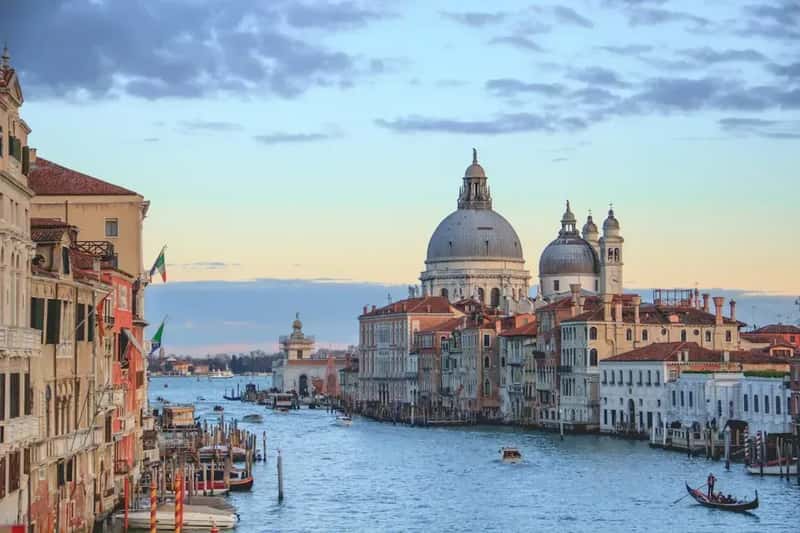
Venice became the first city worldwide to charge day visitors an entry fee, starting at €5 in 2024. The fee doubles to €10 if bought within three days of the planned arrival date. Think about that for a moment. You’re literally paying just to walk into a city. Day-trippers had to pay the entry fee on 54 peak days in 2025, almost double the number of applicable days in 2024, mostly Fridays to Sundays between April 18 and July 27.
The city is strained when the number of day-trippers reaches 30,000 to 40,000, with narrow alleyways clogged with people and water taxis packed, making it difficult for residents to go about their business. I honestly get why locals are frustrated. In 2019, nearly 13 million people visited the historic city, drastically overshadowing the city’s 49,665 residents. The math there is honestly pretty wild when you think about it.
According to figures from the trial, 485,000 people bought the entry ticket, which generated an estimated €2.43 million. Yet some critics argue the system is turning the city into what one resident group called a theme park rather than addressing deeper issues like housing shortages for locals.
Singapore: Where Chewing Gum Can Cost You
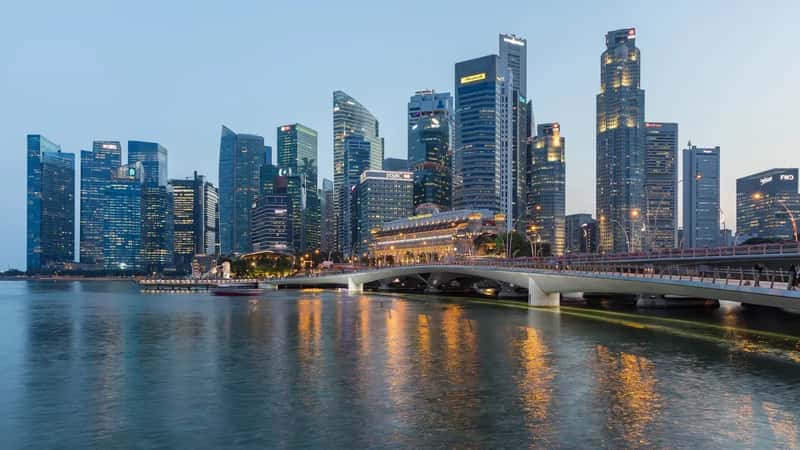
The sale of chewing gum in Singapore has been illegal since 1992. Let’s be real, most people don’t think twice about tossing a pack of gum in their bag before a trip. Yet in Singapore, that habit could land you in serious trouble. Importing chewing gum is an offense that comes with a fine of up to S$10,000 or imprisonment for up to two years.
Vandals had begun sticking chewing gum on the door sensors of MRT trains, preventing doors from functioning properly and causing disruption to train services. The transit system cost billions to build, and these incidents were rare but incredibly costly. Tourists that visit Singapore can bring chewing gum with them, but only a maximum of two packs per person. Even then, you need to be extremely careful about disposal because littering gum can still result in hefty fines.
In 2004, international pressure from the United States changed the Singaporean law that reinstated the legal use of small amounts of therapeutic dental chewing gums, heavily regulated and purchased directly from a dentist or doctor. The whole situation might sound extreme, but Singapore’s reputation for cleanliness didn’t happen by accident.
Barcelona, Spain: Tourist Taxes and Rental Restrictions

Spain welcomed a staggering number of visitors recently, but the welcome isn’t quite as warm as it used to be. In 2024, Spain welcomed a record-breaking 94 million visitors, 10 per cent more than arrived in 2023. Barcelona specifically has had enough. Mayor Jaume Collboni said that he would end short-term rentals in Barcelona by 2028, aiming to reduce the impact on the housing market of landlords renting properties at inflated rates intended for tourists.
Barcelona’s tourist tax is one of the fastest-rising in Europe, and it was doubled in 2025. Under the current timetable, the municipal supplement rose to €4 on May 1, 2025, has reached €5 in 2026, and is envisaged to climb to €8 by 2029. Those costs add up quickly when you’re staying several nights.
The city has gotten creative with its pushback in other ways, too. The bus route 116 was recently removed from maps in an attempt to reduce the number of visitors using it to reach the Antoni Gaudí-designed Parc Güell. Honestly, hiding a bus route from tourists feels like something out of a movie, yet here we are. Drinking on the streets, in parks, and on beaches is now strictly prohibited, with fines reaching up to €3,000, and some areas have also introduced limits on alcohol sales in shops after a certain hour.
Japan: The Tattoo Taboo at Hot Springs

Picture yourself finally making it to Japan, ready to experience the famous onsen hot springs you’ve been dreaming about. Then you’re turned away at the door because of that small tattoo on your ankle. Traditionally, visitors with tattoos aren’t allowed in Japan’s onsen because of an age-old association with organized crime, as tattoos were seen as a symbol of the yakuza.
According to a 2015 study by the Japan Tourism Agency, about 30 percent of hotels and inns in the country say they would allow someone with a tattoo to use their communal baths. That means roughly about two thirds still maintain the ban. According to a 2023 survey by BIGLOBE Onsen, 44% of respondents said that tattoos should be strictly prohibited in public baths.
The good news? Japan’s tourism boom and evolving attitudes toward body art have prompted a gradual shift, and recognizing that many overseas visitors have tattoos for purely aesthetic or cultural reasons, more onsen have relaxed their policies. Unusually, all seven public bathhouses in Kinosaki Onsen are tattoo friendly. Some facilities now offer waterproof patches to cover tattoos, or provide private bathing rooms where your ink doesn’t matter at all.
Spanish Coastal Destinations: Crackdown on Party Tourism
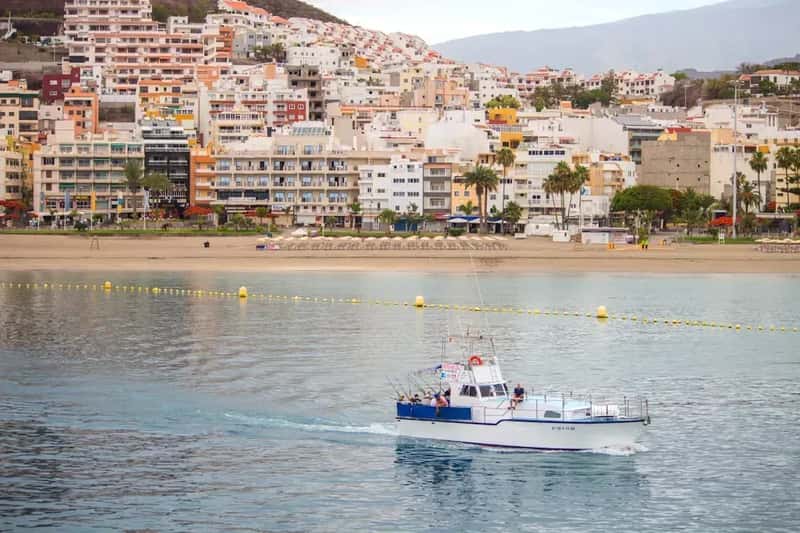
Spain’s Balearic Islands have become ground zero for anti-party tourism measures that might surprise visitors expecting endless nightlife. In Llucmajor, Palma and Calvia (Magaluf) in Mallorca as well as San Antonio in Ibiza, alcohol consumption on the street is banned, and shops are not allowed to sell alcohol between 9.30 pm and 8 am. Imagine planning your evening around grabbing drinks at a convenience store only to find out that option disappeared at sunset.
In designated “tourism of excesses” zones in Mallorca and Ibiza, authorities curb alcohol promotions and street drinking, ban happy hours and party boats, limit free alcoholic drinks at certain all-inclusive hotels. The ban on organized pub crawls in Barcelona was set to take effect in June 2025, aiming to curb excessive drinking and late-night disturbances in the city’s busiest areas.
On 15 June 2025, large demonstrations were reported in Barcelona, where thousands of residents marched through central neighbourhoods chanting slogans such as “Your holidays, my misery”. That’s a pretty stark message. Over the course of 2024, 94 million tourists visited Spain, compared to its 48 million population. When you’ve got nearly twice as many tourists as residents in a single year, something’s got to give. The regulations might feel restrictive, yet they’re born from genuine frustration among people who can no longer afford to live in their own neighborhoods.
These rules are constantly evolving, and what’s true today might change by next summer. The takeaway here isn’t to avoid these incredible destinations. It’s to do your homework before you go, respect the regulations once you’re there, and remember that behind every new rule is usually a community trying to preserve something precious. What do you think about it? Are these measures fair, or do they go too far?